
Meru National Park
June 6, 2026
Great Migration River Crossing in Maasai Mara
June 8, 2026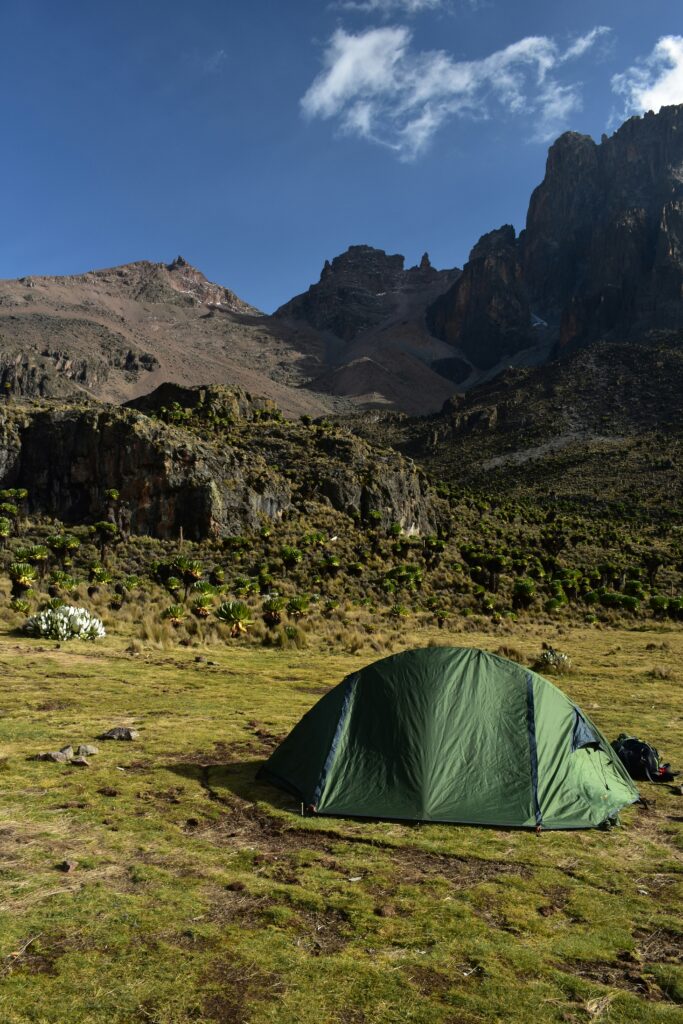
Mount Kenya National Park
Mount Kenya National Park is one of the most remarkable tourist destinations in Kenya and one of Africa’s most treasured natural attractions. Located in the central part of the country, the park protects the magnificent Mount Kenya, the highest mountain in Kenya and the second-highest mountain in Africa after Mount Kilimanjaro. The park attracts thousands of visitors every year who come to admire its breathtaking scenery, diverse wildlife, unique vegetation, and exciting mountain adventures.
Established in 1949, Mount Kenya National Park covers approximately 715 square kilometers and surrounds the upper slopes of Mount Kenya. The park later became part of a larger protected area that includes the Mount Kenya Forest Reserve. Due to its exceptional ecological significance and natural beauty, the area earned recognition as a UNESCO World Heritage Site. The mountain serves as one of Kenya’s most important water towers, supplying water to millions of people, supporting agriculture, generating hydroelectric power, and sustaining countless ecosystems.
Mount Kenya National Park offers a completely different safari experience compared to Kenya’s famous savannah destinations. Instead of endless grasslands, visitors encounter snow-capped peaks, glacier-carved valleys, dense forests, bamboo zones, alpine meadows, and dramatic rocky landscapes. These diverse habitats create a spectacular environment that supports a wide variety of plants and animals.
The park appeals to adventure travelers, nature enthusiasts, hikers, climbers, bird watchers, photographers, and wildlife lovers. Whether visitors aim to conquer the mountain’s peaks or simply enjoy the surrounding landscapes, Mount Kenya National Park provides unforgettable experiences. Its combination of natural beauty, ecological importance, and recreational opportunities makes it one of Kenya’s most iconic tourist attractions.
For travelers seeking a destination that combines adventure, wildlife, and stunning scenery, Mount Kenya National Park stands among the finest places to visit in East Africa.
Location and Accessibility of Mount Kenya National Park
Mount Kenya National Park lies approximately 175 kilometers northeast of Nairobi in central Kenya. The park spans several counties including Nyeri, Kirinyaga, Meru, Embu, and Tharaka Nithi. Its central location makes it one of the most accessible national parks in the country and a popular destination for both domestic and international visitors.
Travelers can easily reach the park by road from Nairobi within three to four hours depending on traffic and weather conditions. Several well-maintained routes connect the capital city to the various park entrances. Popular access points include Naro Moru Gate, Sirimon Gate, Chogoria Gate, Burguret Gate, and Kamweti Gate. Each route offers unique scenery and different approaches to the mountain.
The journey itself provides beautiful views of Kenya’s fertile highlands, agricultural landscapes, tea plantations, coffee farms, and traditional rural communities. Many visitors enjoy the scenic drive as part of the overall experience.
Domestic flights also provide access to nearby towns and airstrips for travelers seeking faster transportation. Visitors can arrange transfers from nearby airports to lodges, camps, and park entry points.
The park’s strategic location allows tourists to combine visits with other attractions such as Aberdare National Park, Samburu National Reserve, Ol Pejeta Conservancy, and Meru National Park. This flexibility makes Mount Kenya National Park an important component of many Kenyan safari itineraries.
Accessibility, excellent infrastructure, and diverse attractions contribute significantly to the park’s popularity. Visitors can choose between short excursions, multi-day trekking adventures, or extended holidays exploring the surrounding region.
The Magnificent Mount Kenya
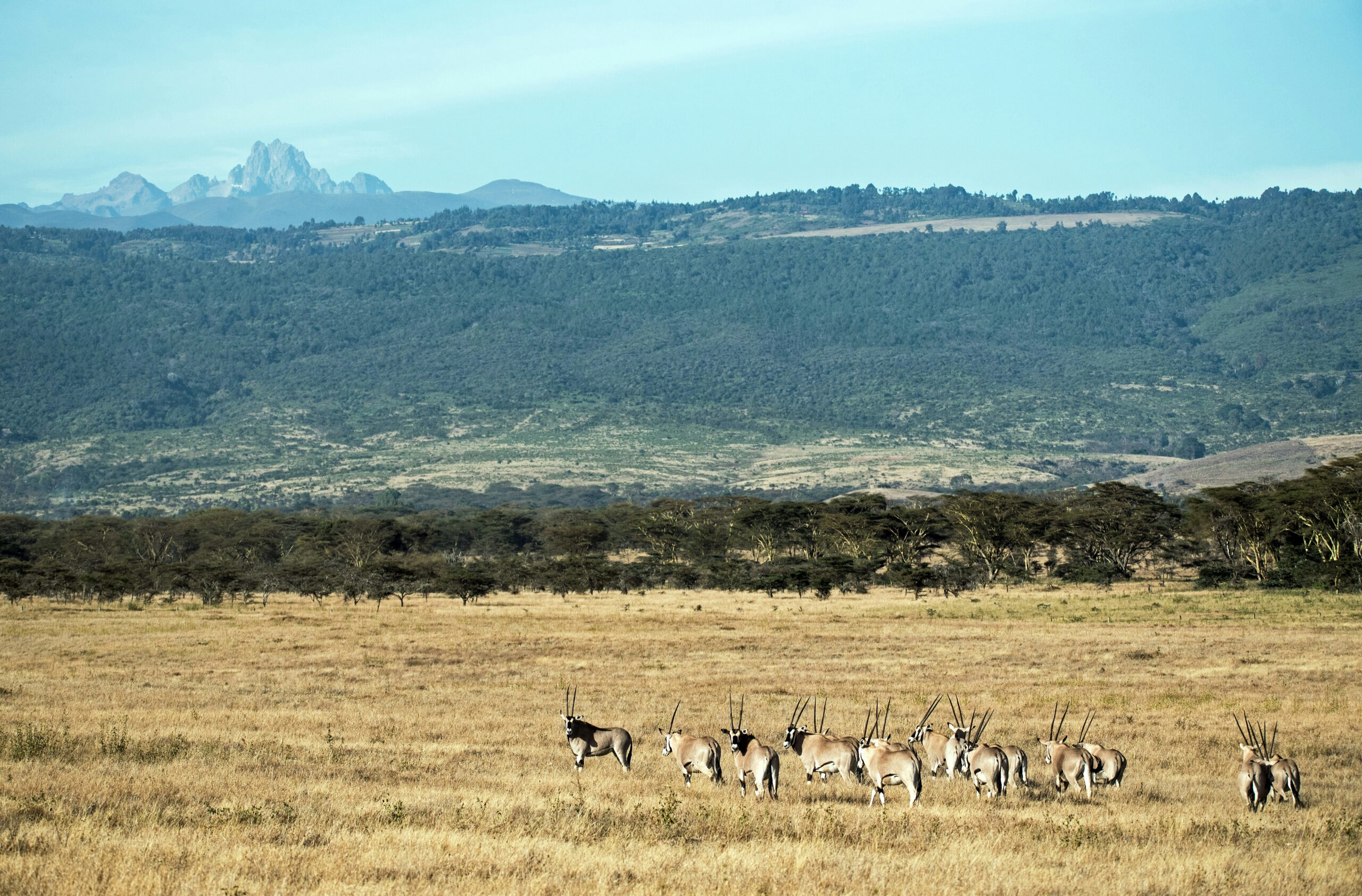
Mount Kenya is the centerpiece of the national park and one of Africa’s most impressive natural landmarks. Rising to an elevation of 5,199 meters above sea level, the mountain dominates the surrounding landscape and creates a dramatic backdrop visible from many parts of central Kenya.
The mountain consists of three main peaks. Batian, the highest peak, reaches 5,199 meters. Nelion stands slightly lower at 5,188 meters, while Point Lenana rises to 4,985 meters. Batian and Nelion require advanced technical climbing skills, while Point Lenana remains accessible to most hikers and serves as the most popular summit destination.
Mount Kenya originated from volcanic activity millions of years ago. Over time, glaciers, weathering, and erosion shaped its rugged peaks, deep valleys, and distinctive landscapes. Although the mountain once supported extensive glaciers, climate changes have significantly reduced their size. Small glaciers still remain near the summit and continue to attract scientists and researchers.
The mountain holds cultural and spiritual significance among several local communities, including the Kikuyu, Embu, and Meru people. Many traditional beliefs regard the mountain as a sacred place associated with divine powers and ancestral heritage.
Visitors often describe Mount Kenya as one of Africa’s most beautiful mountains due to its dramatic peaks, pristine wilderness, and changing landscapes. Every elevation zone presents unique scenery, creating a rewarding experience for hikers and nature lovers.
Whether viewed from a distance or explored through multi-day treks, Mount Kenya remains one of Kenya’s most treasured natural wonders and a major highlight of the national park.
Unique Ecosystems and Vegetation
Mount Kenya National Park contains a remarkable variety of ecosystems that change dramatically with altitude. These ecosystems support exceptional biodiversity and contribute to the park’s ecological significance.
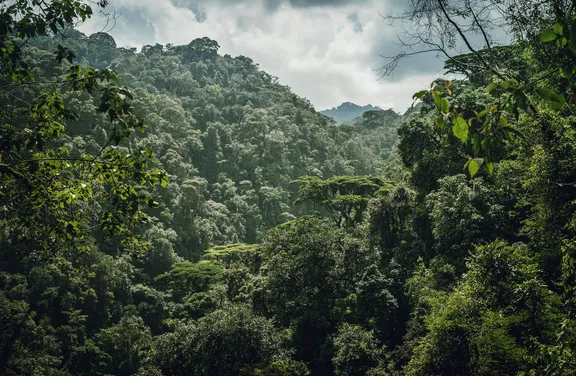
The lower slopes feature dense montane forests filled with indigenous tree species. These forests provide important habitats for wildlife while protecting water catchment areas that feed rivers across Kenya. The cool climate and fertile soils support lush vegetation throughout the year.
Above the forest zone lies an extensive bamboo belt. This unique habitat creates a natural transition between lower forests and higher alpine regions. The bamboo forests provide shelter and food for numerous animal species.
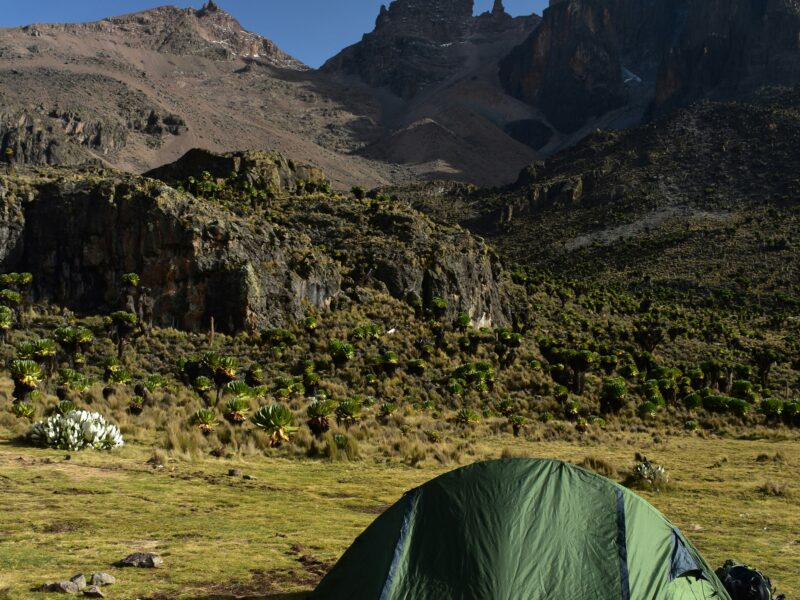
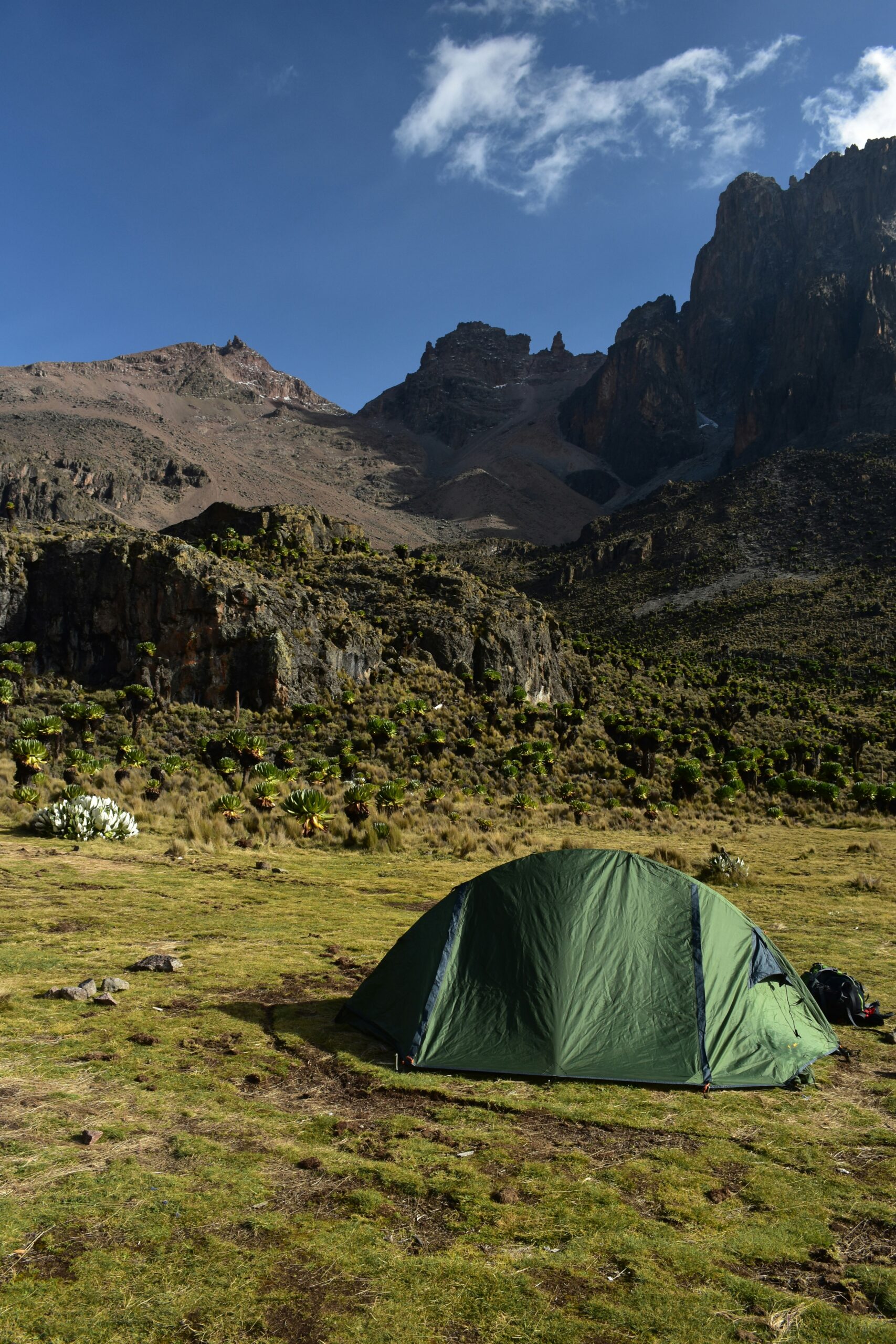
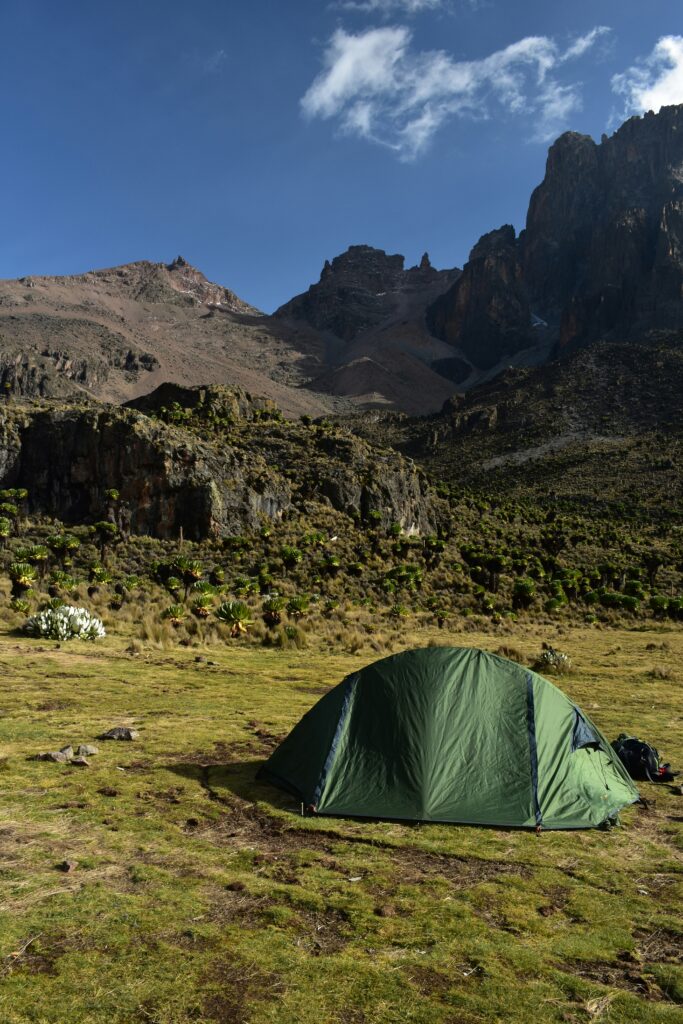
Higher elevations contain heathlands and moorlands characterized by giant lobelias, giant groundsels, and other specialized plants adapted to harsh mountain conditions. These unusual plants create striking landscapes that appear almost prehistoric.
Near the summit, vegetation becomes sparse as rocky terrain and freezing temperatures dominate the environment. Despite these challenging conditions, several hardy plant species survive and contribute to the mountain’s ecological diversity.
The diversity of habitats supports countless insects, birds, mammals, and reptiles. The changing vegetation zones also provide visitors with constantly evolving scenery during hikes and nature excursions.
Mount Kenya National Park serves as a critical conservation area because these ecosystems play essential roles in water regulation, climate stability, soil protection, and biodiversity preservation.
Wildlife in Mount Kenya National Park
Although many visitors associate Mount Kenya National Park with hiking and climbing, the park also supports impressive wildlife populations. The mountain’s forests, grasslands, and valleys provide habitat for numerous species that thrive within this protected environment.
African elephants are among the park’s most notable residents. Large herds move through forested areas searching for food and water. Visitors often encounter elephant tracks and signs of their presence along various trails.
Buffaloes also inhabit the lower slopes and forest regions. These powerful animals contribute significantly to the park’s ecological balance. Other large mammals include bushbucks, waterbucks, giant forest hogs, and elands.
Predators such as leopards, hyenas, and serval cats roam the forests and mountainous terrain. Although these animals can be difficult to spot, they play important roles in maintaining healthy wildlife populations.
The park also supports various primate species including black-and-white colobus monkeys, olive baboons, and Sykes monkeys. These animals frequently appear in forested sections and provide exciting sightings for visitors.
Smaller mammals such as duikers, tree hyraxes, porcupines, and mongooses contribute to the park’s rich biodiversity. Their presence highlights the ecological complexity of Mount Kenya’s ecosystems.
Wildlife viewing opportunities may differ from traditional savannah safaris, but the mountain environment offers unique encounters that many travelers find equally rewarding.
Bird Watching in Mount Kenya National Park
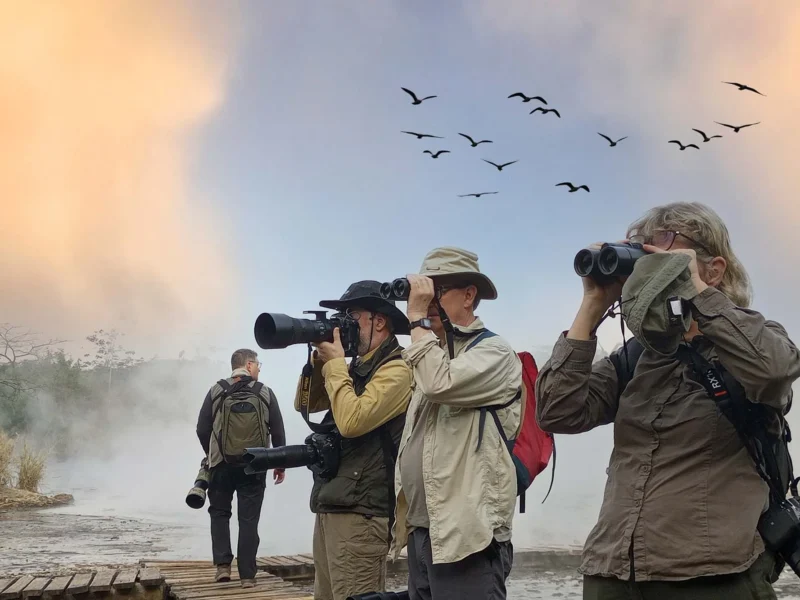
Mount Kenya National Park is a paradise for bird enthusiasts. The park hosts more than 130 bird species, many of which thrive within its diverse habitats and elevation zones.
The montane forests support numerous forest birds including turacos, hornbills, flycatchers, sunbirds, and green pigeons. These species add vibrant colors and sounds to the mountain landscape.
Bird watchers frequently search for high-altitude specialists that occur only within mountain ecosystems. Several endemic and near-endemic species make Mount Kenya an important destination for ornithologists and birding enthusiasts.
Birds of prey also thrive within the park. Eagles, hawks, falcons, and owls patrol the skies and forests while hunting for prey. Their presence contributes to the ecological balance of the mountain environment.
Wetlands, streams, and alpine zones provide habitats for additional species that adapt to colder conditions. Seasonal migrations further increase bird diversity throughout the year.
Whether experienced birders or casual nature lovers, visitors often appreciate the exceptional bird-watching opportunities available within Mount Kenya National Park.
Hiking and Mountain Climbing Adventures
Hiking and mountain climbing remain the most popular activities in Mount Kenya National Park. The mountain offers routes suitable for both beginners and experienced climbers.
The Naro Moru Route serves as the most direct path to Point Lenana and attracts many hikers due to its accessibility. The Sirimon Route provides gentler gradients and spectacular scenery, making it a favorite among trekkers. The Chogoria Route offers some of the most beautiful landscapes including lakes, waterfalls, and dramatic valleys.
Most hikers aim to reach Point Lenana, which does not require technical climbing skills. Reaching the summit rewards visitors with breathtaking sunrise views over Kenya’s landscapes and neighboring mountains.
Advanced climbers often attempt Batian and Nelion peaks. These climbs require technical expertise, specialized equipment, and professional guides.
The mountain’s varied terrain, scenic beauty, and challenging routes create unforgettable experiences for adventure travelers from around the world.
Accommodation in Mount Kenya National Park
Mount Kenya National Park offers accommodation options that cater to different budgets and preferences. Luxury lodges provide elegant rooms, stunning mountain views, fine dining, and excellent hospitality.
Several mountain lodges serve as popular bases for hiking and wildlife viewing activities. These facilities offer comfortable accommodations within beautiful natural surroundings.
Tented camps and mid-range lodges provide affordable alternatives while maintaining high standards of comfort and service. Budget travelers can also find campsites and guesthouses near park entrances.
Many accommodations organize guided hikes, wildlife excursions, bird-watching tours, and cultural experiences. Professional staff help visitors maximize their time within the park.
Whether seeking luxury, adventure, or budget-friendly options, travelers can find suitable accommodation that enhances their Mount Kenya experience.
Best Time to Visit Mount Kenya National Park
Mount Kenya National Park welcomes visitors throughout the year. However, the dry seasons from January to March and June to October generally offer the best conditions for hiking, climbing, and wildlife viewing.
During these months, trails remain more accessible, visibility improves, and summit attempts become safer. Clear skies also provide excellent opportunities for photography.
Rainy seasons bring lush vegetation, flowing rivers, and vibrant landscapes. Nature enthusiasts often appreciate the mountain’s beauty during these greener periods, although some trails may become muddy.
Visitors should prepare for changing weather conditions regardless of the season. Temperatures vary significantly with altitude, especially near the summit.
Conclusion
Mount Kenya National Park stands as one of Kenya’s most extraordinary tourist destinations. Its towering peaks, diverse ecosystems, abundant wildlife, scenic landscapes, and world-class trekking opportunities create an unforgettable travel experience. The park offers visitors a unique combination of adventure, conservation, and natural beauty that few destinations can match.
Whether climbing to Point Lenana, exploring forest trails, observing wildlife, photographing spectacular scenery, or simply enjoying the peaceful mountain environment, travelers discover countless reasons to admire this remarkable national park. Mount Kenya National Park remains a symbol of Kenya’s natural heritage and a must-visit destination for anyone seeking an authentic African wilderness experience.