Mount Kenya National Park
June 6, 2026
Wildlife in Maasai Mara National Park
June 8, 2026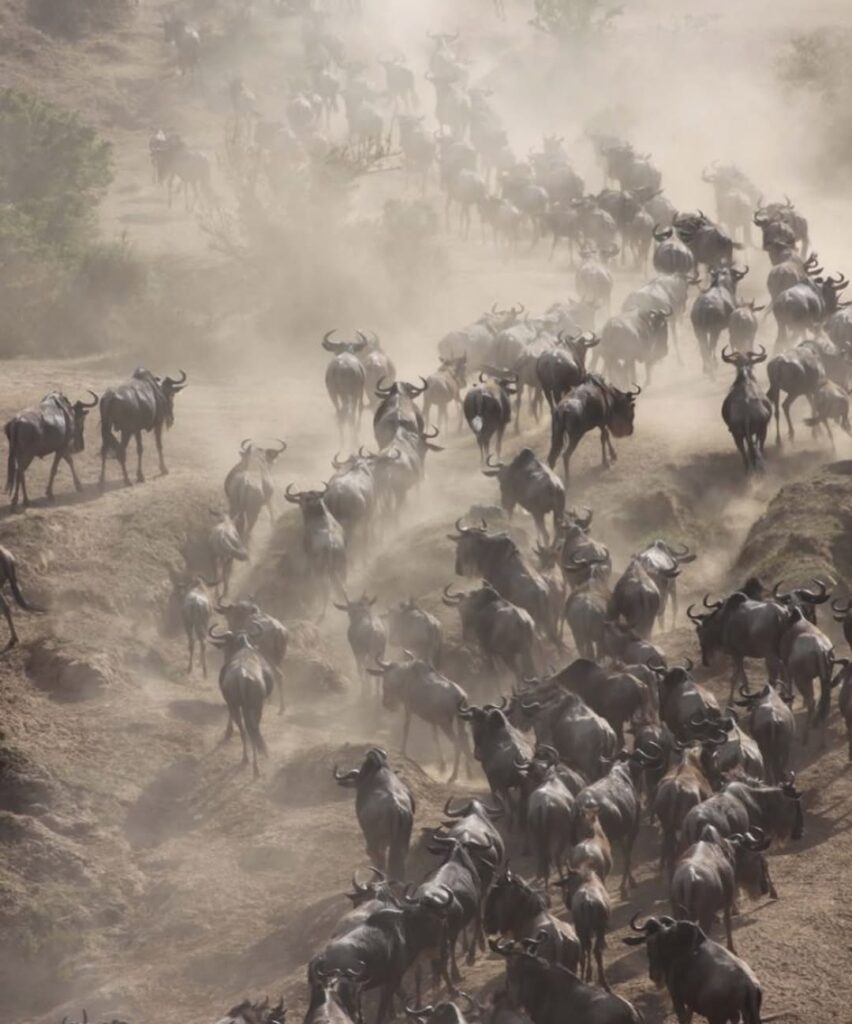
Great Migration River Crossing in Maasai Mara
The Great Migration River Crossing in Maasai Mara stands among the most breathtaking wildlife events on earth. Every year, thousands of tourists travel to Kenya to witness this remarkable natural spectacle. The migration involves vast herds of wildebeests, zebras, and gazelles moving across the Serengeti ecosystem in search of fresh grazing lands and water. As the animals make their way into the Maasai Mara, they face one of their greatest challenges, crossing dangerous rivers filled with strong currents and lurking predators.
The river crossing creates unforgettable moments for visitors. It offers dramatic scenes that showcase the power of nature and the survival instincts of wildlife. Tourists gather along the riverbanks to watch as the animals hesitate, gather courage, and finally plunge into the water. The crossing often happens suddenly, creating an atmosphere of excitement and anticipation. Cameras click continuously as visitors capture stunning photographs and videos of the action.
This extraordinary wildlife event attracts photographers, filmmakers, conservationists, and safari enthusiasts from around the world. The combination of massive animal numbers, dramatic landscapes, and intense predator-prey interactions makes the Great Migration River Crossing one of Africa’s most sought-after safari experiences. Visitors often describe the sight as emotional, thrilling, and unforgettable.
Adira Safaris Africa offers expertly guided safari experiences that allow travelers to witness this incredible event from some of the best viewing locations in Maasai Mara. With knowledgeable guides and carefully planned itineraries, visitors enjoy exceptional opportunities to experience one of nature’s greatest wonders.
Understanding the Great Migration
The Great Migration is a continuous annual movement of over two million animals across the Serengeti-Mara ecosystem. The migration primarily consists of wildebeests, accompanied by hundreds of thousands of zebras and gazelles. These animals follow seasonal rainfall patterns that determine the availability of fresh grass and water.
The migration begins in the southern plains of the Serengeti where wildebeests give birth to their young. As the dry season approaches, the herds start moving northward in search of greener pastures. This journey takes them through various parts of the ecosystem before reaching the Maasai Mara in Kenya.
The migration does not follow a fixed schedule. Weather conditions and rainfall influence the timing and movement of the animals. However, the river crossings generally occur between July and October when the herds arrive in the northern Serengeti and Maasai Mara regions.
The journey covers hundreds of kilometers and exposes the animals to numerous challenges. Predators such as lions, cheetahs, leopards, and hyenas follow the migration closely. River crossings add another layer of danger as crocodiles wait patiently for opportunities to attack vulnerable animals.
Despite these risks, the migration continues every year. It represents one of nature’s most remarkable survival strategies and demonstrates the resilience of wildlife in the African savannah. Witnessing this incredible movement gives visitors a deeper appreciation for the complexity and beauty of natural ecosystems.
The Drama of the River Crossing
The river crossing forms the highlight of the Great Migration for many visitors. This dramatic event unfolds at rivers such as the Mara River, where thousands of animals must cross to reach fresh grazing areas. The crossing presents numerous dangers, making it one of the most intense wildlife spectacles in Africa.
Before crossing, large herds often gather along the riverbanks. The animals appear uncertain and nervous. They may wait for hours or even days before one brave individual initiates the crossing. Once the first animals enter the water, thousands quickly follow in a massive rush.
The scene becomes a display of determination and survival. Wildebeests leap from steep riverbanks and plunge into deep water. Zebras closely follow as the herd pushes forward. The rushing animals create clouds of dust and splashes that add to the dramatic atmosphere.
The river itself presents serious challenges. Strong currents can sweep animals away. Steep banks make entry and exit difficult. Large crocodiles patrol the waters and seize opportunities to catch prey during the confusion. Some animals become separated from the herd while others struggle to navigate the crossing.
Despite these dangers, most animals successfully reach the opposite bank. Their determination highlights the instinctive drive to survive and continue the migration. For tourists, witnessing such a powerful display of nature creates memories that last a lifetime.
The crossing also provides exceptional photography opportunities. The combination of movement, emotion, wildlife interactions, and dramatic scenery allows visitors to capture some of the most iconic safari images in Africa.
Best Time to Witness the Great Migration River Crossing
Timing plays a crucial role when planning a safari to witness the Great Migration River Crossing. Although the migration occurs throughout the year, river crossings usually take place between July and October. During this period, large herds move into Maasai Mara from the Serengeti.
July often marks the beginning of the crossing season. As more animals arrive, crossing activity increases throughout August and September. These months generally offer the highest chances of witnessing dramatic river crossings. October can also provide excellent viewing opportunities before the herds gradually begin their southward movement.
Nature remains unpredictable. River crossings do not occur according to a strict timetable. Animals may gather at crossing points for extended periods before making a move. This uncertainty adds excitement to the safari experience and makes each sighting unique.
Visitors who stay several days in Maasai Mara improve their chances of witnessing a crossing. Experienced safari guides monitor animal movements and communicate with other guides to locate active crossing sites. Their expertise significantly enhances the likelihood of experiencing this spectacular event.
Adira Safaris Africa carefully plans migration safaris during peak crossing periods. The company’s experienced guides understand animal behavior and know the best locations for observing migration activity. This expertise helps travelers maximize their opportunities to witness one of the world’s greatest wildlife events.
Wildlife Encounters During the Migration
The Great Migration River Crossing offers much more than the movement of wildebeests alone. The migration attracts a wide variety of predators and other wildlife, creating an incredibly rich safari experience.
Lions frequently position themselves near migration routes where prey becomes abundant. Large prides take advantage of the increased hunting opportunities provided by the massive herds. Visitors often witness dramatic predator-prey interactions during migration season.
Crocodiles play a major role during river crossings. Some of the largest crocodiles in Africa inhabit the Mara River. They remain hidden beneath the water surface and launch powerful attacks during crossings. Their presence adds tension and excitement to every crossing event.
Hyenas also benefit from the migration. These skilled hunters and scavengers follow the herds closely and exploit opportunities created by weakened or injured animals. Their interactions contribute to the dynamic ecosystem surrounding the migration.
Leopards and cheetahs also thrive during migration season. The abundance of prey increases opportunities for successful hunting. Birdlife flourishes as well, with vultures, eagles, storks, and other species taking advantage of the seasonal abundance of food.
Beyond predators, visitors encounter elephants, giraffes, buffaloes, warthogs, and numerous antelope species throughout Maasai Mara. The concentration of wildlife during migration season creates exceptional game viewing opportunities and ensures an unforgettable safari experience.
Capturing the Perfect Migration Photographs
The Great Migration River Crossing ranks among the most photographed wildlife events in the world. Photographers travel from across the globe to document this extraordinary natural phenomenon. The crossing provides endless opportunities to capture dramatic and emotional images.
Successful wildlife photography requires patience and preparation. Photographers often spend hours waiting near crossing points. The unpredictable nature of the migration means that dramatic action can begin without warning. Remaining ready at all times increases the chances of capturing memorable shots.
A good telephoto lens helps photographers capture detailed images of wildlife from a safe distance. Fast shutter speeds allow photographers to freeze action as animals leap into the river or sprint up steep banks. Wide-angle lenses can also create stunning landscape images that showcase the scale of the migration.
Lighting conditions often enhance the beauty of migration photography. Early morning and late afternoon provide soft golden light that adds warmth and depth to images. Dust clouds created by moving herds can produce dramatic effects that elevate photographic compositions.
Tourists who simply use smartphones can still capture impressive memories. Modern devices provide excellent image quality and allow visitors to document their safari experiences with ease. The key lies in observing carefully and being prepared when the action begins.
Adira Safaris Africa positions guests at strategic viewing locations to maximize photographic opportunities. Experienced guides help visitors identify ideal angles and anticipate animal movements, ensuring memorable wildlife encounters and exceptional photographs.
Why Choose Adira Safaris Africa for Your Migration Safari
A successful migration safari depends on careful planning, experienced guides, and reliable logistics. Adira Safaris Africa specializes in creating unforgettable wildlife experiences that allow travelers to witness the Great Migration River Crossing in comfort and safety.
The company offers customized safari packages designed to match individual interests, budgets, and travel schedules. Knowledgeable guides provide valuable insights into animal behavior, ecology, and conservation. Their expertise helps visitors gain a deeper understanding of the migration and the Maasai Mara ecosystem.
Adira Safaris Africa prioritizes quality service and authentic safari experiences. Comfortable accommodations, reliable transportation, and professional safari planning ensure a seamless journey from start to finish. Guests enjoy exceptional opportunities to witness river crossings and other wildlife spectacles throughout their safari.
Whether you are a wildlife enthusiast, photographer, family traveler, or first-time safari visitor, the Great Migration River Crossing promises an extraordinary adventure. The sight of thousands of animals braving dangerous waters in pursuit of survival represents one of nature’s greatest performances.
A safari with Adira Safaris Africa offers the chance to witness this incredible phenomenon firsthand. The experience combines adventure, photography, wildlife observation, and unforgettable memories. For many travelers, watching the Great Migration River Crossing in Maasai Mara becomes the highlight of their African safari journey and a story they will share for years to come.