
Aberdare National Park
June 6, 2026
Mount Kenya National Park
June 6, 2026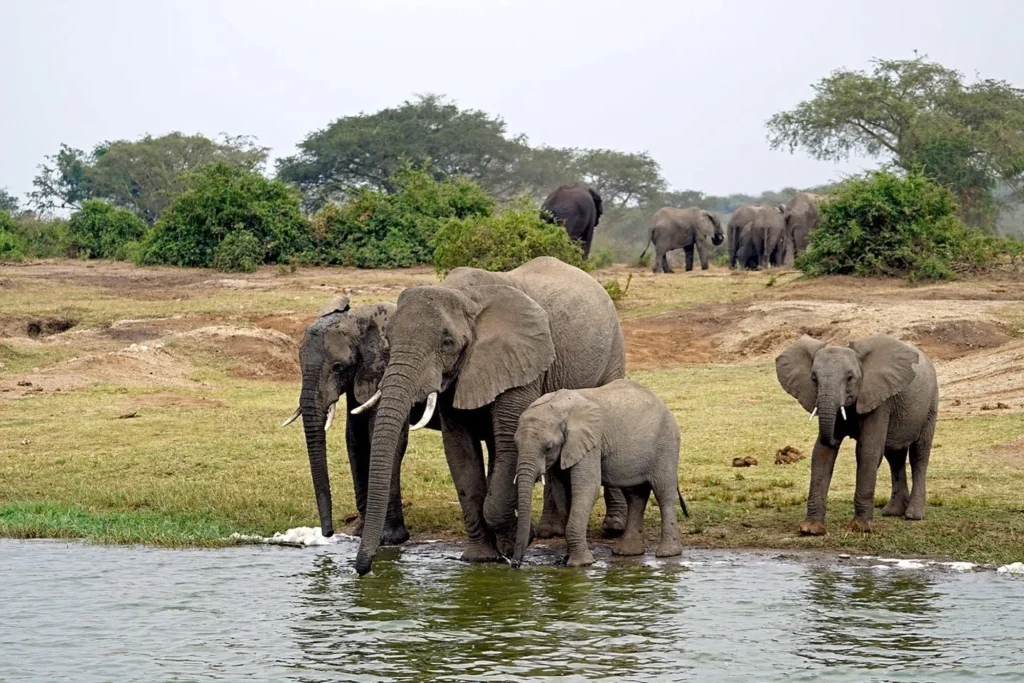
Meru National Park
Meru National Park is one of the most beautiful and least crowded tourist destinations in Kenya. Located in the eastern part of the country, this spectacular protected area offers visitors an authentic African safari experience away from the busy tourism circuits. The park boasts diverse landscapes, abundant wildlife, scenic rivers, rich birdlife, and a peaceful atmosphere that attracts nature lovers from around the world. For travelers seeking an untouched wilderness destination in Kenya, Meru National Park provides an unforgettable adventure.
Established in 1966, Meru National Park covers approximately 870 square kilometers. The park forms part of a larger conservation ecosystem that includes several adjoining reserves and protected areas. Together, these conservation zones create one of the most extensive wildlife habitats in East Africa. The park gained international recognition through its association with the famous conservationists George and Joy Adamson, who played a significant role in wildlife protection and lion conservation within the area.
Meru National Park stands apart from many other Kenyan parks because of its remarkable diversity. Visitors encounter open grasslands, acacia woodlands, riverine forests, swamps, rocky outcrops, and seasonal streams. These varied habitats support a wide range of wildlife species and create stunning scenery throughout the year. The park’s relatively low visitor numbers allow tourists to enjoy exclusive game viewing experiences without large crowds.
The park offers more than traditional wildlife safaris. Travelers can enjoy nature walks, bird watching, photography excursions, cultural experiences, and visits to historical conservation sites. Every part of the park reveals unique attractions that showcase Kenya’s rich natural heritage.
Today, Meru National Park continues to attract visitors who appreciate unspoiled wilderness, exceptional biodiversity, and tranquil safari experiences. Its combination of wildlife, landscapes, and conservation history makes it one of Kenya’s hidden safari treasures and an essential destination for anyone exploring East Africa.
Location and Accessibility of Meru National Park
Meru National Park lies approximately 350 kilometers northeast of Nairobi in eastern Kenya. The park stretches across Meru County and partly into Tharaka Nithi County. Its location places it near the equator and at the foothills of Mount Kenya, creating favorable climatic conditions that support diverse ecosystems and abundant wildlife.
Travelers can access the park by road or air. The road journey from Nairobi typically takes between five and six hours depending on traffic conditions and the chosen route. Several roads connect the park to major towns and tourism centers, making travel convenient for visitors exploring Kenya by vehicle.
The drive itself provides beautiful scenery. Visitors pass through agricultural regions, local villages, rolling hills, and picturesque landscapes before reaching the wilderness of Meru National Park. Many travelers choose road safaris because they allow opportunities to experience different parts of Kenya along the journey.
For those seeking faster transportation, domestic flights operate from Nairobi’s Wilson Airport to nearby airstrips within the park. Flights usually take about one hour and provide breathtaking aerial views of Kenya’s landscapes. Upon arrival, guests can easily transfer to lodges, camps, or safari vehicles.
Meru National Park’s strategic location allows visitors to combine it with other attractions such as Mount Kenya, Samburu National Reserve, Ol Pejeta Conservancy, and Aberdare National Park. These combinations create diverse safari itineraries that showcase Kenya’s incredible natural diversity.
The park’s accessibility, combined with its peaceful environment and abundant wildlife, makes it suitable for both short safari holidays and extended wildlife adventures. Visitors who reach Meru National Park quickly realize why it remains one of Kenya’s most rewarding safari destinations.
History and Conservation Significance of Meru National Park
Meru National Park holds an important place in Kenya’s conservation history. The park became internationally famous through the work of George Adamson and Joy Adamson, whose efforts helped promote wildlife conservation and lion rehabilitation. Their groundbreaking work with lions inspired global interest in wildlife protection and contributed significantly to conservation awareness.
The park gained worldwide recognition through the story of Elsa the Lioness, which Joy Adamson documented in her bestselling book “Born Free.” This remarkable conservation story highlighted the relationship between humans and wildlife while emphasizing the importance of preserving natural habitats. Today, visitors can still explore sites associated with the Adamsons and learn about their contributions to conservation.
During the 1980s, Meru National Park faced serious challenges due to poaching and habitat degradation. Wildlife populations declined significantly, threatening the park’s ecological balance. However, strong conservation efforts, improved management, and increased security measures helped restore the park’s wildlife populations.
Kenya Wildlife Service implemented extensive rehabilitation programs that transformed Meru National Park into one of the country’s conservation success stories. Wildlife numbers increased, habitats recovered, and tourism gradually returned. These achievements demonstrate the effectiveness of long-term conservation planning and community involvement.
Today, the park serves as an important sanctuary for endangered species, including black and white rhinos. Conservation initiatives continue to protect biodiversity while supporting sustainable tourism and local livelihoods. Visitors to Meru National Park contribute directly to these conservation efforts through tourism revenue and environmental awareness.
The park’s rich conservation legacy adds depth to every safari experience. Travelers not only enjoy wildlife viewing but also gain insight into the challenges and successes of wildlife protection in Kenya.
Wildlife in Meru National Park
Wildlife remains the main attraction in Meru National Park. The park supports a remarkable variety of animal species that thrive within its diverse habitats. Visitors often describe game viewing in Meru as exceptional due to the abundance of wildlife and the absence of large tourist crowds.
The park hosts the famous Big Five, which include lions, elephants, leopards, buffaloes, and rhinos. Large elephant herds frequently roam the grasslands and riverbanks, creating impressive wildlife encounters. Lions patrol the open plains and woodland areas, while leopards often hide among rocky outcrops and dense vegetation.
Meru National Park also supports both black and white rhinos within protected sanctuary areas. These endangered animals represent one of the park’s most important conservation achievements. Visitors have excellent opportunities to observe rhinos in a secure and well-managed environment.
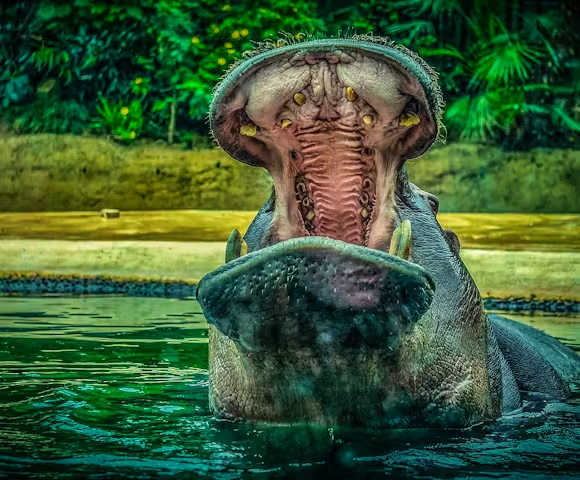
Other wildlife species commonly found in the park include cheetahs, giraffes, zebras, hartebeests, impalas, waterbucks, bushbucks, elands, oryx, warthogs, and dik-diks. Crocodiles and hippos inhabit the park’s rivers, adding further diversity to the ecosystem.
The park’s numerous rivers attract wildlife throughout the year. During dry seasons, animals gather near water sources, creating excellent game-viewing opportunities. Predators often follow herbivores to these areas, increasing the chances of observing fascinating wildlife interactions.
Meru National Park offers a unique safari experience because visitors frequently enjoy wildlife sightings without competing with multiple vehicles. This peaceful environment allows for more intimate encounters with nature and creates memorable safari moments.
Whether observing elephants crossing riverbeds, lions resting beneath acacia trees, or rhinos grazing peacefully, visitors quickly appreciate the extraordinary wildlife diversity that makes Meru National Park one of Kenya’s finest safari destinations.
The Rivers and Scenic Landscapes of Meru National Park
One of the defining features of Meru National Park is its network of rivers. More than thirteen permanent rivers flow through the park, creating lush habitats and sustaining wildlife throughout the year. These rivers distinguish Meru from many other safari destinations and contribute significantly to its beauty.
Major rivers such as the Tana River, Rojewero River, Ura River, and Murera River support rich ecosystems that include riverine forests, wetlands, and grasslands. The presence of water transforms the landscape and creates ideal conditions for wildlife viewing.
The rivers attract a wide variety of animals including elephants, buffaloes, antelopes, hippos, and crocodiles. Visitors often observe wildlife gathering along riverbanks to drink, feed, or cool off during warm afternoons. These scenes provide excellent opportunities for photography and wildlife observation.
The landscapes surrounding the rivers are equally impressive. Dense forests line many waterways, offering shade and habitat for numerous bird species and smaller mammals. Open grasslands stretch between river systems, creating striking contrasts within the scenery.
Rocky hills and distinctive kopjes rise above the plains and provide panoramic viewpoints across the park. These elevated areas allow visitors to appreciate the vastness and diversity of Meru’s ecosystems. During sunrise and sunset, the scenery becomes particularly spectacular as golden light illuminates the landscape.
The combination of rivers, forests, grasslands, and rocky outcrops creates some of Kenya’s most scenic safari environments. Every game drive reveals new perspectives and highlights the natural beauty that makes Meru National Park truly exceptional.
Bird Watching in Meru National Park
Meru National Park is a paradise for bird enthusiasts. The park hosts more than 400 recorded bird species, making it one of Kenya’s most rewarding bird-watching destinations. Its varied habitats support a rich diversity of resident and migratory birds throughout the year.
The park’s rivers and wetlands attract numerous water birds including herons, storks, egrets, kingfishers, cormorants, and African fish eagles. These species thrive along riverbanks and contribute vibrant colors and sounds to the environment.
Woodlands and forests provide habitat for hornbills, turacos, barbets, woodpeckers, bee-eaters, and sunbirds. The abundance of flowering plants and insects supports healthy bird populations across different ecosystems.
Bird watchers frequently encounter birds of prey such as martial eagles, bateleurs, tawny eagles, hawks, and vultures. These magnificent raptors soar above the landscape while searching for prey and offer exciting sightings for wildlife enthusiasts.
Seasonal migrations increase the diversity of birdlife during certain times of the year. Visitors often enjoy observing species that travel from Europe and other parts of Africa to spend time in Kenya’s favorable climate.
Whether experienced birders or casual nature lovers, visitors appreciate the exceptional bird-watching opportunities available throughout Meru National Park. The combination of habitats ensures that every excursion reveals new species and memorable sightings.
Tourist Activities in Meru National Park
Meru National Park offers a variety of activities that allow visitors to explore its wildlife, landscapes, and conservation heritage. Game drives remain the most popular activity and provide excellent opportunities to observe animals throughout different habitats.
Morning game drives often reveal predators returning from nighttime hunts while herbivores begin their daily activities. Evening drives offer opportunities to witness wildlife during cooler hours when animals become more active.
Bird watching attracts visitors interested in the park’s impressive avian diversity. Guided birding excursions help guests identify species and understand their ecological significance.
Photography safaris are highly rewarding due to the park’s beautiful landscapes, abundant wildlife, and low visitor density. Photographers enjoy unobstructed opportunities to capture unique images without crowded viewing areas.
Nature walks in designated areas allow travelers to experience the environment at a slower pace. Guides explain local plants, animal tracks, insects, and ecological relationships that often go unnoticed during vehicle safaris.
Visitors can also explore historical sites associated with George and Joy Adamson. These locations provide valuable insight into Kenya’s conservation history and the legacy of wildlife rehabilitation efforts.
Camping, picnicking, and educational tours further enrich the visitor experience. Each activity allows travelers to connect with the park’s natural and cultural heritage.
Accommodation in Meru National Park
Meru National Park offers accommodation options that cater to different budgets and preferences. Luxury lodges provide elegant rooms, exceptional service, gourmet dining, and stunning views of the surrounding wilderness.
Many luxury properties feature swimming pools, observation decks, and guided safari activities. These facilities allow guests to enjoy comfort while remaining immersed in nature.
Mid-range lodges and tented camps offer comfortable accommodation with excellent amenities and authentic safari experiences. These establishments provide a balance between affordability and quality.
Budget camps cater to travelers seeking economical safari options. Despite lower costs, these accommodations maintain comfortable facilities and convenient access to wildlife viewing areas.
Most lodges organize game drives, bird-watching tours, cultural visits, and conservation activities. Professional guides help visitors maximize their experience while learning about the park’s ecosystems and wildlife.
Best Time to Visit Meru National Park
Meru National Park welcomes visitors throughout the year. However, the dry seasons from June to October and December to March generally provide the best wildlife viewing opportunities.
During these months, animals gather near rivers and water sources, making them easier to locate. Roads remain accessible, and clear skies create ideal conditions for photography.
The rainy seasons transform the landscape into a lush green paradise. Rivers flow strongly, vegetation flourishes, and bird activity increases significantly. Nature lovers often appreciate the beauty and tranquility of the park during these periods.
Regardless of the season, Meru National Park offers rewarding safari experiences and impressive wildlife encounters.
Conclusion
Meru National Park stands among Kenya’s most beautiful and underrated safari destinations. Its rich wildlife, scenic rivers, diverse landscapes, abundant birdlife, and remarkable conservation history create an unforgettable travel experience. Visitors enjoy authentic safaris away from crowded tourist routes while discovering one of East Africa’s most impressive wilderness areas.
Whether exploring riverine forests, photographing wildlife, learning about conservation history, or simply enjoying the tranquility of nature, travelers find endless reasons to appreciate Meru National Park. The park remains a shining example of successful conservation and a must-visit destination for anyone seeking a unique Kenyan safari adventure.