
HOT AIR BALLOON SAFARI IN SERENGETI NATIONAL PARK
July 27, 2026
HIGHEST PEAK MOUNTAIN TREKKING IN KILIMANJARO NATIONAL PARK
July 27, 2026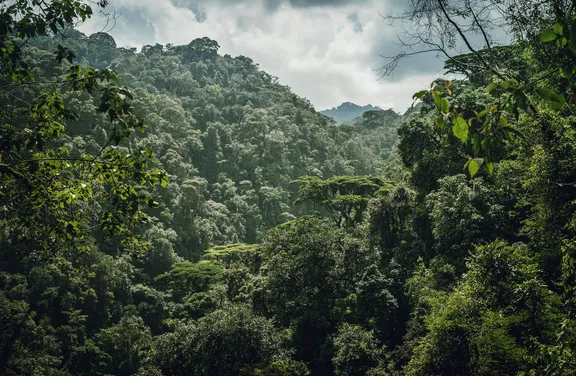
GROUNDWATER FOREST IN LAKE MANYARA NATIONAL PARK
The Groundwater Forest in Lake Manyara National Park is one of the rare and fascinating tourist attractions that visitors can explore during a safari in Tanzania. While Lake Manyara is widely known for its tree-climbing lions, large elephant herds, beautiful lake views, and diverse birdlife, the Groundwater Forest offers a different kind of experience. It takes visitors into a lush and peaceful environment where thick vegetation, tall trees, underground water sources, and wildlife create a unique natural setting. The forest adds great value to a Lake Manyara safari because it shows visitors another side of the park beyond the open savannah and lake shores.
The forest remains green for much of the year because groundwater from the surrounding highlands reaches the area and supports the growth of dense vegetation. This makes the Groundwater Forest different from many other areas of the park. While some parts of northern Tanzania experience dry conditions, this forest can maintain a fresh and green appearance because of the availability of underground water. The combination of water, fertile soils, and vegetation creates an important habitat for many animals and birds.
For travellers interested in nature, wildlife, photography, and peaceful environments, the Groundwater Forest provides an exciting attraction. A visit allows tourists to appreciate how water supports life within a national park. The forest also provides an opportunity to observe different plant species and wildlife in a more enclosed habitat. As visitors move through the area, they can enjoy the shade of the trees and the sounds of birds and other forest creatures.
The Groundwater Forest is therefore an important part of the Lake Manyara safari experience. It demonstrates the ecological diversity that makes Lake Manyara National Park a special destination for travellers exploring Tanzania.
What Is the Groundwater Forest?
The Groundwater Forest is a lush forest ecosystem found within Lake Manyara National Park. It gets its name from the groundwater that reaches the surface and supports the forest’s dense vegetation. Water plays a major role in the existence of this forest. The surrounding landscape receives water from underground sources, creating conditions that allow trees and other plants to grow even when other parts of the region become relatively dry.
The forest forms an interesting contrast with the open grasslands and other habitats found in Lake Manyara National Park. Visitors can move from areas with open views into a much greener environment filled with tall trees and thick vegetation. This change in scenery makes a safari through Lake Manyara more varied and enjoyable.
Groundwater forests are important because they provide habitats for wildlife and support biodiversity. Trees provide shade and shelter. Plants provide food for herbivores and other animals. Water sources also attract wildlife and help sustain the ecosystem. Birds use the trees for nesting and resting, while insects and other small creatures depend on the forest environment.
The forest also provides an opportunity to understand the relationship between water and wildlife. Water does not only support animals when they drink. It also supports the plants that form the foundation of the food chain. When vegetation grows well, herbivores have food, and predators can find prey. In this way, groundwater contributes to the wider ecosystem.
For tourists, the forest offers more than attractive scenery. It provides an educational experience and shows how natural resources create different habitats within the same national park. The Groundwater Forest is therefore an important attraction for anyone who wants to understand the natural environment of Lake Manyara.
The Natural Beauty of the Groundwater Forest
One of the most appealing features of the Groundwater Forest in Lake Manyara National Park is its natural beauty. The forest creates a cool and peaceful atmosphere that feels different from the open landscapes found elsewhere in the park. Tall trees rise above the forest floor, while dense vegetation creates a green environment that attracts both wildlife and birds.
The availability of groundwater allows the forest to remain lush. Visitors can enjoy the sight of green vegetation and mature trees while travelling through the area. The forest also provides shade, which makes the surroundings feel cooler than the more exposed areas of the park. This creates a pleasant environment for visitors during a game drive.
The scenery changes as travellers move through the forest. Some sections may appear thick and enclosed, while others offer clearer views between the trees. Light passes through the branches and creates changing patterns on the forest floor. These details make the Groundwater Forest an interesting place for nature photography.
The forest also has a special atmosphere because of its sounds. Visitors may hear birds calling from the trees, insects moving through the vegetation, and other natural sounds from the surrounding environment. These sounds create a strong feeling of being immersed in nature.
For photographers, the Groundwater Forest provides opportunities to capture more than wildlife. Visitors can photograph trees, plants, birds, forest trails, sunlight filtering through vegetation, and other details of the ecosystem. The green surroundings also create attractive backgrounds for wildlife photography.
The beauty of the Groundwater Forest comes from its natural character. There are no artificial attractions needed to make the area interesting. The trees, groundwater, wildlife, birds, and vegetation create a living ecosystem that visitors can experience during their safari.
Wildlife in the Groundwater Forest
The Groundwater Forest provides important habitat for wildlife in Lake Manyara National Park. The dense vegetation and availability of water create suitable conditions for different species. While wildlife sightings can never be guaranteed, visitors travelling through the forest may encounter animals moving through the vegetation or resting in shaded areas.
Elephants are among the animals associated with the Lake Manyara ecosystem. These large mammals can move through different habitats in search of food and water. Seeing an elephant in a forest environment can provide a memorable safari experience. The trees and vegetation also create an interesting setting for wildlife photography.
The forest supports other herbivores that depend on vegetation for food. Animals may move through the area while feeding or searching for suitable resting places. The availability of water and food makes areas around groundwater sources valuable to wildlife.
Visitors may also encounter monkeys and other primates in forested sections of the park. Their movements through the trees can add excitement to a game drive. Travellers should keep their eyes open because some animals may remain hidden among the vegetation.
Birdlife also forms an important part of the forest ecosystem. The trees provide nesting and resting areas, while insects, fruits, seeds, and other food sources attract different bird species. Birdwatchers can therefore enjoy the forest as they look and listen for birds moving through the canopy.
The wildlife experience in the Groundwater Forest differs from viewing animals across open plains. Dense vegetation can make animals more difficult to spot, but this can also make sightings more exciting. Visitors may need to observe carefully and listen to their surroundings. A good safari guide can help identify animal tracks, sounds, movements, and other signs of wildlife.
Bird Watching in the Groundwater Forest
The Groundwater Forest is also an interesting area for bird lovers visiting Lake Manyara National Park. Lake Manyara is famous for its rich birdlife, and the forest provides another habitat where birds can find food, shelter, nesting areas, and water.
Birdwatching in the forest requires patience. Birds may remain high in the canopy or move quickly between branches. Some species may also hide within thick vegetation. Visitors can improve their chances of spotting birds by travelling slowly and paying attention to calls and movements.
The forest environment provides different opportunities for bird photography. Tall trees create natural perches, while the dense vegetation provides shelter. Birds can appear at different levels, from the forest floor to the highest branches. This creates variety for photographers and birdwatchers.
A knowledgeable safari guide can make birdwatching more rewarding. Guides often understand the sounds and behaviour of local birds. They can help visitors identify species and explain their role within the ecosystem. They may also know areas where certain birds are more likely to appear.
Birdwatching adds another dimension to a safari in the Groundwater Forest. Travellers do not need to focus only on large mammals. Looking closely at the smaller details of the forest can reveal a rich world of birds, insects, plants, and other wildlife.
For visitors who enjoy nature, birdwatching in the Groundwater Forest provides a quiet activity that allows them to slow down and appreciate the environment. The experience can be especially enjoyable for photographers, bird enthusiasts, families, and travellers who want to explore the less obvious attractions of Lake Manyara National Park.
Why the Groundwater Forest Is a Rare Tourist Attraction
The Groundwater Forest is considered a special attraction because of the environmental conditions that support it. The presence of groundwater allows a lush forest to thrive within a landscape that also contains open grasslands, lake areas, and drier habitats.
This diversity makes Lake Manyara National Park an interesting destination for nature lovers. Visitors can experience several different ecosystems within one safari. The forest adds another layer to this experience by showing how underground water can create a green and productive habitat.
Many travellers visit national parks mainly to see famous animals. However, attractions such as the Groundwater Forest demonstrate that a safari involves much more than wildlife sightings. The landscape itself tells an important story. The presence of water influences vegetation, vegetation supports herbivores, and herbivores form part of the food chain that supports predators.
The forest therefore provides a chance to understand the natural processes that keep the park alive. It also highlights the importance of protecting water sources within protected areas. Without reliable water, many plants and animals would struggle to survive.
For tourists, the rarity of such an environment makes the visit more memorable. The forest provides a different atmosphere from the open savannah. It feels enclosed, green, cool, and peaceful. This change can be particularly refreshing during a longer safari itinerary.
Visitors who enjoy discovering lesser-known attractions can find the Groundwater Forest especially rewarding. It may not receive the same attention as the park’s famous tree-climbing lions or large elephant herds, but it contributes greatly to the unique character of Lake Manyara National Park.
Exploring the Groundwater Forest on a Safari
Visitors normally explore the Groundwater Forest as part of a safari experience in Lake Manyara National Park. A game drive allows travellers to move through different parts of the park while looking for wildlife and enjoying the landscape.
As the safari vehicle enters the forested area, visitors can immediately notice the change in scenery. The vegetation becomes denser, and tall trees create shade over the road. The environment can feel completely different from the open areas of the park.
A safari through the forest requires careful observation. Animals may hide behind trees or within vegetation. Guides can help visitors look for movement, tracks, footprints, sounds, and other signs that indicate the presence of wildlife.
The experience can also include short stops where conditions allow. Visitors can take photographs and learn about the trees, plants, groundwater, and animals that depend on this ecosystem. These explanations can make the attraction more meaningful because travellers gain a better understanding of why the forest exists.
The Groundwater Forest can become one of the highlights of a Lake Manyara safari, especially for travellers who appreciate natural scenery. It offers a quieter experience than some of the busier wildlife-viewing areas. The peaceful atmosphere allows visitors to enjoy the park without rushing.
A professional guide plays an important role in making the experience successful. Guides know the park and understand how different animals use various habitats. Their knowledge can help visitors notice details that they might otherwise miss.
Photography in the Groundwater Forest
The Groundwater Forest offers many opportunities for nature photography. The green vegetation, tall trees, wildlife, birds, and changing light provide a variety of subjects.
Photographers can capture wide images showing the forest environment. They can also focus on smaller details such as leaves, flowers, tree trunks, insects, and birds. Wildlife moving through the vegetation can create particularly interesting images because the forest provides a natural setting.
The light in the forest can change throughout the day. Sunlight passing through the canopy can create attractive patterns on the ground and vegetation. Early morning and late afternoon can provide softer light, while brighter periods can highlight the rich green colours of the forest.
Visitors should remember to respect wildlife while taking photographs. Animals should not be disturbed or approached too closely simply to obtain a better picture. The safari vehicle should also remain on designated routes where required.
Photography in the Groundwater Forest is not only about taking pictures of animals. It is also about capturing the atmosphere of the forest. Images of trees, shadows, vegetation, birds, and wildlife can help tell the story of this unique ecosystem.
For travellers who enjoy photography, the Groundwater Forest can therefore provide a memorable collection of images from their Lake Manyara safari.
The Importance of Water in Lake Manyara’s Ecosystem
Water forms the foundation of the Groundwater Forest. Without a reliable supply of groundwater, the forest could not maintain its lush vegetation. This makes the attraction an excellent example of the important relationship between water, plants, and wildlife.
Groundwater supports trees and other plants. These plants provide food and shelter for animals. The vegetation also helps create a suitable habitat for birds, insects, and smaller organisms. These organisms contribute to the wider food web.
The forest therefore demonstrates how one natural resource can influence an entire ecosystem. Water supports vegetation, vegetation supports herbivores, and the presence of herbivores contributes to the survival of predators.
For visitors, this makes the Groundwater Forest more than just a scenic location. It becomes an opportunity to learn about the ecological processes that support Lake Manyara National Park.
The forest also reminds visitors about the importance of conserving water sources. Protected areas depend on healthy ecosystems. Protecting groundwater and other water resources helps maintain habitats for future generations of wildlife and visitors.
A safari through the Groundwater Forest can therefore combine adventure with environmental education. Travellers can enjoy the scenery while learning about the natural systems that make the park unique.
Best Time to Visit the Groundwater Forest
The Groundwater Forest can provide an interesting experience throughout the year. Since groundwater supports the forest, the area can maintain its green character even when other areas become drier. This makes it an attractive part of a Lake Manyara safari during different seasons.
The dry season can offer good general wildlife viewing conditions. Vegetation may become less dense in some parts of the park, making animals easier to spot. The forest itself can remain an attractive green environment and provide welcome shade during game drives.
The wetter months can also create beautiful scenery. Rain can refresh the vegetation and make the forest appear even greener. Fresh growth can attract different animals and birds, creating interesting opportunities for nature lovers.
Travellers should choose their travel period based on their overall safari interests. Those who want to explore several attractions in Tanzania can include Lake Manyara in a wider northern Tanzania safari covering destinations such as Serengeti National Park and the Ngorongoro Conservation Area.
Regardless of the season, visitors should prepare for changing weather conditions. Comfortable clothing, suitable footwear, sun protection, and a camera can help make the experience more enjoyable.
Why Visit the Groundwater Forest with Adira Safaris Africa?
At Adira Safaris Africa, we understand that a memorable Tanzania safari involves more than visiting the most famous attractions. It also involves discovering the natural environments that make each destination unique. The Groundwater Forest in Lake Manyara National Park provides exactly this type of experience.
We can help travellers include Lake Manyara National Park in a carefully planned Tanzania safari itinerary. During the visit, travellers can explore the Groundwater Forest and discover the importance of groundwater in supporting the forest ecosystem. They can also enjoy wildlife viewing and appreciate the park’s varied landscapes.
Our safari planning focuses on creating meaningful experiences that match the interests of each traveller. Nature lovers can spend more time exploring the forest environment. Wildlife enthusiasts can combine the forest with game drives. Photographers can enjoy opportunities to capture the trees, birds, landscapes, and animals found in the park.
The Groundwater Forest is a reminder that every part of Lake Manyara has something valuable to offer. The forest may appear quiet at first, but careful observation reveals a living ecosystem full of activity.
With Adira Safaris Africa, visitors can explore this rare attraction while enjoying the wider beauty of Lake Manyara National Park. We aim to make every safari comfortable, informative, exciting, and memorable.
Conclusion
The Groundwater Forest in Lake Manyara National Park is one of Tanzania’s fascinating natural attractions. Its lush vegetation, tall trees, wildlife, birdlife, and peaceful environment make it a special place to explore. The forest stands out because groundwater supports its green ecosystem and creates a habitat that contrasts with the open grasslands and other landscapes around Lake Manyara.
A visit to the Groundwater Forest provides more than beautiful scenery. It allows travellers to understand the important relationship between water, vegetation, wildlife, and biodiversity. The forest shows how underground water can support a thriving ecosystem and provide shelter and food for many species.
For nature lovers, the attraction offers opportunities for wildlife viewing, birdwatching, photography, and environmental learning. Travellers can enjoy the cool forest environment while listening to birds and watching for animals moving through the vegetation. The experience can become even more rewarding when accompanied by an experienced safari guide who understands the park and its ecosystems.
The Groundwater Forest also adds variety to a Lake Manyara safari. Visitors can experience the open landscapes, lake surroundings, wildlife areas, and forest habitats within the same destination. This diversity makes Lake Manyara a rewarding stop on a Tanzania safari.
If you are looking for a rare and thrilling attraction in Tanzania, consider including the Groundwater Forest in your Lake Manyara safari itinerary. With Adira Safaris Africa, travellers can discover the natural beauty of this unique forest and experience the remarkable ecosystem that makes Lake Manyara National Park such a special destination.