
Tourist Experience at Kumi, Uganda
September 12, 2026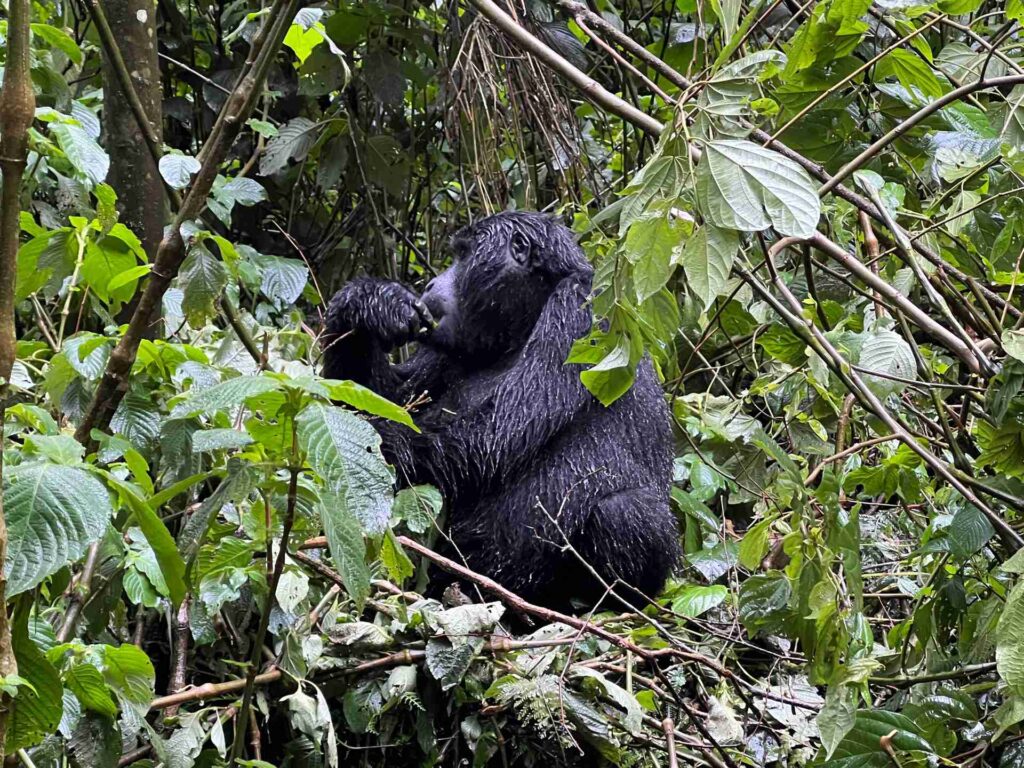
Gorilla Permit Fairness in Bwindi Impenetrable Forest
Gorilla trekking in Bwindi Impenetrable Forest is one of the most remarkable wildlife experiences in Africa. It gives travelers the opportunity to enter the natural habitat of the endangered mountain gorillas and spend valuable time observing them in the forest. For many visitors, this experience becomes the highlight of their Uganda safari. One of the main questions travelers ask when planning a gorilla trek concerns the cost of the gorilla permit. Many tourists want to know whether the price is fair and whether the experience provides good value for money.
The gorilla permit fee in Bwindi may appear significant when compared with the cost of some other activities. However, travelers should look beyond the price alone. A gorilla permit supports a carefully managed tourism experience. It also contributes to the protection of mountain gorillas and their natural habitat. The fee forms part of a wider conservation system that helps protect one of the world’s most valuable wildlife populations.
The value of a gorilla trekking permit comes from much more than the hours spent in the forest. It gives visitors access to a rare wildlife encounter that they cannot easily find elsewhere. Mountain gorillas live in a protected forest environment, and their conservation requires resources, trained personnel, monitoring, research, community involvement, and responsible tourism practices.
For travelers who have dreamed of seeing mountain gorillas, the permit represents an investment in a once-in-a-lifetime experience. It also supports the continued protection of the destination. At Adira Safaris Africa, we believe that the price of a gorilla permit should be viewed in the wider context of conservation, community development, wildlife protection, and the exceptional experience that Bwindi offers.
Understanding Gorilla Permits in Bwindi
A gorilla permit is an essential requirement for visitors who want to participate in gorilla trekking in Bwindi Impenetrable Forest. The permit provides access to a regulated gorilla trekking experience. It helps tourism authorities control the number of visitors entering the forest and visiting habituated gorilla families.
This controlled system plays an important role in responsible tourism. Mountain gorillas are sensitive wild animals. Their health and well-being require careful management of human interactions. Limiting visitor numbers helps reduce unnecessary pressure on the gorillas and their habitat.
The permit therefore provides more than simple entry into the forest. It forms part of a system designed to balance tourism with conservation. Travelers pay for the opportunity to participate in a highly regulated wildlife experience while contributing to the broader management of the gorilla conservation program.
The exact cost of a gorilla permit can change according to tourism policies and the applicable visitor category. Travelers should therefore confirm the current fee before booking. A reputable safari company can help with the latest requirements and guide visitors through the booking process.
Although the permit may represent a considerable part of a Uganda safari budget, travelers should consider what the fee supports. Gorilla conservation requires long-term commitment. Rangers and conservation teams work to protect gorilla populations and their habitat. Tourism also creates economic opportunities for people living around protected areas.
This makes the permit an important part of the overall gorilla tourism model. Visitors receive an unforgettable experience, while conservation efforts receive financial support. Communities can also benefit from tourism-related opportunities.
For this reason, the Bwindi gorilla permit price should not be considered simply as an entrance charge. It represents an investment in an experience and in the continued protection of mountain gorillas.
Why Gorilla Permit Prices Can Be Considered Fair
The prices of gorilla permits are relatively fair when travelers consider the uniqueness of the experience. Gorilla trekking is not an ordinary wildlife activity. Visitors do not simply drive through a park and watch animals from a vehicle. They travel into a dense forest environment with experienced guides and trackers.
The experience requires preparation and organization. Tourism teams need to coordinate visitors, guides, trackers, and conservation activities. They also need to manage interactions between tourists and gorilla families.
The forest itself adds another dimension to the experience. Bwindi provides a dramatic setting for gorilla trekking. Visitors walk through a natural environment where the terrain can change quickly. Some trails can involve steep slopes, thick vegetation, muddy paths, and challenging sections. The physical journey forms part of the adventure.
Once trekkers locate a gorilla family, the experience becomes even more special. Seeing a gorilla in its natural environment creates a powerful connection with wildlife. Visitors may observe gorillas feeding, resting, climbing, playing, grooming, or interacting with members of their group.
These moments cannot be guaranteed in the same way as a conventional attraction. Wildlife remains unpredictable. That uncertainty adds to the excitement of the experience.
The permit fee also helps ensure that gorilla tourism remains controlled. If unrestricted numbers of visitors entered the forest, the pressure on gorillas and their habitat could increase. A regulated permit system helps manage tourism while maintaining the quality of the experience.
For these reasons, many travelers consider the permit cost reasonable when they compare it with the rarity and importance of the experience.
The Value of Seeing Mountain Gorillas in Their Natural Habitat
One of the strongest reasons to consider the gorilla permit fair is the opportunity it provides to see mountain gorillas in their natural environment. This differs greatly from seeing wildlife in captivity.
Bwindi offers visitors an opportunity to enter a living forest ecosystem. The gorillas move freely through their habitat. They interact with each other according to their natural social structures. They search for food, rest, communicate, and care for their young.
Travelers become observers rather than spectators at a staged performance.
This makes the experience highly meaningful. Visitors do not know exactly what the gorillas will do when they arrive. A gorilla may walk close to the group. Another may remain deep in the vegetation. Young gorillas may play nearby while adults continue feeding.
Every trek can therefore feel different.
The experience also encourages travelers to develop a stronger appreciation for wildlife conservation. When people see gorillas in their natural habitat, they often gain a deeper understanding of why forests and endangered species need protection.
This educational value forms another important part of the permit’s worth.
A gorilla trek can also become an important personal milestone. Many travelers spend years dreaming about seeing mountain gorillas. When that dream finally becomes reality, the memory can remain with them for a lifetime.
The experience is therefore not simply about the amount of time spent with the gorillas. It is about the rarity of the encounter and the meaning attached to it.
Gorilla Permits and Mountain Gorilla Conservation
Conservation provides one of the strongest arguments for the value of gorilla permits. Mountain gorillas remain one of Africa’s most important conservation success stories, but their protection requires continued effort.
Bwindi’s forest provides essential habitat for mountain gorillas and many other species. Protecting this habitat requires resources. Conservation teams need funding for monitoring, patrols, research, veterinary support, visitor management, and other activities.
Tourism provides an important source of support for conservation.
When travelers purchase gorilla permits, they participate in a tourism system that connects wildlife experiences with conservation. The money generated through gorilla tourism helps support the broader conservation framework surrounding protected areas.
This relationship demonstrates why responsible tourism matters.
A traveler may initially see the permit as a cost. However, the fee also contributes to maintaining the conditions that make the gorilla experience possible. Without effective conservation, there would be no healthy forest environment in which visitors could observe mountain gorillas.
The relationship between tourism and conservation therefore works in both directions. Conservation protects the gorillas and their habitat. Tourism generates income and creates an economic reason to continue protecting these resources.
This makes the gorilla permit more than a payment for a tourist activity. It forms part of a larger conservation partnership between visitors, local communities, tourism operators, and wildlife authorities.
How Gorilla Tourism Benefits Local Communities
The fairness of gorilla permit prices also relates to the role tourism plays in communities around Bwindi. Protected forests exist alongside communities that depend on the surrounding economy.
Tourism can create employment and business opportunities for local people. Guides, trackers, drivers, accommodation providers, craft makers, restaurant workers, porters, and other service providers can benefit from the tourism industry.
Travelers also spend money on accommodation, transportation, meals, souvenirs, cultural activities, and other services.
This creates an economic chain that extends beyond the gorilla trek itself.
When communities see tangible benefits from tourism, they have stronger reasons to support conservation. People living near protected areas can become important partners in protecting wildlife and natural resources.
This does not mean that every tourism challenge disappears. Responsible tourism requires continued cooperation and good management. However, the connection between tourism income and community livelihoods remains an important part of conservation.
Travelers can strengthen this impact by making responsible choices. Hiring local porters, purchasing genuine local crafts, using community services, and respecting local customs can help ensure that more tourism benefits remain within the destination.
A gorilla trekking trip can therefore provide more than a wildlife memory. It can contribute to an economy built around conservation and sustainable tourism.
What Makes Bwindi Gorilla Trekking Different?
Bwindi stands out because of its forest environment. The experience takes place in a dense and ancient-looking landscape rather than an open savannah.
The forest creates a completely different safari atmosphere.
Visitors walk beneath tall vegetation and through challenging terrain. The sounds of birds and insects accompany the trek. The forest changes as the trail moves through different sections. Every turn can create a new view.
Finding the gorillas can also become part of the adventure. Trackers use their knowledge of the forest to follow signs and locate gorilla families. Visitors then continue the journey until they reach the group.
The anticipation builds throughout the trek.
Once the gorillas are found, travelers often experience a mixture of excitement, surprise, and admiration. Seeing a powerful silverback or watching a young gorilla interact with its family can create an emotional connection that photographs alone cannot fully capture.
The forest setting also makes the experience feel intimate. Visitors are not sitting in a safari vehicle several meters away from animals in an open landscape. They are walking through the same environment in which the gorillas live.
This unique combination of adventure, wildlife, forest scenery, and conservation helps explain why the gorilla permit provides strong value.
The Physical Experience of Gorilla Trekking
Travelers should understand that gorilla trekking involves physical activity. The duration and difficulty of the trek can vary. Some groups may find the gorillas relatively close to the starting point. Others may need to walk for several hours through difficult terrain.
This unpredictability forms part of the adventure.
The forest can include steep slopes, uneven ground, dense vegetation, and muddy sections, especially during wet weather. Travelers should prepare accordingly.
Good walking shoes are important. Comfortable clothing also helps. Visitors should carry drinking water and follow the guidance of their trekking team.
Porters can provide valuable assistance. They can help carry bags and offer support on challenging sections of the trail. Hiring a porter also provides direct economic benefits to local community members.
The physical challenge can make the final gorilla encounter even more rewarding. After walking through the forest and following the trackers, finally seeing a gorilla family can feel like a remarkable achievement.
Travelers should prepare mentally as well as physically. Gorilla trekking is not a guaranteed short walk. It is an adventure into a natural forest environment.
For many visitors, the effort becomes part of the story they tell when they return home.
Why Travelers Should Book Their Gorilla Permit Early
Gorilla trekking has limited visitor capacity. The controlled number of permits helps manage tourism and protect the gorillas.
For this reason, travelers should plan their trek well in advance.
Early booking gives visitors a better opportunity to secure their preferred trekking date. It also makes it easier to organize accommodation, transportation, flights, and other activities around the gorilla experience.
This is especially important for travelers visiting during popular travel periods.
Booking early also allows a safari company to create a well-organized itinerary. A Uganda safari may include several destinations, and the gorilla trekking date can influence the entire travel schedule.
Adira Safaris Africa can help travelers organize the different parts of their Uganda safari around the gorilla trekking experience.
We encourage travelers to communicate their preferred dates as early as possible. This allows the planning process to begin with realistic availability and current permit requirements.
Travelers should also avoid relying on outdated information about permit prices. Fees and tourism policies can change. The current price should always be confirmed before payment.
Getting the Most Value From Your Gorilla Permit
A gorilla permit provides the opportunity for an extraordinary experience, but travelers can take additional steps to maximize its value.
First, prepare properly.
Learn about mountain gorillas before the trek. Understand their behavior and social structures. Learn why their habitat matters. This knowledge can make the encounter more meaningful.
Second, listen carefully to your guide.
Experienced guides can explain what you are seeing and help you understand gorilla behavior. They can also provide important instructions for maintaining a safe and respectful distance.
Third, focus on the experience rather than photography alone.
It is natural to want photographs. However, visitors should take time to put the camera down and observe the gorillas directly. The memory of seeing a gorilla in the forest can be more powerful than any photograph.
Fourth, embrace the journey.
Do not view the trek simply as a walk to the gorillas. The forest, birds, plants, landscapes, trackers, and guides all form part of the experience.
Finally, approach the trek with respect.
The gorillas are wild animals. Their well-being must remain the priority. Following the rules helps protect both the animals and visitors.
Is a Gorilla Permit Worth the Money?
For travelers who value unique wildlife experiences, a gorilla permit in Bwindi can offer excellent value. The experience combines adventure, wildlife, conservation, culture, and community tourism.
The permit gives travelers access to a carefully managed encounter with mountain gorillas. It also supports a tourism system designed to protect the animals and their habitat.
The price should therefore be viewed as part of the total value of the experience.
A gorilla trek is not comparable to an ordinary sightseeing activity. It involves a rare species, a protected forest, trained professionals, conservation systems, and limited visitor access.
For many travelers, the experience becomes one of the most memorable moments of their lives.
The value also extends beyond the traveler. Tourism can support conservation and local livelihoods. This gives the experience a wider purpose.
At Adira Safaris Africa, we encourage travelers to consider these factors when planning their budget. Instead of asking only, “How much does a gorilla permit cost?” travelers should also ask, “What does this permit make possible?”
The answer includes access to an extraordinary wildlife experience and participation in a conservation-based tourism model.
Plan Your Bwindi Gorilla Trek With Adira Safaris Africa
Gorilla trekking in Bwindi offers one of the most remarkable wildlife experiences available in Uganda. The journey takes travelers deep into a beautiful forest and provides an opportunity to observe mountain gorillas in their natural environment.
Although the gorilla permit represents a significant travel expense, its value becomes clearer when travelers consider the complete experience. The permit supports regulated tourism. It contributes to conservation. It creates economic opportunities. It helps manage visitor numbers. Most importantly, it gives travelers access to a rare and unforgettable encounter with mountain gorillas.
The prices are relatively fair when viewed from this wider perspective.
Travelers should also remember that a Uganda safari involves more than the permit. Transportation, accommodation, meals, park-related services, guides, and other activities form part of the overall travel budget. Careful planning helps visitors create an itinerary that provides good value while meeting their expectations.
At Adira Safaris Africa, we help travelers plan memorable Uganda safari experiences. We can help you organize your gorilla trekking adventure and combine it with other attractions and cultural experiences across Uganda.
Our goal is to make your journey comfortable, meaningful, and well organized.
If seeing mountain gorillas has always been your dream, Bwindi provides an opportunity to turn that dream into reality.
Plan your gorilla trekking adventure with Adira Safaris Africa and discover the unforgettable experience of meeting Uganda’s mountain gorillas in the heart of Bwindi.
Frequently Asked Questions About Gorilla Permits in Bwindi
Are gorilla permits in Bwindi worth the cost?
Yes, for many travelers the experience offers excellent value. A permit provides access to a regulated gorilla trekking experience and supports conservation and tourism activities. The encounter with mountain gorillas in their natural habitat is also rare and highly memorable.
Why are gorilla permits relatively expensive?
Gorilla trekking requires careful management. Conservation teams, guides, trackers, tourism authorities, and local communities all play roles in maintaining the experience. The permit also forms part of the conservation-based tourism system that protects the gorillas and their forest habitat.
Can the gorilla permit price change?
Yes. Tourism authorities can review fees and policies. Travelers should confirm the current permit price and applicable conditions before booking their safari.
Should I book my gorilla permit early?
Yes. Gorilla trekking has limited visitor capacity. Early booking improves your chances of securing your preferred trekking date and allows your safari operator to organize accommodation, transportation, and other activities around the trek.
Is gorilla trekking physically difficult?
The difficulty varies from one trek to another. Some gorilla families may be closer to the starting point, while others may require longer walks through steep or challenging forest terrain. Travelers should prepare physically and carry suitable walking equipment.
Can I hire a porter during gorilla trekking?
Travelers can consider hiring a porter where the service is available. Porters can help carry luggage and provide assistance on difficult sections. Hiring local porters also provides direct economic opportunities for people in communities around the destination.
What should I bring for gorilla trekking?
Travelers should consider comfortable hiking shoes, suitable clothing, drinking water, sun protection, a waterproof bag, and other personal essentials. Your safari operator can provide a detailed packing list based on your itinerary and travel season.
Why choose Adira Safaris Africa for a gorilla safari?
Adira Safaris Africa focuses on creating meaningful African travel experiences. We help travelers combine wildlife, culture, nature, and local experiences into well-planned safari itineraries. Our goal is to make your Uganda adventure memorable and responsible.