
Gorilla Permit Fairness in Bwindi Impenetrable Forest
September 12, 2026
Chimpanzee Habituation vs. Chimpanzee Trekking
September 15, 2026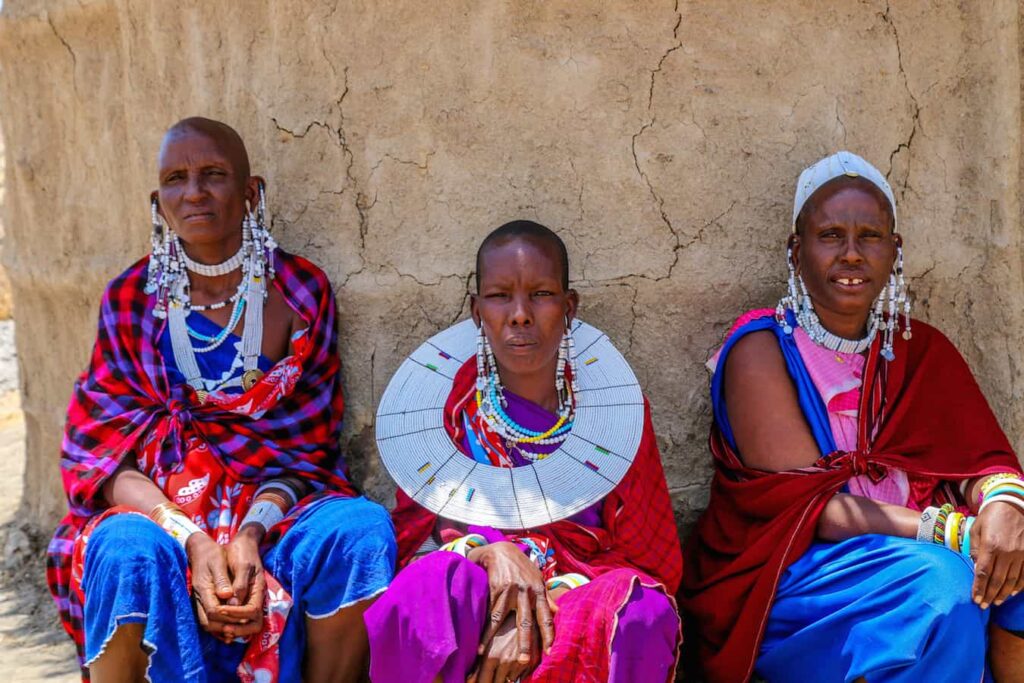
Karamoja Manyatta Near Kidepo Valley National Park
A visit to a Karamoja manyatta near Kidepo Valley National Park offers more than a beautiful view of Uganda’s remote northeastern landscape. It creates a meaningful meeting point between visitors and local communities. Through this experience, tourists learn about the traditions, beliefs, family life, music, dances, food, and daily activities of the Karamojong people. The visit also gives local residents an opportunity to share their heritage in their own words. This makes the experience interactive, educational, and memorable.
Adira Safaris Africa invites you to explore the cultural heart of Karamoja while enjoying the outstanding wildlife and scenery of Kidepo Valley National Park. A manyatta visit allows you to step away from the usual safari route. You can sit with local people, listen to their stories, watch traditional performances, and understand how communities live in one of Uganda’s most beautiful and remote regions. The experience helps visitors see Karamoja beyond the common images of dry plains and rugged mountains.
A manyatta is a traditional homestead where families live together in a protected settlement. The community builds the homestead with locally available materials. These materials may include mud, sticks, grass, animal hides, and thorny branches. The design reflects the environment, the culture, and the need for security. Each manyatta has its own character. However, many share important features such as circular homes, livestock areas, meeting spaces, and traditional fences.
The experience becomes even more special when you visit with a knowledgeable local guide. The guide explains the meaning of what you see. They introduce you to community members and help you interact with respect. You may learn simple greetings in the local language. You may also take part in singing, dancing, storytelling, or traditional food preparation. These activities bring the culture to life in a natural and engaging way.
An authentic cultural experience in Karamoja
The Karamoja region has a strong cultural identity. The Karamojong people have maintained many of their traditions despite changes brought by modern life. Their culture connects closely with cattle, family, land, spirituality, music, and community responsibility. A visit to a manyatta gives tourists a chance to understand these connections through direct interaction.
When you arrive at the manyatta, local residents may welcome you with songs, dances, or traditional greetings. The welcome often creates a lively atmosphere. Drums, handclaps, chanting, and energetic movements can form part of the performance. The dance may communicate happiness, unity, strength, or celebration. Some dances also reflect important stages of life, such as marriage ceremonies, community gatherings, or the return of warriors from cattle-related activities.
Visitors do not only watch from a distance. In many cases, the local community encourages guests to join the dance. You can learn a few steps and move together with the performers. You may not copy every movement perfectly, but participation creates laughter and connection. It also turns the visit into a shared experience instead of a simple observation. The interaction allows tourists and local people to enjoy the moment together.
Cultural activities may vary from one manyatta to another. Some communities focus on dance and music. Others include storytelling, craft demonstrations, traditional cooking, or explanations of local customs. Your Adira Safaris Africa guide can help you understand the program before the visit. This preparation allows you to know what to expect and how to participate appropriately.
The people of Karamoja value hospitality. Manyatta visits often give guests a warm welcome. Local hosts may offer stories about their community and explain how they organize family life. They may describe the importance of livestock and the role of elders in decision-making. They may also explain how young people learn skills and responsibilities from older generations.
This personal interaction helps tourists develop a deeper appreciation for Uganda’s cultural diversity. It shows that a safari involves more than wildlife viewing. It also includes people, history, creativity, resilience, and shared human experiences.
Understanding the traditional Karamoja manyatta
A traditional manyatta provides an insight into the way Karamojong families have adapted to their environment. The homestead usually contains several small houses arranged within a protected enclosure. These houses may have rounded walls and conical roofs made from grass or other natural materials. Local builders use practical methods that suit the dry climate and available resources.
The manyatta also reflects the structure of the community. Families often live close to one another. This arrangement supports cooperation and security. Community members can share responsibilities and help one another during difficult periods. The settlement may include areas for children, household activities, livestock, and social gatherings.
Livestock plays an important role in Karamojong life. Cattle, goats, and sheep provide food, income, and social value. They also feature in important ceremonies and family relationships. During your visit, you may see livestock within or near the settlement. Local residents can explain how they care for the animals and why livestock remains important to their identity.
The manyatta can also show the practical knowledge that communities use every day. Local people understand how to find water, manage animals, prepare food, make tools, and protect their homes. They know the land and its seasons. They understand which plants can provide food, medicine, building materials, or household items. This knowledge passes from one generation to another.
A cultural visit gives tourists an opportunity to ask questions. You may ask about the building process, the layout of the homestead, traditional family roles, or the meaning of certain objects. Always ask politely and listen carefully to the answers. Some cultural practices carry deep meaning. Your guide helps ensure that the conversation remains respectful and comfortable for everyone.
Manyatta visits also challenge common assumptions about rural communities. Visitors often discover that local life contains creativity, planning, responsibility, and strong social bonds. The community may face challenges, but it also possesses valuable knowledge and cultural strengths. A respectful visit allows tourists to appreciate both realities without reducing the people to stereotypes.
Interactive activities for tourists and local people
The main attraction of a Karamoja manyatta visit is the interaction between guests and residents. The experience encourages people from different backgrounds to meet, communicate, and share ideas. It creates a human connection that remains in the memory long after the safari ends.
Traditional dancing remains one of the most popular activities. Performers may wear colourful clothing, beads, ornaments, or other cultural items. Their movements often follow the rhythm of drums, singing, and handclaps. The performance may take place in an open area within the manyatta. Tourists can watch, take photographs with permission, and join the celebration.
Storytelling offers another important part of the experience. Elders or local guides may share stories about the origins of the community, traditional values, family relationships, animals, landscapes, and important events. Some stories teach lessons about courage, responsibility, honesty, cooperation, or respect for nature. Listening to these stories provides a better understanding of how the community passes knowledge to younger generations.
You may also watch demonstrations of traditional skills. Local artisans can show how they make beads, necklaces, bracelets, baskets, decorations, or other handmade items. These products often contain cultural meaning. Their colours and designs may communicate identity, age, marital status, beauty, or social connection. Purchasing a handmade item gives you a meaningful souvenir and supports the people who created it.
Food preparation can also form part of the visit. Local hosts may explain how they prepare traditional meals using available ingredients. Depending on the community and season, you may learn about grains, milk, meat, wild fruits, vegetables, or other local foods. Always follow your guide’s advice regarding tasting food. Some visitors enjoy sharing a simple meal or drink with the hosts, while others prefer to observe the preparation process.
Children may greet visitors or take part in cultural activities. It remains important to interact with them carefully and respectfully. Avoid giving sweets, money, or gifts directly to children unless your guide recommends an appropriate community-based approach. Direct handouts can create dependence and encourage children to approach tourists repeatedly. A responsible safari company supports organized and respectful community benefits.
Photography can create beautiful memories, but visitors should ask for permission before taking portraits. Some people may not want photographs. Others may accept photographs only in certain settings. Ask before taking pictures of homes, ceremonies, children, elders, or personal belongings. Respect a “no” without argument. Good cultural tourism begins with consent and dignity.
The connection between Karamoja and Kidepo Valley National Park
Kidepo Valley National Park sits in one of Uganda’s most remote and scenic regions. The park features wide savannah plains, rocky hills, seasonal rivers, and dramatic mountain landscapes. It provides habitat for elephants, lions, leopards, cheetahs, buffaloes, giraffes, zebras, antelopes, and many bird species. The park offers a quiet safari experience away from the busier tourist routes.
The cultural landscape outside the park adds another important dimension to the journey. Tourists can combine game drives with a visit to a Karamoja manyatta. This combination creates a balanced itinerary. You spend part of the day searching for wildlife and another part learning from the local community. The two experiences connect through the land. Wildlife depends on the landscape, and local people also depend on the surrounding environment.
Many communities near Kidepo have long relationships with the region. They understand the weather, the water sources, the grazing areas, and the movement of animals. Their knowledge can help visitors appreciate the environment in a more complete way. Your local guide may explain how seasonal changes affect livestock, farming, travel, and daily life.
The area around Kidepo often feels peaceful and spacious. The open plains create spectacular views, especially during sunrise and sunset. Mountains may rise in the distance while livestock graze near the homesteads. The combination of culture and scenery provides excellent opportunities for photography. However, visitors should photograph with care and avoid treating people as part of the scenery. Always remember that a manyatta is a home and a community, not a display created for tourists.
Adira Safaris Africa can include a manyatta visit in a wider Kidepo safari itinerary. The program may include airport or lodge transfers, game drives, cultural activities, accommodation, meals, and guiding services. We design each itinerary around your interests, travel dates, budget, and available time. You can choose a short cultural visit or spend more time engaging with the community.
The role of local communities in tourism
Responsible tourism can create practical benefits for communities near Kidepo Valley National Park. When tourists visit a manyatta through a properly organized program, the community can earn income from guiding, performances, craft sales, cultural activities, transport, and hospitality. This income can support families and encourage the preservation of local traditions.
Community-based tourism also gives local people a stronger voice. Residents can decide which activities they want to share. They can determine how visitors should behave and how the experience should operate. This approach protects cultural dignity and gives the community greater control over tourism.
Tourism can support education, healthcare, water projects, small businesses, and conservation awareness. The exact benefits depend on the community organization and the program structure. Adira Safaris Africa works to promote respectful tourism that recognizes local contributions. We encourage guests to buy crafts directly from artisans, use local guides where possible, and follow community instructions.
Visitors can support the local economy in simple ways. Purchase quality handmade products at a fair price. Avoid bargaining aggressively when the price already reflects the time and materials required. Pay agreed cultural fees through the proper channel. Use local services when they meet safety and quality expectations. These actions help tourism deliver benefits beyond the safari vehicle.
Cultural tourism also encourages pride among younger generations. When visitors show interest in local music, language, crafts, clothing, and stories, young people may see the value of their heritage. This does not mean that communities must reject modern life. Culture can change while important values continue. Responsible tourism supports communities as they make their own choices about the future.
Tourists also gain from this exchange. They learn directly from people who live in a different environment. They discover new ideas about cooperation, family, hospitality, and resilience. The experience can become one of the most meaningful parts of a Uganda safari.
What to expect during a manyatta visit
A typical visit begins with a briefing from your safari guide. The guide explains the location, the planned activities, photography guidelines, and appropriate behaviour. You then travel to the manyatta, often through scenic countryside near Kidepo Valley National Park. The journey itself may provide opportunities to see local homes, livestock, farmland, hills, and wide open landscapes.
A local representative may welcome you when you arrive. The visit may start with an introduction to the community. You can then learn about the manyatta’s structure, the materials used to build the homes, and the role of different spaces within the settlement. The host may introduce elders, artisans, dancers, or other community members taking part in the program.
The cultural performance may follow the introduction. Singing and dancing can create an energetic welcome. You may stand or sit with the group and enjoy the presentation. If the performers invite you to participate, join with enthusiasm and respect. You do not need professional dancing skills. A friendly attitude matters more than perfect movement.
After the performance, you may take part in conversations or demonstrations. You can ask about traditional clothing, beadwork, livestock, food, language, marriage customs, or community life. Your guide can translate when necessary. Remember that some subjects may remain private or sensitive. Ask open questions and accept the answers you receive.
The visit may last between a short session and several hours, depending on the program. The exact duration can change because of weather, road conditions, community schedules, and the activities available that day. Adira Safaris Africa can advise you on the best option for your itinerary.
Manyatta experiences work well for families, couples, photographers, students, researchers, and groups of friends. Families can introduce children to different cultures in a respectful setting. Couples can enjoy a meaningful experience together. Photographers can capture colours, landscapes, crafts, and performances after receiving permission. Students and researchers can gain a deeper understanding of community life and cultural preservation.
Best time to visit a Karamoja manyatta near Kidepo
You can visit a Karamoja manyatta throughout the year. However, different seasons create different travel conditions and experiences. The dry seasons often provide easier road access and clearer views across the landscape. Wildlife may gather around reliable water sources during dry periods. This can make it easier to combine a cultural visit with game viewing.
The wet seasons transform the region. Grass and shrubs become greener. The landscape may look fresh and dramatic. Birds become more active, and some animals give birth during periods of good food availability. Rain can make some roads difficult, so your safari team should plan carefully. A cultural visit may still take place, but the schedule may require flexibility.
Morning and late afternoon visits often provide comfortable temperatures. The light can also create attractive conditions for photography. Midday heat may feel intense, especially during the hotter months. Wear light clothing and carry drinking water. Your safari guide will help you choose a suitable time based on your travel plans and the community’s availability.
The best time also depends on the type of experience you want. If you want to combine the manyatta visit with a full-day game drive, your guide can create a practical schedule. If you prefer a relaxed cultural experience, you may dedicate an entire afternoon to the community. Private arrangements can provide greater flexibility, especially for photographers or families.
Because community activities depend on local schedules, advance planning remains important. Adira Safaris Africa confirms the visit with the relevant local contacts before your arrival. This helps ensure that the community can prepare for your group. It also prevents rushed or unplanned visits.
What to pack for your cultural visit
Comfortable clothing can improve your manyatta experience. Choose light, breathable clothes that cover the shoulders and knees. Modest clothing shows respect and protects you from the sun, dust, and insects. Comfortable walking shoes or closed sandals work well because you may walk on uneven ground.
Carry a wide-brimmed hat, sunglasses, sunscreen, insect repellent, and a refillable water bottle. A light jacket may help during cool mornings or evenings. During the rainy season, pack a lightweight rain jacket. A small backpack can hold your personal items without creating unnecessary bulk.
If you plan to take photographs, carry spare batteries and enough memory space. A camera cover or dry bag can protect your equipment from dust and sudden rain. Always ask permission before photographing people. Your guide can explain any restrictions that apply to specific ceremonies, homes, or cultural objects.
Avoid bringing unnecessary plastic packaging. Carry your rubbish back to the vehicle if no suitable bin exists. Never leave bottles, wrappers, or other waste within the manyatta or natural environment. Responsible visitors protect the cleanliness of the community and the surrounding landscape.
You may also bring a small notebook if you enjoy recording names, stories, or new words. Writing down what you learn can help you remember the experience. Do not record private information without permission. Allow the visit to remain a genuine conversation rather than turning every moment into a formal interview.
Responsible cultural tourism guidelines
A respectful manyatta visit begins with a positive attitude. Enter the community with curiosity, patience, and humility. You are a guest. The local residents are not performers who must entertain you at any time or in any way. The community decides how to present its culture.
Ask before taking photographs or videos. Avoid touching people, clothing, jewellery, homes, animals, or personal possessions without permission. Do not enter a house or protected area unless your local host invites you. Follow your guide’s instructions throughout the visit.
Dress modestly and avoid behaviour that may offend the community. Do not make jokes about local customs, language, clothing, homes, or beliefs. Listen when people speak. Give elders and community representatives the same courtesy that you expect from others.
Avoid distributing money, sweets, pens, or other items directly to children. If you want to support the community, ask Adira Safaris Africa about appropriate ways to do so. Buying crafts, paying official cultural fees, and supporting community projects usually provides more sustainable benefits than random handouts.
Protect the environment during your visit. Stay on suitable paths. Do not remove plants, stones, beads, or cultural materials. Keep noise levels low and avoid disturbing livestock. Take all rubbish with you. These small choices help protect the community’s home and the wider Kidepo landscape.
A responsible visitor also understands that culture is not frozen in time. Modern technology, education, religion, trade, and changing lifestyles influence every community. The Karamojong people continue to make their own choices about what to preserve and what to change. Approach the experience with respect for both tradition and modern life.
Why choose Adira Safaris Africa?
Adira Safaris Africa helps travellers experience Uganda through wildlife, landscapes, culture, and genuine human connection. Our team understands the importance of careful planning when visiting remote destinations such as Kidepo Valley National Park. We organize practical itineraries that allow you to enjoy the journey without unnecessary stress.
Our guides provide more than transportation. They explain the landscape, identify wildlife, share regional history, and help you interact respectfully with local communities. They also understand the importance of timing. A well-planned visit gives the community enough time to prepare and gives you enough time to enjoy the experience.
We can arrange a Karamoja manyatta visit as part of a wider safari. Your itinerary may include game drives in Kidepo Valley National Park, scenic walks, birdwatching, cultural activities, and time to relax at your lodge or camp. We can also help you combine Kidepo with other Ugandan destinations, depending on your available time and interests.
Adira Safaris Africa serves different types of travellers. We plan private safaris for couples, families, photographers, small groups, and corporate travellers. We listen to your needs and recommend an itinerary that matches your budget and expectations. Our goal is to create a safe, comfortable, and meaningful journey.
We also encourage tourism that benefits local people and protects Uganda’s natural heritage. By visiting a manyatta responsibly, you support cultural preservation and community income. By exploring Kidepo responsibly, you support the value of wildlife conservation. These two elements belong together.
Book your Karamoja manyatta experience near Kidepo
A Karamoja manyatta visit near Kidepo Valley National Park offers an unforgettable cultural experience. It allows you to meet local people, learn about their way of life, enjoy traditional music and dance, and understand the connection between community, livestock, land, and heritage. The interactive nature of the experience makes it special for visitors of all ages.
Your visit can begin with a game drive across the dramatic plains of Kidepo. You can then continue to a traditional manyatta and spend time with the local community. You may listen to stories, watch craft demonstrations, taste traditional food, join a dance, or simply share conversation with your hosts. Every visit differs because every community and group brings its own personality.
The experience does not end when you leave the manyatta. You carry the memories, photographs, lessons, and new perspectives with you. You may return home with a deeper understanding of Uganda and a greater appreciation for the people who protect and maintain their cultural identity.
Adira Safaris Africa can help you plan this experience as part of a carefully organized Uganda safari. We arrange transport, guiding, accommodation, park activities, cultural visits, and other travel services. Contact Adira Safaris Africa today to plan your journey to Karamoja and Kidepo Valley National Park.
Discover the wildlife. Meet the people. Experience the traditions. Travel responsibly with Adira Safaris Africa.