
Wildlife in Lake Bunyonyi
September 11, 2026
Gorilla Permit Fairness in Bwindi Impenetrable Forest
September 12, 2026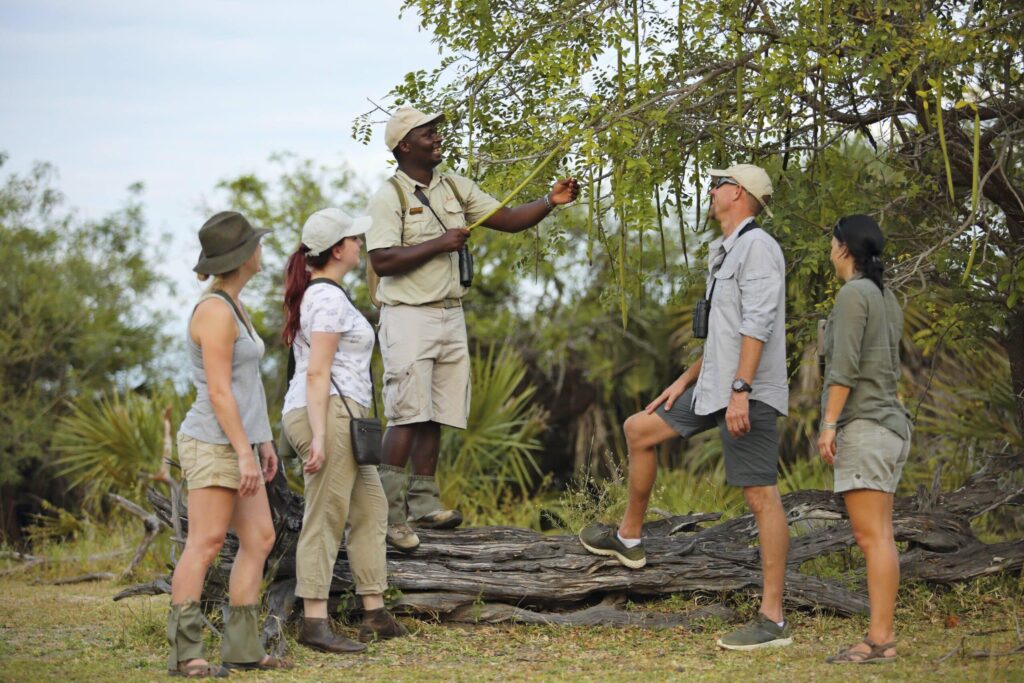
Tourist Experience at Kumi, Uganda
Kumi offers visitors a unique opportunity to experience a quieter and more authentic side of Uganda. Located in the eastern part of the country, Kumi provides a memorable travel experience for tourists who want to go beyond the famous national parks and busy tourist destinations. The area combines cultural encounters, local traditions, community experiences, beautiful landscapes, and everyday rural life. For travelers who enjoy meaningful experiences, a visit to Kumi can become one of the most rewarding parts of a Uganda safari.
Tourist experience at Kumi is one of the interactive activities that visitors can enjoy in this area. The experience allows travelers to meet local communities and learn about their way of life. Instead of simply observing Uganda from a vehicle or hotel, visitors get the chance to interact with people, understand local traditions, and appreciate the culture of eastern Uganda.
Kumi also offers an opportunity to slow down and enjoy the warmth of Ugandan hospitality. Local people often welcome visitors with genuine friendliness. They are happy to share stories about their traditions, food, farming activities, crafts, music, and community life. These interactions can help travelers understand Uganda from a more personal perspective.
For visitors planning a Uganda cultural tour, Kumi deserves attention. It offers an experience that connects tourism with community life. It also provides a chance to discover parts of Uganda that many international travelers do not experience. With Adira Safaris Africa, travelers can explore Kumi as part of a wider Uganda safari itinerary and enjoy a cultural encounter that adds depth to their journey.
Where Is Kumi Located?
Kumi is located in eastern Uganda. The area forms part of the Teso sub-region, which has a rich cultural identity and a strong connection to traditional community life. Kumi town serves as an important center for the surrounding communities. The region features a mixture of small towns, villages, farmland, wetlands, grasslands, and rural settlements.
The location makes Kumi an interesting stop for travelers exploring eastern Uganda. The eastern region offers a different atmosphere from Kampala and the more heavily visited western safari destinations. Here, visitors can experience a slower pace of life while learning about the people and traditions that shape the region.
Kumi’s location also makes it possible to combine cultural tourism with other attractions in eastern Uganda. Travelers can create an itinerary that includes community visits, nature experiences, wildlife destinations, historical sites, and cultural encounters. This variety makes eastern Uganda an exciting destination for travelers who want more than a conventional safari.
The journey to Kumi can also become part of the experience. Travelers can observe changing landscapes as they move through Uganda. Rural communities, farms, roadside markets, schools, churches, and trading centers provide glimpses into everyday life. The journey gives visitors an opportunity to see how people live, work, travel, and interact outside the country’s major cities.
For international tourists, visiting Kumi can therefore provide a broader understanding of Uganda. It shows that the country offers much more than wildlife. Uganda’s people, cultures, landscapes, and traditions form an equally important part of the country’s tourism appeal.
Experiencing the Local Culture of Kumi
Culture forms one of the most important parts of the tourist experience in Kumi. The area has a strong connection to the Teso people and their cultural traditions. Visitors can learn about customs, social values, traditional practices, music, dance, food, and community relationships.
A cultural visit gives tourists the chance to ask questions and interact directly with local people. This creates a more personal travel experience. Visitors can learn how traditions have developed over generations and how modern life continues to influence local communities.
Traditional music and dance can form an important part of cultural experiences in eastern Uganda. Music brings communities together during celebrations, ceremonies, and social gatherings. Traditional dances often communicate stories, history, identity, and community values.
For visitors, participating in a cultural performance can become a memorable experience. Tourists may watch local dancers, listen to traditional music, or participate in simple activities when appropriate. These moments create opportunities for cultural exchange.
The experience also encourages visitors to appreciate cultural diversity. Uganda has many ethnic communities, each with its own traditions and history. Kumi provides an opportunity to learn about one of these cultural identities in a respectful and interactive way.
Adira Safaris Africa encourages travelers to approach cultural tourism with an open mind. Visitors should respect local customs and ask before photographing people, ceremonies, homes, or cultural activities. Responsible tourism creates better relationships between visitors and host communities.
Meeting the People of Kumi
One of the most memorable aspects of visiting Kumi is meeting local people. Tourism becomes more meaningful when travelers have an opportunity to interact with the communities they visit.
A community experience can introduce visitors to farmers, craft makers, cultural performers, business owners, young people, elders, and other members of the local community. Each person can provide a different perspective on life in Kumi.
Conversations can cover many topics. Visitors may learn about farming, education, family life, local businesses, food production, traditional beliefs, and changes taking place in the community.
These conversations help tourists understand Uganda beyond what they see in guidebooks. They also create opportunities for cultural exchange. Visitors can share stories about their own countries while learning about life in Uganda.
The friendliness of local communities often becomes one of the highlights of the trip. Many travelers appreciate the opportunity to connect with people rather than simply moving from one tourist attraction to another.
Community tourism can also support local economic development. When visitors purchase locally made crafts, use local services, participate in guided activities, or contribute to community tourism projects, some of the tourism income can remain within the destination.
This makes cultural tourism valuable to both visitors and host communities. Tourists gain an authentic experience, while communities gain opportunities to benefit from tourism.
Discovering Traditional Food in Kumi
Food provides another wonderful way to experience Kumi. Ugandan cuisine reflects the country’s agricultural traditions and cultural diversity. Many local meals use ingredients that communities grow or obtain within the region.
Visitors may have the opportunity to learn about traditional foods and cooking methods. Depending on the experience and local arrangements, travelers may see how food moves from the garden or market to the kitchen.
Local foods can include staples such as matooke, cassava, sweet potatoes, millet, maize, beans, groundnuts, and various vegetables. Meat and other animal products may also feature in some meals.
The preparation of food often provides a valuable cultural lesson. Cooking is not simply about eating. It can reveal family traditions, agricultural practices, hospitality, and social relationships.
For tourists, trying local food can become one of the simplest ways to connect with a destination. A meal shared with local people can create memories that last long after the safari ends.
Travelers should communicate any allergies or dietary requirements to their safari operator in advance. This allows the team to make suitable arrangements.
At Adira Safaris Africa, we believe that food should be part of the travel story. A good Uganda safari should allow visitors to experience the country through its landscapes, wildlife, people, culture, and cuisine.
Traditional Crafts and Local Skills
Kumi also offers opportunities to learn about traditional skills and local crafts. Handcrafted products can tell stories about a community’s history and creativity.
Visitors may encounter locally produced baskets, mats, decorations, pottery, textiles, and other handmade products. The exact crafts available can vary depending on the community and season.
Watching a craft maker work can be fascinating. Many products require patience and practical skills developed over years. Visitors can learn about the materials used and the techniques passed from one generation to another.
Buying locally made crafts can also support community livelihoods. Instead of purchasing mass-produced souvenirs, travelers can choose products made by local artisans.
A locally made souvenir carries more meaning. It represents a place, a person, and a cultural experience. It can also provide income to the person who created it.
Responsible shopping matters, however. Visitors should purchase authentic products and pay fair prices. They should also avoid buying cultural objects that local communities consider inappropriate for sale.
Cultural tourism works best when visitors and communities benefit together. Respect, fair trade, and genuine interaction help create sustainable tourism.
Exploring Rural Life Around Kumi
Kumi provides an opportunity to see rural Uganda at a more personal level. The surrounding communities depend on a range of activities to support their families.
Agriculture plays an important role in many rural communities. Visitors may see people working in gardens, tending crops, keeping livestock, or taking produce to local markets.
These everyday activities may appear simple, but they provide valuable insight into local life. Travelers can understand how food is produced and how communities depend on the land.
A guided community walk can make this experience even more interesting. A local guide can explain different crops, traditional farming practices, plants, trees, and other features of the environment.
Visitors should remember that rural communities are people’s homes. Travelers should therefore behave respectfully. They should avoid entering private property without permission and should ask before taking photographs.
This approach creates a more positive experience for everyone. Tourism should allow visitors to learn without making local communities feel uncomfortable or exposed.
For travelers interested in authentic Uganda experiences, rural Kumi offers a valuable opportunity to see everyday life away from the country’s main tourist centers.
Why Choose a Cultural Experience in Kumi?
Many tourists visit Uganda because of its wildlife. The country is famous for gorilla trekking, chimpanzee tracking, savannah safaris, bird watching, and beautiful landscapes. However, wildlife represents only one part of the Ugandan travel experience.
Culture adds another important dimension.
A visit to Kumi allows travelers to understand the people who live in the country they are exploring. It gives context to the landscapes, villages, farms, towns, and roads seen during the journey.
Cultural tourism can also make a safari more meaningful. After spending time watching wildlife, visitors can meet local communities and learn how people coexist with their environment.
This creates a more complete picture of Uganda.
Kumi is especially suitable for travelers who enjoy interactive experiences. It can appeal to families, couples, solo travelers, photographers, students, cultural enthusiasts, and visitors interested in responsible tourism.
The experience does not have to be rushed. Travelers can take time to listen, ask questions, participate, and observe.
That slower approach often produces the most memorable moments.
Responsible Tourism in Kumi
Responsible tourism should remain at the heart of every cultural experience. Visitors have a responsibility to respect the communities they visit.
Simple actions can make a significant difference.
Always ask permission before taking photographs of people. Respect local traditions and dress appropriately for community settings. Follow the instructions of local guides. Avoid littering. Do not damage cultural or natural sites.
Travelers should also consider where their tourism money goes. Using local guides and purchasing locally produced products can help communities benefit directly from tourism.
Responsible tourism also means avoiding exploitative cultural experiences. Local people should participate willingly and receive fair benefits from tourism activities.
The goal should not be to turn culture into a performance for visitors. Instead, tourism should encourage genuine cultural exchange and mutual respect.
Adira Safaris Africa believes that sustainable tourism should create positive experiences for both visitors and local communities. When tourism supports local people, protects cultural heritage, and encourages environmental responsibility, destinations can benefit for many years.
Best Time to Experience Kumi
Kumi can be visited throughout the year. However, weather conditions can influence travel experiences and road conditions.
Uganda generally has a tropical climate, although conditions vary between regions and seasons. Some periods receive more rainfall than others.
The dry periods can provide easier travel conditions. They may also make it more comfortable to combine a Kumi cultural experience with other activities around eastern Uganda.
The rainy periods have their own advantages. The landscape can become greener and more vibrant. Vegetation grows strongly, and the countryside can look particularly beautiful.
Travelers should therefore choose their travel dates based on their overall itinerary rather than focusing only on weather.
Adira Safaris Africa can help travelers plan suitable itineraries according to their interests, available time, and preferred travel season.
What to Expect During a Tourist Experience in Kumi
Visitors should expect an interactive and educational experience. The exact activities can vary depending on the community, season, and itinerary.
A typical cultural experience may involve meeting local people, learning about traditions, observing community activities, tasting local food, exploring crafts, or participating in cultural activities.
Visitors should come prepared to engage respectfully.
Comfortable clothing and walking shoes can be useful, especially when the experience includes community walks. Travelers should also carry drinking water, sun protection, and a camera if photography is permitted.
Most importantly, visitors should bring curiosity.
The greatest value of a cultural experience comes from interaction. Ask questions. Listen to local stories. Learn about traditions. Appreciate differences. Share your own experiences when appropriate.
These simple actions can transform an ordinary stop into an unforgettable travel experience.
Combining Kumi With a Uganda Safari
Kumi can form part of a broader Uganda safari itinerary. Travelers can combine cultural tourism with wildlife viewing, nature walks, bird watching, historical visits, and other experiences.
Uganda offers remarkable diversity within a relatively compact travel destination. A well-planned itinerary can combine different landscapes and experiences.
Travelers interested in eastern Uganda may also explore destinations such as Mount Elgon and the surrounding region. Other routes can connect cultural experiences with national parks and major attractions elsewhere in the country.
The best itinerary depends on the traveler’s interests and available time.
A short visit to Kumi can provide a cultural introduction. A longer stay can allow deeper interaction with the community and surrounding attractions.
Adira Safaris Africa can help travelers design customized Uganda safari itineraries that include cultural experiences such as Kumi alongside wildlife and nature activities.
Why Travel With Adira Safaris Africa?
Choosing the right safari company can make a major difference to your experience. A good safari operator should understand the destination and help travelers enjoy it responsibly.
Adira Safaris Africa focuses on creating meaningful African travel experiences. Our goal goes beyond simply taking travelers from one attraction to another.
We want visitors to understand the destinations they explore.
That means including opportunities to meet communities, discover cultures, enjoy nature, and experience local life.
Our safari planning approach also considers the interests of each traveler. Some visitors want wildlife. Others prefer culture. Some want photography. Others want adventure, relaxation, or a combination of several experiences.
Kumi can become an important part of an itinerary for travelers looking for authentic cultural experiences in Uganda.
We also encourage responsible travel practices. We believe tourism should respect local people and contribute positively to communities.
When travelers visit Kumi, they are not simply visiting another location. They are entering a community with its own history, traditions, values, and stories.
That deserves respect.
Plan Your Tourist Experience at Kumi With Adira Safaris Africa
A trip to Uganda can become much more meaningful when you take time to experience local culture. Kumi provides an excellent opportunity to meet people, learn about traditions, discover local food, appreciate traditional skills, and understand rural life.
The tourist experience at Kumi offers something different from a traditional wildlife safari. It allows visitors to connect with Uganda at a human level.
You can listen to stories. You can experience local hospitality. You can discover traditional crafts. You can taste local food. You can learn about farming and community life. Most importantly, you can create genuine memories through cultural exchange.
For travelers searching for cultural tourism in Uganda, Kumi is a destination worth considering. It offers an authentic experience away from the busiest tourist routes.
With proper planning, Kumi can also complement a wider Uganda safari. It can add cultural depth to wildlife adventures and help visitors develop a broader understanding of the country.
Adira Safaris Africa is ready to help you plan your Uganda adventure. Whether you want a cultural tour, wildlife safari, nature experience, or a customized journey across Uganda, we can help you create an itinerary that matches your interests.