
Discovering the Secrets of Katwe Salt Lake
Uganda offers travellers much more than just savannah plains and mountain gorillas. Tucked away in the western corner of the country, Lake Katwe provides a starkly beautiful and deeply human experience. This explosion crater lake sits within the Queen Elizabeth National Park and holds a storied history. For centuries, the local community has harvested salt from these waters. Visitors rarely find another place where they can witness such an ancient, unchanged, and vital industry operating right before their eyes. At Adira Safaris, we believe that travel should connect you to the local soul of a destination. A visit to Katwe Salt Lake does exactly that. It shifts the perspective from viewing animals in the wild to understanding how people have lived alongside nature for generations. The landscape here looks almost extraterrestrial, with its mix of bright white salt pans, dark crater walls, and the shimmering blue lake. Whether you are a photographer looking for the perfect shot or a culture enthusiast seeking authentic human connection, Katwe offers a journey like no other. We invite you to step off the traditional tourist trail and join us in exploring this fascinating salt sanctuary. You will see firsthand how hard work, geography, and tradition blend in a remote part of Uganda. This guide covers everything you need to know about visiting this remarkable site, ensuring you have the knowledge to appreciate the history and the effort behind every crystal of salt produced.
The Geological Origins: An Explosion Crater
Understanding Lake Katwe requires a look back at the region’s volcanic history. Millions of years ago, violent volcanic activity shaped much of Western Uganda. This geological drama created the Western Rift Valley, a place characterized by massive tectonic movements. Lake Katwe is specifically an explosion crater lake. It formed when volcanic pressure built up beneath the earth’s surface and eventually erupted. This eruption blasted material outwards and left behind a deep, steep-sided hole. Over time, water filled the basin, creating the lake we see today. Unlike freshwater lakes that connect to major river systems, Lake Katwe is endorheic. It has no outlet. Rainwater and underground springs feed the lake, while the intense heat of the region causes rapid evaporation. This unique cycle concentrates the minerals in the water, leading to the high salinity that makes the lake famous. For visitors, the view from the crater rim provides a lesson in earth science. You can clearly see the distinct circular shape of the crater. The surrounding soil, rich in volcanic minerals, tells the story of an ancient, fiery past. At Adira Safaris, our guides often take guests to the rim first. This vantage point allows you to grasp the scale of the crater before you descend into the salt pans below. It is a powerful reminder of how dynamic and ever-changing our planet remains. The contrast between the lush green of the surrounding Queen Elizabeth National Park and the barren, mineral-rich landscape of the crater is a photographer’s dream.
The Ancient Art of Traditional Salt Mining
Salt mining at Lake Katwe is not a modern industrial operation. It is a traditional craft passed down through families for hundreds of years. The process relies entirely on human labour and natural evaporation. When you tour the salt pans, you see hundreds of small, square pools. Miners manually dig these pans from the mud. They channel water from the lake into these pools. The sun then does the hard work. As the water evaporates, it leaves behind precious salt crystals. This process requires incredible patience and a deep understanding of the weather. The miners distinguish between two main types of salt. The first is raw, crude salt used for animal feeds and industrial purposes. The second is the higher-quality edible salt, which is cleaner and lighter in colour. It is fascinating to watch the miners work. They stand in the water for hours, using basic tools to scrape the salt from the bottoms of the pans. They then pack the salt into baskets or sacks to carry them to the drying areas. This work is physically demanding. It requires strength and resilience against the sun and the harsh saline environment. At Adira Safaris, we encourage our guests to interact respectfully with the miners. They are always happy to explain their work, the challenges they face during the rainy season, and the pride they take in their craft. This is not a manufactured tourist show. It is the real, daily life of a community that has survived on this salt for generations.
Cultural Significance and Community Resilience
The people of Katwe have a unique relationship with their environment. The lake provides their primary source of income, but it also dictates their lifestyle. Historically, the salt from Katwe was a valuable currency in East Africa. Traders travelled long distances to exchange goods for this prized commodity. Today, the community remains a tight-knit group that manages the salt mining industry with traditional rules and systems. When you visit the lake, you learn about the social structure of the mining community. You will discover that different families or groups own or manage specific salt pans. You will also see how they cooperate to maintain the pathways and channels that feed water into the pans. Education and community development projects often center around the revenue generated from the salt. By choosing to visit Katwe, you directly support these families. You contribute to the local economy and help keep these traditional methods alive. The community has faced many challenges, including fluctuating water levels and market competition. Despite this, their resilience is inspiring. They have preserved a way of life that values hard work and connection to the land. Adira Safaris works closely with local community guides who know the history of the lake intimately. Listening to their stories provides a layer of depth that a guidebook simply cannot offer. You gain a better understanding of Ugandan culture, which is deeply rooted in community, respect for elders, and a strong work ethic. It is an educational experience that challenges your perspective on what truly matters in a local economy.
The Visitor Experience: What to Expect
A tour of Katwe Salt Lake is an immersive sensory experience. As you descend the crater rim, the air changes. You begin to smell the brine, and the landscape opens up into a network of shimmering pools. Your guide will lead you through the narrow paths that separate the salt pans. You will see miners at work, their skin often white from the salt they handle. The heat can be intense, so we always advise our guests to wear hats, apply plenty of sunscreen, and bring water. The tour is not just about watching. It is about engaging. Your guide will demonstrate the tools the miners use. If you are adventurous, you might even get the chance to wade into one of the pools to see how the salt collects on the bottom. Do not worry about the salt hurting your feet; the mud is thick and protective, though it is best to wear sturdy, water-friendly sandals. You will also have the opportunity to buy some salt directly from the miners. It makes a unique and authentic souvenir. The panoramic views from the crater are spectacular, especially in the late afternoon when the sun hits the water and makes the salt pans sparkle. The contrast of the white salt against the dark, muddy edges creates incredible textures. Your Adira Safaris guide will ensure you know where to stand for the best photos without interfering with the work of the miners. We aim to keep the visit respectful and low-impact, ensuring that the community remains the focus of the experience.
Geography: A Unique Spot in Queen Elizabeth National Park
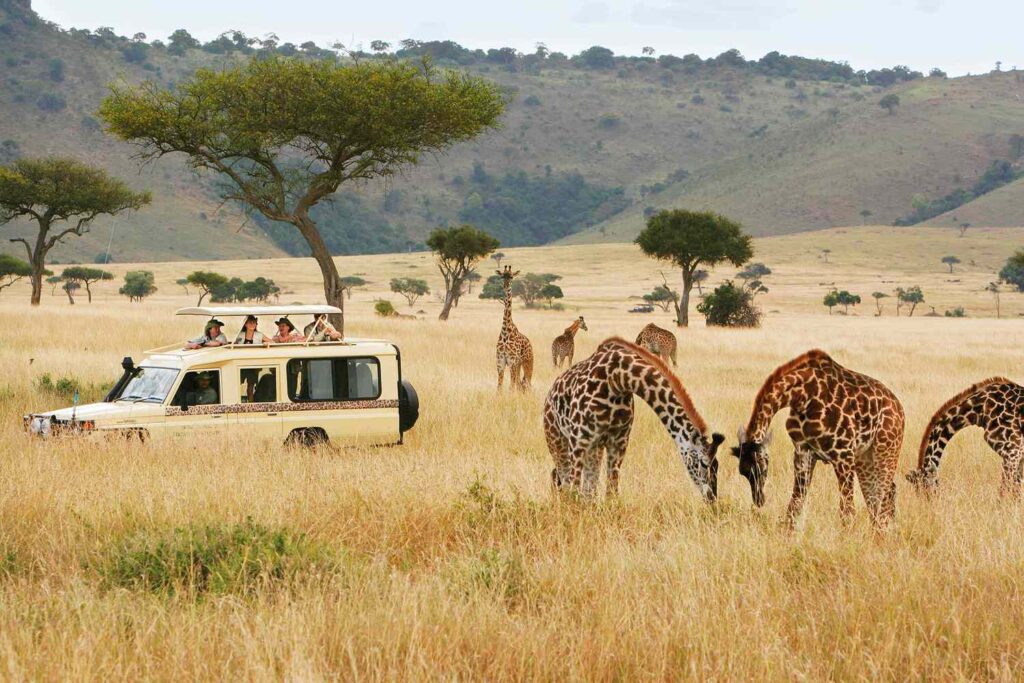
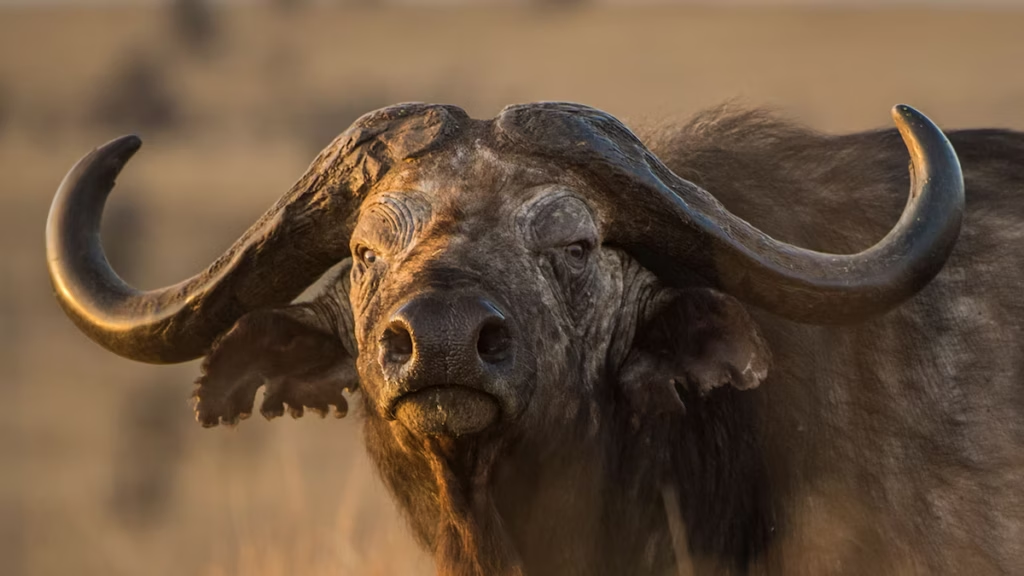
Lake Katwe is part of a larger chain of craters in the Queen Elizabeth National Park. While many visitors come to the park specifically for the big game—lions, elephants, and leopards—the craters offer a different kind of beauty. The park’s geography is diverse. You have the savannah plains, the wetlands of the Kazinga Channel, the forests of Kyambura Gorge, and the crater lakes. Katwe sits on the edge of the park. It is perfectly positioned for a morning or afternoon activity. Many of our guests combine a visit to the salt lake with a game drive. Imagine spending your morning watching elephants cross the road and your afternoon learning about the traditional salt mining process. This variety is what makes a safari in Uganda so special. The location of Lake Katwe also allows for interesting wildlife spotting. While animals do not drink from the saline waters of Lake Katwe, you can often see birds like flamingos (in some seasons) and other waterfowl around the edges. The drive to the lake also offers great chances to see kob, buffalo, and other plains game in the surrounding park areas. The drive itself is an adventure, taking you through the heart of the crater region. The winding roads provide stunning vistas at every turn. Adira Safaris plans these itineraries carefully to maximize your time. We want you to see the best of the park, and including a cultural stop at Katwe adds a vital human element to your wildlife-focused safari.
Responsible Tourism at Katwe
At Adira Safaris, we believe strongly in responsible tourism. We want our visits to benefit the local community. When you tour Lake Katwe, the entrance fees and guide tips go directly back into the community. This support is crucial for local families. We encourage our guests to be mindful of this impact. Ask your guide about the best way to support the community. Buying salt or crafts directly from the artisans is a great way to do this. We also promote the “leave no trace” principle. Please keep the paths clean. Do not throw any trash into the salt pans or the lake. The environment is fragile, and the salt is a food product for many people. Respect the workspace of the miners. Do not touch their equipment without asking, and always yield the path to workers carrying heavy loads of salt. Your respectful behaviour ensures that the community continues to welcome tourists. We want this interaction to be positive for everyone involved. Cultural sensitivity goes a long way. When you interact with the local people, a smile and a polite greeting are always appreciated. You will find the people of Katwe to be warm, friendly, and proud of their lake. They enjoy sharing their stories with visitors who show a genuine interest in their lives. By being a respectful guest, you ensure that tourism remains a sustainable and helpful force for the region.
Best Time to Visit and Logistics
The best time to visit Lake Katwe generally aligns with the dry seasons in Uganda. These are usually December to February and June to August. During the dry season, evaporation rates are higher, which means more salt forms in the pans. This makes the mining process more active and the scenery more dramatic, with bright white salt visible everywhere. However, the lake is accessible year-round. If you travel during the rainy season, you might see fewer miners working, but the landscape is greener, and the crater views are often clearer after the rain washes the dust from the air. For your visit, comfort is key. The area can be quite hot, especially in the crater basin where the breeze is limited. Wear light, breathable clothing. Sturdy, closed-toe sandals or water shoes are best for walking on the muddy paths between the pans. Don’t forget your camera, but bring a protective bag to keep the salt dust away from your lens. Logistics-wise, Lake Katwe is easily accessible from the main safari camps in Queen Elizabeth National Park. We typically include it as a half-day excursion. You do not need to spend the whole day there, leaving plenty of time for other park activities. We arrange all transport and local guides, so you don’t have to worry about the details. We recommend visiting in the cooler parts of the day, either early morning or late afternoon, to avoid the midday heat. This also gives you the best lighting for photography.
Comparing Katwe to Other Ugandan Attractions
You might wonder how a salt lake compares to the other amazing things to see in Uganda. Uganda is famous for its mountain gorillas, chimpanzees, and the source of the Nile. These are incredible “bucket-list” experiences. However, Lake Katwe offers something entirely different. It is a “grounding” experience. While tracking gorillas requires a high level of physical fitness and a significant budget, a visit to Lake Katwe is accessible and affordable. It provides a look into the “real” Uganda, beyond the wildlife and the luxury lodges. It is a place where you see human ingenuity at work in the face of harsh conditions. Many of our clients find that the most memorable moments of their trip are not the ones they expected. They often talk about the time they spent talking to a salt miner or learning how the evaporation process works. It connects them to the culture of the country in a way that observing animals from a vehicle cannot. We suggest viewing it as a balance to your trip. Spend your intense wildlife days in the national parks, but make sure to carve out time for the cultural experiences like Katwe. It rounds out the journey and gives you a holistic view of Uganda. It is the perfect blend of geography, history, and culture that makes for a deeply satisfying travel itinerary.
Frequently Asked Questions About Katwe Salt Lake
Is it safe to visit Lake Katwe?
Yes, visiting Katwe is safe. It is a well-established tourist site within the Queen Elizabeth National Park area. You will be accompanied by professional guides who know the area and the people well. We prioritize safety in all our tours.
Can I swim in the lake?
No, swimming is not recommended or allowed. The water is extremely salty, and the environment is a working industrial site. It is meant for observation and cultural learning, not for recreational swimming.
Do I need to be fit to visit the salt pans?
The visit involves some walking on uneven ground. You will need to descend and ascend the crater rim. While it is not a strenuous hike, it does require moderate mobility. Let us know in advance if you have any mobility concerns, and we will adjust the tour to suit your needs.
What should I bring on the tour?
Bring water, sunscreen, a hat, and sunglasses. Wear comfortable, durable footwear that can handle mud. A camera is a must. If you plan to buy salt, bring some small denominations of local currency.
How much time should I spend at the lake?
A visit typically takes between 1.5 to 3 hours. This allows enough time to walk the paths, meet the miners, take photos, and ask questions without feeling rushed.
Can I buy salt there?
Yes, you can buy salt directly from the miners. It is a great way to support the local economy. Make sure to check with your guide about the different grades of salt available.
Is photography allowed?
Photography is highly encouraged. The landscape is unique, and the miners are generally happy to have their photos taken if you ask politely. Always show respect for their work while capturing your images.
Final Thoughts from Adira Safaris
Lake Katwe is a hidden gem in Uganda’s tourism crown. It offers a powerful blend of natural beauty and human resilience. By stepping into this crater, you are not just a spectator; you are a participant in a story that has been unfolding for centuries. At Adira Safaris, we are passionate about showing you the authentic side of Africa. We want you to leave Uganda with more than just photos of lions and elephants. We want you to leave with an understanding of the people, their traditions, and their way of life. The Katwe Salt Lake tour is one of the most effective ways to achieve this. It challenges your perceptions and leaves you with a deep appreciation for the ingenuity of the local community. We invite you to join us on this journey. Let us take you beyond the savannah and into the heart of the crater. Discover the secrets of the salt miners, witness the beauty of the landscape, and connect with the spirit of Uganda. When you book with Adira Safaris, you choose a partner dedicated to professional, responsible, and memorable travel. We handle the logistics, ensure your safety, and provide the expert knowledge that turns a simple tour into an unforgettable adventure. We look forward to welcoming you to the magnificent Lake Katwe.