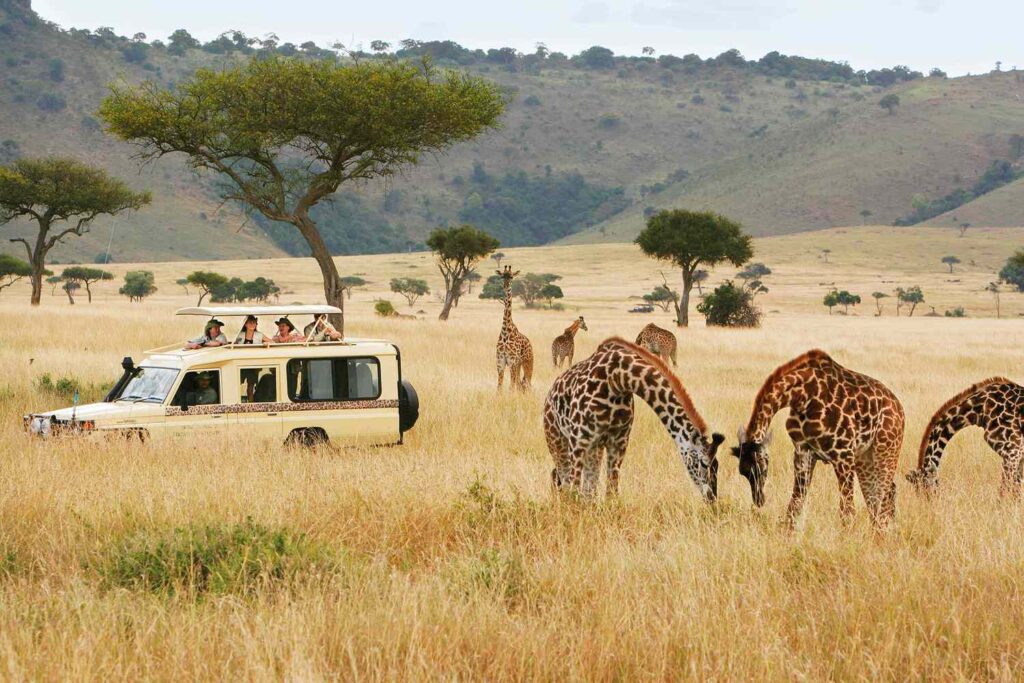


Why the Other 7 National Parks in Uganda Lack Giraffes
April 29, 2026
Katunguru Bridge in Queen Elizabeth National park
April 30, 2026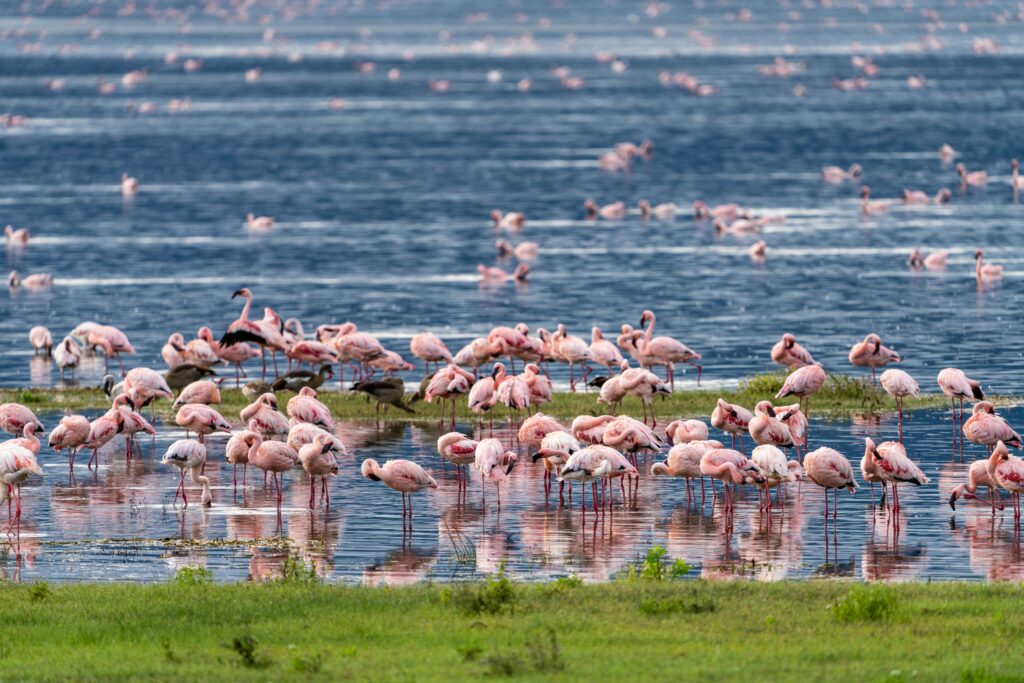
Crater Lake Flamingos in Queen Elizabeth National Park
Lake Bunyampaka offers one of the most surprising and short-lived wildlife spectacles in Queen Elizabeth National Park. For most of the year, this crater lake appears quiet and still. Its waters hold high levels of salinity. Its shores remain largely untouched by typical wildlife activity. Yet for about three weeks each year, the lake transforms into a vibrant pink scene. Thousands of flamingos arrive and cover its surface in color.
This transformation attracts attention from birdwatchers, photographers, and safari travelers. The sudden change creates a striking contrast against the surrounding dry landscape. It turns an otherwise calm crater into a dynamic and colorful ecosystem. The phenomenon does not last long. Timing plays a key role for those who want to witness it.
Lake Bunyampaka sits within the Katwe crater field. This area features several volcanic craters formed thousands of years ago. Each crater lake holds unique chemical properties. Bunyampaka stands out due to its high salinity and mineral content. These conditions create a specific environment that attracts flamingos at certain times.
The event remains seasonal and unpredictable to some extent. However, patterns have emerged over the years. These help guides and researchers anticipate the arrival of flamingos. Understanding why the lake turns pink adds depth to the experience. It reveals the delicate balance of ecology, climate, and bird migration.
Why Lake Bunyampaka Turns Pink
The pink color at Lake Bunyampaka does not come from the water itself. It comes from the presence of thousands of flamingos gathering in one place. These birds feed on microscopic organisms that thrive in the lake’s salty environment.
Flamingos consume algae and small invertebrates. Many of these organisms contain pigments known as carotenoids. These pigments give flamingos their pink coloration. When large numbers of birds gather, their combined color creates the illusion of a pink lake.
The lake’s chemistry plays a key role in this process. High salinity levels support the growth of specific algae species. These algae flourish under the right conditions. When food becomes abundant, flamingos migrate to the lake in search of feeding grounds.
This concentration of birds only lasts for a short period. Changes in water levels, temperature, or food supply can cause flamingos to move on. As a result, the lake returns to its usual appearance once the birds leave.
The pink transformation reflects a natural cycle. It depends on environmental conditions rather than human influence. This makes each occurrence unique and unpredictable. Visitors who witness it experience a rare moment in nature.
The Flamingo Migration and Timing
Flamingos do not stay permanently at Lake Bunyampaka. They move between different lakes across East Africa in search of ideal feeding conditions. These movements depend on water levels, salinity, and food availability.
During certain times of the year, Bunyampaka provides the right balance. The lake becomes rich in algae and microorganisms. This attracts flamingos in large numbers. The birds gather quickly and form dense flocks across the water.
The peak period usually lasts about three weeks. During this time, the lake appears almost completely pink. The intensity of the color depends on the number of birds present. The more flamingos arrive, the stronger the visual effect becomes.
After this period, conditions begin to change. Food sources may decline, or water chemistry may shift. Flamingos respond by moving to other lakes in the region. This cycle continues throughout the year as birds follow changing conditions.
Timing a visit requires local knowledge. Guides monitor bird movements and environmental changes. They help visitors plan trips during the peak period. Even with planning, the experience remains partly unpredictable. This adds to its uniqueness and appeal.
The Unique Ecosystem of Lake Bunyampaka
Lake Bunyampaka supports a specialized ecosystem shaped by its chemical composition. The lake contains high levels of salt and minerals. These conditions limit the types of organisms that can survive.
Despite this, certain algae and microorganisms thrive here. These form the base of the food chain for flamingos. The lake becomes a feeding hotspot when these organisms multiply. This triggers the arrival of large flocks.
The surrounding crater landscape adds to the uniqueness of the area. Dry, rocky terrain contrasts with the water below. Vegetation remains sparse due to the soil composition. This creates an open environment that allows clear views of the lake.
Other wildlife appears less frequently around the lake. Most animals avoid highly saline water. However, the area still supports birdlife beyond flamingos. Some species adapt to the harsh conditions and contribute to the ecosystem.
This specialized environment highlights the diversity within Queen Elizabeth National Park. It shows how different habitats can exist within a single protected area. Each habitat supports unique forms of life.
Wildlife and Birdwatching Opportunities
The flamingo event at Lake Bunyampaka creates exceptional opportunities for birdwatching. Visitors can observe large flocks feeding, resting, and moving across the water. The sight of thousands of birds in one place leaves a lasting impression.
Photographers find the scene especially rewarding. The pink coloration contrasts with the blue sky and earthy tones of the crater. This creates striking images. Early morning and late afternoon provide the best lighting conditions.
Beyond flamingos, the area supports other bird species. Some waterbirds and migratory species visit the crater lakes. These add variety to the birdwatching experience. Observers can spot different behaviors and interactions within the ecosystem.
The surrounding regions of Queen Elizabeth National Park offer additional wildlife viewing. Visitors can combine a crater lake visit with game drives. This allows them to experience both birdlife and large mammals in one trip.
The short duration of the flamingo event makes it even more special. Visitors who arrive at the right time enjoy a rare and unforgettable spectacle.
The Role of Conservation and Management
The protection of Lake Bunyampaka falls under the responsibility of Uganda Wildlife Authority. This organization manages the park and ensures that sensitive ecosystems remain protected.
The flamingo phenomenon depends on natural conditions. Human interference can disrupt this balance. Authorities regulate access to the area to minimize disturbance. Visitors must follow guidelines during their visit.
Conservation efforts focus on preserving water quality and habitat integrity. This ensures that algae and microorganisms can thrive. It also supports the conditions needed for flamingo migration.
Tourism plays a supportive role in conservation. Revenue from park visits funds protection efforts. It also supports local communities and park management.
Education remains a key part of the experience. Guides explain the importance of the crater lake ecosystem. They help visitors understand the factors that influence flamingo presence. This creates awareness and encourages responsible tourism.
Best Time to Visit and Travel Tips
Planning a visit to Lake Bunyampaka requires attention to timing. The flamingo event occurs for about three weeks each year. Exact dates vary depending on environmental conditions.
The dry seasons often provide better chances of access. Roads remain more manageable, and visibility improves. However, flamingo presence depends more on food availability than weather alone.
Visitors should work with experienced guides. These professionals track flamingo movements and advise on the best time to visit. Flexibility in travel plans increases the chances of witnessing the event.
Early morning visits offer calm conditions and good lighting. Late afternoon also provides excellent opportunities for photography. Visitors should carry binoculars and cameras to fully enjoy the experience.
Combining the crater lake visit with other activities in Queen Elizabeth National Park enhances the trip. Game drives, boat cruises, and birdwatching tours create a well-rounded safari.
Conclusion: A Rare Natural Spectacle
Lake Bunyampaka presents one of the most unique and fleeting wildlife experiences in Queen Elizabeth National Park. For a brief period each year, the lake transforms into a vibrant pink scene. Thousands of flamingos gather to feed in its mineral-rich waters.
This phenomenon highlights the connection between environment and wildlife. It shows how small changes in conditions can create dramatic effects. The event remains natural, seasonal, and unpredictable. This makes it even more special.
Visitors who witness the transformation gain a deeper appreciation for nature’s complexity. They see how ecosystems function and how species adapt to changing conditions. The experience goes beyond visual beauty. It becomes educational and meaningful.
Adira Safaris Africa invites you to explore this remarkable spectacle. Plan your visit carefully. Work with knowledgeable guides. And take the opportunity to witness Lake Bunyampaka at its most vibrant.
The three weeks when the lake turns pink offer a rare window into the wonders of the natural world. It stands as a reminder of the beauty and diversity found within Uganda’s protected landscapes