
Crater Lake Flamingos in Queen Elizabeth National Park
April 30, 2026
Lion Tracking Collars in Queen Elizabeth National Park
April 30, 2026
Katunguru Bridge in Queen Elizabeth National park
Katunguru Bridge stands as one of the most strategic and fascinating features within Queen Elizabeth National Park. Many visitors cross this bridge without fully understanding its significance. Yet, it forms a vital connection between two major sectors of the park. It also creates what many guides describe as “a park inside the park.”
Katunguru Bridge spans the Kazinga Channel. This natural waterway links Lake Edward to Lake George. The bridge connects the Mweya Peninsula to the Kasenyi plains. These are two of the most active wildlife zones in the park. As a result, the bridge sits at the heart of game viewing routes.
The phrase “this park is inside the park” reflects the richness of the Katunguru area. Wildlife density, scenic beauty, and ecological diversity all concentrate around this crossing. Visitors often experience some of the best sightings near the bridge and its surroundings. This makes it more than just infrastructure. It becomes a destination in its own right.
The location also serves practical and logistical purposes. It allows smooth movement between different regions of the park. Tourists, researchers, and rangers rely on it daily. Without it, access between key sectors would take much longer.
Katunguru Bridge combines function with experience. It offers stunning views, easy access, and consistent wildlife encounters. This makes it a central feature of any safari in Queen Elizabeth National Park.
The Strategic Importance of Katunguru Bridge
Katunguru Bridge plays a critical role in the overall structure of Queen Elizabeth National Park. The park covers a vast area with varied landscapes. These include savannah plains, wetlands, crater lakes, and forest patches. Moving efficiently between these areas requires well-placed access points.
The bridge provides a direct route between the northern Kasenyi sector and the southern Mweya Peninsula. Kasenyi is known for open plains and large herds of wildlife. Mweya offers riverine environments and luxury lodges. By linking these zones, the bridge allows visitors to explore diverse habitats within a short time.
This connection improves safari planning. Guides can design routes that maximize wildlife sightings. Tourists can experience different ecosystems in a single day. This adds value to every game drive.
The bridge also supports park operations. Rangers use it to patrol and monitor wildlife. Researchers depend on it to access study areas. It helps ensure that conservation work runs smoothly across the park.
From a tourism perspective, the bridge reduces travel time. Visitors spend less time driving long detours. Instead, they focus on game viewing and photography. This enhances the overall safari experience.
Katunguru Bridge does not just connect land. It connects experiences. It allows visitors to see the full diversity of Queen Elizabeth National Park without unnecessary delays.
Why It Is Called “A Park Inside the Park”
The area surrounding Katunguru Bridge earns the description “a park inside the park” because of its exceptional concentration of wildlife and scenery. Few locations in Queen Elizabeth National Park offer such a complete safari experience within a relatively small radius.
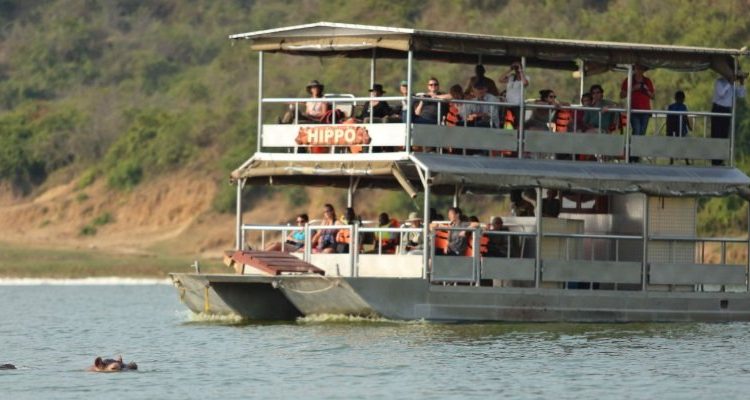
The Kazinga Channel below the bridge attracts animals throughout the day. Elephants, buffaloes, and antelopes gather along the water’s edge. Hippos fill the channel in large numbers. Crocodiles rest along the banks. Birdlife thrives in this environment, with numerous species visible from both the bridge and nearby tracks.
The surrounding plains add another layer of richness. Lions hunt in the Kasenyi sector. Leopards move through the nearby vegetation. Herds of Uganda kob graze in open areas. This combination creates a dynamic ecosystem that supports predators and prey alike.
Visitors often encounter multiple species within a short distance. This density of wildlife gives the feeling of a self-contained safari zone. It feels like a smaller park within the larger landscape.
The scenic beauty also enhances this impression. The bridge offers views of water, savannah, and distant hills. Sunrises and sunsets create dramatic lighting across the channel. These moments leave lasting impressions on visitors.
This unique combination of wildlife, scenery, and accessibility defines the “park inside the park” concept. It captures the essence of what makes this location so special.
Wildlife Experiences Around Katunguru Bridge
Wildlife viewing around Katunguru Bridge ranks among the best in Queen Elizabeth National Park. The area supports a wide range of species due to its diverse habitats.
The Kazinga Channel serves as a lifeline for many animals. Water remains available throughout the year. This attracts wildlife even during dry periods. Visitors often see elephants drinking or bathing near the channel. Buffaloes gather in large groups along the banks.
Hippos dominate the water. They appear in large pods and remain active throughout the day. Crocodiles lie still along the shoreline, waiting for prey. These sightings offer excellent opportunities for photography.
Birdwatchers find this area especially rewarding. The channel supports numerous bird species. These include fish eagles, kingfishers, and pelicans. The mix of water and vegetation creates ideal conditions for birdlife.
The nearby Kasenyi plains add classic savannah wildlife. Lions frequently hunt here, especially in the early morning. Uganda kob serve as their main prey. This increases the chances of witnessing predator activity.
Game drives around the bridge often produce consistent sightings. The concentration of animals reduces the need for long searches. This makes the experience efficient and enjoyable.
Every visit offers something different. Seasonal changes influence animal behavior and movement. This keeps the experience fresh and exciting for returning visitors.
The Role of Katunguru Bridge in Safari Circuits
Katunguru Bridge plays a central role in safari planning within Queen Elizabeth National Park. Tour operators design routes that pass through this key crossing. It acts as a natural junction for multiple activities.
Morning game drives often begin in the Kasenyi plains. After exploring this area, guides cross the bridge toward Mweya. This allows visitors to transition from open savannah to riverine landscapes. The change in scenery adds variety to the experience.
Boat cruises along the Kazinga Channel also start near this area. Visitors can combine a game drive with a boat safari in a single day. This creates a well-rounded itinerary.
The bridge supports smooth transitions between different lodges. Many accommodations lie on either side of the channel. Guests can move between them without long detours. This improves convenience and comfort.
For photographers, the bridge offers strategic viewpoints. It provides elevated perspectives of the channel and surrounding areas. This helps capture wide-angle shots and wildlife activity below.
The bridge simplifies logistics while enhancing the safari experience. It allows visitors to cover more ground efficiently. This makes it an essential part of any visit to Queen Elizabeth National Park.
Scenic Views and Photography Opportunities
Katunguru Bridge offers some of the most scenic views in Queen Elizabeth National Park. The combination of water, wildlife, and landscape creates ideal conditions for photography.
From the bridge, visitors can look down onto the Kazinga Channel. Hippos often cluster in the water below. Birds move across the surface or rest along the banks. This creates dynamic scenes that change throughout the day.
The surrounding plains stretch into the distance. Wildlife appears against a backdrop of open savannah and distant hills. This adds depth and scale to photographs.
Light plays a key role in this setting. Early morning and late afternoon provide the best conditions. Soft light enhances colors and reduces harsh shadows. Sunsets over the channel create dramatic silhouettes and reflections.
Photographers can capture both wide landscapes and detailed wildlife shots. The variety of subjects keeps the experience engaging. Each visit offers new opportunities to create unique images.
Even casual visitors appreciate the beauty of this location. The views alone justify a stop at the bridge. It serves as both a functional crossing and a scenic highlight.
Conservation and Management Around the Bridge
The area around Katunguru Bridge falls under the management of Uganda Wildlife Authority. This organization ensures that tourism and conservation remain balanced.
Rangers monitor wildlife activity in the area. They manage traffic and enforce park rules. This helps protect both animals and visitors. Controlled access prevents overcrowding and disturbance.
The bridge itself requires regular maintenance. Authorities ensure that it remains safe and functional. This supports both tourism and conservation operations.
Education forms part of the management approach. Guides explain the importance of the area to visitors. They encourage responsible behavior during game drives and stops at the bridge.
The presence of tourists also supports conservation efforts. Revenue from park fees contributes to wildlife protection. It funds patrols, research, and community projects.
By maintaining this balance, authorities preserve the unique character of the Katunguru area. They ensure that it continues to offer exceptional experiences while protecting its natural resources.
Conclusion: The Heart of Queen Elizabeth National Park
Katunguru Bridge stands at the center of Queen Elizabeth National Park both geographically and experientially. It connects key of the park while offering one of the richest wildlife environments in Uganda.
The concept of “a park inside the park” reflects the density and diversity found around this location. Visitors encounter a wide range of species within a compact area. They also enjoy stunning views and easy access to major attractions.
The bridge enhances every aspect of a safari. It improves movement, increases wildlife sightings, and adds scenic value. It supports both tourism and conservation in a meaningful way.
Adira Safaris Africa invites you to explore this remarkable location. Cross Katunguru Bridge and discover why it holds such a special place in Queen Elizabeth National Park. Experience the wildlife, the landscapes, and the unique atmosphere that define this “park inside the park.”
Every journey through this area tells a story. It reveals the beauty and complexity of one of Africa’s most celebrated national parks