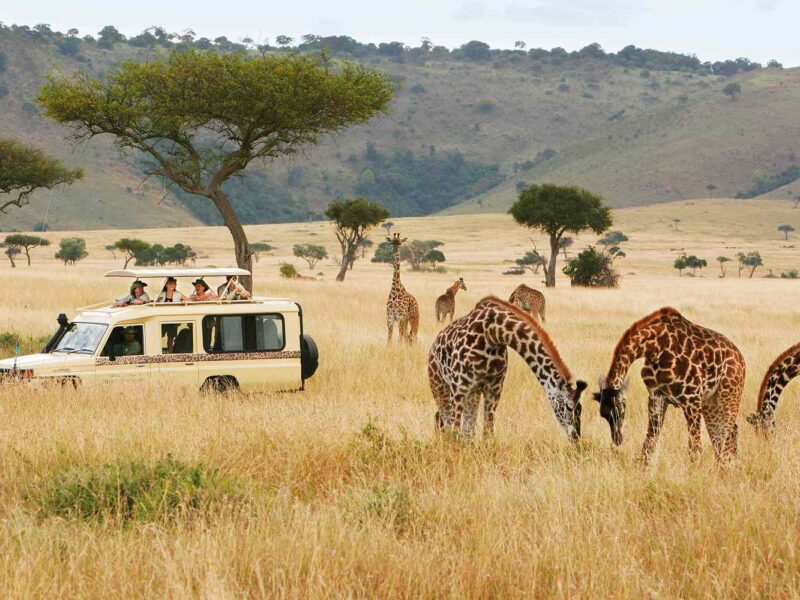
Giraffes in Lake Mburo National Park
April 29, 2026
Crater Lake Flamingos in Queen Elizabeth National Park
April 30, 2026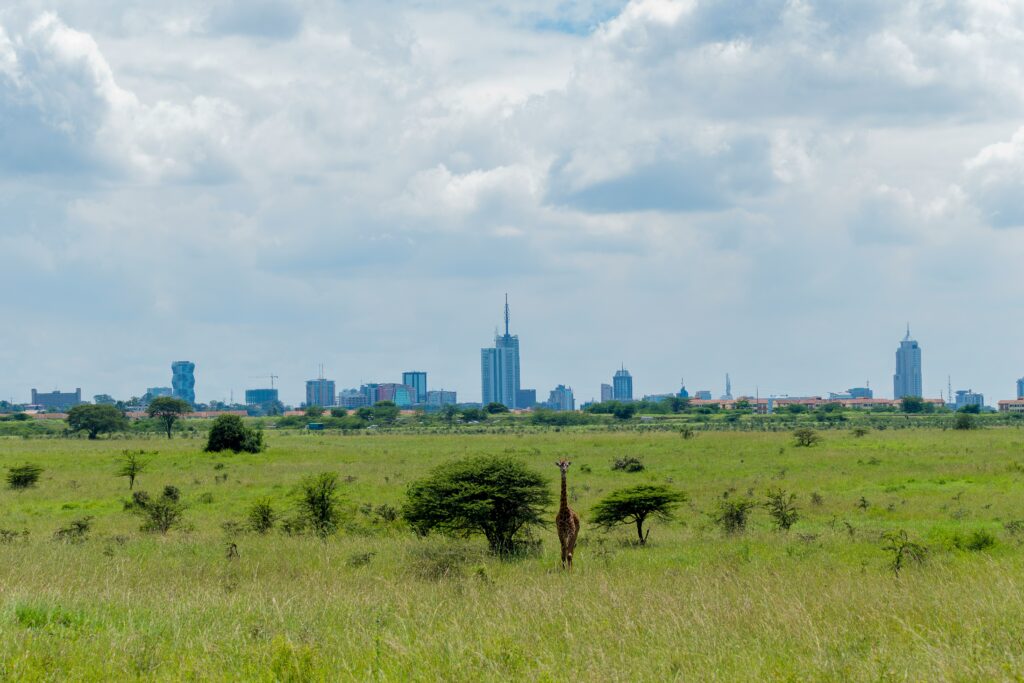
Why the Other 7 National Parks in Uganda Lack Giraffes
Uganda is one of Africa’s most rewarding safari destinations. The country has a rich network of national parks that protect wildlife, forests, wetlands, mountains, lakes, and savannah landscapes. However, giraffes live in only three national parks in Uganda. These are Murchison Falls National Park, Kidepo Valley National Park, and Lake Mburo National Park. The other seven national parks do not have giraffes. Many travelers often ask why this happens, especially because Uganda is famous for wildlife diversity.
The main reason is habitat suitability. Giraffes need wide savannah landscapes, open grasslands, scattered trees, and enough space to move freely. They are large browsing animals that feed mainly on leaves, shoots, flowers, and seed pods from trees such as acacia. They also depend on open visibility to detect predators and move in comfort. Parks with limited open plains, dense forests, swamps, steep mountains, or thick woodland do not provide the best natural conditions for giraffes.
The other seven national parks in Uganda mostly consist of wetlands, tropical forests, mountain terrain, crater landscapes, thick woodland, or water-based ecosystems. These habitats support many amazing species, but they are not ideal for giraffes. Each park has its own ecological strengths and wildlife specialties. Some protect gorillas and chimpanzees. Others are famous for tree-climbing lions, birds, elephants, or rare antelope. The absence of giraffes does not reduce their importance. It simply reflects how wildlife species match specific habitats.
Understanding why giraffes live in some parks and not others helps travelers appreciate Uganda’s ecological diversity. Every national park has unique landscapes and animals. Giraffes thrive where savannah and vast land dominate. In contrast, wetlands, forests, and rugged terrain favor very different wildlife communities.
This article explains in detail why the other seven parks in Uganda lack giraffes. It focuses on habitat needs, land type, vegetation, movement patterns, and conservation planning. It also shows why each park remains valuable even without giraffes.
Giraffes Need Savannah Areas and Vast Lands
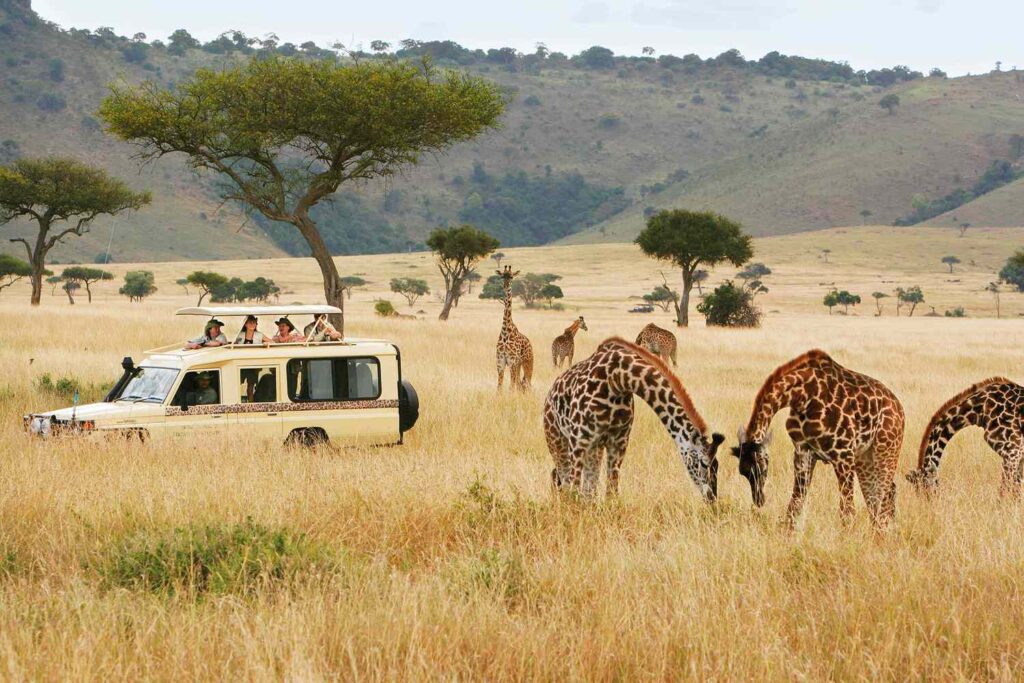
Giraffes are strongly linked to savannah ecosystems. They thrive in open landscapes with scattered trees, shrubs, and broad movement space. This is one of the main reasons they occur in only a few Ugandan parks. Savannah areas provide food, visibility, and room to roam. Without these features, giraffes struggle to live naturally.
A giraffe’s height offers many advantages in open country. It allows the animal to browse on leaves high above the ground and to watch for predators over long distances. In dense forests or thick wetlands, this advantage becomes less useful. Trees may be too closely packed, vegetation may be tangled, and movement may become difficult. Giraffes prefer landscapes where they can walk long distances with ease.
Vast land is also important because giraffes move regularly in search of food. They browse different trees and shrubs across wide home ranges. Large open parks allow this natural movement. They also reduce competition for food and space. When land becomes narrow, fragmented, or heavily wooded, giraffes may not find enough suitable browsing zones.
Savannah parks such as Murchison Falls, Kidepo Valley, and Lake Mburo provide this ideal mix. They contain open plains, woodland edges, acacia zones, and enough area for stable giraffe populations. These habitats support breeding groups and healthy movement patterns.
The other seven parks in Uganda mostly lack these open savannah conditions. Many are dominated by wetlands, forests, mountain slopes, river systems, or dense vegetation. While such ecosystems are excellent for many animals, they do not meet the key ecological needs of giraffes.
This is why habitat type matters more than park number or size alone. A park may be large and famous, yet still not suit giraffes if the landscape is wrong. Giraffes need savannah areas and vast lands first. Where those conditions do not exist, giraffes usually do not occur naturally.
Wetland-Dominated Parks Do Not Suit Giraffes
Some of Uganda’s national parks contain large wetland systems, swamps, floodplains, lakeshores, and water channels. These ecosystems are highly productive and rich in biodiversity. They support hippos, crocodiles, waterbirds, fish, amphibians, and grazing mammals. However, wetlands do not offer the best environment for giraffes.
Giraffes are tall land mammals that move best on dry and firm ground. Wet soils, marshy edges, and seasonally flooded zones can limit their movement. Their long legs are useful for walking open plains, but wetlands may create unstable footing and difficult travel routes. Frequent flooding can also reduce access to browsing trees in some areas.
Wetland vegetation differs from classic giraffe habitat. Many swamp systems favor reeds, grasses, aquatic plants, and moisture-loving shrubs. Giraffes depend more on woody browse from scattered savannah trees such as acacia and other dryland species. Where wetland plants dominate, food quality and availability for giraffes may be lower.
Parks with large water-based ecosystems often support species that are better adapted to those conditions. Hippos spend much of their time in water. Antelope such as sitatunga prefer swamp cover. Waterbirds nest and feed in marsh zones. These animals fit the habitat naturally.
This explains why wetland-heavy parks may lack giraffes even when wildlife is abundant. It is not because giraffes are excluded by management. It is because the habitat strongly favors other species.
Uganda’s park system benefits from this diversity. Wetland parks protect birds, aquatic life, and unique mammals, while savannah parks support giraffes and plains wildlife. Each habitat has its own conservation value. Giraffes simply belong more naturally to dry open landscapes than to wetland ecosystems.
Woodland, Forest, and Mountain Parks Limit Giraffe Presence
Many of the seven parks without giraffes are covered by thick woodland, tropical forest, or mountainous terrain. These landscapes are spectacular and biologically rich, but they create challenges for giraffes.
Dense woodland can restrict visibility. Giraffes rely on sight to detect predators and navigate space. In tightly packed vegetation, movement becomes slower and less efficient. Feeding may also become harder if branches are crowded or if preferred browse species are limited.
Forest parks such as those known for gorillas and chimpanzees are even less suitable. Tropical forests have closed canopies, steep trails, vines, undergrowth, and limited open space. These habitats support primates, forest elephants, birds, and many smaller mammals. They do not match the movement style of giraffes.
Mountain parks present another challenge. Steep slopes, volcanic ridges, rocky terrain, and cooler elevations are not ideal for giraffe movement or feeding patterns. Giraffes can handle uneven ground in some areas, but extensive rugged terrain reduces habitat quality. They are more efficient in plains and gentle rolling savannah.
This is why parks famous for gorilla trekking, chimpanzee encounters, crater landscapes, or alpine scenery do not naturally host giraffes. Their ecological strengths lie elsewhere. They protect species that depend on forests, altitude, or dense cover.
Rather than seeing this as a limitation, it is better to see it as specialization. Uganda offers travelers many ecosystems in one country. Some parks are for gorillas. Some are for chimpanzees. Some are for birds. Some are for classic savannah game viewing. Giraffes belong mainly to the last category.
Conservation Planning and Species Suitability Matter
Wildlife authorities do not place large animals randomly into parks. Conservation planning considers habitat quality, carrying capacity, food supply, water access, disease risk, tourism value, and long-term sustainability. This is another reason the other seven parks lack giraffes.
Introducing giraffes into an unsuitable habitat could create welfare and management problems. If food trees are limited, giraffes may overbrowse vegetation or struggle nutritionally. If terrain blocks movement, injuries or stress could increase. If space is too small, population growth becomes difficult to manage.
Good conservation aims to match species with landscapes where they can thrive naturally. Uganda’s giraffe populations in Murchison Falls, Kidepo Valley, and Lake Mburo show this principle in action. These parks provide open ground, browse plants, and enough range space.
Meanwhile, the other parks focus on protecting species already suited to their environments. Forest parks prioritize primates and forest biodiversity. Wetland systems protect aquatic life and birds. Mixed woodland parks support elephants, buffaloes, antelope, and predators depending on habitat type.
This targeted planning creates stronger ecosystems overall. Instead of forcing one species into every park, management allows each protected area to support the wildlife it can sustain best.
Travelers often appreciate this once they understand it. You do not visit every park for the same animal. You visit each park for what makes it exceptional. That diversity is one of Uganda’s greatest tourism strengths.
Why the Other Seven Parks Are Still Exceptional
The absence of giraffes does not mean the other seven parks are less important. In fact, many are world-famous for species and landscapes that giraffe parks do not offer.
Some parks protect endangered mountain gorillas. Others offer chimpanzee trekking, crater lakes, giant forest trees, rare birds, tree-climbing lions, dramatic waterfalls, alpine scenery, or remote wilderness experiences. Each park adds something unique to Uganda’s safari portfolio.
This variety benefits travelers. A visitor can combine savannah game drives with gorilla trekking, birding, nature walks, cultural encounters, and boat safaris in one country. Few destinations offer such range.
For photographers, every ecosystem creates different moods and opportunities. Forest mist, mountain views, lake reflections, golden plains, and wetland sunsets all tell different stories. For conservationists, ecosystem diversity means stronger protection for many species, not only the famous ones.
So while only three parks host giraffes, all ten national parks contribute to Uganda’s reputation as the Pearl of Africa.
Conclusion
The other seven national parks in Uganda lack giraffes mainly because giraffes need savannah areas and vast lands, while many of those parks are mostly wetlands, woodlands, forests, mountains, or mixed ecosystems. Giraffes depend on open visibility, wide movement space, and suitable browsing trees. Where these features are limited, giraffes do not naturally thrive.
This does not reduce the value of those parks. Instead, it highlights Uganda’s remarkable ecological diversity. Each park protects wildlife suited to its own environment. Some excel in primates, others in birds, predators, or scenic beauty.
At Adira Safaris Africa, we help travelers choose the right parks based on the wildlife and experiences they want most. If giraffes are on your wish list, we guide you to the best destinations. If you want broader adventure, we design journeys that combine several parks into one unforgettable Uganda safari