
Night Monkey Safari in Rwanda
May 16, 2026
Wildlife in Gishwati-Mukura National Park
May 16, 2026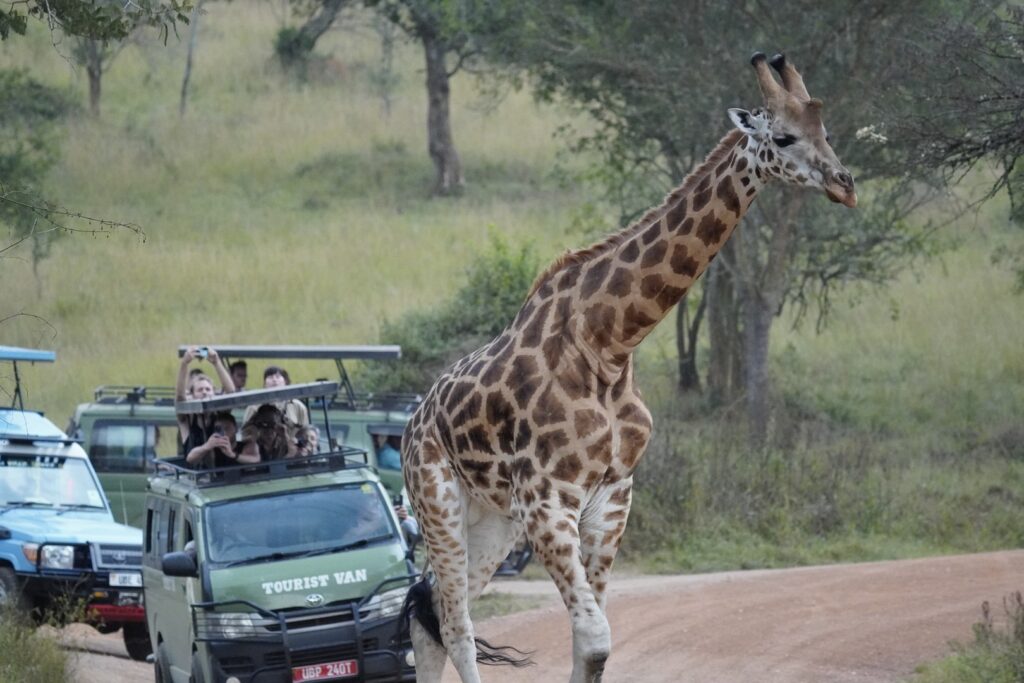
Wildlife in Akagera National Park
Akagera National Park is one of the most impressive wildlife destinations in East Africa. The park lies in the eastern region of Rwanda near the border with Tanzania. Akagera National Park covers a vast area filled with savannah plains, rolling hills, woodlands, wetlands, and lakes. These habitats support a wide range of wildlife species and make the park Rwanda’s only savannah national park. Travelers who visit Akagera enjoy unforgettable game drives, boat safaris, birdwatching tours, and guided nature walks.
The national park takes its name from the Akagera River, which flows along the eastern boundary of the protected area. The river feeds several lakes and wetlands within the park, creating ideal conditions for both land and aquatic wildlife. Akagera National Park has become famous for hosting the Big Five animals, including lions, leopards, elephants, rhinos, and buffaloes. The successful conservation programs in the park helped restore these iconic species and increased the number of wildlife sightings for tourists.
Wildlife in Akagera National Park continues to grow because of strong conservation efforts and sustainable tourism management. The Rwanda Development Board and conservation partners improved security within the park through anti-poaching operations and habitat restoration programs. These efforts transformed Akagera into one of Africa’s leading wildlife conservation success stories.
The park now attracts travelers from around the world who seek authentic African safari experiences. Visitors enjoy viewing wildlife against the backdrop of beautiful landscapes and peaceful lakes. Akagera National Park offers a completely different safari experience from Rwanda’s mountain gorilla trekking destinations. The open savannah allows travelers to observe large herds of animals and predators in their natural environment.
Wildlife safaris in Akagera National Park combine adventure, nature, and conservation. The park remains one of the best places in Rwanda for travelers who want to experience rich biodiversity and classic African wildlife encounters.
Big Five Animals in Akagera National Park
Akagera National Park proudly hosts the famous Big Five animals. These species include lions, leopards, elephants, rhinos, and buffaloes. The presence of the Big Five transformed the park into one of the top safari destinations in East Africa. Travelers visiting Rwanda can now enjoy traditional African game viewing experiences within this beautiful conservation area.
Lions remain one of the biggest attractions in the park. Conservation authorities reintroduced lions into Akagera National Park after many years of local extinction. Since their return, the lion population has increased steadily. Visitors regularly spot lions resting under trees, walking through grasslands, or hunting prey during early morning and evening game drives. Lions add excitement and adventure to every safari experience in Akagera.
Rhinos also returned successfully to the park through major conservation projects. Both black rhinos and southern white rhinos now live within Akagera National Park. Rangers monitor these endangered animals closely to ensure their safety and protection. Rhino sightings provide unforgettable moments for wildlife lovers and photographers exploring the park.
African elephants move freely through Akagera’s savannah plains and woodlands. Visitors often encounter elephant herds near lakes, swamps, and grassy areas. Watching elephants feed, interact, and protect their young creates memorable safari experiences. Their large size and social behavior fascinate many travelers visiting Rwanda.
Buffaloes also thrive in the park. Large herds roam across open plains and wetlands searching for fresh grass and water. These powerful animals play an important role in the ecosystem and support predator populations within the park.
Leopards complete the Big Five list in Akagera National Park. These elusive cats remain difficult to spot because they prefer dense vegetation and nighttime activity. However, experienced guides often help visitors locate leopards resting in trees or moving quietly through the bush.
The Big Five make Akagera National Park a complete safari destination for travelers seeking thrilling wildlife experiences in Rwanda.
Herbivores and Grazing Animals in Akagera National Park
Akagera National Park supports large populations of herbivores that shape the park’s ecosystem and attract predators. The park’s grasslands, woodlands, and wetlands provide abundant food and water for grazing animals throughout the year. Visitors enjoy viewing these animals during game drives and boat safaris across the park.
Giraffes stand among the most graceful animals in Akagera National Park. Their long necks allow them to feed on leaves from tall acacia trees across the savannah. Giraffes often move in small groups through open plains, creating excellent photography opportunities for tourists. Their calm movements and unique appearance make them favorite safari animals for many travelers.
Zebras also thrive within the park’s savannah environment. Their black-and-white striped bodies create beautiful scenes against the golden grasslands. Zebras usually graze in groups and remain alert to nearby predators. Visitors frequently encounter zebras alongside antelopes and buffaloes during game drives.
Akagera National Park hosts several antelope species, including impalas, topis, waterbucks, elands, bushbucks, and oribis. Impalas remain among the most common animals in the park. These elegant antelopes gather in large herds across open plains and move quickly when threatened by predators. Topis often occupy grassy areas and wetlands, while bushbucks prefer thicker vegetation and forest edges.
Waterbucks stay close to rivers and lakes because they depend heavily on water sources. Their shaggy coats and strong bodies help them survive in wetland habitats. Elands, the largest antelope species in Africa, also roam the park’s savannah landscapes. These giant antelopes impress visitors with their size and strength.
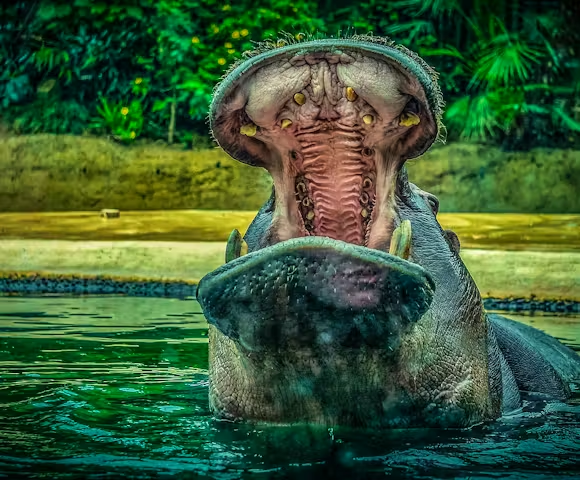
Hippos form another important group of herbivores in Akagera National Park. Many hippos live in Lake Ihema and other water bodies within the park. During the day, they remain in water to stay cool before grazing on grass during the night.
The rich variety of herbivores in Akagera National Park supports a healthy ecosystem and creates outstanding wildlife viewing opportunities for travelers exploring Rwanda.
Predators and Carnivores in Akagera National Park
Predators play an important role in maintaining ecological balance within Akagera National Park. The park supports several carnivore species that hunt herbivores and help regulate wildlife populations. Watching predators in the wild creates some of the most exciting moments during a safari in Rwanda.
Lions remain the top predators in Akagera National Park. Their successful reintroduction restored balance within the ecosystem and improved tourism in the park. Visitors often spot lions resting under trees during hot afternoons or moving through grasslands during cooler hours. Early morning and evening game drives offer the best chances for lion sightings because lions become more active during these periods.
Leopards also inhabit the park’s woodlands and rocky areas. These solitary cats prefer dense vegetation where they can hide easily while stalking prey. Leopards mainly hunt at night, making them more difficult to observe during daytime game drives. However, experienced safari guides know areas where leopards frequently appear and help visitors increase their chances of sightings.
Spotted hyenas also thrive in Akagera National Park. These intelligent predators hunt cooperatively and scavenge leftover prey from larger carnivores. Hyenas usually become active after sunset, although visitors sometimes encounter them during the day. Their loud calls often echo across the savannah during nighttime hours.
The park also supports smaller carnivores such as serval cats, civets, genets, mongooses, and jackals. Serval cats hunt rodents within tall grass near wetlands, while jackals search for small prey and carrion in open plains. Civets and genets mostly appear during night drives because of their nocturnal behavior.
Predator sightings create unforgettable safari memories because they showcase the natural beauty and survival instincts of African wildlife. Visitors enjoy watching carnivores hunt, communicate, and interact with their environment. These experiences make Akagera National Park one of the best wildlife safari destinations in Rwanda.
Birdlife in Akagera National Park
Akagera National Park ranks among the top birdwatching destinations in Africa. The park hosts more than 500 bird species across its wetlands, lakes, forests, and savannah landscapes. This rich bird diversity attracts birdwatchers, photographers, and nature lovers from around the world.
The famous shoebill stork remains one of the most sought-after bird species in Akagera National Park. This rare bird inhabits papyrus swamps and wetland areas near the park’s lakes. Its prehistoric appearance and large bill make it one of Africa’s most fascinating birds. Spotting a shoebill during a safari becomes a major highlight for many visitors.
African fish eagles also dominate the lakeshores and waterways within the park. Their loud calls echo across the water while they search for fish near the surface. Visitors frequently observe these majestic birds during boat safaris on Lake Ihema. The sight of an African fish eagle catching fish creates unforgettable wildlife moments.
The wetlands support many other water bird species, including herons, kingfishers, cormorants, pelicans, and African jacanas. Papyrus swamps provide ideal nesting and feeding habitats for these birds. Birdwatchers enjoy exploring these wetland ecosystems because of the large number of species visible in one area.
Savannah and woodland habitats also support colorful birds such as hornbills, bee-eaters, rollers, weavers, and secretary birds. These species add beauty and color to the park’s landscapes. Visitors often encounter birds while driving through grasslands or walking along nature trails.
Migratory birds also visit Akagera National Park during certain seasons, increasing the park’s bird diversity even further. The wetlands provide important feeding grounds and resting places for birds traveling across Africa.
Birdwatching in Akagera National Park complements traditional wildlife safaris and offers travelers a deeper appreciation of Rwanda’s biodiversity. The variety of bird species makes the park an exceptional destination for both experienced birders and casual nature enthusiasts.
Aquatic Wildlife and Wetland Ecosystems
Akagera National Park contains extensive wetlands and several lakes that support rich aquatic ecosystems. These water environments create unique habitats for aquatic wildlife and contribute greatly to the park’s biodiversity. The wetlands also make Akagera different from many other African savannah parks.
Lake Ihema remains the largest lake within the national park and serves as one of the best places for aquatic wildlife viewing. Boat safaris on the lake allow visitors to explore calm waters while observing hippos, crocodiles, birds, and animals visiting the shoreline. These boat excursions provide peaceful and scenic safari experiences.
Hippos rank among the most commonly seen aquatic animals in the park. Large groups spend most of the day submerged in water to avoid heat before grazing on nearby grasslands during the night. Their loud sounds and social interactions entertain visitors during boat cruises.
Nile crocodiles also inhabit the lakes and rivers within Akagera National Park. These large reptiles often rest quietly along the shore or float almost completely hidden in the water. Crocodiles play an important role in the aquatic ecosystem as powerful predators.
Wetland areas attract many grazing animals such as elephants, buffaloes, antelopes, and zebras searching for water and fresh vegetation. Predators also patrol these regions because prey animals gather near lakes during dry periods. This creates excellent wildlife viewing opportunities for visitors.
The wetlands support amphibians, fish species, reptiles, and insects that contribute to the park’s food chain. Papyrus swamps provide important habitats for rare birds such as the shoebill stork and African jacana.
Exploring Akagera’s lakes and wetlands gives travelers the opportunity to experience a different side of Rwanda’s wildlife. The combination of aquatic ecosystems and savannah landscapes creates a rich and balanced environment that supports a wide variety of animal species.
Wildlife Safari Activities in Akagera National Park
Akagera National Park offers several safari activities that allow visitors to explore its wildlife and landscapes fully. These activities suit different travel interests and create memorable safari experiences for tourists visiting Rwanda.
Game drives remain the most popular activity in the park. Visitors travel through savannah plains, woodlands, and lakeshores in specially designed safari vehicles accompanied by experienced guides. Morning game drives provide excellent opportunities to see predators returning from nighttime hunting activities. Evening drives also offer exciting wildlife sightings as temperatures cool and animals become more active.
Boat safaris on Lake Ihema provide another unique wildlife experience. Travelers enjoy close views of hippos, crocodiles, elephants, buffaloes, and water birds while cruising peacefully across the lake. The scenic environment and calm atmosphere make boat safaris relaxing and rewarding.
Night game drives allow visitors to search for nocturnal wildlife species such as hyenas, civets, bush babies, and leopards. Guides use spotlights to locate animals hidden in darkness. These night excursions create thrilling safari adventures for travelers interested in nocturnal wildlife.
Guided walking safaris also help visitors connect closely with nature. Rangers lead small groups through selected areas while explaining animal tracks, plants, insects, and ecosystem processes. Walking through the park allows travelers to appreciate smaller details often missed during vehicle safaris.
Birdwatching tours attract travelers interested in Akagera’s rich birdlife. Specialized guides help identify both common and rare species found within wetlands and savannah habitats.
Combining several safari activities gives visitors a complete wildlife experience in Akagera National Park. Each activity reveals different aspects of the park’s biodiversity and natural beauty.
Wildlife Conservation in Akagera National Park
Akagera National Park represents one of Africa’s greatest wildlife conservation success stories. The park once faced severe challenges caused by poaching, habitat destruction, and human-wildlife conflict. Wildlife populations declined greatly during difficult periods in Rwanda’s history. However, strong conservation efforts transformed the park into a thriving safari destination once again.
The Rwanda Development Board partnered with conservation organizations to strengthen wildlife protection and tourism management within the park. Authorities introduced anti-poaching patrols, habitat restoration projects, and modern security systems. These efforts improved animal safety and increased wildlife populations significantly.
The successful reintroduction of lions and rhinos marked important milestones in Akagera’s recovery. These projects restored ecological balance and improved tourism opportunities in Rwanda. Today, visitors enjoy reliable sightings of species that had previously disappeared from the park.
Community involvement also plays a major role in conservation success. Tourism revenue supports local communities through employment, education, healthcare, and infrastructure projects. These benefits encourage communities to support wildlife protection and sustainable tourism practices.
Conservation programs continue to monitor endangered species and maintain healthy ecosystems throughout the park. Rangers use modern technology and regular patrols to protect wildlife and prevent illegal activities.
Akagera National Park now serves as a model for successful conservation in Africa. The park’s growing wildlife populations and thriving tourism industry demonstrate how conservation and community development can work together effectively. Visitors who explore Akagera not only enjoy unforgettable safari experiences but also contribute directly to the preservation of Rwanda’s natural heritage.