
Maasai Mara National Reserve
June 5, 2026
Samburu National Reserve – Kenya’s Untamed Wildlife Paradise
June 6, 2026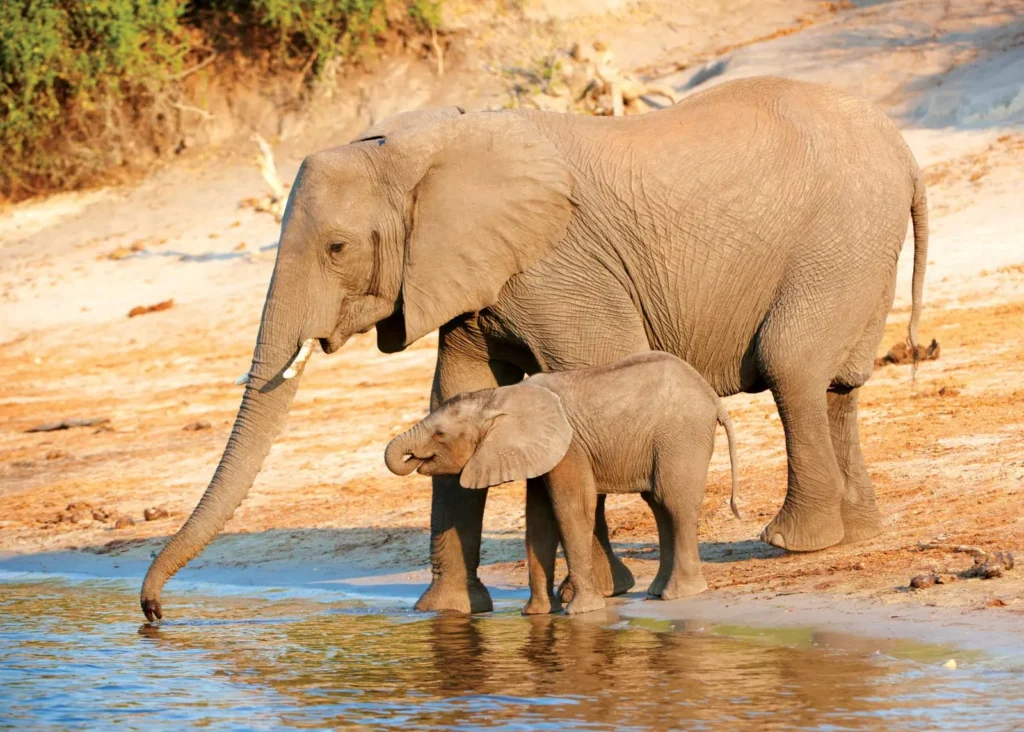
Amboseli National Park
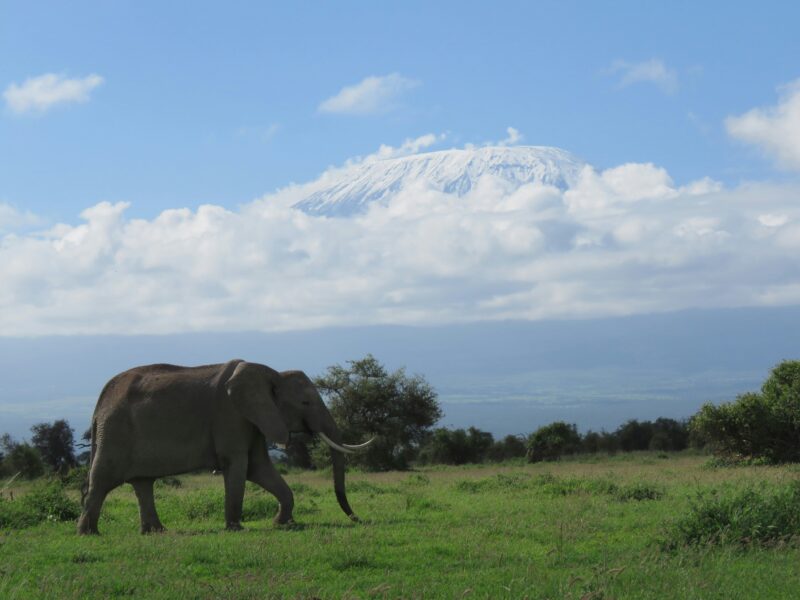
Amboseli National Park is one of Kenya’s most famous tourist destinations and a remarkable wildlife sanctuary that attracts travelers from all parts of the world. Located in the southern region of Kenya near the border with Tanzania, the park covers approximately 392 square kilometers and forms part of a much larger Amboseli ecosystem. The park sits at the foot of the majestic Mount Kilimanjaro, Africa’s highest mountain, creating one of the most iconic safari landscapes on the continent.
Known for its breathtaking scenery, abundant wildlife, and rich cultural heritage, Amboseli National Park offers visitors an unforgettable safari experience. The snow-capped peak of Mount Kilimanjaro provides a stunning backdrop for wildlife photography and sightseeing. This unique combination of wildlife and scenery has made Amboseli one of the most photographed national parks in Africa.
The park features a diverse landscape that includes open plains, acacia woodlands, wetlands, seasonal lakes, and swamps fed by underground water flowing from Mount Kilimanjaro. These permanent water sources support wildlife throughout the year and make the park an excellent destination for game viewing in every season.
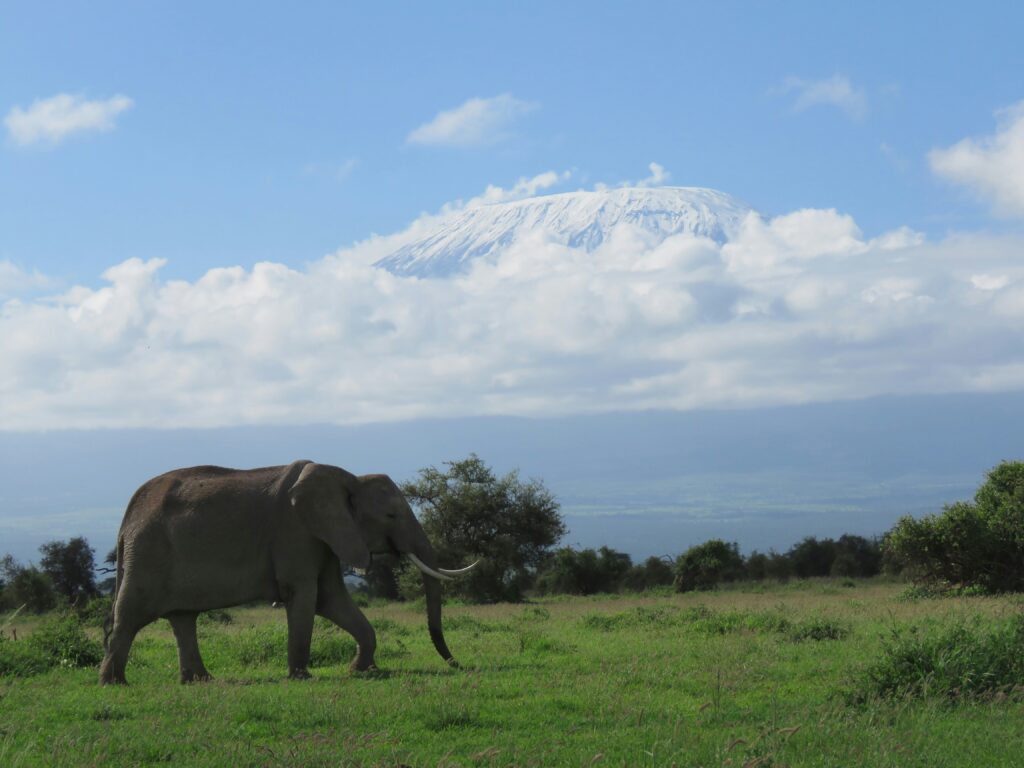
Visitors to Amboseli National Park enjoy close encounters with some of Africa’s most iconic animals. The park is especially famous for its large elephant herds, many of which roam freely across the plains against the spectacular backdrop of Mount Kilimanjaro. Besides wildlife viewing, visitors can enjoy bird watching, nature photography, cultural experiences, and scenic game drives.
Amboseli National Park continues to rank among the top safari destinations in Kenya because it combines thrilling wildlife experiences with some of the most beautiful natural scenery in East Africa. Every visit offers opportunities to explore nature, observe wildlife, and create lasting memories in one of Africa’s most celebrated conservation areas.
The Spectacular Landscape of Amboseli National Park
One of the greatest attractions of Amboseli National Park is its extraordinary landscape. Unlike many other safari destinations, Amboseli offers visitors a unique blend of open savannahs, wetlands, forests, dry lake beds, and panoramic mountain views. The park’s scenery creates a dramatic setting that enhances every safari experience.
The dominant feature of the landscape is Mount Kilimanjaro. Although the mountain stands across the border in Tanzania, it towers above the Amboseli plains and provides breathtaking views, especially during the early morning and late afternoon. On clear days, visitors can see the snow-covered summit rising above the African savannah, creating one of the most recognizable safari scenes in the world.
The park contains extensive grasslands that support large populations of grazing animals. Acacia woodlands provide shelter for numerous wildlife species and contribute to the area’s ecological diversity. Seasonal lakes and dry lake beds add variety to the terrain and attract wildlife during different times of the year.
The wetlands and swamps represent some of the most important habitats within the park. Underground rivers originating from the melting snow and glaciers of Mount Kilimanjaro feed these wetlands throughout the year. As a result, wildlife gathers around these permanent water sources even during dry seasons when other areas experience water shortages.
The diverse habitats support a wide range of plant and animal species. They also create stunning photographic opportunities for visitors. Every corner of the park reveals different landscapes, making each game drive unique and exciting. The combination of wildlife and scenery remains one of the main reasons why Amboseli continues to attract nature lovers, photographers, and safari enthusiasts from around the world.
Wildlife in Amboseli National Park
Amboseli National Park is internationally recognized for its rich wildlife diversity. The park hosts a remarkable concentration of animals and offers some of the best wildlife viewing opportunities in Africa. Its open plains and reliable water sources allow visitors to observe animals throughout the year.
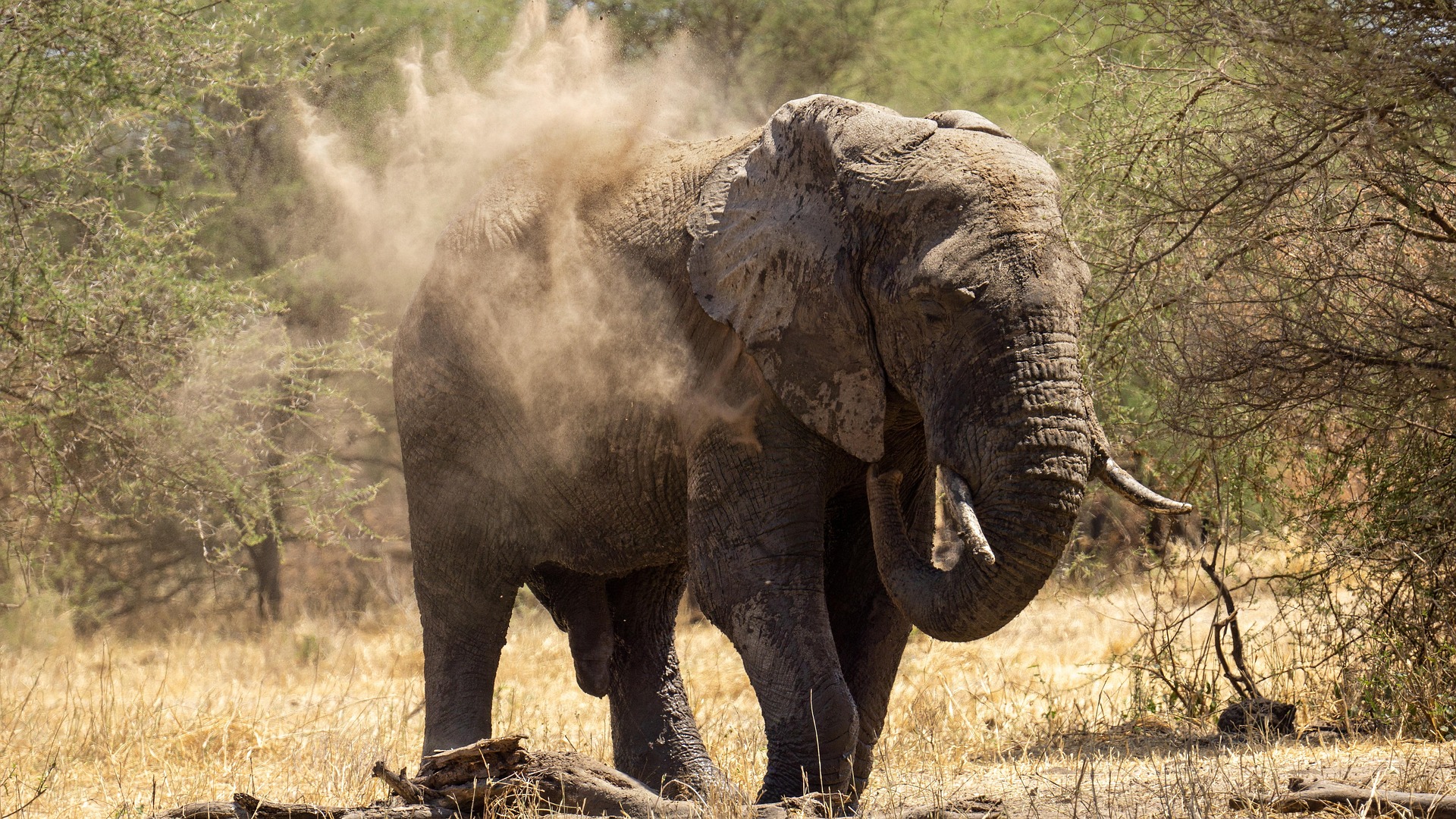
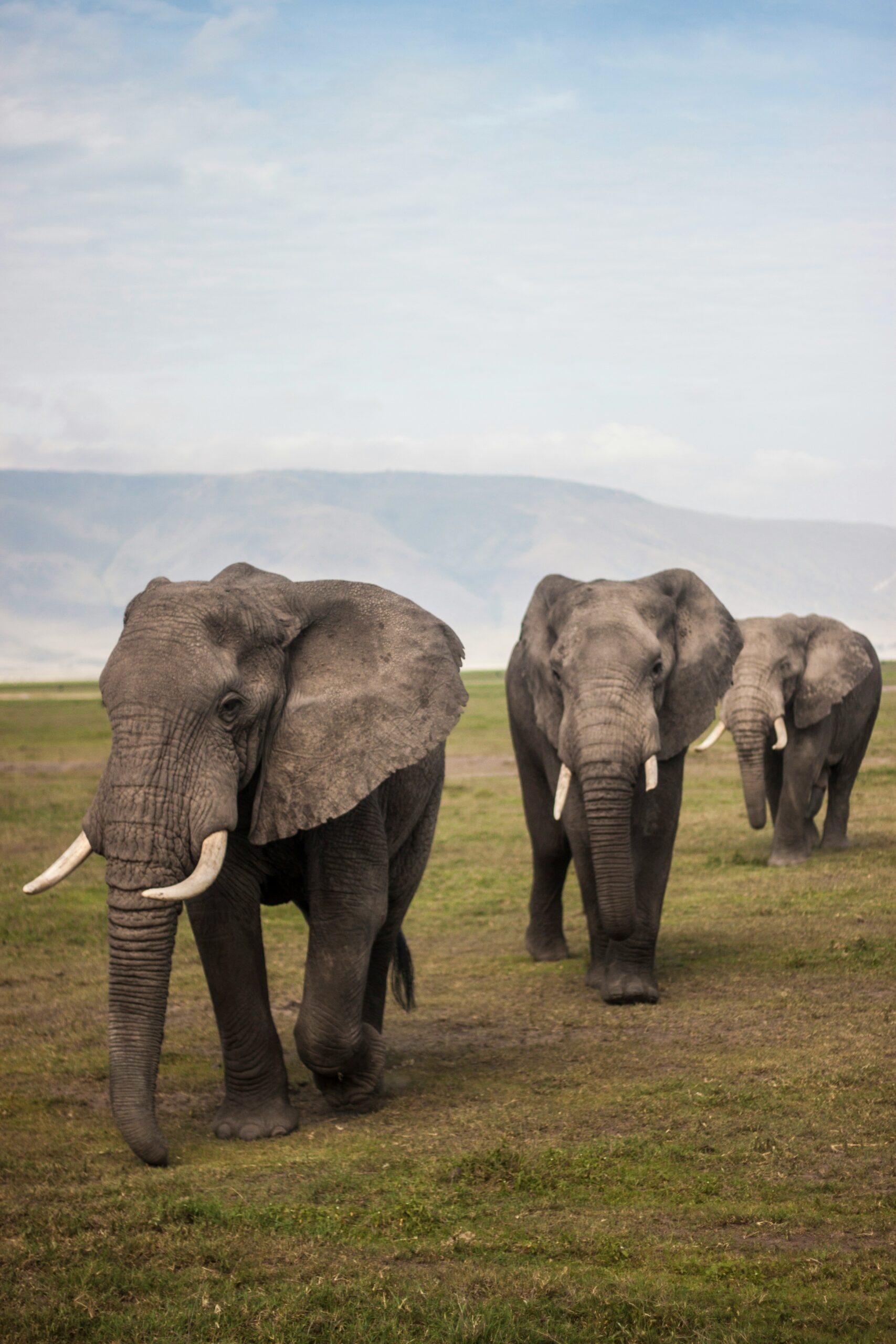
The park is particularly famous for its elephants. Amboseli supports one of Africa’s most studied elephant populations. Visitors often encounter large herds moving across the plains or gathering around wetlands. Many elephants in the park have impressive tusks, making them a favorite subject for wildlife photographers and researchers.
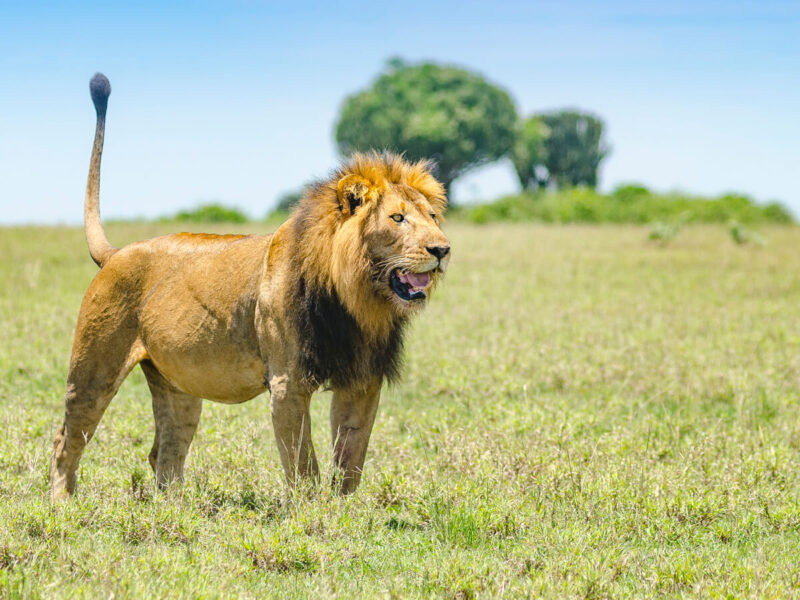
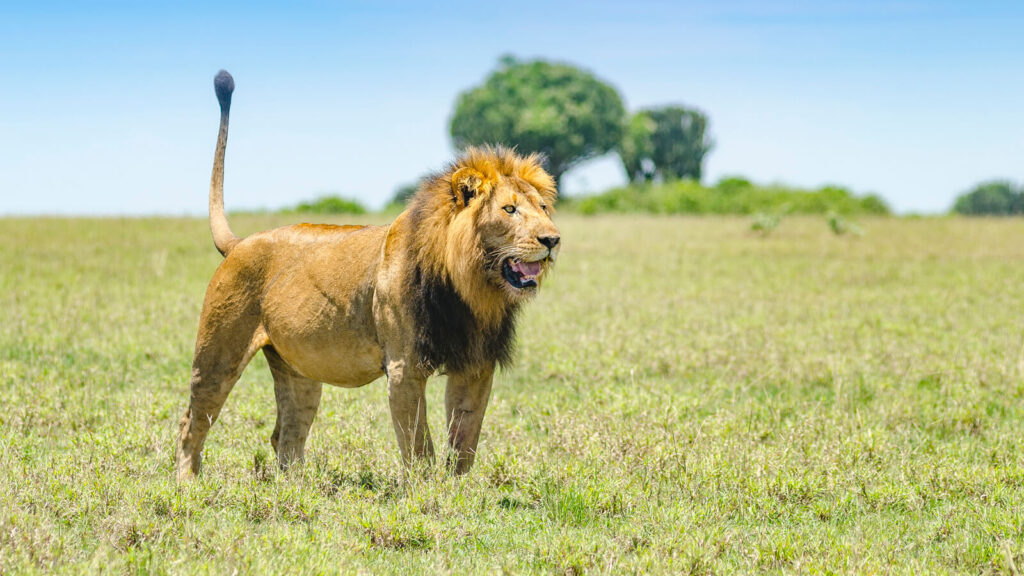
Apart from elephants, the park supports a variety of large mammals. Lions patrol the grasslands in search of prey, while cheetahs use the open terrain to hunt at high speed. Leopards occasionally appear in wooded areas, although they are more elusive than other predators. Spotted hyenas and jackals also contribute to the park’s predator population.
Large herbivores thrive in Amboseli’s productive ecosystem. Visitors regularly spot buffaloes, giraffes, zebras, wildebeests, impalas, gazelles, elands, and warthogs. Hippos inhabit some of the park’s swamps and wetlands, where they spend much of their time submerged in water.
The park also offers opportunities to observe fascinating wildlife behavior. Visitors may witness elephant family interactions, predator hunting strategies, territorial displays, and seasonal animal movements. The open landscape allows excellent visibility, making wildlife observation easier compared to many forested environments.
Game drives in Amboseli provide consistent wildlife sightings throughout the year. This reliability has helped establish the park as one of Kenya’s leading safari destinations. Every safari presents opportunities to encounter both common and rare species in their natural environment.
Elephant Conservation in Amboseli National Park
Amboseli National Park has earned global recognition as one of the best places in Africa to observe elephants. The park plays a significant role in elephant conservation and research. For decades, scientists and conservationists have studied elephant populations within the Amboseli ecosystem to better understand their behavior, social structures, and migration patterns.
The elephants of Amboseli have become famous because many individuals are known and monitored over long periods. Researchers can identify elephants by their tusks, ear patterns, and family associations. This long-term research has generated valuable information about elephant life cycles and social relationships.
Visitors often encounter large elephant families led by experienced matriarchs. These family groups demonstrate strong social bonds and cooperative behavior. Observing elephants in Amboseli provides valuable insights into their intelligence, communication, and family dynamics.
Conservation efforts within the park focus on protecting elephants from threats such as habitat loss, human-wildlife conflict, and poaching. Collaboration between conservation organizations, government agencies, and local communities has contributed significantly to the protection of these magnificent animals.
The success of elephant conservation in Amboseli demonstrates the importance of sustainable wildlife management. Visitors who explore the park not only enjoy exceptional wildlife experiences but also contribute to ongoing conservation initiatives through tourism revenue.
The sight of giant elephants walking beneath the towering presence of Mount Kilimanjaro remains one of Africa’s most iconic wildlife images. It continues to inspire conservation efforts and attract travelers seeking authentic safari experiences.
Bird Watching in Amboseli National Park
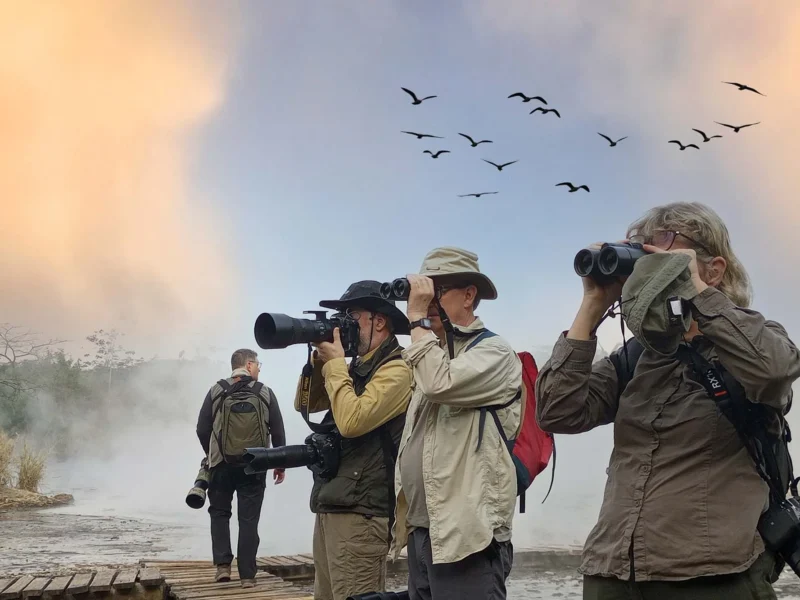
Amboseli National Park is a paradise for bird lovers. The park hosts more than 400 bird species, making it one of Kenya’s top birding destinations. Its wetlands, grasslands, woodlands, and seasonal lakes provide ideal habitats for a diverse range of birdlife.
Bird watchers can observe both resident and migratory species throughout the year. The wetlands attract large water birds such as pelicans, herons, storks, egrets, and flamingos. These species gather around swamps and shallow water bodies where food remains abundant.
Raptors also thrive within the park. Visitors frequently spot African fish eagles, martial eagles, tawny eagles, and secretary birds. These impressive birds of prey add excitement to birding excursions and contribute to the park’s ecological balance.
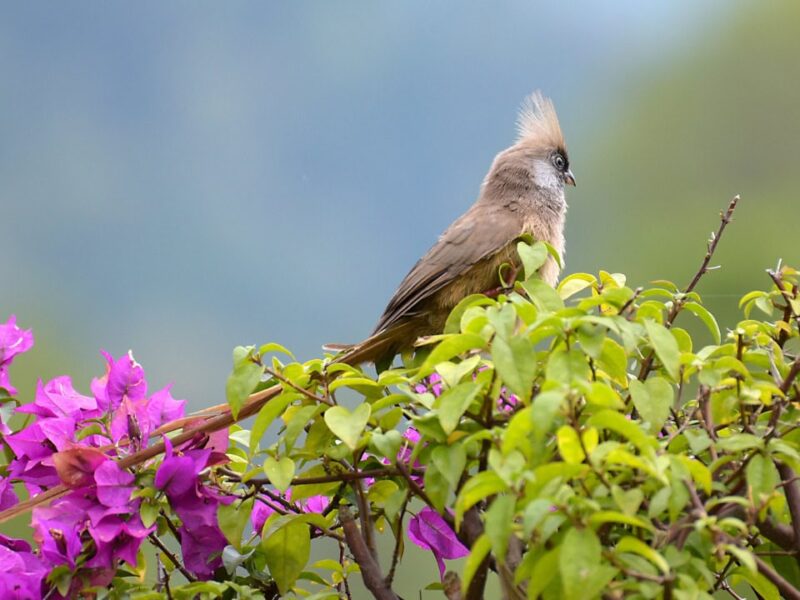
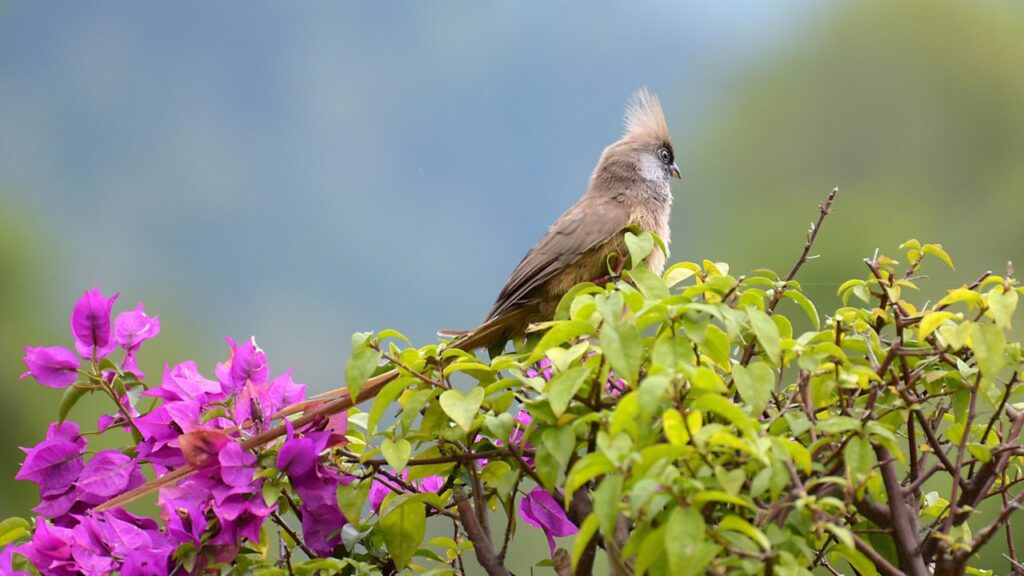
The grasslands support ostriches, guinea fowls, bustards, and numerous smaller species. Colorful kingfishers, bee-eaters, weavers, and sunbirds bring additional beauty to the landscape. Bird photography enthusiasts find countless opportunities to capture stunning images of these species in natural settings.
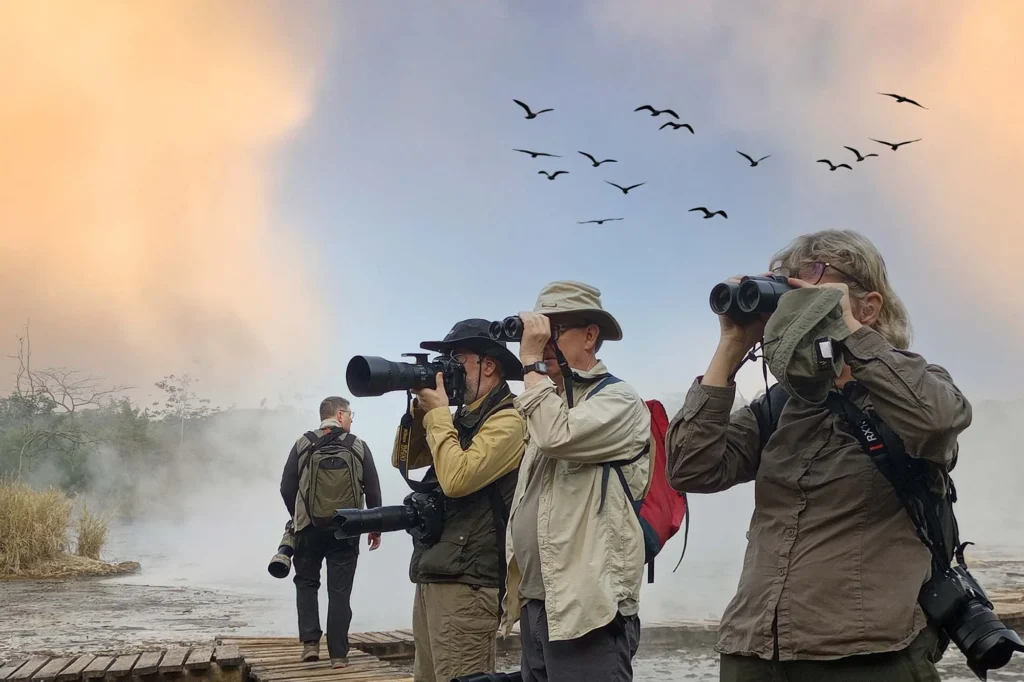
Migratory birds arrive during specific seasons, increasing the park’s already impressive diversity. Professional guides often help visitors identify species and understand their behaviors. Many travelers combine bird watching with traditional game drives to enjoy the full range of Amboseli’s wildlife.
Birding remains productive throughout the year because the park’s permanent water sources support bird populations even during dry periods. This makes Amboseli an excellent destination for both experienced birders and casual wildlife enthusiasts.
Cultural Experiences with the Maasai Community
The area surrounding Amboseli National Park is home to the Maasai people, one of Africa’s most well-known indigenous communities. Cultural visits offer visitors opportunities to learn about Maasai traditions, customs, and lifestyles while gaining a deeper understanding of the relationship between people and wildlife.
Visitors can explore traditional Maasai villages and observe the unique design of local homes known as manyattas. Community members often share stories about their history, cultural practices, and daily lives. Traditional dances and songs provide engaging cultural experiences that showcase the richness of Maasai heritage.
The Maasai have coexisted with wildlife for generations. Their knowledge of the environment and natural resources has contributed significantly to conservation efforts within the Amboseli ecosystem. Learning about their traditional practices helps visitors appreciate the connection between local communities and wildlife conservation.
Local artisans create beautiful beadwork, jewelry, clothing, and handicrafts that visitors can purchase as souvenirs. These purchases support community livelihoods and help preserve traditional skills.
Cultural tourism creates economic opportunities while promoting cultural preservation. It also enriches the safari experience by providing meaningful interactions beyond wildlife viewing. Many visitors consider Maasai cultural encounters among the highlights of their journey to Amboseli.
Safari Activities in Amboseli National Park
Amboseli National Park offers a variety of activities that cater to different interests and travel preferences. Game drives remain the most popular activity. Visitors explore the park in specially designed safari vehicles while searching for wildlife across diverse habitats.
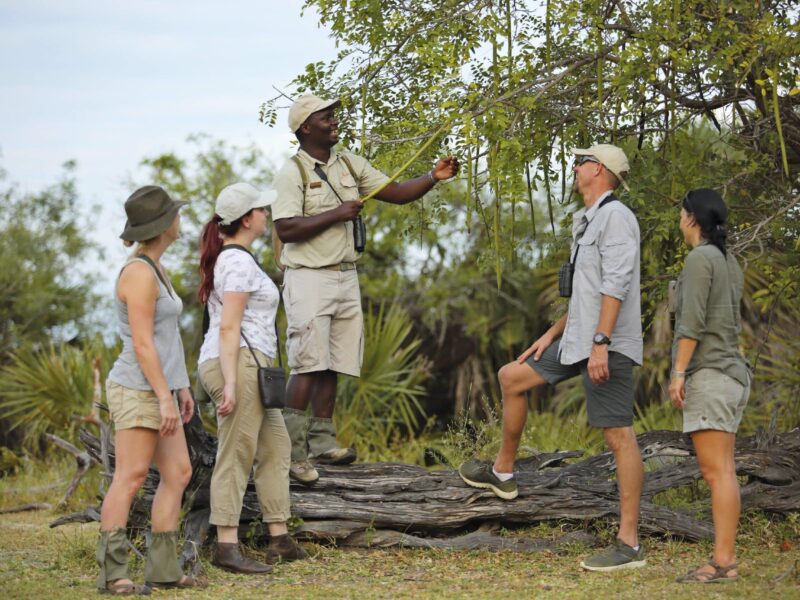
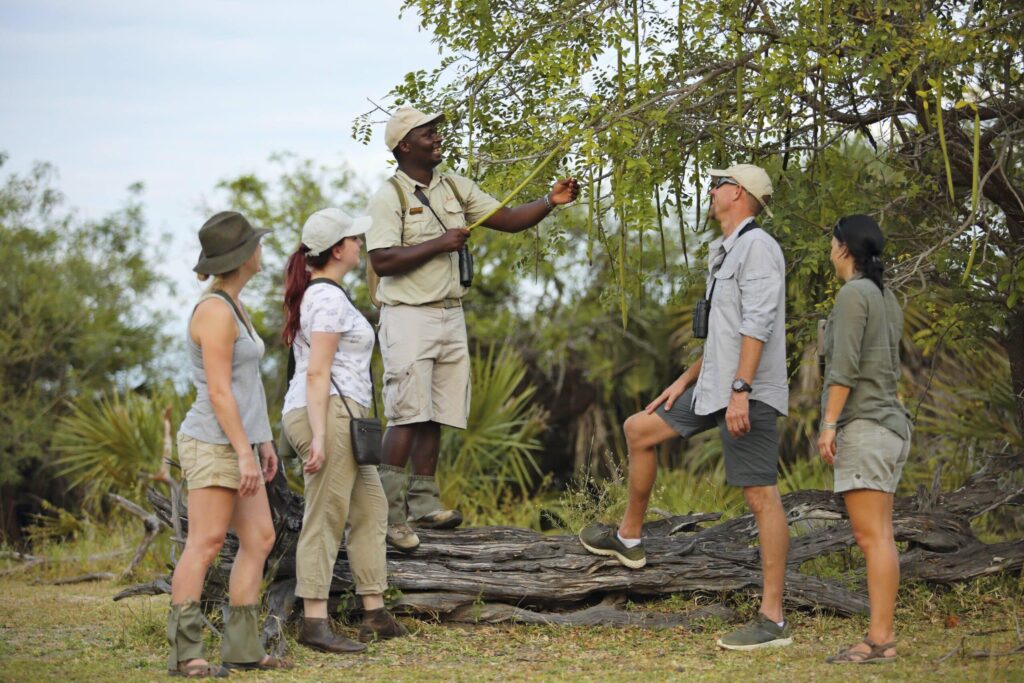
Morning game drives provide excellent opportunities to observe active wildlife and enjoy clear views of Mount Kilimanjaro. Evening drives offer dramatic lighting conditions and increased chances of predator sightings. Professional guides enhance the experience by sharing knowledge about animals, plants, and ecosystems.
Photography safaris attract travelers seeking exceptional wildlife and landscape images. The combination of elephants, open plains, wetlands, and mountain scenery creates ideal photographic conditions.
Bird watching excursions allow visitors to focus on the park’s impressive bird diversity. Nature enthusiasts can spend hours observing water birds, raptors, and migratory species across different habitats.
Cultural visits to Maasai communities provide opportunities for cultural exchange and education. Scenic viewpoints within the park offer breathtaking panoramic views of the surrounding landscape.
These diverse activities ensure that every visitor enjoys a well-rounded safari experience. Whether focusing on wildlife, photography, culture, or nature, Amboseli offers memorable adventures for all travelers.
Best Time to Visit Amboseli National Park
Amboseli National Park welcomes visitors throughout the year. The dry seasons generally provide the best wildlife viewing conditions because animals concentrate around water sources and vegetation becomes less dense.
The months from June to October and January to February are particularly popular among safari travelers. During these periods, game viewing remains excellent and weather conditions are favorable for outdoor activities.
The rainy seasons transform the landscape into a lush green environment. Although some roads may become challenging, the scenery becomes especially beautiful and bird activity increases significantly.
Mount Kilimanjaro often appears most clearly during early mornings after rainy periods. Photographers frequently visit during these times to capture spectacular images of wildlife against the mountain backdrop.
Regardless of the season, Amboseli offers rewarding safari experiences thanks to its permanent wetlands and abundant wildlife populations.
Conclusion
Amboseli National Park stands among Kenya’s most remarkable wildlife destinations. Its breathtaking landscapes, abundant wildlife, thriving birdlife, and rich Maasai culture create an unforgettable safari experience. The park’s world-famous elephant herds and stunning views of Mount Kilimanjaro distinguish it from many other safari destinations in Africa.
Visitors enjoy exceptional game viewing, outstanding photography opportunities, cultural interactions, and year-round wildlife encounters. Every safari reveals the beauty and diversity of one of Kenya’s most treasured conservation areas.
For travelers seeking thrilling nature experiences, unforgettable wildlife encounters, and spectacular scenery, Amboseli National Park remains a perfect destination. It continues to inspire visitors from around the world and serves as a shining example of Kenya’s rich natural heritage.