
Tsavo East and Tsavo West National Parks
June 5, 2026
Amboseli National Park
June 5, 2026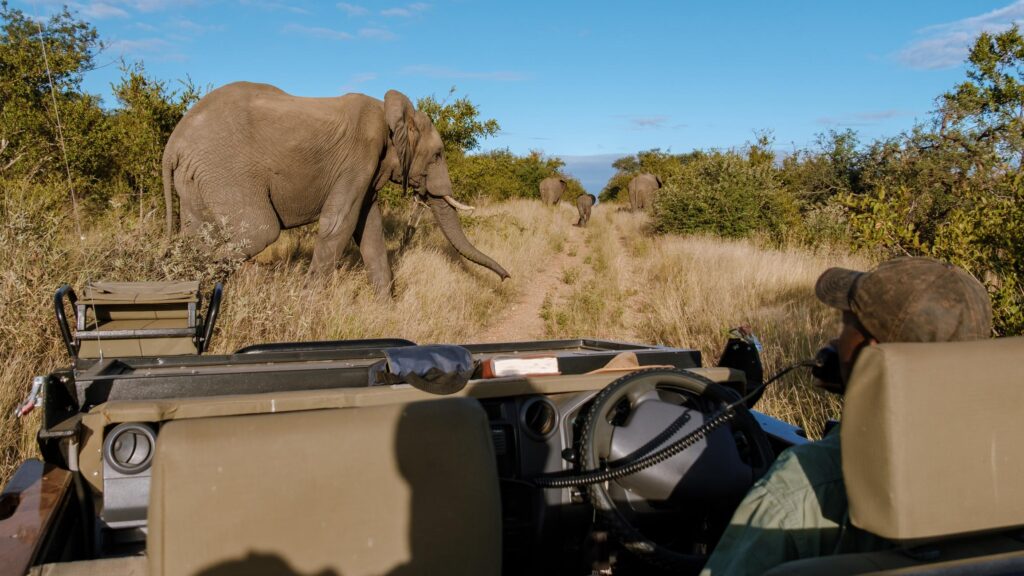
Maasai Mara National Reserve
Maasai Mara National Reserve stands as one of the most famous wildlife destinations in Africa and one of the leading tourist attractions in Kenya. The reserve lies in the southwestern part of Kenya, bordering Tanzania’s renowned Serengeti National Park ecosystem. Maasai Mara covers a vast area of rolling grasslands, acacia-dotted plains, seasonal rivers, and rich wildlife habitats. It attracts thousands of visitors from around the world every year who come to experience authentic African safaris and witness some of the most spectacular wildlife encounters on the continent.
Named after the Maasai people who have lived in the region for centuries, the reserve remains a symbol of Kenya’s rich natural heritage. The word “Mara” means spotted in the Maa language, referring to the scattered trees, shrubs, and cloud shadows that create a spotted appearance across the landscape. The reserve offers breathtaking scenery that combines open savannahs, riverine forests, rocky outcrops, and seasonal wetlands. These diverse habitats support an incredible concentration of wildlife throughout the year.
Maasai Mara National Reserve is best known for its abundant wildlife population. Visitors can encounter large herds of elephants, buffaloes, giraffes, zebras, antelopes, and wildebeests during game drives. The reserve also provides excellent opportunities to spot predators such as lions, leopards, cheetahs, hyenas, and jackals. This remarkable diversity makes Maasai Mara one of the best safari destinations for wildlife enthusiasts, photographers, researchers, and adventure travelers.
The reserve remains a top destination for visitors seeking unforgettable safari experiences. Whether visitors are interested in game drives, bird watching, cultural interactions, photography, or luxury safari adventures, Maasai Mara delivers memorable experiences in one of Africa’s most iconic wilderness areas.
Wildlife in Maasai Mara National Reserve
Wildlife is the main attraction in Maasai Mara National Reserve. The reserve hosts one of the highest concentrations of wild animals in Africa. Its rich grasslands provide abundant food and water resources, allowing wildlife populations to thrive throughout the year. This makes every safari in Maasai Mara rewarding regardless of the season.
The reserve is famous for hosting the Big Five. Visitors regularly encounter lions resting under acacia trees, elephants moving across the plains, buffaloes grazing in large herds, leopards hiding in riverine forests, and rhinos in protected areas. The abundance of these iconic animals attracts wildlife lovers from all corners of the world.
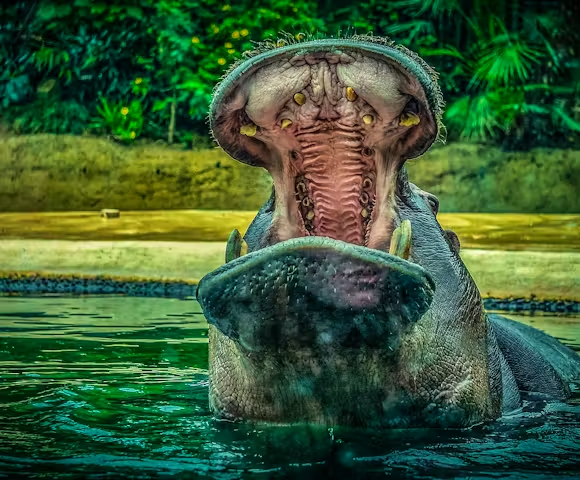
Apart from the Big Five, Maasai Mara supports a wide variety of herbivores. Large populations of zebras, impalas, gazelles, elands, hartebeests, topis, waterbucks, and giraffes roam the open plains. Hippos and crocodiles dominate the Mara River, creating exciting wildlife viewing opportunities along riverbanks. Warthogs, monkeys, baboons, and smaller mammals also contribute to the reserve’s rich biodiversity.
Predators play a crucial role in maintaining the ecological balance of the reserve. Lions are among the most commonly sighted predators and often appear in family groups known as prides. Cheetahs use the open plains to hunt gazelles at high speed, while elusive leopards remain hidden in dense vegetation. Hyenas patrol the landscape both as hunters and scavengers.
Wildlife viewing in Maasai Mara is exceptional because animals remain visible throughout the year. The reserve’s open landscapes allow visitors to observe natural animal behaviors without significant obstruction. Every game drive presents opportunities to witness hunting scenes, animal migrations, territorial displays, and interactions between predators and prey.
The Great Wildebeest Migration
One of the most remarkable wildlife spectacles on earth takes place in Maasai Mara National Reserve. The Great Wildebeest Migration attracts thousands of travelers who visit Kenya specifically to witness this extraordinary natural event. Every year, over 1.5 million wildebeests, accompanied by hundreds of thousands of zebras and gazelles, migrate between the Serengeti and Maasai Mara in search of fresh grazing grounds.
The migration usually reaches Maasai Mara between July and October. During this period, massive herds cross the dangerous Mara River. The river crossings create dramatic scenes as animals navigate strong currents while avoiding giant crocodiles waiting beneath the water. These moments provide some of the most thrilling wildlife experiences available anywhere in the world.
The migration supports numerous predator species. Lions, leopards, cheetahs, and hyenas take advantage of the abundance of prey. Visitors often witness exciting predator-prey interactions during this season. Wildlife photographers especially value this period because it offers incredible opportunities to capture dramatic images.
The migration is not simply a movement of animals. It represents a complex ecological cycle that sustains one of Africa’s most important ecosystems. The movement of millions of herbivores enriches the grasslands and supports countless other species. This phenomenon has earned global recognition as one of the Seven Natural Wonders of Africa.
Travelers planning to witness the migration should book accommodations early because the reserve receives high visitor numbers during peak migration months. Guided game drives offer the best opportunities to locate river crossings and observe the movement of herds across different parts of the reserve.
Bird Watching in Maasai Mara National Reserve
Maasai Mara National Reserve is not only a paradise for wildlife lovers but also a top destination for bird watchers. The reserve supports more than 500 bird species, making it one of Kenya’s leading birding locations. Its diverse habitats provide ideal conditions for both resident and migratory birds.
Bird enthusiasts can observe a wide range of species including eagles, vultures, hawks, hornbills, storks, cranes, kingfishers, and bee-eaters. The reserve’s rivers, wetlands, forests, and grasslands create excellent environments for different bird populations. Large birds such as ostriches roam the plains, while colorful smaller species brighten the landscape.
Raptors are particularly abundant in Maasai Mara. Visitors frequently spot martial eagles, African fish eagles, tawny eagles, and secretary birds. These impressive birds add excitement to safari experiences and provide excellent photography opportunities.
The reserve also attracts migratory birds from Europe, Asia, and other regions during specific seasons. Bird watching remains productive throughout the year, although migratory seasons often bring additional species. Professional birding guides help visitors identify different species and understand their behaviors.
Bird photography has become increasingly popular in Maasai Mara due to the reserve’s rich avian diversity. The combination of open landscapes and abundant birdlife allows photographers to capture stunning images in natural settings. Bird lovers often combine birding activities with traditional game drives to enjoy the full range of the reserve’s biodiversity.
Cultural Experiences with the Maasai Community
A visit to Maasai Mara National Reserve offers more than wildlife viewing. It also provides opportunities to interact with the local Maasai people, one of Africa’s most recognized indigenous communities. The Maasai have preserved their traditions, customs, and lifestyle for generations while maintaining a close relationship with the surrounding environment.
Cultural visits to Maasai villages allow travelers to learn about traditional Maasai life. Visitors can explore traditional homesteads known as manyattas, observe local architecture, and gain insight into daily community activities. Community members often demonstrate traditional dances, songs, and ceremonies that showcase their rich cultural heritage.
The Maasai are renowned for their colorful clothing, intricate beadwork, and strong warrior traditions. Visitors can purchase handmade crafts and souvenirs directly from local artisans. These purchases support community development and help preserve traditional skills.
Cultural experiences create meaningful connections between travelers and local communities. They also provide a deeper understanding of how people and wildlife coexist within the Maasai Mara ecosystem. Many visitors find these interactions as memorable as their wildlife encounters.
Community-based tourism initiatives have generated economic opportunities for local residents while promoting conservation efforts. By participating in cultural tours, visitors contribute directly to sustainable tourism and community empowerment within the region.
Safari Activities in Maasai Mara National Reserve
Maasai Mara National Reserve offers a variety of safari activities that cater to different interests and travel styles. Game drives remain the most popular activity. Professional guides lead visitors through different sections of the reserve in search of wildlife. Morning and evening drives provide excellent opportunities for animal sightings and photography.
Hot air balloon safaris offer a unique perspective of the reserve. Visitors float above the savannah at sunrise and enjoy panoramic views of wildlife, rivers, and rolling grasslands. Balloon safaris often conclude with a bush breakfast in the wilderness, creating an unforgettable experience.
Nature walks in designated areas allow visitors to explore the environment on foot. Guided walks provide opportunities to learn about plants, insects, animal tracks, and ecological relationships that may go unnoticed during vehicle safaris.
Photography safaris attract both amateur and professional photographers. The reserve’s stunning landscapes, abundant wildlife, and dramatic lighting conditions create ideal opportunities for capturing exceptional images. Specialized photography tours often focus on maximizing wildlife viewing and photographic success.
Camping safaris, luxury lodge experiences, bird watching excursions, and cultural visits further enrich the range of activities available. These options ensure that every visitor can tailor their Maasai Mara adventure according to personal interests and preferences.
Best Time to Visit Maasai Mara National Reserve
Maasai Mara National Reserve welcomes visitors throughout the year. Each season offers unique experiences and wildlife viewing opportunities. The dry season, which generally runs from June to October, provides excellent game viewing because animals gather around water sources and vegetation remains shorter.
The migration season from July to October is the most popular period. During these months, visitors have the best chances of witnessing the famous Mara River crossings and large concentrations of wildlife. Accommodation facilities often experience high demand during this period.
The green season, which occurs during the rainy months, transforms the landscape into a lush and vibrant environment. This season attracts fewer tourists and offers excellent bird watching opportunities. Photographers often appreciate the dramatic skies and rich scenery during this time.
Wildlife viewing remains rewarding throughout the year because resident animal populations stay within the reserve regardless of migration patterns. Visitors can enjoy memorable safari experiences in every season depending on their interests and travel goals.
Conclusion
Maasai Mara National Reserve remains one of Africa’s most celebrated safari destinations. Its vast savannahs, exceptional wildlife diversity, rich cultural heritage, and world-famous wildebeest migration create unforgettable experiences for travelers from around the globe. The reserve offers opportunities to observe the Big Five, witness dramatic predator-prey interactions, enjoy bird watching, participate in cultural experiences, and explore breathtaking landscapes.
Whether visiting during the migration season or at any other time of the year, Maasai Mara delivers authentic wildlife encounters and remarkable adventures. Its unique combination of natural beauty and abundant wildlife makes it a must-visit destination for anyone seeking a genuine African safari experience