
Amboseli National Park
June 5, 2026
Aberdare National Park
June 6, 2026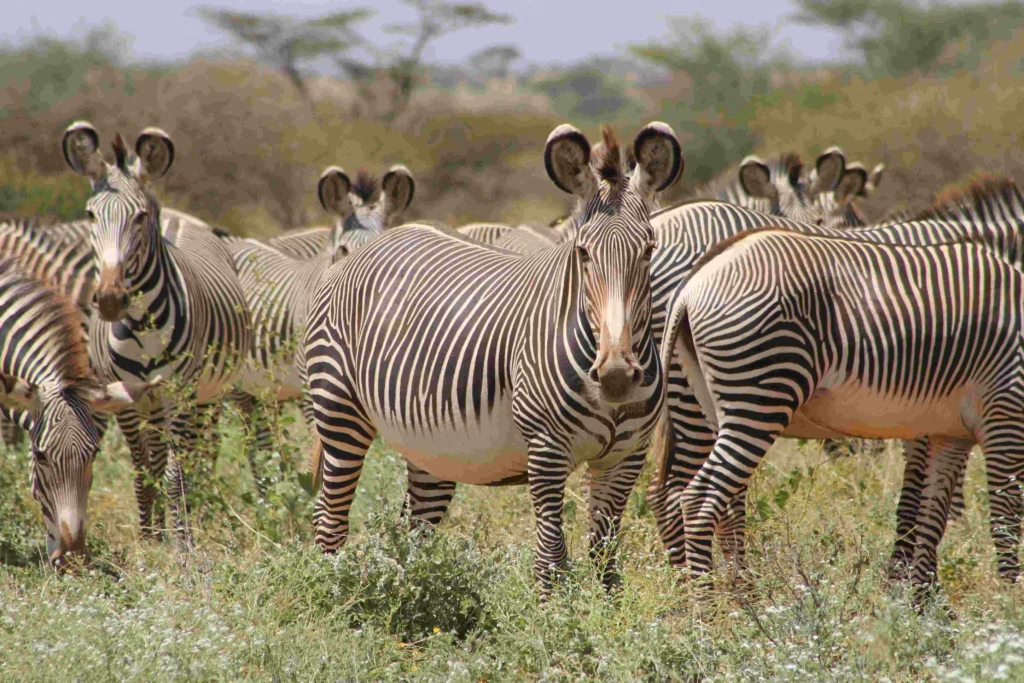
Samburu National Reserve – Kenya’s Untamed Wildlife Paradise
Samburu National Reserve is one of the most remarkable tourist destinations in Kenya. Located in the northern part of the country along the banks of the Ewaso Nyiro River, the reserve offers visitors an authentic African wilderness experience. Unlike many other wildlife destinations in Kenya, Samburu National Reserve presents a unique landscape characterized by vast semi-arid plains, rugged hills, riverine forests, and open savannah vegetation. This distinctive environment supports a rich diversity of wildlife and creates unforgettable safari experiences for travelers from around the world.
The reserve covers approximately 165 square kilometers and forms part of a larger conservation area that includes the Buffalo Springs National Reserve and Shaba National Reserve. Together, these protected areas create an extensive ecosystem that serves as a sanctuary for numerous animal species. Samburu National Reserve is particularly famous for hosting rare wildlife species that are difficult to find in other parts of Kenya. These include the Grevy’s zebra, Somali ostrich, reticulated giraffe, gerenuk, and Beisa oryx, commonly referred to as the “Samburu Special Five.”
Visitors to Samburu National Reserve enjoy exceptional game viewing opportunities throughout the year. The presence of the Ewaso Nyiro River attracts large numbers of animals, especially during the dry season when water becomes scarce in surrounding areas. The reserve also provides breathtaking scenery and a peaceful atmosphere that allows travelers to connect deeply with nature.
For travelers seeking a unique safari destination away from crowded tourist routes, Samburu National Reserve stands out as one of Kenya’s hidden gems. The reserve combines spectacular wildlife encounters, beautiful landscapes, rich cultural experiences, and luxury accommodation options, making it an ideal destination for nature lovers and adventure seekers alike.
Location and Accessibility of Samburu National Reserve
Samburu National Reserve lies in Samburu County in northern Kenya, approximately 350 kilometers from Nairobi. The reserve occupies a strategic position along the banks of the Ewaso Nyiro River, which serves as a lifeline for wildlife and local communities in this semi-arid region. Its location offers visitors a chance to experience a completely different side of Kenya compared to the lush highlands and famous southern safari destinations.
Travelers can reach Samburu National Reserve by both road and air. The road journey from Nairobi takes about five to six hours depending on traffic and road conditions. The route passes through scenic landscapes, small towns, and rural communities, giving visitors a glimpse into everyday life in Kenya. Many tourists choose to travel by road as part of a broader safari adventure that includes several wildlife destinations.
For those seeking convenience and comfort, domestic flights operate regularly from Nairobi’s Wilson Airport to nearby airstrips within the reserve. The flight takes approximately one hour and provides spectacular aerial views of Kenya’s diverse landscapes. Upon arrival, visitors can easily access their safari lodges or camps through arranged transfers.
The reserve’s accessibility makes it suitable for both short and extended safari itineraries. Tour operators often combine Samburu National Reserve with other popular attractions such as the Maasai Mara, Lake Nakuru, Mount Kenya, and Amboseli National Park. This allows travelers to experience a wide range of Kenya’s wildlife and landscapes within a single safari holiday.
The reserve’s remote setting adds to its appeal. Visitors often enjoy a more exclusive and intimate safari experience compared to busier destinations. This peaceful environment allows for uninterrupted wildlife viewing and greater opportunities to appreciate the natural beauty of northern Kenya.
Wildlife in Samburu National Reserve
Wildlife is the primary attraction in Samburu National Reserve. The reserve hosts an impressive variety of animals that thrive within its unique semi-arid ecosystem. Its rich biodiversity makes it one of Kenya’s most rewarding safari destinations.
One of the reserve’s greatest highlights is the Samburu Special Five. These rare species have adapted perfectly to the dry conditions of northern Kenya. The Grevy’s zebra, known for its narrow stripes and large ears, is among the most endangered zebra species in the world. The reticulated giraffe stands out because of its striking geometric coat pattern. The Beisa oryx possesses long straight horns and exceptional drought resistance. The gerenuk, often called the giraffe gazelle, can stand on its hind legs to browse leaves from trees. The Somali ostrich differs from the common ostrich due to its distinctive blue-gray neck and legs.
In addition to these special species, Samburu National Reserve supports large populations of elephants. Visitors frequently encounter elephant herds moving along the riverbanks or crossing the plains. Lions are common predators within the reserve, while leopards and cheetahs also roam the landscape. The reserve offers excellent opportunities to observe these magnificent cats in their natural habitat.
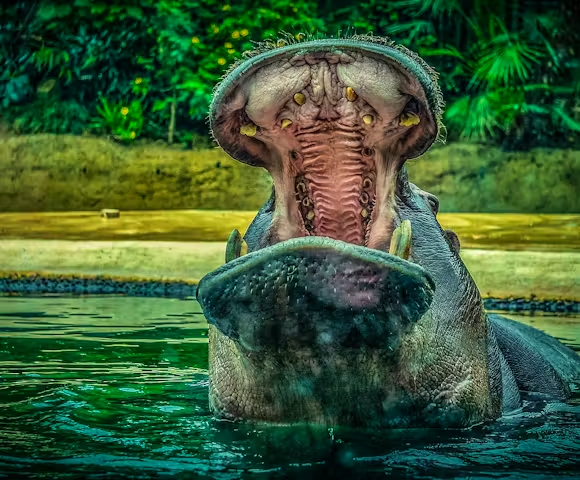
Other wildlife includes buffaloes, hyenas, jackals, warthogs, impalas, waterbucks, dik-diks, and olive baboons. Crocodiles and hippos inhabit the Ewaso Nyiro River, adding another dimension to wildlife viewing experiences. The reserve’s healthy ecosystem ensures that visitors enjoy frequent animal sightings throughout the year.
The abundance of wildlife combined with relatively low tourist numbers creates ideal conditions for photography and wildlife observation. Every game drive offers opportunities to witness fascinating animal behavior and capture stunning images of Kenya’s extraordinary wildlife.
Bird Watching in Samburu National Reserve
Samburu National Reserve is a paradise for bird enthusiasts. The reserve boasts more than 450 recorded bird species, making it one of Kenya’s premier bird-watching destinations. Its varied habitats support both resident and migratory bird populations throughout the year.
The Ewaso Nyiro River serves as an important habitat for numerous aquatic and water-associated birds. Visitors often spot kingfishers, herons, egrets, storks, and African fish eagles along the riverbanks. These birds add color and movement to the reserve’s beautiful scenery.
The open grasslands and acacia woodlands attract a wide variety of terrestrial bird species. Vultures, hornbills, bee-eaters, weavers, sunbirds, and rollers are commonly seen during game drives. The reserve also hosts several species of raptors, including martial eagles, tawny eagles, and bateleurs.
Bird watchers particularly appreciate the presence of endemic and near-endemic species found within northern Kenya. The semi-arid environment provides excellent opportunities to observe birds that rarely occur in other regions of the country. Seasonal migrations further increase the diversity of species visible during different times of the year.
Whether visitors are experienced birders or casual nature enthusiasts, Samburu National Reserve offers rewarding bird-watching experiences. The abundance of species ensures that every excursion reveals new and exciting sightings.
Safari Activities in Samburu National Reserve
Samburu National Reserve offers a wide range of safari activities that allow visitors to explore its unique landscapes and wildlife. Game drives remain the most popular activity and provide excellent opportunities to observe animals in their natural habitat. Morning and evening drives are particularly productive because wildlife tends to be more active during cooler hours.
Guided nature walks are available in designated areas surrounding the reserve. These walks provide visitors with a deeper understanding of local ecosystems, plant life, animal tracks, and conservation efforts. Experienced guides share valuable insights that enhance the overall safari experience.
Bird watching attracts nature enthusiasts from around the world. The reserve’s rich birdlife creates endless opportunities for observation and photography. Many lodges organize specialized birding excursions led by knowledgeable guides.
Photography safaris are also highly popular. Samburu’s dramatic landscapes, abundant wildlife, and beautiful lighting conditions create perfect opportunities for professional and amateur photographers alike. The reserve’s lower visitor numbers often allow photographers more time and flexibility to capture exceptional images.
Cultural visits to nearby Samburu communities offer visitors a chance to learn about traditional lifestyles, customs, dances, and crafts. These experiences provide valuable cultural insights and foster meaningful connections between travelers and local people.
Night drives, where permitted, reveal a different side of the African wilderness. Visitors may encounter nocturnal species that remain hidden during daytime hours. These activities add excitement and diversity to safari itineraries.
The Samburu People and Cultural Experiences
A visit to Samburu National Reserve provides more than wildlife encounters. It also offers an opportunity to experience the rich culture of the Samburu people. Closely related to the Maasai, the Samburu maintain many traditional customs and continue to practice a semi-nomadic pastoral lifestyle.
The Samburu are renowned for their colorful attire, intricate beadwork, and strong cultural identity. Visitors often participate in cultural tours that showcase traditional dances, songs, ceremonies, and daily activities. These experiences help travelers understand the important relationship between local communities and the natural environment.
Women create beautiful handcrafted jewelry using beads and other local materials. Visitors can purchase these unique items as souvenirs while supporting community livelihoods. Cultural interactions also provide opportunities to learn about traditional livestock management, family structures, and indigenous knowledge systems.
The Samburu people have played a significant role in wildlife conservation. Their traditional respect for nature and sustainable use of natural resources contribute to preserving the region’s biodiversity. Community-based tourism initiatives help generate income while promoting conservation and cultural preservation.
These cultural experiences enrich any visit to Samburu National Reserve and create lasting memories beyond wildlife viewing alone.
Accommodation in Samburu National Reserve
Samburu National Reserve offers a variety of accommodation options to suit different budgets and travel preferences. Luxury lodges provide world-class facilities, elegant rooms, gourmet dining, and stunning views of the surrounding wilderness. Many luxury properties overlook the Ewaso Nyiro River, allowing guests to observe wildlife directly from their rooms or viewing decks.
Mid-range lodges and tented camps offer comfortable accommodation with excellent services and authentic safari atmospheres. These establishments provide quality amenities while maintaining close connections to nature.
Budget-friendly camps also cater to travelers seeking affordable safari experiences. These accommodations provide essential facilities and convenient access to wildlife viewing areas without compromising comfort and safety.
Many lodges organize guided game drives, bush dinners, cultural visits, and bird-watching excursions. Their knowledgeable staff help visitors maximize their safari experiences while learning about local ecosystems and conservation efforts.
Whether guests choose luxury, mid-range, or budget accommodation, they can expect warm hospitality, beautiful surroundings, and unforgettable wildlife encounters throughout their stay.
Best Time to Visit Samburu National Reserve
Samburu National Reserve is a year-round safari destination. However, the dry seasons from June to October and December to March generally offer the best wildlife viewing opportunities. During these months, animals concentrate around water sources, making them easier to locate.
The dry season also provides excellent road conditions and clear skies, which benefit photographers and safari enthusiasts. Wildlife viewing becomes particularly rewarding as vegetation thins and visibility improves.
The rainy seasons bring their own advantages. The landscape becomes greener and more vibrant, while migratory birds arrive in large numbers. Fewer visitors during these periods create more exclusive safari experiences.
Regardless of the season, Samburu National Reserve consistently delivers exceptional wildlife encounters and memorable adventures. Its unique environment supports abundant wildlife throughout the year, ensuring rewarding experiences for every visitor.
Conclusion
Samburu National Reserve remains one of Kenya’s most captivating safari destinations. Its spectacular wildlife, stunning landscapes, rich birdlife, and vibrant cultural heritage create an unforgettable travel experience. The reserve offers visitors the chance to encounter rare species, enjoy intimate safari adventures, and connect with the traditions of the Samburu people.
For travelers seeking an authentic African wilderness experience, Samburu National Reserve provides the perfect destination. Whether exploring its vast plains, photographing iconic wildlife, watching colorful birds, or engaging with local communities, visitors leave with lasting memories and a deeper appreciation for Kenya’s natural treasures.