
Lake Nakuru National Park
June 5, 2026
Maasai Mara National Reserve
June 5, 2026
Tsavo East and Tsavo West National Parks
Tsavo East and Tsavo West National Parks form one of the largest and most remarkable wildlife conservation areas in Africa. Located in southeastern Kenya between Nairobi and Mombasa, the two parks together cover more than 22,000 square kilometers, making the Tsavo ecosystem one of the largest protected wilderness regions on the continent. Although the parks operate as separate conservation areas, they share a rich ecological connection and offer visitors an extraordinary safari experience filled with breathtaking landscapes, diverse habitats, and abundant wildlife.
The construction of the Nairobi-Mombasa highway and railway divided the original Tsavo National Park into Tsavo East and Tsavo West. Despite this division, both parks continue to protect vast stretches of wilderness that support a wide variety of plant and animal species. Each park has unique characteristics that make it special. Tsavo East is famous for its open savannahs, red elephants, and large wildlife populations, while Tsavo West is known for its dramatic scenery, volcanic formations, springs, and dense vegetation.
Tsavo East and West National Parks attract travelers from around the world who seek authentic African safari adventures away from crowded destinations. The parks offer exceptional opportunities for wildlife viewing, photography, bird watching, nature exploration, and conservation tourism. Visitors can enjoy expansive landscapes that stretch far beyond the horizon, creating a true sense of wilderness and freedom.
The parks also play a critical role in wildlife conservation within Kenya. They protect important migration corridors and provide habitat for numerous endangered and vulnerable species. The combination of natural beauty, ecological significance, and diverse wildlife makes Tsavo one of Kenya’s most treasured safari destinations.
For travelers seeking a destination that combines thrilling wildlife encounters with stunning natural scenery, Tsavo East and Tsavo West National Parks provide an unforgettable safari experience that showcases the very best of Kenya’s wilderness heritage.
Tsavo East National Park – The Land of Red Elephants
Tsavo East National Park covers approximately 13,700 square kilometers and ranks among the largest national parks in Kenya. The park features vast open plains, semi-arid grasslands, scattered acacia trees, and seasonal rivers that support diverse wildlife populations. Its open landscapes provide excellent visibility, making wildlife viewing particularly rewarding for visitors.
One of the most famous attractions in Tsavo East is its population of red elephants. These elephants often appear red because they dust themselves with the park’s distinctive red volcanic soil. The sight of these magnificent animals moving across the landscape has become one of the most iconic safari images in Kenya.
The park supports large populations of wildlife including lions, leopards, cheetahs, buffaloes, giraffes, zebras, wildebeests, impalas, gazelles, and numerous other species. The open terrain allows visitors to observe animals in their natural habitat with minimal obstruction. Game drives frequently reveal large herds grazing across the plains while predators patrol the landscape in search of prey.
The Galana River serves as a vital water source within the park. It attracts numerous animals and creates excellent wildlife viewing opportunities throughout the year. Visitors often observe elephants, buffaloes, hippos, and crocodiles along the riverbanks. The river also supports lush vegetation that contrasts beautifully with the surrounding dry landscapes.
Tsavo East offers a true wilderness experience. Its immense size allows wildlife to roam freely across vast areas, creating a sense of untouched nature that few destinations can match. The combination of open savannahs, abundant wildlife, and spectacular scenery makes Tsavo East one of Kenya’s most rewarding safari destinations.
Tsavo West National Park – A Landscape of Natural Wonders
Tsavo West National Park covers approximately 9,000 square kilometers and presents a striking contrast to its eastern counterpart. The park features rugged hills, volcanic landscapes, lava flows, woodlands, swamps, and rocky outcrops that create diverse habitats for wildlife. This varied terrain makes Tsavo West one of Kenya’s most scenic national parks.
One of the park’s most famous attractions is the Mzima Springs. Crystal-clear water emerges from underground streams originating from the Chyulu Hills. The springs produce millions of liters of fresh water every day and support a rich ecosystem filled with fish, hippos, crocodiles, and aquatic birds. Visitors can explore observation areas that provide unique views of underwater wildlife activity.
The park also contains fascinating volcanic features including lava fields and ancient volcanic cones. The Shetani Lava Flow stands as one of the most impressive geological attractions within the park. This vast expanse of black volcanic rock tells the story of powerful volcanic activity that shaped the region thousands of years ago.
Tsavo West supports a rich diversity of wildlife. Lions, elephants, leopards, buffaloes, giraffes, zebras, antelopes, and numerous other species inhabit the park. The dense vegetation sometimes makes wildlife more challenging to spot compared to Tsavo East, but it creates exciting safari experiences as visitors search for animals hidden among forests and rocky landscapes.
The scenic beauty of Tsavo West attracts nature lovers and photographers throughout the year. Its combination of wildlife, geological features, and dramatic landscapes creates a unique safari destination that complements the open plains of Tsavo East.
Wildlife in Tsavo East and Tsavo West National Parks
Wildlife remains the primary attraction in both Tsavo East and Tsavo West National Parks. Together, the parks protect one of Kenya’s largest wildlife populations and provide habitat for a remarkable variety of species. Their extensive ecosystems support both resident and migratory animals throughout the year.
Elephants represent some of the most celebrated wildlife inhabitants of Tsavo. The ecosystem supports thousands of elephants that move freely across the landscape. Visitors frequently encounter large herds gathering around water sources, feeding in woodlands, or crossing open plains.
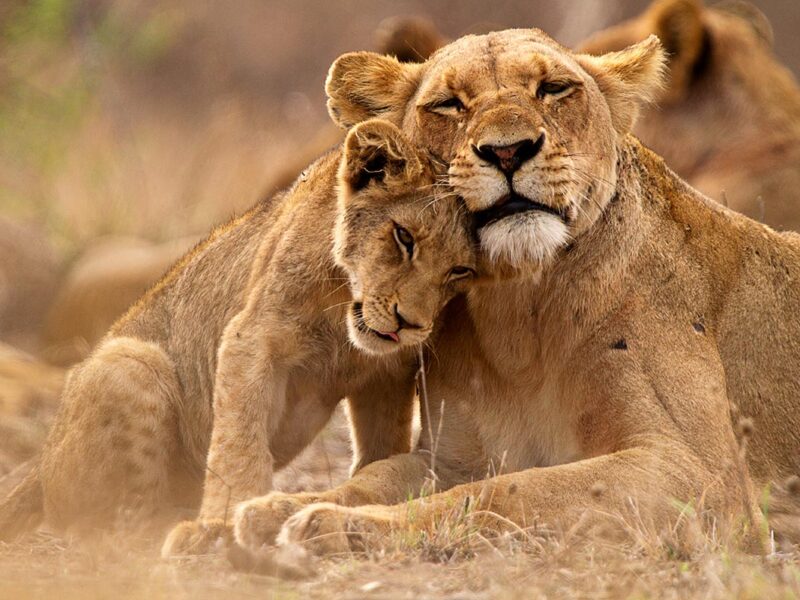
Predators play a vital role within the ecosystem. Lions rank among the most sought-after sightings and have a fascinating history in Tsavo. Leopards, cheetahs, hyenas, and jackals also inhabit the parks and contribute to the natural balance of predator-prey relationships.
The parks support impressive populations of herbivores. Visitors commonly observe buffaloes, zebras, giraffes, wildebeests, elands, impalas, gazelles, waterbucks, and hartebeests. These animals form the foundation of the ecosystem and attract predators to different regions of the parks.
Smaller mammals such as warthogs, mongooses, baboons, vervet monkeys, and bush babies add further diversity to the wildlife experience. Reptiles including crocodiles, monitor lizards, and various snake species also inhabit the parks.
The sheer size of the Tsavo ecosystem allows animals to behave naturally without significant human interference. This creates authentic wildlife encounters and provides visitors with opportunities to witness natural behaviors such as hunting, migration, social interactions, and territorial displays.
Bird Watching in Tsavo National Parks
Bird watching is one of the most rewarding activities in Tsavo East and Tsavo West National Parks. Together, the parks support more than 500 bird species, making them important destinations for bird enthusiasts and nature photographers.
The diverse habitats found throughout the parks provide ideal environments for numerous bird species. Open grasslands attract ground-dwelling birds such as ostriches and bustards. Rivers, springs, and wetlands support water birds including herons, kingfishers, pelicans, storks, and egrets.
Birds of prey thrive within the Tsavo ecosystem. Visitors frequently spot martial eagles, African fish eagles, tawny eagles, hawks, falcons, and vultures soaring above the landscape. These raptors play an important role in maintaining ecological balance and offer exciting sightings during game drives.
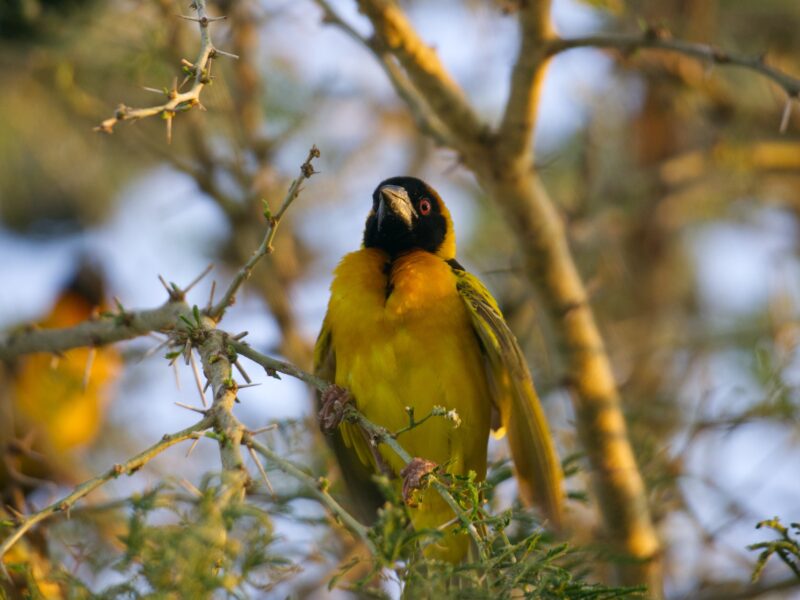
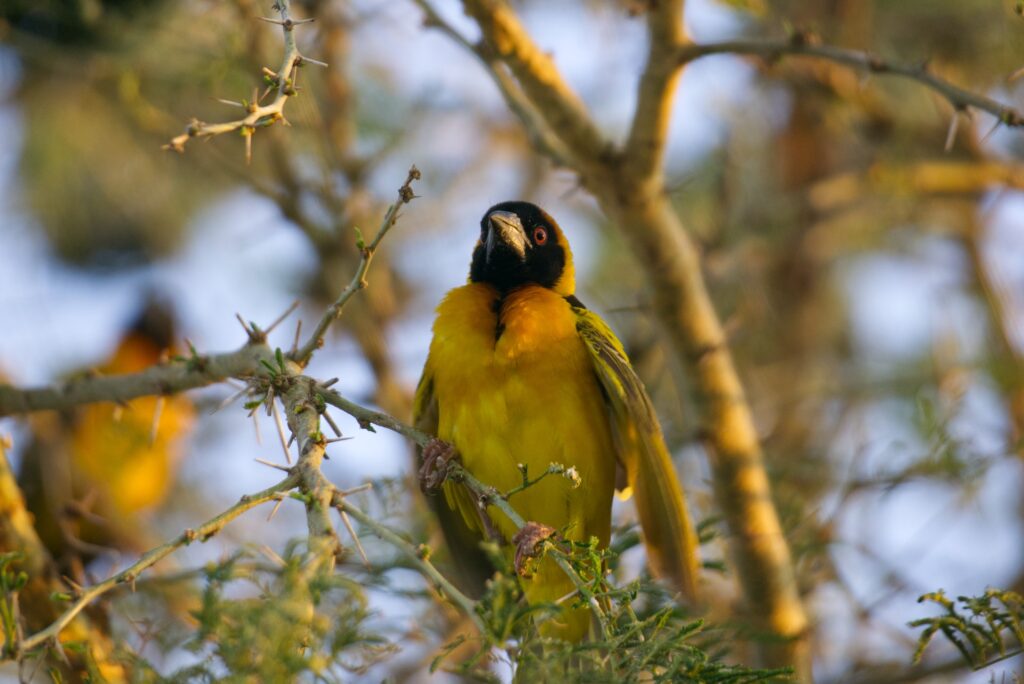
Colorful species such as bee-eaters, hornbills, rollers, sunbirds, and weavers add beauty to the environment. Their vibrant plumage attracts photographers and birding enthusiasts from around the world.
Migratory birds visit the parks during specific seasons, increasing the already impressive diversity. Birding remains productive throughout the year because the parks contain a wide range of habitats that support different species regardless of seasonal conditions.
Bird watchers often combine birding excursions with traditional game drives. This approach allows visitors to enjoy both wildlife viewing and bird observation while exploring the diverse ecosystems of Tsavo.
Scenic Attractions and Natural Features
Beyond wildlife, Tsavo East and Tsavo West National Parks offer numerous scenic attractions that enrich the safari experience. The parks contain unique geological formations, rivers, hills, and natural landmarks that showcase Kenya’s remarkable natural diversity.
In Tsavo East, the Yatta Plateau stands as one of the world’s longest lava flows. Stretching for hundreds of kilometers, this geological feature dominates the landscape and provides stunning panoramic views of the surrounding wilderness.
The Galana River and Aruba Dam attract wildlife while creating beautiful scenery for visitors. These water sources serve as gathering points for numerous animal species and offer excellent opportunities for photography.
In Tsavo West, Mzima Springs remains one of the park’s most popular attractions. Visitors enjoy observing hippos, crocodiles, fish, and aquatic birds in crystal-clear water. The springs also support lush vegetation that contrasts sharply with the surrounding dry landscapes.
The Shetani Lava Flow and Chaimu Crater showcase the region’s volcanic history. These dramatic formations create unique landscapes rarely found elsewhere in Kenya. Scenic viewpoints throughout the park provide spectacular vistas of rolling hills, distant mountains, and expansive wilderness.
These natural attractions complement the parks’ wildlife experiences and ensure visitors enjoy a diverse and memorable safari adventure.
Safari Activities in Tsavo East and Tsavo West
Tsavo East and Tsavo West National Parks offer a variety of safari activities designed to suit different interests and travel styles. Game drives remain the most popular activity and provide opportunities to explore the parks’ diverse landscapes while searching for wildlife.
Morning and evening game drives often produce excellent wildlife sightings. Professional guides help visitors locate animals and explain ecological relationships within the ecosystem. The parks’ extensive road networks allow access to many important wildlife viewing areas.
Bird watching excursions attract visitors interested in the region’s rich avian diversity. Photography safaris provide opportunities to capture stunning images of wildlife, landscapes, and geological features.
Nature walks in designated areas allow visitors to experience the environment from a different perspective. These walks provide insight into plants, insects, animal tracks, and ecological processes.
Sightseeing excursions to attractions such as Mzima Springs, Shetani Lava Flow, Aruba Dam, and Yatta Plateau add variety to safari itineraries. These activities create well-rounded experiences that combine wildlife observation with natural history and landscape exploration.
Best Time to Visit Tsavo East and Tsavo West National Parks
The parks remain accessible throughout the year and offer rewarding safari experiences in every season. Dry seasons generally provide the best wildlife viewing conditions because animals gather around water sources and vegetation becomes less dense.
The months from June to October and January to February often attract the highest number of visitors. During these periods, game viewing remains excellent and road conditions are favorable for safari activities.
Rainy seasons transform the landscape into a lush environment and attract numerous migratory birds. These months provide beautiful scenery and excellent photographic opportunities.
Because the parks support permanent wildlife populations, visitors can enjoy memorable encounters regardless of the season. Each time of year offers unique advantages depending on individual interests and travel preferences.
Conclusion
Tsavo East and Tsavo West National Parks represent one of Africa’s greatest wildlife conservation areas. Together, they offer vast wilderness landscapes, abundant wildlife, spectacular scenery, rich birdlife, and unique natural attractions. From the famous red elephants of Tsavo East to the crystal-clear waters of Mzima Springs in Tsavo West, the parks provide unforgettable safari experiences for visitors of all interests.
Their enormous size, ecological importance, and exceptional biodiversity make them among Kenya’s most valuable natural treasures. Whether exploring open savannahs, observing wildlife, photographing dramatic landscapes, or discovering volcanic formations, visitors will find endless opportunities for adventure and discovery.
For travelers seeking an authentic African safari experience filled with wildlife and natural beauty, Tsavo East and Tsavo West National Parks remain among the finest destinations in Kenya.