

CHIMPANZEE TREKKING ON LAKE TANGANYIKA
July 28, 2026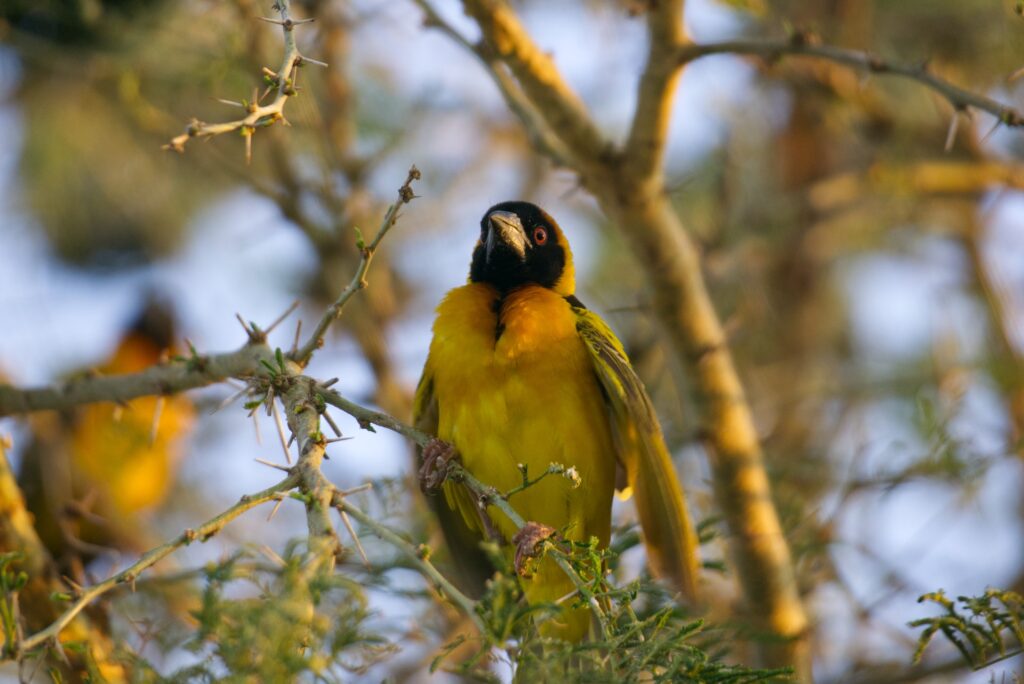
BIRDING IN ARUSHA NATIONAL PARK
Birding in Arusha National Park is one of the most rewarding tourist activities for visitors who enjoy nature, wildlife, and peaceful outdoor experiences. Located in northern Tanzania, Arusha National Park offers a remarkable combination of forests, grasslands, wetlands, lakes, and mountain landscapes. These different habitats support a wide range of bird species. This makes the park an attractive destination for both experienced birdwatchers and visitors who simply want to discover the beauty of Tanzania’s birdlife.
Many travellers visit Arusha National Park because of its beautiful landscapes and wildlife. However, the park also provides an excellent opportunity to slow down and focus on smaller details of nature. Birding allows visitors to explore the park at a relaxed pace. Instead of concentrating only on large mammals, tourists can listen to bird calls, observe colourful feathers, watch birds feeding, and learn about the different species that live within the park. The experience can become even more enjoyable when an experienced guide helps visitors identify birds and understand their behaviour.
Arusha National Park contains several habitats that attract different bird species. The montane forests around Mount Meru provide shelter for forest birds. The open grasslands attract birds that prefer more open environments. Lakes and wetlands provide important feeding and breeding areas for waterbirds. These different habitats make birding interesting because visitors can encounter different species as they move through the park.
The natural beauty of Arusha National Park adds another special element to birding. Tourists can watch birds while enjoying views of Mount Meru, forests, lakes, and open landscapes. This combination creates an unforgettable nature experience. Adira Safaris Africa invites visitors to explore the fascinating birdlife of Arusha National Park and discover why birding remains one of the park’s most enjoyable tourist activities.
Why Arusha National Park Is Ideal for Bird Watching
Arusha National Park provides an excellent environment for bird watching because it contains a variety of habitats within a relatively compact area. The park includes forests, savannah, wetlands, lakes, and mountain environments. Each habitat supports different types of birds. This diversity means that tourists can enjoy several birding experiences during the same visit.
The forested areas provide opportunities to search for birds that prefer dense vegetation and tree canopies. Visitors may hear birds calling from high in the trees before they actually see them. This makes forest birding an exciting activity that requires patience and careful observation. A skilled guide can help tourists locate birds by following their calls and watching movement among the branches.
The open grasslands offer a different experience. Birds that prefer open spaces can often be easier to spot against the landscape. Tourists may observe birds searching for insects, feeding on seeds, flying across the plains, or resting on exposed branches. The open scenery also provides excellent opportunities for photography.
Wetlands and lakes provide another important habitat. Waterbirds can gather around the edges of lakes and shallow water areas. Some birds feed in the water, while others search along the shoreline. Visitors can watch different species interacting with their environment and learn how water ecosystems support birdlife.
The presence of Mount Meru also creates different environmental conditions across the park. Changes in altitude influence vegetation and wildlife distribution. This gives birdwatchers an opportunity to explore several ecological zones.
For tourists, this diversity makes Arusha National Park an excellent destination for birding in Tanzania. A visit can provide both a peaceful nature walk and an exciting search for different bird species. The experience becomes even more rewarding when visitors take their time and allow themselves to appreciate the sounds and movements of the natural environment.
Birding Around the Forests of Arusha National Park
The forests of Arusha National Park provide a peaceful setting for bird watching. Tall trees, thick vegetation, vines, shrubs, and forest floors create a complex habitat where many bird species can find food and shelter. The forest can feel quiet at first, but visitors who stop and listen soon discover that it contains many sounds.
Bird calls form an important part of forest birding. Some species remain hidden among thick vegetation, making their calls the first clue that they are nearby. Experienced guides can recognise different calls and help tourists locate the birds. This makes a guided birding walk especially valuable for visitors who are not familiar with East African bird species.
Birds in forest habitats can feed on fruits, seeds, insects, nectar, and other natural resources. Some move between branches in search of food, while others remain closer to the forest floor. Visitors may see birds flying between trees, feeding on fruits, or sitting quietly on branches.
The forest environment also creates excellent opportunities for nature photography. Birds may appear against green vegetation, tree trunks, or patches of sunlight filtering through the canopy. Tourists should remain patient because birds often move quickly. A sudden flash of colour may signal that a bird has crossed the trail or moved from one branch to another.
Forest birding also helps visitors understand the importance of conserving natural habitats. Trees provide much more than scenery. They offer nesting sites, food, shelter, and protection from predators. Birds depend on healthy forests for survival.
Exploring the forests of Arusha National Park therefore provides more than an opportunity to add birds to a checklist. It creates a chance to appreciate the relationship between birds, plants, insects, and the wider ecosystem. The quiet environment also provides a welcome break from busy urban life and allows visitors to connect with nature.
Waterbirds Around the Lakes and Wetlands
The lakes and wetlands of Arusha National Park create some of the best environments for observing waterbirds. Water provides food and shelter for many species, while the surrounding vegetation offers nesting and resting areas. Tourists who visit the park’s wetland habitats can spend time watching birds around the shoreline and in shallow waters.
Waterbirds have adapted to life around lakes and wetlands in different ways. Some use their long legs to walk through shallow water while searching for food. Others use their bills to catch fish, insects, or other small aquatic creatures. Some species swim across the water, while others remain along the edges.
Birding around a lake can be particularly enjoyable because visitors can observe birds against an open background. This often makes them easier to identify and photograph. Tourists can watch birds taking flight, landing on the water, feeding along the shore, or interacting with other members of their species.
The wetlands also provide an important ecological service. They support birds and many other animals while helping maintain the health of the wider environment. The presence of water attracts insects, fish, plants, and other organisms that form part of the food chain.
Visitors should remain respectful when exploring these habitats. They should avoid disturbing nesting birds and should follow the instructions of their guides. Keeping a reasonable distance allows birds to continue their natural activities without unnecessary stress.
For birdwatchers, the lakes and wetlands provide an opportunity to see species that may not appear in the forest or grassland. This variety adds to the appeal of birding in Arusha National Park. A single visit can include forest birds, waterbirds, grassland species, and many other fascinating creatures.
The peaceful setting of the lakes also makes birding a relaxing activity. Tourists can sit quietly, observe the shoreline, listen to bird calls, and enjoy the surrounding scenery. This creates a memorable combination of wildlife and landscape.
Birding in the Open Grasslands
The open grasslands of Arusha National Park provide a completely different birding experience from the forest. The wider landscape gives visitors a clear view of the sky and surrounding vegetation. Birds that prefer open habitats can often be seen moving across the grasslands, feeding on insects and seeds, or resting on trees and shrubs.
Grassland birding can also provide opportunities to observe birds alongside larger wildlife. Tourists may see birds feeding near grazing animals or moving through areas where herbivores have disturbed the grass. These interactions demonstrate how different species share the same ecosystem.
Some birds use the open environment to search for food. Others rely on grasses and low vegetation for nesting. Birds of prey may also use open areas to search for smaller animals. Visitors can therefore observe different feeding strategies within the same landscape.
The open grasslands are particularly suitable for visitors who enjoy photography. Birds are often easier to spot against the open background. Tourists can also capture wider landscape photographs that include birds, wildlife, and Mount Meru.
Birding in the grasslands requires good observation skills. Some birds blend naturally into the vegetation. Visitors may need to look carefully for movement or listen for calls. Guides can point out subtle features that help identify different species.
The grasslands also show why protecting a variety of habitats matters. Forest conservation alone cannot support every bird species. Some birds depend on open areas, wetlands, or other specialised environments. A healthy national park therefore needs a balance of different habitats.
Visitors who take part in birding can learn about these ecological connections while enjoying the natural beauty of Arusha National Park. The open landscapes create a sense of freedom and provide a peaceful environment for observing birds in their natural surroundings.
The Role of Mount Meru in Birding Experiences
Mount Meru plays an important role in the landscape of Arusha National Park. The mountain rises dramatically above the surrounding environment and creates different ecological conditions across its slopes. These changes influence vegetation and provide habitats for different types of birds.
As visitors explore areas around Mount Meru, they may encounter different environments at different elevations. Lower areas can include open landscapes and woodland, while higher areas support forest and other mountain vegetation. Each habitat attracts birds with different feeding and nesting requirements.
The presence of the mountain also makes birding visually impressive. Visitors can observe birds while enjoying views of Mount Meru in the distance or above the forest canopy. This creates excellent opportunities for landscape photography and nature photography.
Mountain environments can also encourage visitors to think about how wildlife adapts to changing conditions. Birds living in forested areas may depend on trees and fruit, while species in open areas may rely more heavily on insects, seeds, or small animals. The variety of habitats around Mount Meru creates opportunities to observe these differences.
For tourists who combine birding with other activities in Arusha National Park, the mountain provides a dramatic backdrop throughout the experience. A birding walk can therefore become a broader exploration of the park’s natural environment.
The connection between Mount Meru, vegetation, water, and wildlife shows why Arusha National Park has such strong ecological value. The mountain contributes to the park’s unique landscape and helps create a range of habitats that support diverse wildlife.
Birding around Mount Meru can therefore appeal to both serious birdwatchers and general tourists. Even visitors who have never gone birding before can enjoy the experience because the scenery and sounds make the activity engaging.
Bird Identification During a Safari in Arusha National Park
Bird identification forms an important part of the birding experience. With hundreds of species found across the broader Arusha region and different habitats within the park, visitors can encounter many shapes, sizes, colours, and behaviours.
A professional guide can help tourists identify birds by observing their physical features. These may include the colour of the feathers, shape of the bill, size of the body, wing patterns, tail shape, and behaviour. Bird calls can also provide valuable clues.
Visitors should carry binoculars if possible. Binoculars make it easier to observe birds without moving too close. They also allow tourists to see details that may not be visible from a distance.
A bird guidebook or bird identification application can also make the experience more educational. Tourists can record the birds they see and learn more about their habitats and behaviour. Keeping a simple birding checklist can add a fun element to the activity.
However, birding should not become only a race to identify as many species as possible. Visitors should also take time to enjoy the experience. Watching a bird feed, listening to its call, or seeing it fly across a beautiful landscape can be just as rewarding as identifying its name.
Beginners should not worry about knowing every species before starting. Birding is a skill that improves with practice. An experienced guide can introduce visitors to common species and gradually help them recognise more difficult birds.
This makes Arusha National Park suitable for both beginners and experienced birdwatchers. Everyone can learn something new while enjoying the natural surroundings.
The Best Time for Birding in Arusha National Park
Birding in Arusha National Park can provide rewarding experiences throughout the year. However, different seasons can create different opportunities. Weather, vegetation, water availability, and bird movements can influence what visitors see during their safari.
Early mornings are generally excellent for birding because many birds become active around sunrise. Their calls fill the forest and surrounding habitats. Birds may spend the early hours feeding and moving around before becoming less active later in the day.
Morning birding also offers pleasant temperatures. Visitors can explore trails without the stronger heat that may occur later. The soft morning light can also create attractive conditions for photography.
The wetter periods can bring lush vegetation and increased insect activity. This can provide birds with more feeding opportunities. Migratory birds may also add to the diversity of birdlife during certain times of the year. Their presence can make seasonal birding particularly interesting for enthusiasts.
The drier periods can offer different advantages. Open areas may become easier to explore, and some birds can become more visible around remaining water sources. Wildlife also gathers around water, creating opportunities to see birds alongside larger animals.
Tourists should understand that birding remains a natural activity. No guide can guarantee that a specific bird will appear on a particular day. Weather and animal behaviour can change quickly.
The best approach is to remain flexible and patient. Each season has something different to offer. With good planning and an experienced guide, visitors can enjoy rewarding birding experiences regardless of when they travel.
Bird Photography in Arusha National Park
Bird photography adds another exciting dimension to birding in Arusha National Park. The park offers beautiful backgrounds, diverse habitats, and many opportunities to capture birds in natural settings. Visitors can photograph birds perched on branches, feeding around lakes, flying across open grasslands, or moving through forest vegetation.
Patience remains one of the most important skills in wildlife photography. Birds can move quickly and may disappear before a visitor has time to take a photograph. Instead of chasing them, photographers should remain still and observe their behaviour.
Binoculars can help visitors locate birds before attempting to photograph them. A camera with a suitable zoom lens can help capture details from a safe distance. However, visitors do not need professional equipment to enjoy bird photography. A smartphone can also record memorable moments.
Photographers should respect the birds at all times. They should not approach nests or breeding areas too closely. They should avoid making loud noises to attract birds. The welfare of wildlife should always come before getting the perfect picture.
The natural environment can also become part of the photograph. A bird sitting against the green forest, a waterbird reflected on a lake, or a small bird flying above the grassland can create beautiful images that tell a story about the park.
Bird photography can therefore help visitors remember their safari long after they return home. It also encourages them to observe wildlife more carefully.
For many tourists, the best photograph may not be the clearest close-up. It may be an image that captures the bird within its natural habitat and shows the relationship between the animal and the landscape.
Birding as a Peaceful and Educational Tourist Activity
Birding offers a slower and more peaceful way to experience Arusha National Park. Many safari activities focus on searching for large mammals. Birding allows tourists to appreciate smaller animals and the sounds of nature.
A birding walk can encourage visitors to slow down. Instead of moving quickly from one attraction to another, they can spend time listening and observing. They may hear several different bird calls before seeing a single bird. This creates a sense of anticipation and discovery.
Birding also provides an educational opportunity. Guides can explain the role birds play within the ecosystem. Some birds help disperse seeds. Others control insect populations. Birds of prey help regulate smaller animal populations. Waterbirds depend on healthy wetlands and lakes.
Learning about these relationships helps visitors understand why biodiversity matters. Every species contributes to the wider ecosystem in some way.
Birding can also appeal to families and groups with different interests. While some visitors focus on birds, others can enjoy the scenery, plants, butterflies, and larger wildlife encountered along the way.
For photographers, birding provides a chance to improve observation and photography skills. For nature lovers, it creates a peaceful connection with the environment. For experienced birdwatchers, it provides an opportunity to add new species to their personal lists.
This flexibility makes birding one of the most rewarding tourist activities in Arusha National Park. Visitors do not need to be experts to enjoy it. Curiosity, patience, and a willingness to observe nature are enough to begin.
Responsible Birding in Arusha National Park
Responsible birding helps protect the birds and habitats that attract tourists to Arusha National Park. Visitors should always follow park regulations and listen to their guides. They should avoid disturbing birds, nests, eggs, and breeding areas.
Tourists should also avoid making unnecessary noise. Loud sounds can frighten birds and cause them to leave feeding or resting areas. Quiet observation allows visitors to watch natural behaviour without creating unnecessary disturbance.
Littering should also remain strictly avoided. Plastic and other waste can harm wildlife and damage the environment. Visitors should carry their rubbish with them until they find an appropriate disposal point.
Tourists should avoid feeding birds or other wildlife. Feeding can change natural behaviour and make animals dependent on people. Wildlife should remain wild and should find food naturally within the ecosystem.
Responsible tourism also means supporting local guides and conservation efforts. Local communities can benefit from tourism through employment and other opportunities. When communities see the value of protecting natural areas, conservation becomes stronger.
Birding therefore provides tourists with an opportunity to contribute to conservation while enjoying nature. Visitors can leave the park with beautiful memories without leaving a negative impact behind.
The goal should always be simple: observe, appreciate, photograph responsibly, and protect. This approach ensures that future travellers can continue enjoying the remarkable birdlife of Arusha National Park.
Why Choose Adira Safaris Africa for Birding in Arusha National Park?
Adira Safaris Africa provides travellers with opportunities to explore the natural beauty and wildlife of East Africa. Birding in Arusha National Park offers a special way to experience Tanzania because it combines peaceful exploration, wildlife observation, photography, and education.
Our approach focuses on helping visitors enjoy the destination at a comfortable pace. Birding requires patience and attention. We understand that tourists may want to stop and observe a particular bird or listen carefully to a call. Allowing enough time creates a more rewarding experience.
A knowledgeable guide can make a major difference. Guides can help visitors identify birds, understand their behaviour, and learn about the habitats that support them. They can also point out other wildlife and natural features along the way.
Adira Safaris Africa encourages responsible tourism throughout the experience. We believe that visitors should enjoy nature while respecting wildlife and local communities. Responsible birding helps protect the environment and ensures that tourism continues to support conservation.
Whether you are an experienced birdwatcher or a traveller discovering birding for the first time, Arusha National Park offers an exciting opportunity. The forests, wetlands, lakes, grasslands, and mountain landscapes create a diverse environment where visitors can enjoy different types of birdlife.
With careful planning, birding can become one of the highlights of a Tanzania safari. The activity offers something different from a traditional game drive and provides a deeper appreciation of the smaller details that make the African wilderness so special.
Conclusion: Experience Birding in Arusha National Park
Birding in Arusha National Park is one of the most rewarding tourist activities for visitors who want to explore Tanzania’s natural beauty from a different perspective. The park offers a remarkable combination of forests, grasslands, lakes, wetlands, and mountain habitats. These environments provide important homes for a wide range of bird species.
The experience allows tourists to slow down and appreciate nature. Visitors can listen to bird calls, observe birds feeding, watch them flying through the trees, and photograph them in their natural surroundings. The presence of Mount Meru adds a spectacular backdrop to the experience and makes birding even more memorable.
The lakes and wetlands offer opportunities to observe waterbirds. The forests provide a chance to search for birds hidden within the canopy. The open grasslands allow visitors to watch birds in a wider landscape. Moving between these habitats creates variety and keeps the experience exciting.
Birding also provides an educational opportunity. Tourists can learn about bird behaviour, habitats, feeding patterns, and the important role birds play within the ecosystem. Experienced guides can make the activity more enjoyable by helping visitors identify species and understand their calls.
Responsible birding remains essential. Visitors should respect wildlife, avoid disturbing birds, protect the environment, and follow park regulations. These simple practices help ensure that Arusha National Park remains a safe and healthy home for birds and other wildlife.
For travellers seeking a peaceful yet engaging wildlife activity, birding in Arusha National Park provides an excellent choice. It is suitable for experienced birdwatchers, photographers, families, nature lovers, and first-time visitors.
Adira Safaris Africa invites you to discover the fascinating birdlife of Arusha National Park. Explore the forests, lakes, wetlands, and grasslands. Listen to the sounds of Tanzania’s birds. Enjoy the magnificent scenery of Mount Meru. Most importantly, experience the beauty of nature through one of the park’s most rewarding tourist activities.