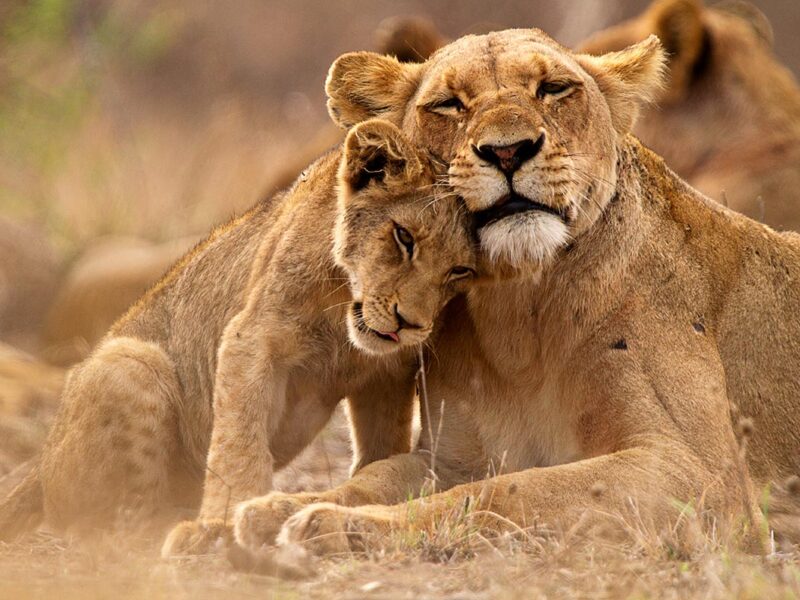

BIG LION PRIDES IN RUAHA NATIONAL PARK
July 28, 2026
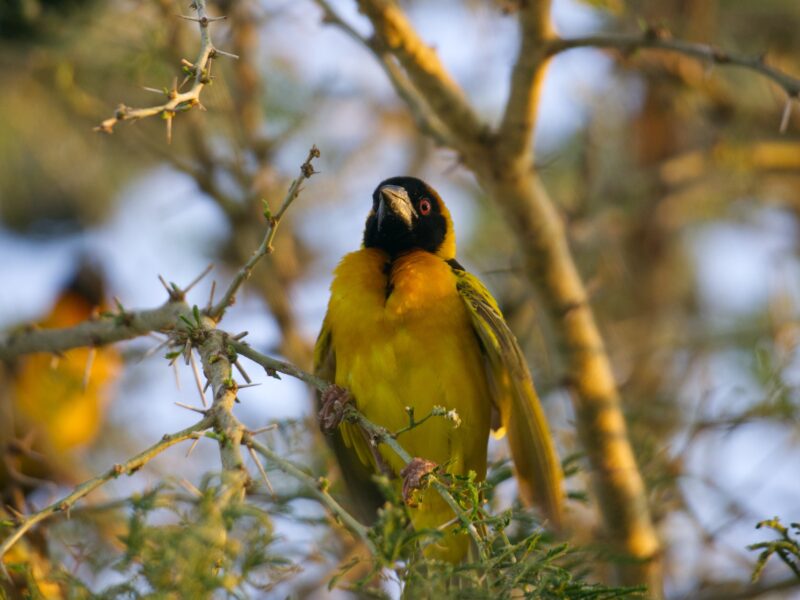
BIRDING IN ARUSHA NATIONAL PARK
July 28, 2026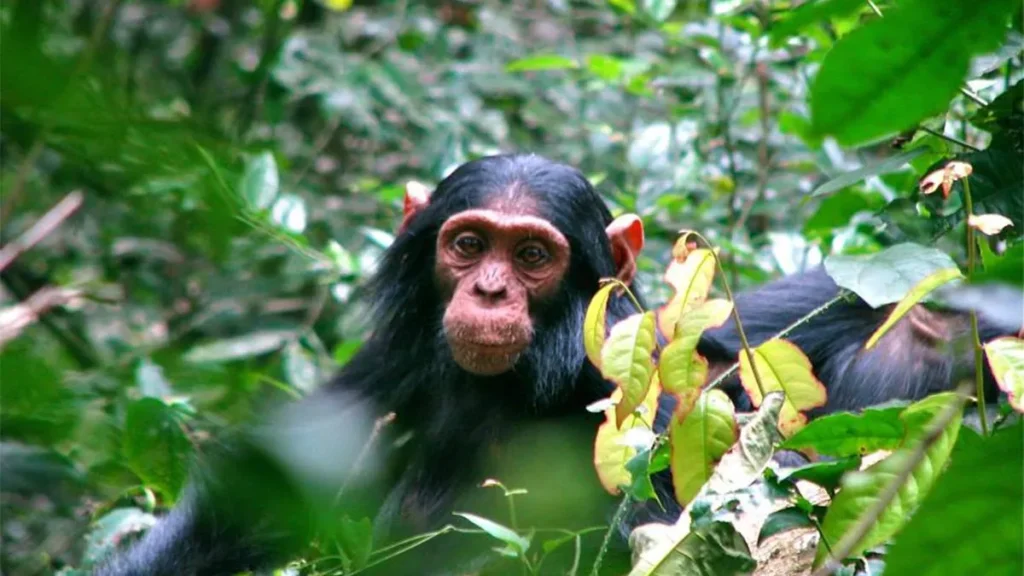
CHIMPANZEE TREKKING ON LAKE TANGANYIKA
Chimpanzee trekking on Lake Tanganyika is one of the most interactive tourist attractions in Tanzania. It gives visitors an opportunity to enter the natural habitat of wild chimpanzees and observe these intelligent primates as they go about their daily lives. Unlike a traditional game drive where tourists mainly watch animals from a vehicle, chimpanzee trekking allows visitors to move through the forest on foot. This creates a more personal connection with nature. Tourists can walk through beautiful forests, listen to the sounds of birds and insects, follow chimpanzee movements, and observe these fascinating animals at close range under the guidance of experienced trackers.
The Lake Tanganyika region is particularly special because it combines primate experiences with one of Africa’s most impressive lakes. The lake stretches along the western side of Tanzania and forms part of a remarkable landscape of forests, mountains, valleys, and water. The surrounding environment provides a beautiful setting for chimpanzee trekking. Visitors can enjoy the excitement of searching for chimpanzees while also appreciating the peaceful scenery around the lake. The experience can therefore become an important part of a wider Tanzania safari.
Chimpanzees share many characteristics with humans. They live in social communities, communicate through different sounds and gestures, care for their young, and display a range of behaviours that can be fascinating to observe. During a trek, tourists may see chimpanzees feeding, climbing trees, resting, grooming one another, or moving through the forest. Every trek offers a different experience because wild animals do not follow a fixed schedule.
For travellers looking for an interactive wildlife adventure, chimpanzee trekking on Lake Tanganyika provides an unforgettable opportunity. Adira Safaris Africa can help visitors explore this unique side of Tanzania while promoting responsible tourism and respect for wildlife.
What Makes Chimpanzee Trekking on Lake Tanganyika Special?
Chimpanzee trekking on Lake Tanganyika stands out because it allows tourists to experience wildlife on foot. The experience begins when visitors enter the forest with trained guides and trackers. Instead of travelling through open plains in a safari vehicle, tourists follow forest trails and look for signs that chimpanzees have passed through the area. These signs may include vocalisations, footprints, feeding remains, broken branches, nests, or movement in the trees.
The search itself forms an important part of the adventure. Visitors may walk quietly through the forest for some time before hearing chimpanzees calling from the canopy. The sound can suddenly make the entire experience feel more exciting. The guides listen carefully and use their knowledge of the forest to determine where the chimpanzees may be located. When the group finally reaches the chimpanzees, tourists can spend time watching their natural behaviour.
The interactive nature of the experience makes it particularly memorable. Visitors do not simply observe chimpanzees from a distance. They become part of the forest environment for a short period. They walk beneath the trees, listen to wildlife sounds, and experience the changing terrain. This creates a stronger connection with nature.
Chimpanzee trekking also offers educational value. Guides can explain the behaviour of chimpanzees, their diet, social organisation, communication, and relationship with the surrounding ecosystem. Visitors can learn why forests matter and why protecting chimpanzees remains important.
The combination of adventure, education, wildlife, and beautiful scenery makes chimpanzee trekking around Lake Tanganyika an attractive activity for nature lovers. It can appeal to families, photographers, wildlife enthusiasts, researchers, and travellers who want to experience something different from the usual safari.
Exploring the Natural Habitat of Chimpanzees
Chimpanzees depend on healthy forests for their survival. The forests around the Lake Tanganyika region provide important habitats where these primates can find food, shelter, and suitable places to raise their young. The forest environment also supports many other species, creating a rich ecosystem that tourists can explore during their trek.
As visitors walk through the forest, they can observe different types of vegetation. Tall trees create a canopy above the trails, while smaller plants, vines, shrubs, and fallen leaves cover the forest floor. The environment changes as the group moves through different areas. Some sections may feel open, while others can appear dense and shaded.
The forest provides chimpanzees with many natural food sources. They eat fruits, leaves, flowers, seeds, and other plant materials. They may also consume insects and other small creatures. Their feeding habits influence the forest because chimpanzees help disperse seeds as they move around and eat fruit. In this way, they contribute to the health and regeneration of the ecosystem.
Tourists may also notice other animals during a chimpanzee trek. Birds can be heard calling from the canopy. Butterflies may move between flowers. Monkeys and other forest creatures may appear unexpectedly. Even when chimpanzees remain hidden, the forest provides many things to discover.
The natural habitat is an essential part of the trekking experience. Visitors should therefore treat the forest with respect. They should avoid littering, damaging vegetation, making unnecessary noise, or disturbing wildlife. By following responsible tourism practices, tourists can enjoy the forest while helping protect it.
A chimpanzee trek is not simply a journey to find one animal. It is an opportunity to explore a living ecosystem and understand how chimpanzees depend on their environment for survival.
The Excitement of Searching for Chimpanzees
One of the most exciting parts of chimpanzee trekking on Lake Tanganyika is the search itself. Unlike visiting an enclosure where animals remain in a predictable location, wild chimpanzees move freely through their natural habitat. Their location can change from one day to another and even from one hour to another.
The trek usually involves following forest paths while guides and trackers search for signs of chimpanzee activity. Visitors may hear calls before they see the animals. Chimpanzees communicate over long distances using different vocalisations. Their loud calls can travel through the forest and give trackers important clues about their location.
Fresh nests can also provide useful information. Chimpanzees build nests in trees where they sleep, and these structures can help trackers determine whether a community recently passed through an area. Feeding remains, broken branches, and other signs can also help guides understand chimpanzee movements.
When the group gets close to the chimpanzees, the atmosphere can become very exciting. Visitors may hear movement above them before spotting an animal in the canopy. A chimpanzee may then climb down, move between branches, feed on fruit, or sit quietly while observing the visitors.
The experience teaches tourists the value of patience. Wildlife does not always appear exactly when visitors expect it. Sometimes the group may walk for a while before finding chimpanzees. This unpredictability makes the eventual sighting even more rewarding.
For tourists who enjoy adventure, chimpanzee trekking provides a genuine sense of discovery. Every sound, footprint, branch, and call can become part of the search. When the chimpanzees finally appear, visitors know they have experienced something truly natural and unscripted.
Observing Chimpanzee Behaviour
Chimpanzee trekking gives tourists a chance to observe fascinating social behaviour. Chimpanzees live in communities and interact with one another in complex ways. Their behaviour can include grooming, feeding, playing, travelling, communicating, and caring for young ones.
Grooming is an important social activity among chimpanzees. Individuals may sit close to one another and remove dirt or insects from each other’s fur. This behaviour helps maintain cleanliness but also strengthens relationships within the community. Tourists who observe grooming can see how social bonds develop among chimpanzees.
Young chimpanzees can provide some of the most entertaining moments during a trek. They often play with one another and practise movements that help them develop important skills. Young animals may climb branches, chase one another, or interact with adults. These activities provide visitors with a glimpse into the early stages of chimpanzee development.
Chimpanzees also communicate using sounds, gestures, facial expressions, and body movements. Visitors may hear loud calls when the animals become excited or want to communicate with members of their community. The sounds can be powerful and sometimes echo through the forest.
Feeding is another common behaviour tourists may witness. Chimpanzees can spend time searching for fruit, leaves, seeds, or other food. They may climb high into trees to reach food sources. Watching them move naturally through the canopy can provide excellent opportunities for wildlife photography.
Observing these behaviours can help tourists appreciate how intelligent and socially complex chimpanzees are. It also creates a stronger understanding of why protecting their natural habitat matters.
The experience becomes even more meaningful when visitors take time to watch rather than simply taking photographs. A few quiet minutes spent observing a chimpanzee community can create a lasting memory.
Chimpanzee Trekking as an Interactive Tourist Attraction
Chimpanzee trekking on Lake Tanganyika is considered an interactive tourist attraction because it encourages visitors to engage directly with the natural environment. Tourists walk through the forest instead of remaining inside a vehicle. They listen to wildlife sounds, follow trails, observe animal behaviour, and interact with knowledgeable guides.
The experience also allows visitors to ask questions throughout the trek. Guides can explain how chimpanzees communicate, what they eat, where they sleep, and how they organise their communities. They can also describe the plants and other wildlife found in the forest. This makes the activity educational as well as entertaining.
Walking through the forest also creates a sensory experience. Visitors can feel the difference in temperature beneath the trees. They can hear birds calling above them and insects moving through the vegetation. They can smell the natural forest environment and notice how the landscape changes as they walk.
The experience can also encourage visitors to think about conservation. Seeing chimpanzees in their natural habitat can make the importance of protecting forests much more real. Tourists can learn how habitat loss, human pressure, and other environmental challenges can affect wildlife.
The interactive nature of the activity makes it suitable for travellers who want more than a quick wildlife sighting. It provides an opportunity to learn, explore, observe, and appreciate nature at a slower pace.
For many visitors, the most memorable part of chimpanzee trekking is not only seeing the chimpanzees. It is the entire journey through the forest. The search, the sounds, the scenery, the guide’s knowledge, and the final encounter all combine to create a complete wildlife experience.
Chimpanzee Trekking and Wildlife Photography
Chimpanzee trekking around Lake Tanganyika provides excellent opportunities for wildlife photography. Chimpanzees have expressive faces and fascinating behaviours that can create memorable images. Their natural forest habitat also adds depth and character to photographs.
Photographers may capture chimpanzees feeding in trees, resting on branches, grooming each other, or moving through the canopy. Young chimpanzees can also provide interesting subjects as they play and interact with adults.
The forest environment can present challenges. Vegetation may block some views, and the animals may remain high in the trees. This requires patience and careful observation. Photographers should avoid disturbing the animals simply to obtain a clearer photograph.
Visitors should also respect any rules provided by guides and park authorities. The welfare of the chimpanzees should always come before photography. Tourists should not use flash photography if guides advise against it, and they should maintain an appropriate distance.
The changing light within the forest can create beautiful photographic conditions. Sunlight passing through the canopy can highlight a chimpanzee sitting on a branch. The surrounding leaves can create natural framing for photographs.
Even travellers without professional cameras can enjoy photographing the experience. Smartphones can capture memorable images, although visitors should avoid focusing so much on photography that they miss the actual encounter.
A photograph can preserve a memory, but the experience itself remains the most important part of the trek. Visitors should take time to watch the chimpanzees and appreciate their natural behaviour.
The Role of Guides and Trackers
Experienced guides and trackers play an important role in making chimpanzee trekking successful. Finding wild chimpanzees in a large forest requires knowledge, patience, and careful observation. Trackers understand signs that ordinary visitors might overlook.
A tracker may identify fresh nests, feeding remains, footprints, broken branches, or other clues. They can also listen for chimpanzee calls and determine the direction from which the sounds come. This knowledge helps the group move through the forest more effectively.
Guides also provide valuable information during the trek. They can explain the behaviour of chimpanzees and other wildlife. They can identify different plants and birds. They can also explain the importance of the forest and the conservation measures that protect it.
Safety remains another important responsibility. Chimpanzees are wild animals, and visitors must respect their space. Guides help tourists follow appropriate viewing practices and maintain a suitable distance. They also advise visitors on how to behave when they encounter chimpanzees.
Tourists should listen carefully to their guides throughout the activity. Following instructions protects both people and wildlife. It also helps create a peaceful environment where chimpanzees can continue their natural activities without unnecessary disturbance.
The knowledge of local guides adds depth to the experience. A forest may initially look like a collection of trees to an unfamiliar visitor. A knowledgeable guide can reveal signs of wildlife and explain the stories hidden within the landscape.
For this reason, the guide becomes an important part of the chimpanzee trekking experience. Their expertise can transform a simple forest walk into a fascinating wildlife adventure.
Conservation and the Protection of Chimpanzees
Chimpanzee trekking also highlights the importance of wildlife conservation. Chimpanzees need healthy forests to survive. Protecting their habitat therefore remains one of the most important ways to support their future.
Responsible tourism can contribute to conservation by creating economic value for natural areas. When tourists visit forests to experience chimpanzees, tourism can provide income and employment for guides, trackers, accommodation providers, transport operators, and other local businesses.
Tourism can also increase awareness. Visitors who see chimpanzees in their natural habitat often develop a stronger appreciation for conservation. They learn that forests provide homes for wildlife and also support people through water, food, and other ecological benefits.
Tourists can contribute by travelling responsibly. They should follow all trekking rules, avoid littering, respect wildlife, and support legitimate conservation and tourism initiatives. They should also avoid purchasing products made from illegal wildlife materials.
Conservation requires cooperation between communities, governments, tourism companies, conservation organisations, guides, and visitors. Everyone has a role to play in protecting chimpanzees and their habitats.
Chimpanzee trekking therefore provides more than an exciting wildlife encounter. It gives tourists a chance to understand the challenges facing wild animals and the importance of protecting natural ecosystems.
By choosing responsible tourism, travellers can enjoy a memorable experience while contributing to the continued protection of the forests around Lake Tanganyika.
Combining Chimpanzee Trekking with Lake Tanganyika Experiences
One of the advantages of chimpanzee trekking on Lake Tanganyika is the opportunity to combine forest exploration with the beauty of the lake. Lake Tanganyika provides a dramatic setting for a Tanzania holiday. After spending time in the forest, tourists can enjoy the peaceful atmosphere of the lakeshore and appreciate the contrast between the two environments.
The lake and surrounding forests create a diverse travel experience. The forest offers wildlife encounters and walking adventures. The lake provides beautiful scenery and a relaxing environment. Together, they can create a balanced itinerary for travellers who want both adventure and relaxation.
Visitors can also enjoy the changing scenery around the region. Mountains and forested slopes create a striking background, while the lake stretches across the landscape. The combination provides many opportunities for photography.
For travellers who enjoy nature, the Lake Tanganyika region can offer a quieter experience compared with some of Tanzania’s busier safari destinations. The chimpanzee trek provides excitement and activity, while the lakeside environment provides opportunities to relax and appreciate the surrounding scenery.
This combination makes the experience suitable for different types of travellers. Wildlife enthusiasts can focus on chimpanzees. Photographers can capture forest and lakeside scenes. Nature lovers can explore the ecosystem. Travellers looking for relaxation can enjoy the peaceful surroundings after the trek.
A well-planned visit can therefore make chimpanzee trekking an important part of a wider Tanzania adventure.
Why Choose Adira Safaris Africa for Chimpanzee Trekking?
Adira Safaris Africa helps travellers discover the natural beauty and wildlife experiences that make Tanzania special. Chimpanzee trekking on Lake Tanganyika offers an opportunity to experience wildlife in a personal and interactive way. We help visitors appreciate both the excitement of the trek and the importance of responsible travel.
Our goal is to provide travellers with meaningful experiences. Chimpanzee trekking should not only involve finding the animals. It should also help visitors understand their behaviour, habitat, and importance to the wider ecosystem.
With the right planning, tourists can enjoy the trek at a comfortable pace. They can spend time listening to the forest, observing wildlife, learning from guides, and appreciating the beautiful surroundings. The experience can also form part of a wider Tanzania safari itinerary.
Adira Safaris Africa encourages travellers to respect wildlife and local communities throughout their journey. Responsible travel helps protect the destinations that make East Africa so special.
We believe that the best safari memories come from genuine encounters with nature. Seeing a chimpanzee community moving naturally through its forest habitat can create a powerful memory that visitors carry with them long after leaving Tanzania.
Conclusion: Experience Chimpanzee Trekking on Lake Tanganyika
Chimpanzee trekking on Lake Tanganyika is one of Tanzania’s most interactive tourist attractions. It gives visitors the opportunity to leave the safari vehicle behind and enter the forest on foot. The experience combines adventure, wildlife, education, photography, and conservation.
The excitement begins with the search for chimpanzees. Visitors follow forest trails with experienced guides and trackers. They listen for calls and look for signs of chimpanzee activity. When the animals finally appear, tourists can watch them feed, play, groom, communicate, climb, or move through the forest.
The experience offers a valuable opportunity to understand chimpanzees as intelligent and social animals. Their behaviour can reveal strong family and community relationships. Young chimpanzees provide entertaining moments, while adults demonstrate fascinating social and survival skills.
The forest itself adds another important dimension. Visitors can discover birds, plants, insects, and other wildlife while exploring the chimpanzee habitat. The combination of forest scenery and Lake Tanganyika creates a remarkable setting for nature lovers and photographers.
Chimpanzee trekking also reminds tourists about the importance of conservation. Protecting chimpanzees requires protecting their forests and supporting responsible tourism. Visitors can contribute by following trekking rules, respecting wildlife, avoiding litter, and supporting responsible local tourism.
For travellers seeking an interactive wildlife attraction in Tanzania, chimpanzee trekking on Lake Tanganyika offers an unforgettable adventure. It allows visitors to experience nature from a closer and more personal perspective while enjoying one of the most beautiful regions of Tanzania.
Adira Safaris Africa invites you to discover the fascinating world of chimpanzees and experience the beauty of Lake Tanganyika. Walk through the forest, listen to the sounds of nature, follow the tracks of wild chimpanzees, and enjoy a memorable Tanzania wildlife experience.