
Elephant Tusk Ivory
June 4, 2026
Tsavo East and Tsavo West National Parks
June 5, 2026Lake Nakuru National Park
Lake Nakuru National Park is one of the most thrilling tourist destinations in Kenya and one of the country’s most celebrated wildlife conservation areas. Located in the heart of the Great Rift Valley, the park surrounds the beautiful Lake Nakuru and offers visitors an extraordinary combination of wildlife, birdlife, breathtaking landscapes, and unique ecological diversity. Over the years, Lake Nakuru National Park has become one of Kenya’s most visited safari destinations due to its accessibility, rich biodiversity, and spectacular scenery.
The park lies approximately 160 kilometers northwest of Nairobi and covers an area of about 188 square kilometers. Despite its relatively small size compared to some of Kenya’s larger national parks, Lake Nakuru National Park supports an impressive variety of wildlife species and natural attractions. The park’s location within the Rift Valley provides stunning views of escarpments, rolling hills, woodlands, grasslands, and the alkaline lake that forms its centerpiece.
Lake Nakuru itself plays a vital role in the park’s ecosystem. The shallow alkaline lake attracts thousands of birds and supports numerous aquatic organisms that contribute to the area’s rich biodiversity. The lake’s shimmering waters, surrounded by diverse habitats, create a beautiful environment that captivates visitors throughout the year.
The national park offers an exceptional safari experience for travelers seeking wildlife encounters, bird watching adventures, photography opportunities, and nature exploration. Visitors can enjoy game drives through scenic landscapes while observing animals in their natural habitats. The park’s well-developed infrastructure and strategic location make it an ideal destination for both short excursions and extended safari adventures.
Lake Nakuru National Park continues to serve as a symbol of Kenya’s commitment to wildlife conservation. Its success in protecting endangered species and preserving important habitats has earned international recognition. Today, the park remains one of East Africa’s most rewarding destinations for nature lovers and safari enthusiasts seeking unforgettable experiences.
The Natural Beauty of Lake Nakuru National Park
The beauty of Lake Nakuru National Park extends far beyond its wildlife. The park features diverse landscapes that create one of the most picturesque environments in Kenya. Visitors encounter a fascinating blend of lake shores, acacia woodlands, grasslands, rocky cliffs, waterfalls, and scenic viewpoints that combine to create a stunning natural setting.
Lake Nakuru dominates the landscape and serves as the park’s most recognizable feature. The lake reflects the changing colors of the sky and surrounding vegetation, creating beautiful scenes throughout the day. During sunrise and sunset, the waters often display brilliant shades of gold, orange, and pink that attract photographers from around the world.
The park’s location within the Great Rift Valley adds another layer of scenic appeal. Surrounding hills and escarpments provide spectacular panoramic views of the lake and surrounding wilderness. Several viewpoints within the park allow visitors to appreciate the vast beauty of the area from elevated positions.
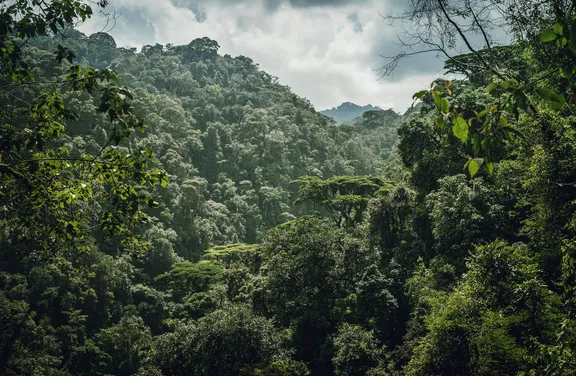
Woodlands and grasslands support diverse plant species and provide habitat for numerous animals. Acacia trees dot the landscape and create classic African safari scenery. Dense forests in some areas offer shelter for wildlife while adding variety to the park’s ecosystems.
Seasonal streams and waterfalls further enhance the natural beauty of the park. These water features contribute to the ecological richness of the environment and attract both wildlife and birds. The combination of water, vegetation, and dramatic landforms creates a landscape that remains visually captivating throughout the year.
Every game drive presents new opportunities to appreciate the park’s scenic diversity. Whether exploring lakeshores, climbing to viewpoints, or driving through forests and open plains, visitors encounter a constantly changing landscape filled with beauty and natural wonder.
Wildlife in Lake Nakuru National Park
Lake Nakuru National Park supports a remarkable variety of wildlife despite its relatively compact size. The park serves as a sanctuary for numerous mammal species and provides excellent opportunities for wildlife viewing throughout the year. Its enclosed ecosystem allows visitors to encounter a wide range of animals within a relatively short period.
One of the park’s greatest conservation achievements involves the protection of rhinos. Lake Nakuru National Park has become one of Kenya’s most important rhino sanctuaries. Visitors frequently encounter both black and white rhinos grazing in the grasslands and woodlands. The park’s successful conservation efforts have contributed significantly to rhino protection in East Africa.
The park also supports large populations of buffaloes, giraffes, zebras, waterbucks, impalas, and warthogs. Rothschild’s giraffes, one of the rarest giraffe subspecies, thrive within the protected environment of Lake Nakuru. Their graceful movements across the landscape create memorable safari moments.
Predators also inhabit the park. Lions roam various sections of the reserve and often rest beneath trees during the heat of the day. Leopards remain more elusive but occasionally appear in wooded areas. Spotted hyenas and smaller carnivores contribute to the park’s ecological balance.
The diverse habitats within the park support wildlife throughout the year. Water sources, forests, and grasslands provide food and shelter for different species. This ecological diversity ensures consistent wildlife sightings regardless of season.
Game drives offer excellent opportunities to observe natural animal behaviors. Visitors may witness grazing herds, territorial displays, predator-prey interactions, and social activities among different species. The park’s manageable size allows guides to maximize wildlife viewing opportunities during every safari.
The Famous Flamingos of Lake Nakuru
Lake Nakuru National Park gained international fame because of its spectacular flamingo populations. For many years, millions of flamingos gathered along the lake’s shores, creating one of the most breathtaking wildlife spectacles in Africa. The sight of vast pink flocks covering the shoreline became one of Kenya’s most iconic tourism images.
Flamingos visit the lake because of the abundance of algae and microorganisms found in the alkaline waters. These food sources support both lesser and greater flamingos. As the birds feed, rest, and move across the lake, they create extraordinary visual displays that attract bird enthusiasts and photographers from around the world.
Although flamingo numbers fluctuate due to changing water levels and environmental conditions, Lake Nakuru continues to attract significant populations of these elegant birds. Visitors still have opportunities to observe flamingos alongside many other bird species that inhabit the park.
The presence of flamingos highlights the ecological importance of the lake. These birds contribute to the unique character of the park and enhance its reputation as one of Africa’s premier birding destinations. Their vibrant pink coloration contrasts beautifully with the blue waters and green vegetation surrounding the lake.
Photographers often spend hours capturing images of flamingos against the backdrop of the Great Rift Valley. Whether viewed from lakeside roads or elevated viewpoints, the birds create unforgettable scenes that remain among the park’s most celebrated attractions.
The flamingos symbolize the natural beauty and biodiversity that make Lake Nakuru National Park such a special destination for travelers seeking unique wildlife experiences.
Bird Watching in Lake Nakuru National Park
Bird watching ranks among the most rewarding activities in Lake Nakuru National Park. The park supports more than 450 bird species, making it one of the finest birding destinations in Africa. Its diverse habitats provide ideal conditions for both resident and migratory birds.
The lake attracts a wide variety of water birds including pelicans, cormorants, herons, storks, egrets, and flamingos. These species gather around the lake throughout the year and create vibrant birdlife spectacles. The abundance of aquatic habitats supports healthy bird populations regardless of season.
Raptors thrive within the park’s ecosystems. Visitors frequently observe African fish eagles, martial eagles, tawny eagles, hawks, falcons, and vultures soaring above the landscape. These birds of prey contribute to the ecological balance while providing exciting sightings for bird enthusiasts.
Woodlands and grasslands support many colorful species such as kingfishers, hornbills, bee-eaters, sunbirds, rollers, and weavers. Their vibrant plumage and fascinating behaviors add excitement to birding excursions and photography opportunities.
Migratory birds arrive during specific seasons and increase the diversity of species available for observation. Birding guides help visitors identify species and understand their ecological roles within the park.
The combination of abundant birdlife, beautiful scenery, and accessible habitats makes Lake Nakuru National Park a paradise for bird watchers. Both experienced ornithologists and casual nature lovers can enjoy exceptional birding experiences throughout the year.
Scenic Attractions and Viewpoints
Lake Nakuru National Park offers several scenic attractions that complement its wildlife experiences. These viewpoints and natural landmarks provide opportunities to appreciate the beauty of the Great Rift Valley while enjoying panoramic views of the park.
Baboon Cliff stands among the most popular viewpoints within the park. Visitors can enjoy sweeping views of Lake Nakuru, surrounding woodlands, and distant hills. The location also offers excellent photography opportunities and frequently attracts wildlife.
Lion Hill provides another spectacular vantage point. From this elevated position, visitors can observe large sections of the park while appreciating the dramatic Rift Valley landscape. The viewpoint offers particularly beautiful scenery during sunrise and sunset.
Makalia Falls represents one of the park’s most attractive natural features. The waterfall flows through a rocky gorge and creates a peaceful environment for sightseeing and photography. The surrounding vegetation attracts birds and other wildlife, adding to the area’s appeal.
The park’s network of scenic roads allows visitors to explore different habitats while enjoying constantly changing landscapes. Every route offers unique perspectives of the lake, forests, grasslands, and wildlife.
These scenic attractions enhance the overall safari experience and provide memorable moments beyond traditional game viewing activities.
Safari Activities in Lake Nakuru National Park
Lake Nakuru National Park offers a variety of activities that cater to different interests. Game drives remain the most popular activity and provide excellent opportunities to observe wildlife and explore the park’s diverse habitats.
Morning and evening game drives often produce the best wildlife sightings. Professional guides help visitors locate animals and provide valuable information about the park’s ecosystems. The park’s compact size allows visitors to cover extensive areas during a single safari.
Bird watching excursions attract nature lovers interested in the park’s impressive avian diversity. Photography safaris provide opportunities to capture images of wildlife, birds, landscapes, and scenic viewpoints.
Nature enthusiasts enjoy exploring different habitats while learning about plants, conservation efforts, and ecological relationships. Scenic drives to viewpoints and waterfalls add variety to safari itineraries.
These activities ensure that visitors enjoy a well-rounded experience that combines wildlife observation, photography, birding, and nature appreciation.
Best Time to Visit Lake Nakuru National Park
Lake Nakuru National Park remains an excellent destination throughout the year. Wildlife viewing stays productive because the park supports resident animal populations and reliable water sources.
The dry seasons generally provide the best conditions for game viewing. During these months, animals gather around water sources and vegetation becomes less dense, making wildlife easier to spot.
Rainy seasons transform the landscape into a lush green environment. Bird activity increases during these periods, and photographers often appreciate the vibrant scenery and dramatic skies.
Because of its accessibility and year-round attractions, the park remains suitable for travel in every season. Visitors can enjoy rewarding experiences regardless of the time of year.
Conclusion
Lake Nakuru National Park stands among Kenya’s most thrilling and rewarding tourist destinations. Its beautiful landscapes, rich wildlife populations, world-famous flamingos, impressive birdlife, and successful conservation programs create a unique safari experience. The park combines natural beauty with exceptional biodiversity, making it a favorite destination for travelers from around the world.
Whether visitors seek rhino encounters, bird watching adventures, scenic photography, or unforgettable wildlife experiences, Lake Nakuru National Park offers something special for everyone. Its location in the Great Rift Valley and its remarkable ecological diversity ensure memorable experiences that leave lasting impressions.
For travelers exploring Kenya’s natural treasures, Lake Nakuru National Park remains one of the finest safari destinations in East Africa.