
Rhino Notching in Akagera National Park
May 14, 2026
Wildlife in Nyungwe National Park
May 14, 2026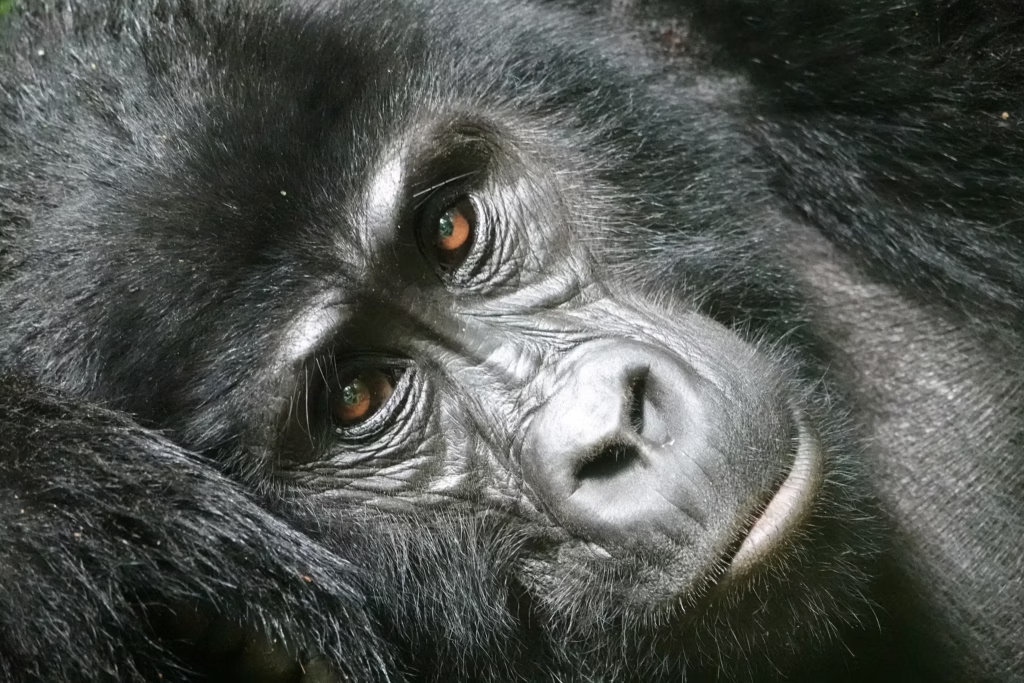
Wildlife in Volcanoes National Park
Volcanoes National Park is one of the most famous wildlife destinations in Rwanda. The park lies in the northwestern part of the country and forms part of the larger Virunga Conservation Area, which extends into Uganda and the Democratic Republic of the Congo. Volcanoes National Park is best known for its mountain gorillas, but it also protects many other wildlife species that thrive in its forests, bamboo zones, swamps, and volcanic slopes.
The park covers a landscape of misty mountains, dense vegetation, open clearings, and rich biodiversity. It includes several volcanoes such as Mount Karisimbi, Mount Bisoke, Mount Sabyinyo, Mount Gahinga, and Mount Muhabura. These mountains create different habitats that support a wide range of animals and birds. Because of this unique environment, the park attracts researchers, photographers, bird lovers, and nature travelers from around the world.
Most visitors know Volcanoes National Park because of gorilla trekking. However, the park offers much more than gorillas. Golden monkeys leap through bamboo forests. Forest buffalo move quietly in the deeper vegetation. Bushbuck, duikers, reptiles, and colorful birds also live in the area. Every visit reveals a new side of Rwanda’s wildlife heritage.
The park also carries global conservation importance. It played a major role in saving endangered mountain gorillas through research and tourism. Today, wildlife tourism supports conservation, local jobs, and community development. Adira Safaris Africa proudly recommends Volcanoes National Park for travelers who want close encounters with rare wildlife in one of Africa’s most scenic environments.
Mountain Gorillas – The Main Attraction
Mountain gorillas are the most famous wildlife species in Volcanoes National Park. They are the main reason many tourists visit Rwanda. These gentle primates live in family groups led by a dominant silverback male. A gorilla family may include females, juveniles, infants, and younger males. Watching them interact in the wild creates one of the most powerful safari experiences in Africa.
Volcanoes National Park forms part of the only habitat where mountain gorillas survive naturally. The species lives in the Virunga Mountains and in Bwindi Impenetrable National Park. Rwanda has invested heavily in gorilla conservation, and this effort has helped increase their numbers over time. Gorilla tourism now stands as one of the country’s greatest conservation success stories.
During gorilla trekking, visitors hike through forest trails with trained guides and trackers. Once they find the assigned gorilla family, guests spend one hour observing the animals. This moment often becomes the highlight of an East African safari. Travelers see gorillas feeding, grooming, resting, playing, and caring for infants. Their human-like behavior leaves lasting memories.
Mountain gorillas feed mainly on leaves, shoots, stems, roots, and wild fruits. They move through the forest in search of food and build new nests each evening. Despite their great size and strength, they are calm animals when left undisturbed.
Tourism fees from gorilla trekking help protect the species and support nearby communities. This model shows how wildlife can create value when managed responsibly. For many visitors, seeing mountain gorillas in Volcanoes National Park is a life-changing experience that builds deep respect for nature.
Golden Monkeys and Other Primates
Golden monkeys are another star attraction in Volcanoes National Park. These playful primates live mainly in the bamboo forests on the lower slopes of the volcanoes. They have bright golden-orange fur, expressive faces, and energetic movements. Their beauty and lively behavior make them a favorite among photographers and wildlife lovers.
Golden monkey trekking offers a different experience from gorilla trekking. The hikes are often shorter and less demanding. Once visitors locate the troop, they watch monkeys jump between bamboo stems, feed on shoots, groom each other, and care for young ones. Their fast movement creates excitement and fun throughout the encounter.
Golden monkeys are endangered and found only in the Virunga region. This makes Volcanoes National Park one of the best places on earth to see them. Rwanda protects their habitat through strong park management and controlled tourism.
The park also supports other primates. Visitors may spot olive baboons moving along forest edges or hear the calls of monkeys hidden high in the canopy. Some species remain shy and harder to see, but they add to the park’s rich biodiversity.
Primates play an important role in forest health. They help spread seeds and influence vegetation growth. Their presence often signals a healthy ecosystem. By protecting gorillas, golden monkeys, and other primates, Rwanda also protects the wider forest environment.
For travelers who love wildlife behavior and close animal encounters, Volcanoes National Park offers rare primate experiences. Seeing both gorillas and golden monkeys on the same trip creates an unforgettable safari.
Mammals and Forest Wildlife
Although gorillas receive most attention, Volcanoes National Park is home to many other mammals. These animals often remain less visible because of the dense forest, but they are important parts of the ecosystem.
Forest buffalo live in some sections of the park. They are smaller and darker than the buffalo seen on open savannah plains. These strong animals prefer thick vegetation and wet areas. Rangers monitor them carefully because they can be unpredictable when disturbed.
Bushbuck and duiker species also live in the forest. These shy antelopes move quietly through undergrowth and feed on leaves, shoots, and fallen fruits. Sharp-eyed visitors sometimes see them crossing trails during early morning treks.
The park also hosts wild pigs such as bush pigs and giant forest hogs in certain habitats. These animals forage in the soil for roots and other food. Though not often seen, they help turn over soil and support natural forest processes.
Small mammals like mongooses, rodents, and bats also live within the park. Many play key ecological roles such as seed dispersal, pollination, and pest control. Predators like servals or smaller carnivores may exist in the broader ecosystem, though sightings are rare.
Volcanoes National Park’s wildlife proves that a forest can be as rich as an open savannah. Many animals stay hidden, which adds mystery and excitement to every walk. Each trek offers a chance to discover something unexpected.
Travelers who appreciate ecosystems rather than only famous species often enjoy the park deeply. The quiet rustle of leaves, distant calls, and sudden wildlife sightings create a true wilderness feeling.
Birdlife in Volcanoes National Park
Volcanoes National Park is also a rewarding destination for birdwatchers. The mix of bamboo forest, montane woodland, swamp areas, and volcanic slopes supports many bird species. Some birds are common, while others are Albertine Rift endemics found in limited regions of East and Central Africa.
Bird lovers may spot turacos with brilliant colors, sunbirds feeding on flowers, weavers, waxbills, and forest robins. Raptors sometimes soar above the mountains, while smaller species move quickly through shrubs and trees. Early morning is often the best time for bird activity.
The park attracts both serious birders and casual visitors. Even during gorilla or monkey trekking, guests often hear beautiful bird calls and see flashes of color in the trees. Guides help identify species and explain their habitats.
Birdlife adds another dimension to the wildlife experience. It shows that the park supports life at every level, from large primates to tiny nectar feeders. This diversity strengthens the ecological value of the area.
Travelers who spend extra time in Volcanoes National Park often combine trekking with dedicated birding walks. This allows them to enjoy a slower pace and deeper connection with nature.
Conservation of Wildlife in Volcanoes National Park
Wildlife in Volcanoes National Park survives because of strong conservation work. Rwanda has built a respected model that links tourism, science, security, and community support. Rangers patrol the forest, researchers monitor animal health, and tourism revenue funds park management.
Mountain gorillas once faced serious threats from habitat loss and poaching. Today, their numbers have improved due to long-term protection. Golden monkeys and other species also benefit from habitat security.
Community programs near the park help local people gain from tourism. Jobs, schools, infrastructure, and cultural enterprises create reasons to support wildlife protection. This reduces pressure on the forest and builds shared responsibility.
Conservation in Volcanoes National Park shows that wildlife can recover when governments, communities, and travelers work together.
Why Visit Volcanoes National Park for Wildlife
Volcanoes National Park offers one of Africa’s most unique wildlife experiences. It combines rare mountain gorillas, endangered golden monkeys, forest mammals, rich birdlife, and dramatic volcanic scenery. Few destinations allow travelers to stand close to gorillas in their natural habitat and then explore other wildlife in the same landscape.
The park is also easy to reach from Kigali, making it ideal for short and extended safaris. Excellent guiding, conservation standards, and scenic beauty add even more value.
Adira Safaris Africa proudly invites travelers to discover the wildlife of Volcanoes National Park. It is a destination where nature, adventure, and conservation meet in unforgettable style.