Lake Kivu Region in Rwanda
May 14, 2026
Wildlife in Volcanoes National Park
May 14, 2026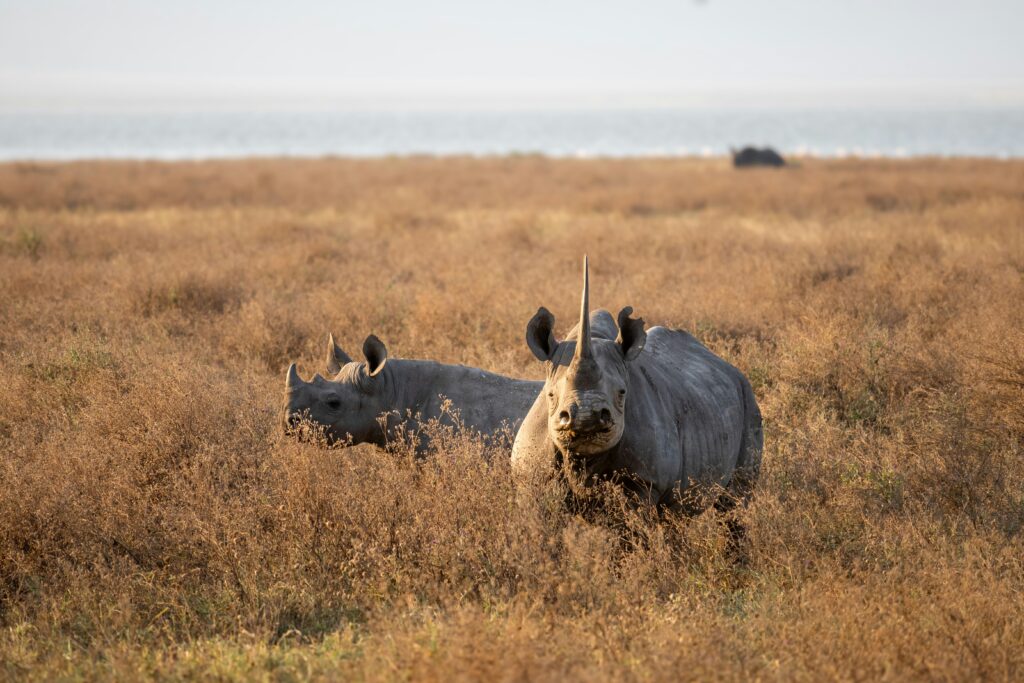
Rhino Notching in Akagera National Park
Rhino notching in Akagera National Park is one of the most exciting wildlife conservation experiences in Rwanda. It gives tourists a rare chance to take part in hands-on conservation work while visiting one of the country’s leading safari destinations. This activity combines adventure, learning, and direct support for rhino protection. Many travelers now seek meaningful tourism experiences, and rhino notching offers exactly that.
Akagera National Park lies in eastern Rwanda along the border with Tanzania. The park is famous for savannah plains, lakes, wetlands, and rich wildlife. It is home to lions, elephants, giraffes, zebras, buffaloes, and both black and white rhinos. Rhino populations in Akagera continue to grow due to strong conservation efforts. Rhino notching plays an important role in that progress.
During the rhino notching experience, wildlife experts safely sedate a rhino for a short period. A small notch is then placed on the ear in a coded pattern. This mark helps park teams identify individual animals from a distance. Rangers and researchers use the information to monitor movement, health, breeding, and behavior. The process causes minimal discomfort and supports long-term rhino management.
Tourists who join this activity witness every stage under expert guidance. They also learn how science and tourism work together to protect endangered species. Few safari experiences allow visitors to participate so closely in conservation action. Rhino notching in Akagera therefore stands out as one of Rwanda’s most special tourism activities.
Adira Safaris Africa proudly recommends rhino notching for travelers who want more than a game drive. It is a chance to create memories while helping secure the future of rhinos in Africa.
What Rhino Notching Means
Rhino notching is a wildlife identification method used in many protected areas across Africa. The process involves making small, carefully measured cuts on the edge of a rhino’s ear. Each notch pattern is unique. It acts like an identification code for that individual animal. Rangers can later recognize the rhino through binoculars, camera images, or field observations.
This system helps conservation teams track rhinos without needing to capture them repeatedly. It saves time and reduces stress on the animals. Once a rhino has a notch code, researchers can record where it moves, how often it breeds, how it interacts with others, and whether it faces threats. These details help park managers make better conservation decisions.
In Akagera National Park, rhino notching became more important after rhinos were successfully reintroduced. Akagera National Park once lost its rhino population due to poaching and human pressure in past decades. Later, Rwanda restored the species through reintroduction programs and strong security measures. Since then, the rhino population has grown steadily. Proper monitoring now remains essential.
Tourists often assume rhino notching harms the animal. In reality, the ear notch resembles tagging livestock ears but follows strict veterinary standards. Professionals use clean tools, careful measurements, and a short working time. The animal remains under observation until it fully recovers from sedation. Safety comes first throughout the exercise.
The value of rhino notching goes beyond identification. It builds awareness and creates funding opportunities through conservation tourism. Visitors who join the activity often leave with a stronger respect for wildlife protection. They become ambassadors for rhino conservation after returning home.
The Rhino Notching Experience for Tourists
Rhino notching in Akagera offers one of the most immersive wildlife encounters in Africa. The experience usually starts early in the morning when temperatures are cooler and rhinos are easier to locate. Participants meet park guides, rangers, veterinarians, and conservation staff for a safety briefing. The team explains the day’s plan and outlines the importance of the exercise.
Visitors then drive into the park in search of the selected rhino. Tracking teams use field knowledge, radio communication, and recent sightings to locate the animal. This stage already feels like a real conservation mission. Guests often enjoy seeing other wildlife during the search, including giraffes, zebras, antelopes, and elephants.
Once the rhino is found, the veterinary team carries out a controlled sedation process from a safe distance. Only trained professionals handle this step. After the rhino becomes calm, the team approaches quickly and begins health checks, measurements, and identification work. Guests may observe from a secure distance and, when allowed, move closer under guidance.
Tourists can engage physically in the activity through approved tasks. They may assist by holding equipment, recording notes, helping with measuring tape, or taking part in educational procedures supervised by staff. This direct involvement makes the experience deeply memorable.
The ear notching follows a precise code system. Staff then apply any needed treatment, collect data, and prepare the rhino for recovery. Everyone steps back while the animal wakes and returns to the wild.
Participants often describe this moment as emotional and inspiring. Watching a powerful rhino rise and walk away reminds visitors why conservation matters. Few tourism activities create such a strong connection between people and wildlife.
Importance of Rhino Conservation in Akagera
Rhinos are among the most threatened large mammals in the world. Poaching, habitat loss, and illegal wildlife trade have reduced populations in many areas. Protecting rhinos requires constant effort, strong law enforcement, scientific monitoring, and public support. Akagera National Park has become a positive example of what determined conservation can achieve.
Rwanda’s decision to restore rhinos to Akagera marked a major milestone for national tourism and biodiversity. Reintroduced black rhinos and later white rhinos now help rebuild a complete ecosystem. Rhinos shape vegetation through grazing and browsing. Their presence supports ecological balance across the savannah landscape.
Rhinos also add value to tourism. Many visitors dream of seeing the Big Five, which includes lion, leopard, elephant, buffalo, and rhino. With rhinos back in Akagera, Rwanda now offers a stronger safari experience. Tourism revenue then helps fund ranger salaries, community projects, infrastructure, and wildlife protection.
Rhino notching strengthens these gains. Accurate identification helps teams know how many rhinos live in the park and how each one performs over time. It also supports breeding management and rapid response if a rhino goes missing or gets injured.
When tourists join rhino notching, they contribute directly through fees and awareness. Their participation turns travel into action. Instead of only observing animals, they help secure the future of an endangered species.
Akagera’s conservation success shows that wildlife recovery is possible when governments, private partners, communities, and travelers work together. Rhino notching stands at the center of that story.
Best Time and How to Plan Rhino Notching
Rhino notching in Akagera usually takes place on selected dates based on park management needs. It is not a daily tourist activity. Because of this, travelers should plan well in advance. Booking through trusted safari experts such as Adira Safaris Africa helps secure accurate schedules and proper permits.
The dry seasons often provide the best conditions for wildlife activities in Rwanda. These months usually bring easier road access and clearer movement inside the park. However, the final timing depends more on conservation priorities than tourism seasons. Park authorities choose dates that suit rhino welfare and operational success.
Visitors should prepare for an early start, outdoor weather, and several hours in the field. Neutral clothing, closed shoes, sunscreen, a hat, and drinking water are useful. Cameras may be allowed in some stages, but guests must always follow ranger instructions.
Travelers often combine rhino notching with classic Akagera game drives, boat safaris on Lake Ihema, birdwatching, and luxury lodge stays. This creates a complete safari experience with both adventure and conservation value.
Because spaces are limited, the activity feels exclusive. Small groups also help maintain safety and reduce disturbance. This makes the experience more personal and rewarding.
Why Choose Rhino Notching with Adira Safaris Africa
Adira Safaris Africa offers professional planning for travelers who want authentic and responsible wildlife experiences. Rhino notching in Akagera requires careful coordination, updated schedules, transport planning, and expert advice. Our team helps guests arrange every detail with ease.
We design journeys that combine comfort, conservation, and unforgettable moments. Guests can pair rhino notching with gorilla trekking, Kigali city tours, cultural visits, or longer East African safaris. We focus on quality service and smooth travel from arrival to departure.
Travel with Adira Safaris Africa means supporting sustainable tourism. We value wildlife protection, community benefits, and memorable guest experiences. Rhino notching reflects these values perfectly.
Conclusion
Rhino notching in Akagera National Park is more than a tourist activity. It is a rare opportunity to engage physically in real conservation work. Visitors help wildlife experts monitor endangered rhinos while learning about one of Africa’s greatest recovery stories.
The experience combines excitement, education, and purpose. It allows travelers to stand close to one of nature’s most iconic animals and contribute to its future. For anyone seeking meaningful travel in Rwanda, rhino notching is an outstanding choice.
Adira Safaris Africa proudly invites you to discover this extraordinary conservation adventure in Akagera National Park.