
Wildlife in Queen Elizabeth National Park
April 11, 2026
Where Do I Walk in Queen Elizabeth National Park
April 12, 2026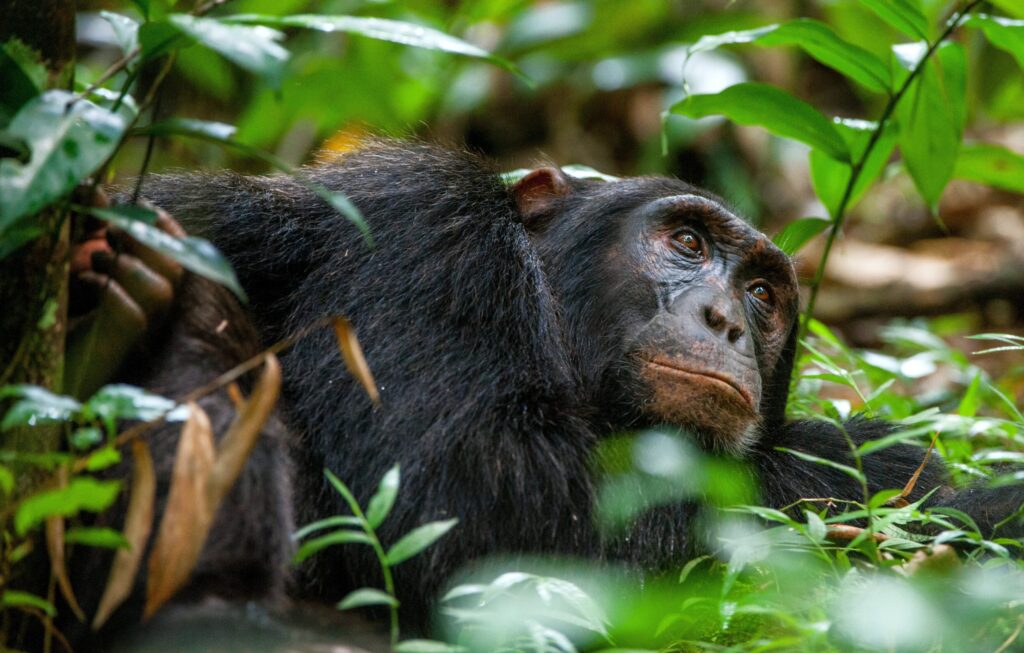
Wildlife in Kibale Forest National Park
Kibale Forest National Park stands as one of the most remarkable destinations for wildlife viewing in Uganda. Though it ranks among the smaller national parks in the country, it offers an incredibly rich and diverse ecosystem. The park lies in western Uganda and forms part of a continuous tropical forest that stretches across the Albertine Rift. This region supports a high concentration of biodiversity and attracts nature lovers, researchers, and safari travelers from around the world.
Kibale Forest National Park has gained global recognition for its exceptional primate population. Many visitors refer to it as the “primate capital of the world.” The park covers approximately 795 square kilometers and features a mix of evergreen and semi-deciduous forest. It also includes grasslands and swamp habitats. This varied landscape creates ideal conditions for different species to thrive.
Wildlife in Kibale does not only revolve around chimpanzees. The park hosts a wide range of mammals, birds, reptiles, and insects. However, primates remain the main attraction. Travelers who visit Kibale often combine wildlife exploration with guided forest walks. These experiences allow close encounters with animals in their natural environment.
Adira Safaris Africa proudly introduces Kibale Forest National Park as a must-visit destination for anyone interested in authentic African wildlife experiences. The park delivers both adventure and education. It also offers a peaceful atmosphere surrounded by lush greenery. Every visit reveals something unique. Whether you are a first-time traveler or a seasoned explorer, Kibale provides unforgettable wildlife encounters.
Wildlife Variety in Kibale Forest National Park
Kibale Forest National Park supports an impressive range of wildlife species. The park’s ecosystem allows many animals to coexist in a relatively small area. This diversity makes it one of the most rewarding wildlife destinations in Uganda. Visitors enjoy sightings of primates, forest mammals, and smaller creatures during their exploration.
The forest hosts several mammal species beyond primates. These include forest elephants, bush pigs, and duikers. Though these animals remain elusive, visitors sometimes spot them during guided walks or night excursions. The dense vegetation provides natural cover, which makes sightings rare but exciting.
Birdlife also thrives in Kibale. The park attracts birdwatchers due to its variety of forest bird species. Many birds display bright colors and unique calls. This adds to the overall experience of exploring the forest. Visitors often hear bird songs echo through the trees as they walk along forest trails.
Reptiles and amphibians also form part of the wildlife variety. Though not always easy to see, these species contribute to the ecological balance of the park. Insects, including butterflies, further enrich the environment. Their presence highlights the health of the forest ecosystem.
Kibale’s wildlife variety makes every visit dynamic. No two experiences feel the same. Each trail reveals different species and interactions. This constant change keeps visitors engaged throughout their stay. Adira Safaris Africa encourages travelers to take their time while exploring. Patience often leads to the most rewarding wildlife encounters.
Primate Species in Kibale Forest National Park
Kibale Forest National Park is home to 13 primate species. This makes it one of the best locations in Africa for primate tracking. The park’s dense forest provides ideal shelter and food sources for these animals. Each species plays a role in maintaining the forest ecosystem.
The most famous primate in Kibale is the Chimpanzee. These intelligent animals share a high percentage of DNA with humans. Visitors come from across the globe to observe them in their natural habitat. Chimpanzee tracking forms the highlight of most safaris in the park. Guided treks lead visitors through the forest in search of habituated groups.
Other primates include red colobus monkeys, black-and-white colobus monkeys, grey-cheeked mangabeys, and L’Hoest’s monkeys. Each species has unique behavior and social structure. Some move in large groups, while others prefer smaller family units. Their movements through the forest create lively scenes that captivate visitors.
Primate tracking in Kibale offers both excitement and education. Guides share detailed information about each species. They explain feeding habits, communication methods, and group dynamics. Visitors gain a deeper understanding of primate life through these interactions.
The presence of 13 primate species sets Kibale apart from other parks. It provides unmatched opportunities for close observation. Adira Safaris Africa recommends early morning tracking for the best experience. During this time, primates remain active and easier to locate. The forest comes alive with movement and sound, creating an immersive wildlife experience.
Chimpanzee Tracking Experience
Chimpanzee tracking remains the most popular activity in Kibale Forest National Park. Visitors consider it the highlight of their safari. The experience begins with a briefing at the park headquarters. Rangers provide guidelines and safety instructions. They also share information about chimpanzee behavior.
Guided groups then enter the forest in search of chimpanzees. The trek can last several hours depending on the location of the animals. Visitors walk through dense vegetation and listen for calls that signal the presence of chimpanzees. The anticipation builds as the group moves deeper into the forest.
Once located, visitors spend time observing the chimpanzees. They watch as the animals feed, groom, and interact. The experience feels intimate and authentic. Observing chimpanzees in the wild creates a strong emotional connection. Many visitors describe it as a life-changing moment.
Chimpanzees display complex social behavior. They communicate using vocalizations, gestures, and facial expressions. Watching these interactions provides insight into their intelligence. Visitors also notice similarities between chimpanzees and humans.
Adira Safaris Africa ensures that guests enjoy a well-organized tracking experience. Professional guides lead every trek. They prioritize safety and conservation. Visitors must follow rules to protect both themselves and the animals. This includes maintaining distance and avoiding sudden movements.
Chimpanzee tracking in Kibale offers more than just wildlife viewing. It provides a deeper appreciation for nature. The experience highlights the importance of conservation and responsible tourism.
Other Wildlife Encounters in Kibale Forest
While primates dominate the spotlight, Kibale Forest National Park offers more wildlife encounters. The forest environment supports a range of hidden species. Visitors who explore beyond primate tracking often discover additional treasures.
Forest elephants roam parts of the park. Though sightings remain rare, their presence adds to the park’s diversity. These elephants differ from savannah elephants. They are smaller and adapted to forest life. Visitors may also encounter bush pigs and antelope species such as duikers.
Night walks reveal a different side of Kibale’s wildlife. Nocturnal animals become active after sunset. Visitors may spot creatures that remain hidden during the day. This adds variety to the safari experience. Guides use flashlights to locate animals without disturbing them.
Butterflies and insects also enhance wildlife encounters. Their colors and patterns create a vibrant atmosphere. They move through the forest, adding life to every corner. These smaller species often go unnoticed but play a crucial role in the ecosystem.
Kibale’s wildlife encounters extend beyond large animals. The park offers a complete natural experience. Every layer of the ecosystem contributes to its beauty. Adira Safaris Africa encourages visitors to appreciate both major and minor species. This approach creates a richer and more meaningful safari.
Best Time to Experience Wildlife in Kibale
Kibale Forest National Park offers wildlife viewing throughout the year. However, certain seasons provide better conditions for exploration. Understanding these patterns helps visitors plan a successful safari.
The dry seasons present the best time for chimpanzee tracking. Trails remain easier to navigate, and the forest becomes less dense. This improves visibility and increases the chances of spotting wildlife. The main dry periods occur from June to September and December to February.
During the wet seasons, the forest becomes lush and vibrant. Though trails may become muddy, the scenery appears more dramatic. Wildlife remains active, but tracking may require more effort. Visitors who enjoy fewer crowds may prefer this time.
Birdwatching peaks during the wet seasons. Migratory birds join resident species, creating a diverse bird population. This attracts bird enthusiasts looking for unique sightings. The forest resonates with bird calls during this period.
Adira Safaris Africa helps travelers choose the best time based on their interests. Each season offers a different experience. Whether you prefer easier trekking or lush landscapes, Kibale delivers year-round wildlife encounters.
Conservation and Sustainable Tourism
Kibale Forest National Park plays a vital role in wildlife conservation. The park protects endangered species and preserves their natural habitat. Conservation efforts focus on maintaining ecological balance and supporting local communities.
Chimpanzee conservation remains a top priority. Organizations work closely with park authorities to monitor populations. They also promote responsible tourism practices. Visitors must follow strict guidelines during tracking to minimize disturbance.
Sustainable tourism supports both wildlife and local communities. Revenue generated from tourism contributes to conservation programs. It also provides income for surrounding communities. This encourages people to protect the forest rather than exploit it.
Education forms a key part of conservation efforts. Visitors learn about the importance of preserving ecosystems. They also understand the challenges facing wildlife. This awareness promotes responsible travel behavior.
Adira Safaris Africa remains committed to sustainable tourism. The company works with local guides and supports conservation initiatives. By choosing responsible travel, visitors help protect Kibale for future generations.
Conclusion
Kibale Forest National Park offers one of the most unique wildlife experiences in Uganda. Despite its smaller size, the park delivers exceptional biodiversity. Its reputation as a primate haven makes it a top safari destination. With 13 primate species, including chimpanzees, Kibale stands out as a leader in wildlife tourism.
The park’s rich ecosystem supports a wide range of species. From mammals and birds to insects and reptiles, every element contributes to its beauty. Visitors enjoy immersive experiences through guided walks and tracking adventures. Each visit reveals new discoveries and unforgettable moments.
Chimpanzee tracking remains the highlight of any trip to Kibale. It offers close encounters with one of the most intelligent animals on earth. Combined with other wildlife experiences, it creates a well-rounded safari.
Adira Safaris Africa invites travelers to explore Kibale Forest National Park. The park promises adventure, education, and connection with nature. It also highlights the importance of conservation and sustainable tourism. A visit to Kibale leaves lasting memories and a deeper appreciation for wildlife