

Why the Dry Season is Perfect for Your Uganda Savannah Safari
September 16, 2026
Discovering the Secrets of Katwe Salt Lake
September 18, 2026
Tourist Safety During a Boat Cruise to the Waterfalls
Introduction
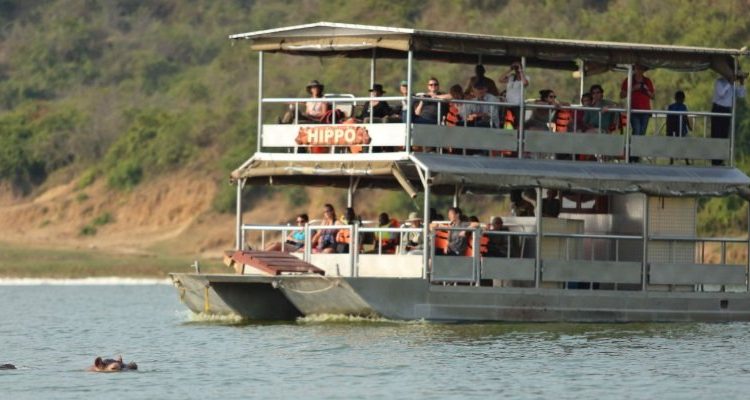
A boat cruise to the waterfalls offers an exciting way to experience Africa’s natural beauty. Visitors can enjoy peaceful water, dramatic landscapes, beautiful wildlife, and the powerful sound of falling water. The journey can create unforgettable memories for families, couples, groups, photographers, and adventure travellers. However, every water-based activity requires care, preparation, and responsible behaviour.
At Adira Safaris, we place tourist safety at the centre of every boat cruise. Our team understands that visitors want to enjoy the experience with confidence and peace of mind. We work with well-trained guides who support travellers from the beginning of the journey until the boat returns safely to shore. Our guides explain the route, provide safety instructions, answer questions, and help guests respond to changing conditions on the water.
A safe boat cruise does not reduce the excitement of the adventure. Instead, it allows visitors to relax and enjoy the scenery. When travellers understand the safety rules, they can focus on the beauty of the waterfalls, the surrounding environment, and the wildlife that may appear along the route.
This guide explains the main safety measures that tourists should expect during a boat cruise to the waterfalls. It also shares practical advice that can help visitors prepare for the trip. From wearing a life jacket to following the guide’s instructions, each action supports a safe and enjoyable experience.
Why Safety Matters During a Waterfall Boat Cruise
Waterfalls create a powerful and beautiful environment. The water may move gently in some areas and flow quickly in others. Currents can change as the boat approaches rocks, channels, islands, or the wider waterfall area. Weather can also affect the water conditions. Strong wind, rain, mist, and changes in visibility may influence the journey.
For these reasons, visitors should treat a waterfall boat cruise as an outdoor adventure. Even when the water looks calm, passengers must follow the instructions of the crew. They should not assume that they understand the water conditions simply because they have experience with other boat trips.
Safety helps protect every person on board. It also supports the protection of the boat, wildlife, and surrounding environment. Responsible tourists avoid sudden movements, keep the boat balanced, and respect the instructions given by the guide. These simple habits help the captain and crew control the boat properly.
At Adira Safaris, we believe that good preparation creates a better travel experience. Our guides explain the important rules before departure. They also remain alert throughout the cruise. Their training helps them identify potential risks, communicate clearly, and support passengers when necessary.
Tourists should also play an active role in their own safety. They should listen carefully during the briefing, ask questions when something is unclear, and report discomfort or concerns to the guide. A cooperative relationship between travellers and guides makes the boat cruise safer for everyone.
Well-Trained Guides Support Tourist Safety
One of the most important safety features during a boat cruise is the presence of well-trained guides. These professionals understand the local water environment, the route, the weather patterns, and the practical needs of visitors. They know how to lead a group while keeping safety in mind.
Before the cruise begins, the guide usually provides a safety briefing. This briefing may cover the correct use of life jackets, seating arrangements, movement inside the boat, emergency procedures, and actions to take if the boat stops unexpectedly. The guide may also explain the areas where passengers should avoid standing or leaning over the side.
A good guide does more than deliver instructions. The guide watches the group throughout the journey. They check whether passengers remain comfortable and secure. They also help children, older travellers, and guests who may need additional support. If a visitor feels nervous, the guide can offer reassurance and explain what to expect.
Guides also help passengers understand the environment. They may point out safe viewing areas, wildlife, islands, rock formations, and other natural features. Their knowledge adds value to the journey while supporting responsible tourism.
At Adira Safaris, our guides aim to create a friendly and professional atmosphere. They welcome questions and encourage guests to communicate openly. Travellers should feel comfortable asking for clarification at any time. Clear communication can prevent misunderstandings and helps everyone follow the safety procedures correctly.
The guide’s instructions always take priority during the cruise. Tourists should follow them even when they want to take a photograph, move to another seat, or get a closer view of the waterfalls. A guide may ask passengers to remain seated or keep their hands inside the boat for a specific safety reason.
Life Jackets and Essential Safety Equipment
Every passenger should receive a suitable life jacket before the boat leaves the shore. Travellers must wear the life jacket correctly throughout the cruise. The jacket should fit securely but remain comfortable. Guests should not loosen or remove it while the boat is moving.
A life jacket provides important support if a passenger falls into the water or if an unexpected situation affects the boat. It helps a person remain visible and supported while the crew responds. Even confident swimmers should wear a life jacket because strong currents and cold water can create serious challenges.
Passengers should check the life jacket before departure. They can make sure that the straps close properly and that the jacket fits their body. If the jacket feels too loose, too tight, or damaged, the passenger should inform the guide immediately. The crew can provide a more suitable option.
The boat should also carry essential safety equipment. This equipment may include first-aid supplies, communication devices, flotation equipment, emergency tools, and other items required for the journey. The crew should know where the equipment is located and how to use it.
Travellers should avoid placing bags or personal belongings in areas that block safety equipment. They should keep walkways and exits clear. A tidy boat allows passengers and crew to move quickly if they need to respond to an emergency.
Adira Safaris encourages visitors to treat safety equipment with respect. Guests should not play with life jackets or other equipment. They should also avoid removing safety items from their assigned locations without permission. These rules protect everyone on board.
Following the Safety Briefing Before Departure
The pre-cruise safety briefing provides important information. Passengers should listen carefully, even if they have taken a boat trip before. Each location has different water conditions, routes, rules, and emergency procedures.
During the briefing, the guide may explain how passengers should sit, where they should place their feet, and how they should move if the crew gives instructions. The guide may also explain what to do if a passenger feels unwell, loses a personal item, or needs help.
Tourists should avoid talking during the briefing. They should wait until the guide finishes explaining the main points before asking questions. A short question can help prevent confusion later in the journey.
Parents and guardians should make sure that children understand the basic safety rules. Children should remain seated and stay close to the adults responsible for them. Parents should also explain why children must not lean over the side of the boat or stand without permission.
The briefing may also include information about weather conditions. The crew may change the route or delay the trip if the conditions become unsafe. Travellers should understand that these decisions protect their safety. A route change may also help protect the boat and the natural environment.
At Adira Safaris, we encourage every guest to take the briefing seriously. The information may take only a few minutes to explain, but it can make a major difference during the cruise.
Safe Behaviour Inside the Boat
Passenger behaviour plays an important role in boat safety. Everyone should remain seated unless the guide gives permission to move. Sudden movements can affect the balance of the boat. They can also cause a passenger to lose their footing.
Guests should keep their hands, arms, and personal items inside the boat when the vessel moves close to rocks, vegetation, or other boats. They should not reach toward the water or attempt to touch wildlife. Animals can react unpredictably, and the water near waterfalls may contain strong currents.
Passengers should never stand on seats, climb on railings, or move to the front of the boat without permission. These actions can increase the risk of falling. They can also make it more difficult for the captain to control the boat.
Tourists should keep heavy bags securely on the floor or in the storage area provided by the crew. They should not place luggage where it may slide across the boat. Loose items can injure passengers or interfere with movement.
Guests should also respect the seating arrangements. The crew may distribute passengers in a particular way to maintain balance. Travellers should not change seats repeatedly or gather on one side of the boat.
If the guide asks everyone to remain still, passengers should follow the request immediately. The guide may need to navigate through a narrow passage, avoid an obstacle, or respond to a change in water conditions.
These rules may appear simple, but they help create a safe and comfortable atmosphere. Responsible behaviour also allows every passenger to enjoy a clear view of the waterfalls.
Understanding Water Conditions Near Waterfalls
Waterfalls create strong natural forces. The water may flow rapidly as it approaches the edge, moves through channels, or continues downstream. Rocks can remain slippery, and mist can reduce visibility. These conditions require careful attention.
Passengers should never attempt to swim near the waterfalls unless the crew clearly identifies a safe and approved swimming area. They should also avoid jumping from the boat into the water. Even experienced swimmers may struggle with currents, cold water, hidden rocks, or changing depths.
The safest way to enjoy the waterfalls is from the designated viewing areas on the boat or from approved land-based viewpoints. Guests can take photographs, observe the landscape, and listen to the water without entering dangerous zones.
A trained guide understands the route and knows which areas require extra caution. The guide may ask passengers to remain seated as the boat approaches certain sections. Travellers should follow these instructions without delay.
Weather can also affect water conditions. Heavy rain may increase water levels and make the current stronger. Strong winds can affect the boat’s movement. Mist may reduce visibility around the falls. The captain and guide may therefore adjust the timing or route.
At Adira Safaris, we respect the power of nature. We do not encourage risky behaviour for photographs or personal excitement. A safe distance and careful observation allow visitors to appreciate the waterfalls while protecting themselves and the natural area.
Weather Awareness and Appropriate Clothing
Tourists should check the expected weather before the boat cruise. They should prepare for changing conditions, especially in areas with tropical or seasonal climates. The weather can become warmer, cooler, wetter, or windier during the journey.
Comfortable clothing allows passengers to move safely. Visitors should wear lightweight clothing that dries reasonably quickly. They should also carry a waterproof jacket or rain cover if the area has frequent rain or mist.
Non-slip footwear provides better stability. Sandals with secure straps or shoes with good grip may work well. Guests should avoid loose footwear that can fall off or create a tripping risk.
A hat can protect passengers from strong sunlight, but travellers should secure it properly. Wind from the moving boat can easily carry away loose hats. Sunglasses can also improve comfort, although passengers should use a strap if possible.
Visitors should apply sunscreen before departure and carry extra protection when appropriate. They should drink enough water, particularly during hot weather. Dehydration can cause tiredness, dizziness, and discomfort.
Tourists should protect cameras and mobile phones from water and mist. A waterproof bag or protective case can help prevent damage. Guests should avoid focusing so much on photography that they ignore safety instructions.
If a passenger feels cold, dizzy, sick, or uncomfortable, they should inform the guide. The crew can provide support and recommend the safest response. Visitors should not hide symptoms because they do not want to interrupt the experience.
Keeping Children and Vulnerable Travellers Safe
Families can enjoy waterfall boat cruises, but adults must supervise children carefully. Young passengers should remain close to their parents or guardians throughout the journey. They should not walk around the boat, lean over the side, or touch the water.
Parents should explain the safety rules in language that children can understand. They can tell children to keep their life jackets on, remain seated, and listen to the guide. Adults should also avoid giving children loose objects that may fall into the water.
Older travellers and guests with mobility concerns should inform Adira Safaris before the trip. This information helps the team plan suitable assistance. The crew may recommend appropriate seating or provide support when passengers enter and leave the boat.
Pregnant travellers, people with medical conditions, and guests who experience motion sickness should also communicate with the tour team. The crew can provide general practical guidance and help the visitor decide whether the activity suits their needs. Travellers should follow advice from their qualified healthcare provider for medical concerns.
Every passenger deserves a safe and respectful experience. A professional guide pays attention to the needs of the whole group. Guests should also show patience and consideration toward travellers who need more time or assistance.
Boat Boarding and Disembarking Safety
Boarding the boat requires care. Passengers should wait for the crew to give permission before stepping on board. They should use handrails where available and keep their balance while moving across the boarding area.
Travellers should avoid rushing, pushing, or carrying too many items during boarding. They should allow the crew to assist children, older guests, and anyone who needs support.
The same care applies when leaving the boat. Passengers should remain seated until the boat reaches the approved landing point and the guide gives instructions. They should step onto the shore only when the crew confirms that it is safe.
Wet surfaces can become slippery. Guests should take small, steady steps and use available handrails. They should not jump from the boat to the shore or attempt to leave before the crew secures the vessel.
Passengers should collect their belongings carefully. They should check the floor and storage areas before leaving. Guests should never reach into the water to retrieve an item. They should tell the guide if something falls overboard.
Good boarding procedures help prevent slips, falls, and confusion. They also allow the crew to manage the group in an organised way.
Protecting Personal Belongings During the Cruise
A boat cruise often involves water spray, rain, and mist. Tourists should protect valuable items before they board. Waterproof pouches, dry bags, and sealed protective cases can help keep phones, cameras, travel documents, and money safe.
Passengers should carry only the items they need. Large bags can take up space and create obstacles inside the boat. Guests should ask the crew where to store larger belongings.
Visitors should use wrist straps or neck straps when carrying cameras and phones. They should hold devices securely when taking photographs. A single moment of distraction can lead to a device falling into the water or a passenger losing balance.
Tourists should not place phones, cameras, or bags on the edge of the boat. Items can slide or fall when the boat moves. They should also avoid leaving valuables unattended when the group leaves the boat.
Adira Safaris encourages responsible photography. Guests can take beautiful images while remaining seated and following the instructions of the guide. The best photograph should never require a passenger to take an unnecessary risk.
Responsible Wildlife Viewing
Many African waterways support a wide range of wildlife. Passengers may see birds, reptiles, fish, hippos, elephants, or other animals, depending on the location and season. Wildlife viewing adds great value to a waterfall boat cruise.
However, tourists must observe animals from a safe distance. They should never attempt to feed, touch, chase, or attract wildlife. Feeding animals can change their natural behaviour and create risks for future visitors.
Guests should keep their voices low when the boat approaches wildlife. Sudden shouting or movement can disturb animals. A calm group has a better opportunity to observe nature respectfully.
Passengers should also avoid throwing food, plastic, or any other item into the water. Litter can harm wildlife and damage the ecosystem. Responsible visitors take all waste back to the appropriate disposal points.
The guide helps passengers understand how to behave around animals. Travellers should always follow the guide’s instructions. A safe wildlife encounter protects both people and animals.
What to Do in an Emergency
Although safety procedures reduce risks, passengers should know how to respond if an emergency occurs. The first step is to remain calm and listen to the guide. Panic can make it harder for passengers to follow instructions.
Guests should keep their life jackets on and remain in the position instructed by the crew. They should not jump into the water unless the guide or captain gives a clear instruction. The safest response depends on the situation, the location, and the water conditions.
Passengers should avoid crowding one side of the boat. They should remain seated or hold a secure position. If someone falls into the water, other passengers should alert the guide immediately and avoid reaching over the side.
Guests should also tell the crew if they feel unwell or notice a safety concern. Early communication allows the team to respond before a minor issue becomes more serious.
At Adira Safaris, our guides receive training that helps them manage common boat-related situations. Their role includes communicating clearly, supporting passengers, and coordinating with the boat crew when necessary.
Travellers should remember that following instructions quickly can help protect the entire group. The guide may give short and direct commands during an emergency. Passengers should listen carefully and respond without delay.
Choosing a Responsible and Safety-Focused Tour Operator
Tourists should choose a tour operator that treats safety as a priority. Before booking a boat cruise, visitors can ask about guide training, safety equipment, life jackets, boat maintenance, weather procedures, and emergency plans.
A professional operator should provide clear information before the journey. The company should not encourage passengers to ignore safety rules or take unnecessary risks. It should also respect local regulations and environmental guidelines.
Adira Safaris focuses on professional service, responsible travel, and guest care. Our team understands that a successful boat cruise requires more than a beautiful destination. It also requires planning, trained personnel, suitable equipment, and clear communication.
Guests should feel comfortable raising questions before the trip. They can ask what clothing to wear, what items to bring, and whether the activity suits their needs. A transparent tour operator welcomes these questions.
Visitors should also consider the company’s approach to the environment. A responsible operator avoids damaging vegetation, disturbing wildlife, or leaving waste behind. Sustainable tourism helps protect waterfalls and waterways for future generations.
Frequently Asked Questions About Waterfall Boat Cruise Safety
Is a boat cruise to the waterfalls safe for tourists?
A boat cruise can provide a safe and enjoyable experience when the operator follows proper safety procedures. Passengers should wear life jackets, listen to trained guides, remain seated when instructed, and respect the water environment.
Do passengers receive safety instructions before the cruise?
Yes. A professional tour operator should provide a safety briefing before departure. The briefing usually covers life jackets, seating, movement inside the boat, emergency procedures, and responsible behaviour.
Are guides available during the entire boat cruise?
Well-trained guides remain available throughout the experience. They explain the route, monitor passengers, provide information, and help the group respond to changing conditions.
What should tourists wear on a waterfall boat trip?
Visitors should wear comfortable clothing and secure, non-slip footwear. A waterproof jacket, sunscreen, sunglasses, and a hat may also prove useful. Passengers should protect electronic devices from water and mist.
Can visitors swim near the waterfalls?
Visitors should not swim near waterfalls or strong currents unless the guide identifies a clearly approved and safe area. Guests should never jump from the boat into the water without permission.
What happens if the weather changes?
The captain and tour team monitor the conditions. They may adjust the route, delay the cruise, or stop the activity if necessary. These decisions protect passengers and support responsible travel.
How can families keep children safe?
Adults should supervise children closely. Children should wear life jackets, remain seated, avoid the edges of the boat, and follow the guide’s instructions throughout the journey.
Final Thoughts
A boat cruise to the waterfalls offers a memorable way to discover Africa’s landscapes and waterways. Visitors can enjoy the beauty of the water, the sound of the falls, the surrounding wildlife, and the knowledge of experienced guides. With the right preparation, the experience can remain both exciting and safe.
Tourist safety depends on cooperation between the tour operator, the boat crew, the guides, and every passenger. Well-trained guides provide essential support. Life jackets and safety equipment offer added protection. Clear instructions help travellers make responsible decisions. Careful behaviour protects people, wildlife, and the environment.
At Adira Safaris, we work to make every boat cruise comfortable, organised, and enjoyable. Our guides help guests understand the safety procedures and appreciate the natural surroundings. We encourage all travellers to listen carefully, ask questions, respect the water, and follow the instructions provided.
The best adventure combines discovery with responsibility. When tourists prepare well and follow the safety rules, they can enjoy a remarkable boat cruise to the waterfalls with confidence. Adira Safaris welcomes you to experience Africa’s natural beauty in a safe, respectful, and memorable way.