Kibale Forest Elephants
April 23, 2026
Cave Elephants on Mount Elgon
April 23, 2026
Why Lake Mburo National Park Has No Elephants
Lake Mburo National Park offers a wildlife experience that feels different from many other safari destinations in Uganda. The park lies in western Uganda, between Kampala and the larger savannah parks. It is one of the smallest national parks in the country, yet it holds a rich diversity of wildlife and landscapes.
Visitors often notice one striking fact. The park hosts large herds of zebras but has no elephants. This creates curiosity among travelers. Many expect elephants to appear in every savannah park in Africa. However, Lake Mburo tells a different story. Its ecosystem supports certain species very well while limiting others.
The park features rolling hills, open grasslands, acacia woodlands, and wetlands. These habitats provide ideal conditions for animals such as zebras, impalas, and buffaloes. At the same time, these conditions do not fully meet the needs of elephants.
Adira Safaris Africa presents this destination as a place to understand how ecosystems shape wildlife distribution. Visitors learn that each park has its own ecological balance. Lake Mburo stands as a perfect example of how nature selects which species can thrive in a given environment.
The Presence of Zebras in Lake Mburo
Plains Zebra thrive in Lake Mburo National Park. In fact, the park holds the largest population of zebras in Uganda. These animals adapt well to the park’s open grasslands and scattered woodlands.
Zebras prefer areas with short grasses. These grasses allow them to detect predators easily. The landscape of Lake Mburo supports this need. The park’s grazing areas remain accessible and nutritious throughout the year.
Zebras also require less vegetation compared to elephants. They feed mainly on grasses and move in herds. This grazing pattern fits well within the park’s ecosystem. It does not place excessive pressure on vegetation.
The presence of zebras enhances the park’s appeal. Visitors enjoy clear sightings and photography opportunities. The open terrain allows for easy viewing during game drives, walking safaris, and horseback safaris.
Adira Safaris Africa highlights zebra tracking as a key experience in Lake Mburo. Guides explain their behavior, social structure, and ecological role. This helps visitors appreciate why zebras flourish in this environment.
Why Lake Mburo Has No Elephants
The absence of elephants in Lake Mburo National Park results from a combination of ecological and historical factors. Elephants require large territories with abundant food and water. They consume massive amounts of vegetation daily. This includes grasses, leaves, bark, and roots.
Lake Mburo’s small size limits its ability to support such large animals. The park covers a relatively small area compared to other Ugandan parks. This restricts the space elephants need to roam freely.
Vegetation also plays a key role. The park’s grasslands and woodlands cannot sustain large elephant populations without significant impact. Elephants often uproot trees and alter landscapes. In a small park, this would quickly lead to habitat degradation.
Water availability further influences elephant distribution. While Lake Mburo provides water sources, they may not meet the demands of large herds throughout the year.
Historical factors also contribute to their absence. In the past, human settlement and land use changes around the park affected wildlife movement. Elephants that once moved through the area no longer do so. Over time, they disappeared from the ecosystem.
This combination of limited space, vegetation constraints, and historical changes explains why elephants do not inhabit Lake Mburo today.
Ecological Balance in Lake Mburo
Lake Mburo National Park maintains a delicate ecological balance. Each species plays a role in sustaining this system. The absence of elephants allows vegetation to remain stable. Trees and shrubs grow without heavy disturbance.
This stability benefits smaller herbivores such as zebras, impalas, and antelopes. These animals rely on consistent vegetation for food and shelter. Without elephants, the landscape retains its structure.
Predators also depend on this balance. Although the park has fewer large predators, smaller carnivores thrive. They rely on herbivore populations for survival.
The ecosystem demonstrates how the absence of one species can shape the entire environment. It shows that biodiversity does not always require every large animal. Instead, balance matters more than presence.
Adira Safaris Africa uses guided tours to explain these dynamics. Visitors gain a deeper understanding of how ecosystems function. This knowledge enhances the safari experience.
Comparison with Other Ugandan Parks
Uganda hosts several national parks that support elephants. These include Queen Elizabeth National Park and Murchison Falls National Park. These parks cover much larger areas. They provide extensive habitats for elephants.
In these parks, elephants roam freely across vast savannahs and forests. They access multiple water sources and diverse vegetation. This allows them to maintain healthy populations.
Lake Mburo differs in scale and structure. Its smaller size limits the presence of large megafauna. However, this difference creates a unique experience. Visitors enjoy closer encounters with other species.
The comparison highlights how size and habitat influence wildlife distribution. Each park offers something distinct. Travelers who visit multiple parks gain a broader understanding of Uganda’s biodiversity.
Adira Safaris Africa designs itineraries that combine different parks. This allows guests to experience both elephant-rich areas and unique ecosystems like Lake Mburo.
Wildlife Diversity Beyond Elephants
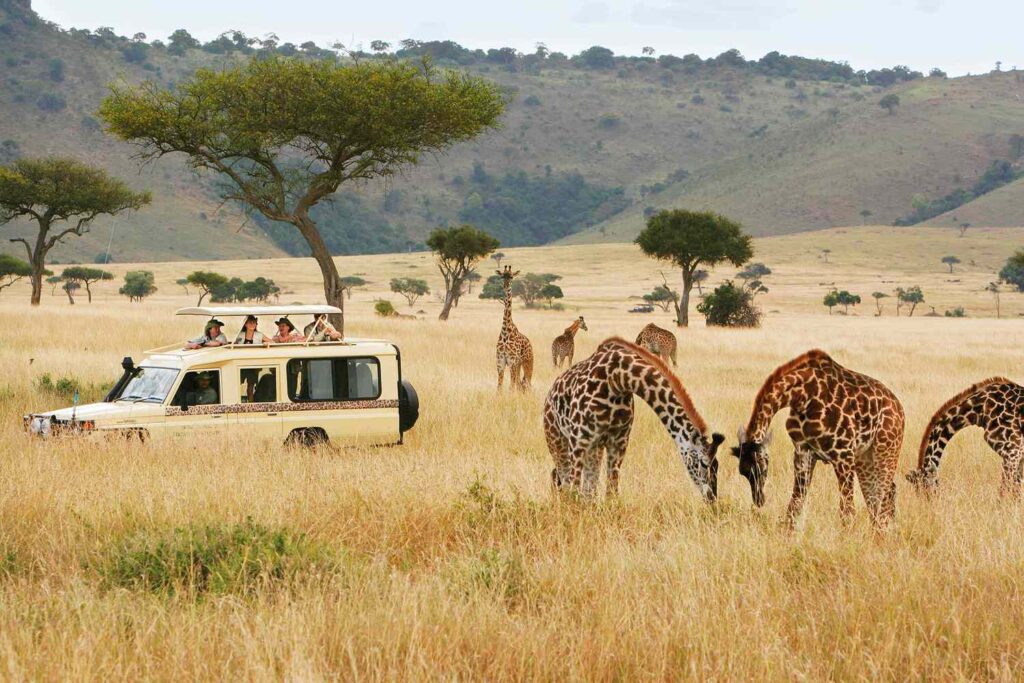
Although Lake Mburo National Park lacks elephants, it offers impressive wildlife diversity. The park hosts buffaloes, giraffes, hippos, and various antelope species.
The presence of giraffes adds excitement to game drives. These animals move gracefully across the landscape. Hippos inhabit the lake and surrounding wetlands. They provide excellent viewing opportunities during boat safaris.
Birdlife in the park also stands out. The wetlands and forests attract numerous bird species. Bird watchers find the park rewarding throughout the year.
The combination of wildlife and scenery creates a rich safari experience. Visitors do not feel the absence of elephants once they explore the park fully.
Adira Safaris Africa ensures that guests discover all aspects of the park. Guided activities reveal hidden details that enhance the journey.
Activities in Lake Mburo National Park
Lake Mburo National Park offers unique activities that set it apart from other parks. Walking safaris allow visitors to explore the landscape on foot. This creates a close connection with nature.
Horseback safaris provide another exciting option. Riders move quietly through the park without disturbing animals. This allows for natural interactions with wildlife.
Boat safaris on Lake Mburo offer views of hippos and birdlife. The calm waters create a relaxing experience.
Game drives remain popular. They provide opportunities to see zebras, giraffes, and other animals.
Adira Safaris Africa organizes these activities with experienced guides. Safety and comfort remain top priorities. Each activity adds a different perspective to the safari.
Conservation and Future Possibilities
Conservation efforts continue to protect Lake Mburo National Park. Authorities focus on maintaining its ecological balance. They also work with local communities to reduce human-wildlife conflict.
The idea of reintroducing elephants sometimes arises. However, experts approach this carefully. The park’s size and resources may not support a sustainable elephant population. Introducing them could disrupt the existing ecosystem.
Conservation strategies aim to preserve what already works. Protecting current species ensures long-term sustainability.
Adira Safaris Africa supports responsible tourism. The company promotes practices that protect wildlife and habitats. Guests learn how their visits contribute to conservation.
Why Choose Adira Safaris Africa
Adira Safaris Africa offers well-planned safaris to Lake Mburo National Park. The company focuses on quality experiences and expert guidance.
Professional guides provide detailed insights into the park’s ecosystem. They explain why zebras thrive and elephants do not.
The company ensures personalized service. Guests enjoy smooth travel arrangements and comfortable accommodations.
Sustainability remains a key focus. Tours support conservation and local communities.
Conclusion
Lake Mburo National Park shows how ecosystems shape wildlife presence. The park supports large populations of Plains Zebra while lacking elephants. This difference results from ecological and historical factors.
Visitors who explore the park gain valuable insights into nature’s balance. They learn that every destination offers something unique.
Adira Safaris Africa ensures that each visit becomes meaningful and memorable. Lake Mburo stands as a perfect example of how diversity goes beyond expectations