
Central African Species in Semuliki National Park
April 23, 2026
Flamingo Disappearance in Queen Elizabeth National Park
April 24, 2026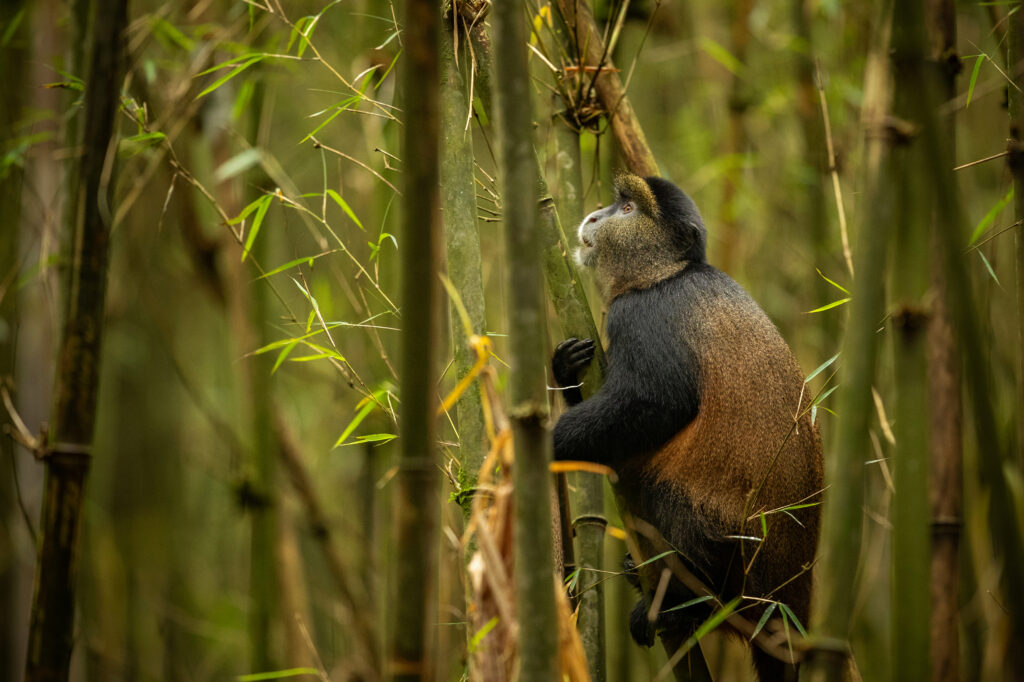
Rwonyo Rest Camp Monkeys in Lake Mburo National Park
Rwonyo Rest Camp offers one of the most relaxing and wildlife-rich settings in Lake Mburo National Park. The camp sits near the park headquarters and provides easy access to the surrounding savannah, woodland, and lakeshore habitats. Among the many wildlife attractions in this area, the monkeys at Rwonyo Rest Camp stand out as a unique and memorable highlight. These monkeys live freely within the park and often move around the camp area. Their presence creates an exciting opportunity for visitors to observe wildlife up close while enjoying a peaceful environment.
The monkeys found around Rwonyo Rest Camp belong mainly to species such as vervet monkeys and olive baboons. These primates adapt well to the environment of Lake Mburo National Park. They thrive in areas with access to trees, water, and food sources. The camp offers all these conditions. As a result, the monkeys often gather near the rest camp, where they move between trees, open grounds, and nearby structures. Their playful behavior and social interactions make them fascinating to watch. Visitors often notice how these monkeys communicate, groom each other, and move in groups.
Rwonyo Rest Camp provides a natural viewing point for observing monkey behavior. The open layout of the camp allows visitors to see wildlife without leaving their resting area. Monkeys often approach the camp out of curiosity. They explore the surroundings and sometimes come close to visitors. This behavior creates a sense of connection between humans and wildlife. However, it is important to remember that these animals remain wild. They may appear friendly, but they still follow their natural instincts. Respecting their space ensures a safe and enjoyable experience for everyone.
The environment around Rwonyo Rest Camp supports the daily activities of these monkeys. Trees provide shelter and resting places. Fruits, leaves, and insects offer a steady food supply. Nearby water sources help sustain their survival. In Lake Mburo National Park, the balance between vegetation and wildlife allows primates to thrive. The monkeys play an important role in this ecosystem. They help disperse seeds as they move through the forest and savannah. This activity supports plant growth and contributes to the health of the environment.
Visitors often enjoy watching the social structure of monkey groups. Each group follows a clear hierarchy. Dominant individuals lead the group and make decisions about movement and feeding. Younger monkeys spend time playing and learning survival skills. Grooming behavior strengthens social bonds and reduces tension within the group. At Rwonyo Rest Camp, these interactions occur naturally and frequently. Observing them offers insight into the complex lives of primates.
Despite their charm, monkeys at the camp require careful handling from visitors. Feeding them is not allowed. When monkeys receive food from humans, they begin to depend on it. This behavior changes their natural feeding habits and can lead to aggression. In Lake Mburo National Park, park authorities encourage responsible tourism practices. Visitors should keep food secure and avoid leaving items unattended. Monkeys may grab food or personal belongings if they find them accessible. Taking simple precautions helps maintain a safe environment.
The presence of monkeys at Rwonyo Rest Camp also highlights the importance of conservation. These animals depend on protected habitats for survival. Lake Mburo National Park serves as a safe space where wildlife can live without the threat of habitat loss or hunting. Conservation efforts ensure that primates and other species continue to thrive. Tourism plays a key role in supporting these efforts. When visitors come to experience wildlife, they contribute to the protection of natural resources.
Rwonyo Rest Camp offers more than just accommodation. It provides a gateway to understanding wildlife behavior and ecosystem balance. The monkeys serve as ambassadors of the park’s biodiversity. Their presence reminds visitors of the rich natural heritage found in Uganda. Watching them move freely in their habitat creates a deeper appreciation for nature. It also encourages respect for wildlife and the environment.
The experience of observing monkeys at the camp changes throughout the day. Early mornings often bring active movement as monkeys search for food. Midday offers quieter moments when they rest in the shade. Evenings may show playful interactions before they settle for the night. Each moment provides a different perspective on their behavior. Visitors who spend time at the camp gain a more complete understanding of these patterns.
Photography enthusiasts find Rwonyo Rest Camp an excellent location for capturing wildlife moments. The monkeys provide dynamic subjects with their constant movement and expressive behavior. Natural lighting and open spaces create ideal conditions for photography. However, patience remains important. Waiting for the right moment allows photographers to capture authentic scenes without disturbing the animals. Respectful observation leads to better results and a more rewarding experience.
The interaction between monkeys and visitors at Rwonyo Rest Camp reflects a broader theme of coexistence. Humans and wildlife share the same space in this environment. Maintaining harmony requires awareness and responsibility. Visitors must follow guidelines and respect wildlife boundaries. This approach ensures that both people and animals benefit from the experience. It also supports the long-term sustainability of tourism in Lake Mburo National Park.
Local guides and park staff play an important role in enhancing visitor experiences. They provide information about monkey behavior and park regulations. Their knowledge helps visitors understand what they see and how to respond. Guided walks around Rwonyo Rest Camp offer additional opportunities to explore the area. These activities deepen the connection between visitors and the natural environment.
The monkeys at Rwonyo Rest Camp also contribute to the overall charm of Lake Mburo National Park. While the park is known for animals such as zebras, impalas, and buffaloes, the presence of primates adds diversity to the wildlife experience. This variety attracts visitors with different interests. Some come for large mammals, while others enjoy birdwatching or primate observation. The park offers something for everyone.
In conclusion, the monkeys at Rwonyo Rest Camp represent an important part of the wildlife experience in Lake Mburo National Park. They live freely in their natural habitat and interact with their environment in dynamic ways. Their presence provides entertainment, education, and insight into the complexity of wildlife ecosystems. Visitors who observe them responsibly gain a deeper appreciation for nature and conservation.
Adira Safaris Africa remains committed to promoting responsible tourism and wildlife conservation. By encouraging respectful interaction with animals, we help protect Uganda’s natural heritage. The monkeys of Rwonyo Rest Camp continue to inspire visitors and highlight the beauty of Lake Mburo National Park.