
Sezibwa Falls – A Fascinating Waterfall
May 11, 2026
Golden Monkey Habituation in Mgahinga National Park
May 12, 2026
Chimp Habituation in Kibale Forest
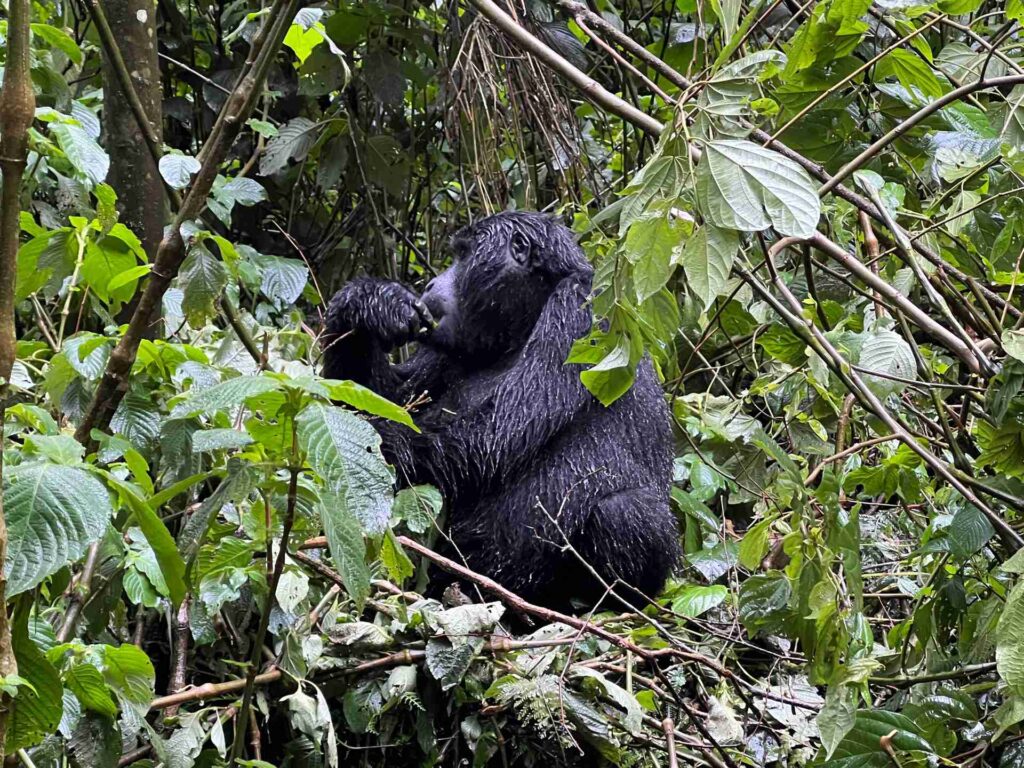
Chimp Habituation in Kibale Forest is one of the most rewarding primate experiences in Uganda. It gives travelers a rare chance to spend extended time with wild chimpanzees while taking part in a real conservation process. This special activity takes place in the famous Kibale Forest National Park, a leading primate destination in East Africa. The park is known for its rich biodiversity, beautiful tropical forest, and one of the highest concentrations of chimpanzees on the continent. Adira Safaris Africa proudly offers this unforgettable safari for visitors who want more than a normal wildlife tour.
Chimp habituation is different from standard chimp tracking. In normal chimpanzee trekking, visitors meet a chimp community that already accepts human presence. In chimp habituation, guests join researchers, rangers, and trackers who are helping a semi-wild group become comfortable around people. This process takes time and patience. It often lasts around two years before the chimp group becomes fully habituated for regular tourism visits. During this period, tourists can join the team and observe the chimps as they slowly adapt to controlled human presence.
This experience is ideal for nature lovers, photographers, conservation travelers, and anyone fascinated by primates. Chimpanzees share many behaviors with humans. They communicate with calls, gestures, facial expressions, and social bonding. Watching them in the forest creates a deep emotional connection. Visitors may see chimps feeding, grooming, resting, hunting, playing, or caring for young ones.
Chimp Habituation in Kibale Forest is more than a safari activity. It is a journey into the world of one of our closest relatives. It also supports conservation and research. Travelers leave with unforgettable memories and a greater appreciation for Uganda’s natural heritage.
What Is Chimp Habituation?
Chimp habituation is the gradual process of helping wild chimpanzees become used to the presence of humans without fear or stress. Chimpanzees are intelligent and cautious animals. When they first notice people, they may run away, climb high into trees, make alarm calls, or hide in thick forest cover. Habituation helps them continue natural behavior while researchers and visitors observe from a respectful distance.
The process requires expert guidance and daily effort. Rangers, trackers, and researchers enter the forest early each morning to locate the chimp community. They spend time near the chimps while following strict conservation rules. They avoid sudden movements, loud noise, and actions that could disturb the group. Over time, the chimpanzees learn that these people are not a threat.
This is why the process can take about two years. Every chimp group responds at a different pace. Some communities adapt faster, while others remain shy for longer. The welfare of the animals always comes first. No one forces contact. The chimps decide how close they feel comfortable.
Tourists who join the habituation experience witness this journey firsthand. They may see how some chimpanzees ignore people completely while others watch curiously from branches. This creates a more natural and unpredictable encounter than standard trekking.
Chimp habituation also creates future tourism opportunities. Once a community becomes fully habituated, it may open for limited trekking visits. This brings long-term tourism income that supports park protection and nearby communities. It is a powerful example of how tourism and conservation can work together.
Why Kibale Forest Is the Best Place for Chimp Habituation
Kibale Forest National Park is the top destination for chimpanzee experiences in Uganda. The park lies in western Uganda near Fort Portal and covers a rich tropical rainforest landscape. It protects more than 13 species of primates, making it one of the best primate parks in Africa.
Chimpanzees thrive in Kibale because the forest offers food, shelter, water, and safe breeding grounds. The area has fruiting trees, dense vegetation, swamps, and forest trails that support healthy chimp communities. Scientists estimate that Kibale holds one of the largest populations of chimpanzees in Uganda.
The forest environment makes the habituation experience even more exciting. Visitors walk under tall trees, hear birds calling above, and listen for distant pant-hoots from chimpanzees. Every trek feels like a true jungle adventure. The sounds of leaves moving and branches shaking often signal that chimps are nearby.
Kibale also has well-developed tourism systems. The park has trained guides, clear visitor procedures, quality lodges, and good access from Kampala, Queen Elizabeth National Park, and other safari routes. This makes planning easy for travelers.
Besides chimpanzees, visitors may see red colobus monkeys, black-and-white colobus monkeys, L’Hoest’s monkeys, blue monkeys, bushbuck, butterflies, and many bird species. The nearby Bigodi Wetland Sanctuary adds more wildlife and community tourism opportunities.
Kibale Forest combines wildlife richness, accessibility, and expert conservation management. These strengths make it the perfect place for chimp habituation. Travelers who want a serious primate experience often rank Kibale among the highlights of Uganda.
What to Expect During the Chimp Habituation Experience
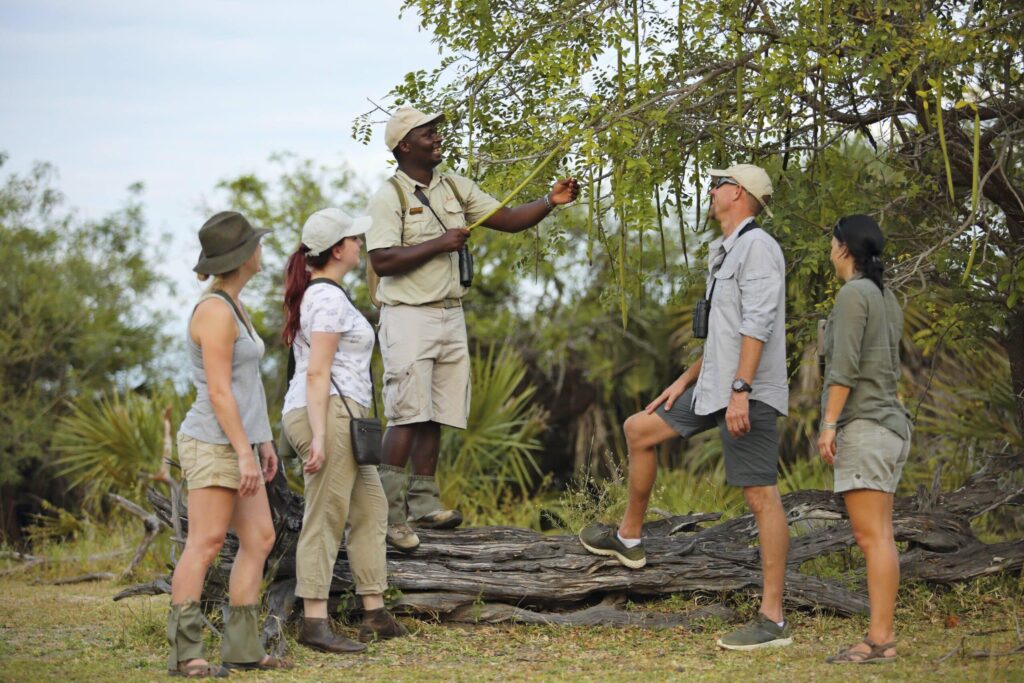
Chimp Habituation in Kibale Forest usually starts very early in the morning. Visitors report to the park headquarters for registration and a briefing by Uganda Wildlife Authority staff. Guides explain safety rules, forest etiquette, and what to expect during the day.
Unlike normal chimp trekking, this experience can begin before sunrise because the goal is to meet the chimps as they wake and leave their nests. Guests then head into the forest with trackers and researchers. The walk may be short or long depending on where the chimp community nested the previous night.
Once the chimps are found, the real adventure begins. Visitors may watch them descend from trees, call to each other, search for food, or travel through the forest. Chimpanzees move quickly and can cover large distances. Guests should expect active hiking through forest terrain.
During the day, guides explain chimp behavior in detail. You may learn about dominance ranks, family bonds, vocal communication, feeding choices, and tool use. Some chimps drum on tree roots, while others groom close friends or carry babies on their backs.
The experience often lasts much longer than standard trekking. This gives visitors deeper insight into daily chimp life. Many guests describe it as one of the most immersive wildlife encounters in Africa.
Wear long trousers, hiking boots, gloves, and long sleeves. Carry water, insect repellent, rain gear, and a camera. Forest weather can change quickly, so preparation is important. Reasonable fitness helps because the activity may involve steep or muddy sections.
By the end of the trek, most visitors feel amazed by the intelligence and energy of these primates.
Conservation Value of Chimp Habituation
Chimp Habituation in Kibale Forest plays an important role in protecting chimpanzees and their habitat. Chimpanzees face threats across Africa, including habitat loss, disease, and illegal hunting. Conservation programs need funding, research, and public support. Habituation helps provide all three.
Researchers gather valuable information during the process. They study chimp movement, health, breeding patterns, social structure, feeding behavior, and habitat use. This data helps park managers make better decisions for long-term conservation.
Tourism income from habituation permits supports ranger patrols, forest monitoring, staff salaries, community outreach, and visitor management. Strong tourism value gives forests greater protection because people see clear benefits in keeping wildlife alive.
Local communities also gain from responsible tourism. Lodges employ workers, guides offer services, farmers sell produce, and craft groups reach visitors. When communities benefit, they often support conservation goals and reduce pressure on the forest.
The experience also inspires visitors. Many travelers leave with stronger respect for chimpanzees and greater awareness of environmental issues. They share their stories, support conservation groups, and encourage sustainable travel.
Chimpanzees are one of humanity’s closest living relatives. Protecting them matters for science, biodiversity, and future generations. By joining a chimp habituation safari, tourists become part of this mission in a practical and meaningful way.
Best Time for Chimp Habituation in Kibale Forest
Chimp Habituation in Kibale Forest is available throughout the year. However, some months offer easier trekking conditions. The dry seasons from December to February and June to September are popular because trails are often less muddy and walking can be easier.
During dry months, photography may improve because of brighter natural light in the forest. Chimp movement can also be easier to follow when paths are clear. Many travelers choose these months for comfort and convenience.
The wet seasons from March to May and October to November bring lush green scenery and fewer visitors. Rain can make trails slippery, but the forest looks vibrant and fresh. Some travelers enjoy the quieter atmosphere during these months.
Chimpanzees remain active all year. Sightings depend more on tracker skill, food sources, and daily movement than season alone. Kibale’s expert guides work hard to locate the chimp communities every day.
Advance booking is wise because permits are limited. Peak travel months can fill early. Adira Safaris Africa helps guests secure permits, transport, and quality accommodation for a smooth safari experience.
Why Book with Adira Safaris Africa
Adira Safaris Africa creates professional safari experiences across Uganda with a focus on wildlife, comfort, and responsible tourism. We know the best ways to plan primate safaris and ensure each guest enjoys a smooth journey from start to finish.
Our team arranges Chimp Habituation in Kibale Forest with permit booking, transport, accommodation, and expert itinerary planning. We help travelers understand what to pack, when to travel, and how to combine activities for the best safari value.
Guests can pair chimp habituation with gorilla trekking in Bwindi, game drives in Queen Elizabeth National Park, boat cruises, Bigodi Wetland walks, or cultural experiences in western Uganda. We tailor each safari to your interests, budget, and travel style.
We believe in personal service, punctual operations, and memorable adventures. Whether you travel alone, as a couple, family, or group, we create a safari that suits your needs.
Choosing Adira Safaris Africa means choosing a trusted local operator that values conservation and guest satisfaction.
Conclusion
Chimp Habituation in Kibale Forest is one of Uganda’s finest wildlife experiences. It offers more time, more learning, and deeper connection than ordinary chimp trekking. Visitors witness a real conservation process while exploring one of Africa’s richest forests.
The two-year habituation journey makes this experience rare and meaningful. Guests observe chimpanzees living naturally while researchers guide the future of sustainable tourism and species protection.
For travelers who want an authentic primate adventure, Kibale Forest is the perfect place. Book your Chimp Habituation safari with Adira Safaris Africa and discover the intelligence, energy, and beauty of Uganda’s wild chimpanzees.