
HADZABE NEAR LAKE EYASI
August 8, 2026
Voluntourism
August 14, 2026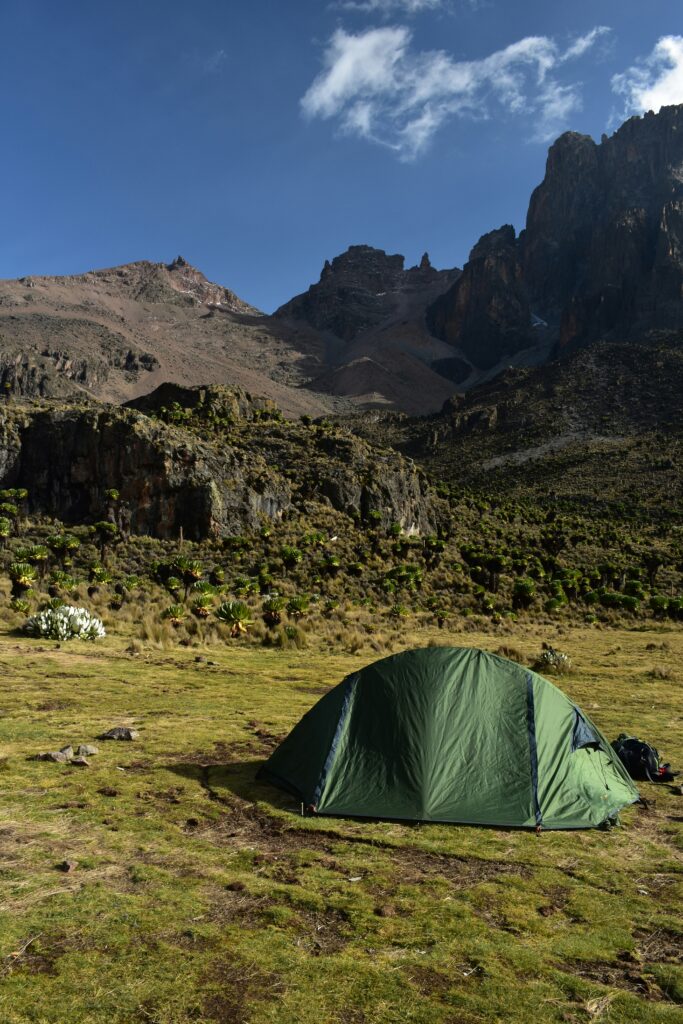
CAMPING IN TANZANIA NATIONAL PARKS
Camping in Tanzania national parks is one of the most thrilling tourist activities for travellers who want to experience the African wilderness in a more direct and memorable way. Tanzania is famous for its spectacular wildlife, beautiful landscapes, and protected areas. A camping safari brings visitors closer to these natural wonders and creates an experience that goes beyond ordinary sightseeing. Instead of returning to a hotel or lodge at the end of every day, travellers can spend the night surrounded by the sounds and atmosphere of the wilderness. This makes camping an exciting choice for adventure seekers, nature lovers, photographers, families, couples, and travellers who want to experience Tanzania from a different perspective.
Tanzania has many national parks where visitors can enjoy camping experiences. These parks offer different landscapes and wildlife encounters. Travellers can camp in open savannahs, near woodland areas, beside beautiful landscapes, or within designated campsites. Each location creates its own atmosphere. During the day, visitors can enjoy game drives and explore the park. In the evening, they can return to camp, relax, enjoy a meal, and listen to the natural sounds around them. The transition from daytime wildlife viewing to a peaceful evening in the wilderness creates a strong connection with nature.
Camping also provides an opportunity to appreciate the beauty of Tanzania after sunset. The African wilderness changes as daylight disappears. The sounds of birds and animals create a completely different atmosphere. The night sky can appear incredibly clear in areas far from city lights. Visitors can sit around a campfire, share stories, enjoy dinner, and reflect on the day’s adventures. For many travellers, these moments become some of the most memorable parts of a Tanzania safari.
Why Camping Is a Thrilling Tourist Activity in Tanzania
Camping offers a sense of adventure that many other forms of accommodation cannot provide. Staying in a tent in the middle of a national park allows travellers to feel closer to the natural environment. Visitors can wake up to birdsong, enjoy views of the surrounding landscape, and prepare for another day of wildlife exploration. The experience creates a stronger feeling of being part of the wilderness.
One of the main attractions of camping is the opportunity to experience nature at different times of the day. A lodge experience may provide comfort, but camping can make travellers more aware of their surroundings. During the evening, the sounds of the wilderness become more noticeable. In the early morning, birds begin calling as the sun rises. The changing atmosphere gives every moment a different character.
Camping also creates opportunities for travellers to enjoy Tanzania’s landscapes without distractions. There are no busy city streets, large buildings, or constant traffic. Instead, visitors can focus on nature. They can watch the sunset, observe birds, listen to the wind, and enjoy the peaceful surroundings.
The adventure does not mean visitors must sacrifice comfort. Tanzania offers different camping options. Some camps use simple tents for travellers who prefer a traditional outdoor experience. Other safari camps provide larger tents with beds, furniture, private facilities, and other comforts. Travellers can therefore choose an experience that matches their interests, budget, and preferred level of comfort.
Camping becomes particularly memorable when combined with game drives. After spending the day searching for lions, elephants, giraffes, buffaloes, zebras, and other wildlife, returning to a campsite creates a natural continuation of the safari experience.
Camping in Serengeti National Park
Serengeti National Park is one of the most famous destinations for camping in Tanzania. The park offers vast open plains, abundant wildlife, and dramatic landscapes. Camping in the Serengeti allows travellers to experience this famous ecosystem from a closer perspective.
The Serengeti is well known for its large populations of wildebeest, zebras, gazelles, lions, leopards, cheetahs, elephants, buffaloes, giraffes, and many other species. Depending on the time of year and location, campers may also experience the movement of large herds associated with the Great Migration. This makes camping particularly exciting for travellers who want to spend more time within the wildlife environment.
A typical camping experience in the Serengeti can begin with a game drive. Visitors explore the plains during the day while searching for wildlife. After the day’s activities, they return to camp as the sun begins to set. The evening can include dinner, relaxation, and time around a campfire where appropriate and permitted.
The night provides a completely different experience. The sounds of the wilderness become more noticeable. Visitors may hear distant animal calls or the movement of creatures around the surrounding habitat. This creates an atmosphere that travellers often remember long after leaving Tanzania.
Camping in the Serengeti also allows visitors to appreciate the night sky. The lack of city lights can provide excellent conditions for observing stars. Sitting outside and looking at the sky after a day of wildlife viewing can provide a peaceful ending to an exciting safari day.
Camping in Ngorongoro Conservation Area
Ngorongoro Conservation Area provides another excellent setting for camping in Tanzania. The area is famous for the Ngorongoro Crater, dramatic landscapes, and rich wildlife. Camping around the conservation area allows visitors to combine wildlife exploration with an outdoor experience.
The environment around Ngorongoro differs from the open plains of the Serengeti. The highlands provide cooler temperatures and scenic views. Travellers can enjoy the changing landscapes as they move between different areas of the conservation region.
Camping provides a practical and memorable way to experience the area. Visitors can spend the day exploring wildlife habitats and return to camp in the evening. The cooler highland environment can create a refreshing atmosphere after a busy day of game viewing.
One of the most exciting aspects of camping near Ngorongoro is the landscape. The area contains highlands, forests, grasslands, and crater scenery. Visitors can appreciate these features during the day and enjoy the peaceful atmosphere around camp in the evening.
The experience also creates opportunities for travellers to interact with their safari team. Sharing meals and stories around camp can make the journey feel personal and memorable. Guides and camp staff can explain the surrounding environment and help visitors understand the wildlife and cultural significance of the region.
For travellers exploring northern Tanzania, camping in the Ngorongoro area can complement visits to the Serengeti, Tarangire, and other attractions.
Camping in Tarangire National Park
Tarangire National Park is another excellent destination for camping enthusiasts. The park is famous for its large elephant populations, ancient baobab trees, seasonal rivers, and diverse wildlife. Camping in Tarangire allows visitors to experience the park’s distinctive landscapes while enjoying an outdoor safari adventure.
The park’s scenery creates an excellent environment for camping. Large baobab trees stand across parts of the landscape, creating dramatic silhouettes against the sky. During the dry season, wildlife often gathers around areas with available water. This can increase opportunities for wildlife viewing.
A camping safari in Tarangire can include long game drives through different habitats. Visitors may encounter elephants, giraffes, zebras, wildebeest, buffaloes, antelopes, lions, and many bird species. Returning to camp after such a day allows travellers to relax while remaining close to nature.
Camping in Tarangire can also provide an opportunity to appreciate smaller details. Travellers can listen to birds, watch insects, observe vegetation, and enjoy the changing colours of the landscape. These experiences remind visitors that a safari involves more than searching for large animals.
The park’s combination of wildlife, scenery, and camping opportunities makes it a popular choice for travellers who want an outdoor experience. It can also work well as part of a northern Tanzania safari circuit.
Camping in Lake Manyara National Park
Lake Manyara National Park provides another interesting setting for camping in Tanzania. The park contains diverse habitats that include woodland, grassland, wetlands, and areas around Lake Manyara. This variety supports many species of wildlife and birds.
Camping in the Lake Manyara area allows travellers to enjoy the park’s natural environment while remaining close to its attractions. Visitors can explore the park during game drives and later return to camp for an evening of relaxation.
Lake Manyara is particularly attractive to bird lovers. The park supports many bird species, and the lake and surrounding habitats provide important areas for bird activity. Campers can therefore combine wildlife viewing with birdwatching.
The changing landscape also creates good photography opportunities. Travellers can capture photographs of wildlife, birds, vegetation, the lake, and the surrounding scenery. Morning and evening light can add a special quality to landscape photographs.
Camping in Lake Manyara can also complement other northern Tanzania destinations. Visitors can combine it with trips to Tarangire, Ngorongoro, and the Serengeti. This creates a varied safari itinerary with different landscapes and wildlife experiences.
Camping in Ruaha National Park
Ruaha National Park offers a more remote camping experience in southern Tanzania. The park is known for its extensive wilderness, elephants, lions, large buffalo populations, and dramatic landscapes. It provides an excellent environment for travellers who want to experience a quieter side of Tanzania.
Camping in Ruaha gives visitors the chance to spend more time surrounded by wilderness. The park’s remote character can make the experience feel particularly adventurous. Travellers can explore the park during game drives and return to camp to enjoy peaceful evenings.
Ruaha also offers excellent opportunities for observing large predators and other wildlife. The park’s ecosystems support many species, and the changing seasons influence where animals gather and move.
The landscape adds to the camping experience. Visitors can enjoy views of rocky hills, river valleys, open plains, and woodland. The environment creates a sense of space and solitude that many travellers appreciate.
For visitors who want to escape crowded tourist routes, camping in Ruaha can provide an ideal experience. It combines wildlife, adventure, scenery, and peaceful surroundings in one destination.
Camping in Nyerere National Park
Nyerere National Park provides another exciting option for camping in Tanzania. The park contains large wilderness areas and supports a variety of wildlife. It also offers different safari experiences, including game drives and boat-based adventures in suitable areas.
Camping in Nyerere allows visitors to experience the southern Tanzania wilderness while enjoying the flexibility of an outdoor safari. The park’s landscapes include woodlands, grasslands, rivers, and wetlands. These habitats support elephants, hippos, crocodiles, giraffes, buffaloes, antelopes, and many bird species.
One of the attractions of camping in this region is the opportunity to combine different activities. A traveller may enjoy a game drive during the day and a boat safari at another time. Returning to camp after these activities creates a complete wilderness experience.
The evenings can provide opportunities to relax and enjoy the natural surroundings. Visitors can share meals, talk about the day’s experiences, and appreciate the peaceful environment.
Nyerere is particularly suitable for travellers who want to explore southern Tanzania and experience a less crowded safari environment. Camping adds an extra sense of adventure to the journey.
Camping in Katavi National Park
Katavi National Park is one of Tanzania’s remote wildlife destinations and offers an exceptional setting for adventurous campers. The park is known for its wilderness character and rich wildlife. It provides an opportunity to experience Tanzania away from some of the country’s busiest safari routes.
Camping in Katavi can feel like a true wilderness adventure. The park’s landscapes contain grasslands, woodlands, wetlands, and water sources. During the dry season, wildlife can gather around remaining water sources, creating excellent opportunities for game viewing.
The Hippo Pool is one of the attractions that can make a Katavi safari particularly memorable. Visitors can observe large groups of hippos gathered around the water while also looking for other wildlife in the surrounding environment.
Evenings at camp provide a chance to reflect on the day’s experiences. The remote surroundings create a peaceful atmosphere. Travellers who enjoy adventure and wilderness can find camping in Katavi especially rewarding.
Because Katavi lies in a remote part of Tanzania, proper planning remains important. Travellers should use experienced safari operators who understand the region and can organise transport, accommodation, meals, guiding, and other logistics.
The Experience of Sleeping in the African Wilderness
Sleeping in a tent inside or near a Tanzanian national park creates a unique connection with nature. The experience allows travellers to remain close to the environment even after the day’s activities end. The sounds of the wilderness continue after sunset, creating an atmosphere that visitors cannot easily experience in urban areas.
The night can bring a variety of natural sounds. Birds may call from nearby trees. Insects can become more active. Distant animal sounds may travel across the landscape. These sounds form part of the authentic camping experience.
Early mornings can feel equally special. Visitors can wake up before sunrise and listen to the wilderness coming alive. The changing light creates beautiful scenery, while cooler temperatures make the morning comfortable for activities.
Camping also encourages travellers to appreciate simple moments. A cup of tea or coffee in the morning can feel more memorable when enjoyed while watching the sunrise over a national park. Dinner can become an opportunity to share stories about the day’s wildlife encounters.
The experience does not depend entirely on luxury. Instead, it comes from the atmosphere and connection with nature. This is one reason camping remains such a popular choice for adventure travellers visiting Tanzania.
Different Types of Camping in Tanzania
Tanzania offers different camping styles to suit different travellers. Budget travellers may prefer basic camping experiences with simple tents and shared facilities. These options can provide a more traditional outdoor adventure.
Travellers who prefer greater comfort can choose semi-permanent or luxury tented camps. These accommodations may include comfortable beds, private bathrooms, furniture, dining areas, and other facilities. They provide the atmosphere of camping while offering additional comfort.
Mobile camping provides another exciting option. Safari teams can move camps between different areas according to the itinerary and wildlife movements. This style can give travellers a stronger sense of adventure and flexibility.
The choice depends on budget, comfort preferences, travel style, and the destination. Some travellers want to spend as much time as possible outdoors. Others prefer a comfortable tented experience with modern facilities.
Adira Safaris Africa can help travellers choose a camping style that fits their safari plans. The goal is to create an experience that combines adventure with comfort and safety.
Safety and Responsible Camping in Tanzania
Safety remains an important part of camping in Tanzania’s national parks. Visitors should always follow instructions from their guides and camp staff. Wild animals move freely through protected areas, so travellers should never leave designated areas without professional guidance.
Visitors should also avoid approaching wildlife. Even animals that appear calm can become dangerous when people move too close. Guides understand animal behaviour and can advise visitors on safe practices.
Campers should keep their tents and personal belongings secure. Food should remain in appropriate storage areas. Visitors should also avoid leaving waste around the campsite.
Responsible camping helps protect the environment. Travellers should minimise plastic waste, avoid damaging vegetation, and use water responsibly. They should respect wildlife and avoid activities that could disturb animals.
A responsible camping safari benefits both visitors and the environment. It helps preserve Tanzania’s national parks so future generations can enjoy them.
Why Choose Adira Safaris Africa for Camping Safaris?
Adira Safaris Africa provides travellers with opportunities to explore Tanzania through carefully planned safari experiences. Camping can form an exciting part of these journeys. Whether a traveller wants a basic outdoor adventure or a more comfortable tented experience, the itinerary can reflect individual preferences.
Planning a camping safari requires attention to transportation, campsite locations, meals, equipment, park regulations, activities, and seasonal conditions. Working with an experienced safari company helps simplify these arrangements.
Adira Safaris Africa focuses on creating memorable experiences while maintaining responsible travel practices. Guides can help travellers understand wildlife behaviour and follow safe practices throughout the safari.
A camping itinerary can also combine several national parks. Travellers may explore Tarangire, Ngorongoro, Serengeti, and Lake Manyara in one northern Tanzania safari. Those who prefer southern or western Tanzania can explore destinations such as Ruaha, Nyerere, or Katavi.
The right itinerary depends on the traveller’s interests and available time. Some visitors may prioritise wildlife. Others may want photography, birdwatching, landscapes, or cultural experiences.
Camping allows travellers to experience Tanzania in an intimate and adventurous way. Adira Safaris Africa can help turn that interest into a well-organised safari experience.
Conclusion
Camping in Tanzania national parks is one of the most thrilling tourist activities for travellers who want to experience the African wilderness more closely. It combines adventure, wildlife, nature, scenery, and relaxation in one memorable experience.
From the endless plains of Serengeti to the dramatic landscapes of Ngorongoro, the elephant-rich environment of Tarangire, the scenic habitats of Lake Manyara, and the remote wilderness of Ruaha, Nyerere, and Katavi, Tanzania offers many opportunities for camping.
The experience becomes especially memorable after sunset. Visitors can enjoy dinner, relax around camp where permitted, listen to the sounds of nature, and look at the stars. Early mornings provide another special moment as the wilderness begins a new day.
Camping also encourages responsible travel. Visitors learn to respect wildlife, protect natural resources, and appreciate the importance of conservation. By following safety instructions and responsible tourism practices, travellers can enjoy their experience while helping protect Tanzania’s national parks.
Whether you prefer simple camping, mobile camping, or comfortable tented accommodation, Tanzania provides options for different travel styles. The key is choosing an itinerary that matches your interests and comfort level.
For travellers searching for an exciting and authentic way to explore Tanzania, camping offers an unforgettable adventure. It brings you closer to the landscapes, wildlife, and natural rhythms that make Tanzania one of Africa’s most remarkable safari destinations.
Adira Safaris Africa invites you to experience the thrill of camping in Tanzania national parks. Sleep beneath the African sky, wake up surrounded by nature, explore spectacular wildlife habitats, and create unforgettable memories in the heart of Tanzania’s wilderness.