
BIRDING IN ARUSHA NATIONAL PARK
July 28, 2026
BOAT SAFARI IN LAKE MANYARA NATIONAL PARK
July 29, 2026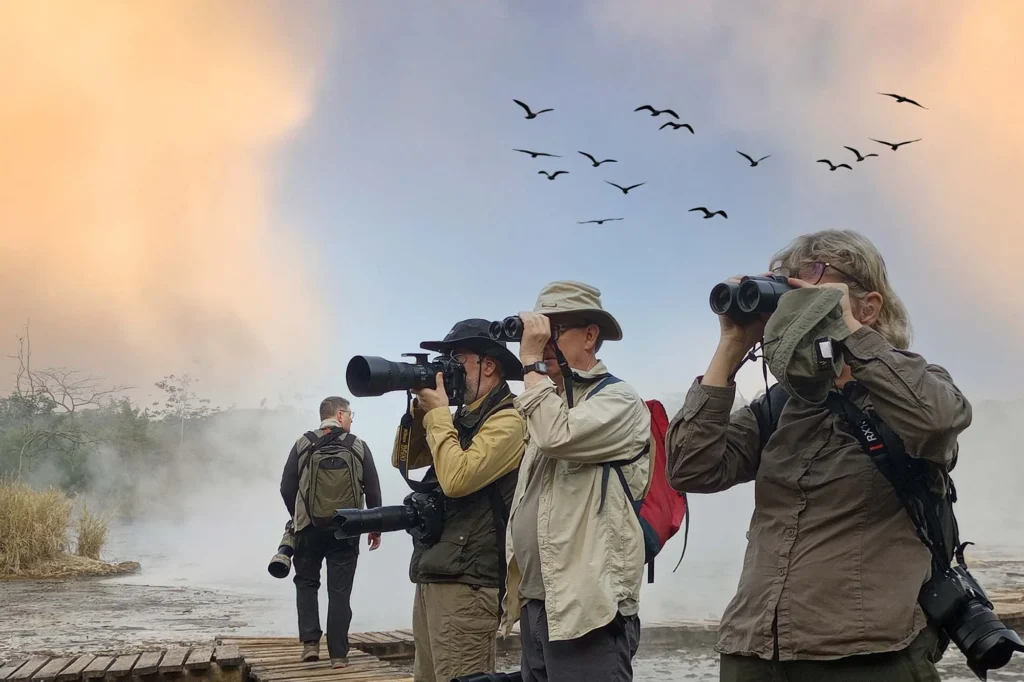
BIRDING IN LAKE MANYARA NATIONAL PARK
Birding in Lake Manyara National Park is one of the most rewarding activities for visitors who enjoy nature, wildlife, and beautiful bird species. The park offers a unique birding experience because it contains several different habitats within a relatively compact area. These habitats include the alkaline Lake Manyara, groundwater forests, acacia woodlands, open grasslands, wetlands, floodplains, and areas along the Rift Valley escarpment. Each habitat supports different bird species. This makes a visit to Lake Manyara an exciting opportunity to observe a wide range of birds in one destination. Tanzania National Parks identifies Lake Manyara as a premier birding destination, with more than 400 bird species recorded across its forests, wetlands, woodlands, and lake environment.
The lake itself plays an important role in attracting waterbirds. Its alkaline waters and surrounding wetlands provide feeding and resting areas for flamingos, pelicans, storks, herons, and other birds. During suitable seasons, visitors can see large groups of flamingos gathering around the lake. Their pink colour creates a beautiful scene against the water and the surrounding landscape. Bird lovers can also explore the groundwater forest, where colourful forest birds live among tall trees and dense vegetation. The forest provides a different birding experience from the open lake shores. As you move through the park, the birdlife changes with the habitat.
Birding in Lake Manyara is therefore more than simply looking for birds around the lake. It is an opportunity to explore different ecosystems and understand how birds depend on each environment. With a knowledgeable safari guide, visitors can identify different bird calls, understand bird behaviour, and learn about the habitats that support them. For travellers who want a safari experience that combines beautiful landscapes with rich birdlife, Lake Manyara offers an excellent choice.
Why Lake Manyara Is a Great Birding Destination
Lake Manyara National Park stands out as a birding destination because of the remarkable variety of habitats found within the park. The park lies below the Great Rift Valley escarpment and contains a mixture of forest, woodland, wetland, grassland, and lake habitats. This diversity creates suitable conditions for many bird species. TANAPA highlights the park’s soda lake, groundwater forest, floodplain, wetlands, and acacia woodland as important parts of its natural landscape.
The alkaline lake is one of the most important areas for bird watching. Its shores attract large numbers of waterbirds, particularly when food is abundant. Flamingos are among the most famous birds associated with Lake Manyara. Lesser and greater flamingos may gather around the lake, creating spectacular scenes for bird watchers and photographers. Pelicans and other waterbirds also use the lake and surrounding wetlands. Visitors who spend time observing the shoreline can often notice birds feeding, resting, flying, or moving between different wetland areas.
The groundwater forest adds another dimension to birding in Lake Manyara. Freshwater springs support evergreen vegetation, creating a cool and green environment for forest birds. Colourful turacos and hornbills are among the birds associated with the forest environment, while other species may remain hidden among branches and thick vegetation. Birders need patience when exploring this habitat because some forest birds can be easier to hear than see.
The acacia woodland and open areas also provide excellent opportunities to see different species. Birds of prey may use open areas for hunting, while smaller birds feed among trees, shrubs, and grasses. The variety of habitats means that visitors do not need to depend on one location to enjoy birding. Every part of the park can offer something different.
Bird Species You Can See in Lake Manyara
One of the main attractions of birding in Lake Manyara is the opportunity to encounter a wide range of bird species. Tanzania National Parks records more than 400 bird species in the park. These include fish eagles, spoonbills, storks, herons, bee-eaters, and many migratory birds.
Flamingos remain among the most memorable birds for many visitors. Lesser flamingos and greater flamingos can gather around the alkaline lake, especially when conditions provide good feeding opportunities. Their presence creates one of the most recognisable birding scenes in northern Tanzania. Visitors should take time to observe the flamingos rather than simply taking photographs. Watching them feed, walk through shallow water, interact with each other, and take flight can make the experience more enjoyable.
Pelicans are another important group of waterbirds found around Lake Manyara. Their large bodies and long bills make them easy to recognise. They may gather around suitable feeding areas and can sometimes be seen flying above the lake. Storks and herons also occur around the wetlands and lake margins. These birds often spend time in shallow water where they search for food.
Birders can also look for spoonbills, which are distinctive because of their unusual spoon-shaped bills. Fish eagles are another exciting sight. They are powerful birds of prey that may be seen around wetland environments where fish and other food sources are available. Bee-eaters add bright colours to the birding experience, while turacos and hornbills bring striking forest species into the experience.
Lake Manyara also attracts migratory birds at certain times of the year. This adds another reason to plan a birding safari carefully. The exact birds seen during a visit can vary according to season, weather, water levels, food availability, and local conditions. A good safari guide can help visitors identify birds and understand these seasonal changes.
Birding Around the Lake Manyara Shoreline
The shoreline of Lake Manyara provides one of the most important birding environments in the park. The alkaline lake and its surrounding wetlands attract numerous waterbirds. Visitors can spend time observing birds near the water, especially in areas where shallow water provides suitable feeding grounds. The combination of open water, mudflats, reeds, and wetland vegetation creates a productive environment for birdlife. TANAPA specifically identifies the lake as a place where flamingos, pelicans, and other waterbirds can be found.
Birding around the lake can be particularly rewarding in the early morning. The light is often gentle, which makes it excellent for photography. Birds also tend to be active during the cooler hours. Flamingos may feed in shallow water while other birds move along the shoreline searching for food. The quiet atmosphere can make it easier to concentrate on bird calls and movement.
The shoreline also offers beautiful views beyond the birds themselves. The Great Rift Valley escarpment creates a dramatic background, while the open lake provides a sense of space. This combination makes Lake Manyara a strong destination for visitors who want both bird watching and landscape photography.
Birders should carry binoculars because some birds may remain far from the vehicle or viewing point. A good pair of binoculars can reveal details that are difficult to see with the naked eye. A camera with a suitable zoom lens can also help capture birds without getting too close. Visitors should always follow their guide’s instructions and maintain a respectful distance from wildlife.
Birding in the Groundwater Forest
The groundwater forest provides a completely different birding experience from the open shores of Lake Manyara. The forest receives water from underground springs, which helps maintain green vegetation. Tall trees create a shaded environment where many birds can find food and shelter. TANAPA describes the groundwater forest as a lush, spring-fed evergreen habitat that supports colourful birds as well as primates and other wildlife.
Birding in the forest requires patience. Some species may move quickly between branches or remain hidden inside thick vegetation. Others may announce their presence through calls before they appear in view. Experienced guides can make a significant difference because they know where particular birds are likely to occur and can help identify sounds.
The forest environment is also suitable for observing birds that do not depend directly on the lake. Turacos and hornbills are among the colourful birds associated with the forest habitat. Other smaller species can be found around trees, shrubs, and forest edges. Visitors should avoid rushing through the forest. Taking time to stop, listen, and scan the branches can reveal birds that might otherwise go unnoticed.
The forest also creates a pleasant environment for birding because of its cool and shaded conditions. The sound of birds moving through the trees adds to the atmosphere. For bird lovers, this part of the safari can become one of the most memorable experiences in Lake Manyara National Park.
Birding in the Wetlands and Hippo Pool Areas
The wetlands of Lake Manyara provide another excellent environment for bird watching. Water attracts a wide range of species, and the presence of shallow areas creates feeding opportunities for birds that search for fish, insects, small aquatic animals, and other food. Herons and storks can often be associated with wetland margins, while other waterbirds use the area for resting and feeding. TANAPA notes that the park’s hippo pools and wetlands are good areas for observing waterbirds such as storks and herons.
Wetland birding can be particularly interesting because bird behaviour is easy to observe. A heron may stand quietly before suddenly striking at prey. A stork may walk slowly through shallow water while searching for food. Other birds may fly across the wetland before settling somewhere along the shoreline.
The wetlands also demonstrate the importance of water to the park’s wider ecosystem. Birds depend on these areas for food, shelter, nesting, and resting. The health of the wetland environment therefore has a direct effect on bird populations. Responsible tourism helps protect these important habitats.
Visitors should remain alert when birding around wetland areas because Lake Manyara is also home to other wildlife. Hippos, for example, can occur around the water. Birding should always take place under the guidance of an experienced safari guide. This ensures that visitors can enjoy the birds while also maintaining safe distances from larger animals.
Birding in the Forest Canopy
The forest canopy offers another interesting way to experience birdlife in Lake Manyara. The park has a canopy walkway with viewing platforms positioned among the trees. TANAPA explains that the canopy walkway provides opportunities to observe birds, butterflies, and monkeys from a different perspective.
Viewing birds from above or within the forest canopy can reveal behaviours that are difficult to observe from ground level. Birds may move between branches, feed among leaves, or fly across gaps in the forest. The elevated perspective can also provide a broader view of the forest environment.
For bird photographers, the canopy can offer a different angle for photographs. Instead of always photographing birds against the sky or from ground level, visitors may capture them among branches and leaves. The forest background can create natural and attractive photographs.
The canopy experience also helps visitors understand the importance of forest habitats. Trees provide food, shelter, nesting locations, and movement corridors for birds and other wildlife. Protecting these forests therefore supports a wide range of species. A visit to Lake Manyara can help travellers appreciate how closely birds depend on healthy natural environments.
Best Time for Birding in Lake Manyara
Lake Manyara offers birding opportunities throughout the year, but different seasons can provide different experiences. The park remains an important destination for bird watchers because resident species live in the area throughout the year, while migratory birds can add to the variety during particular periods. TANAPA notes that more than 400 species have been recorded across the park’s different habitats.
The wetter periods can create attractive conditions for birding because water and vegetation support feeding opportunities. The landscape can become lush and green, while wetlands can provide suitable areas for waterbirds. This can make the park especially appealing to visitors who want to see a combination of resident and seasonal bird species.
Migratory birds also make certain times of the year particularly interesting for serious birders. Their arrival increases the variety of species that visitors may encounter. However, bird sightings always depend on natural conditions. No safari can guarantee that a specific bird will appear at a particular location.
The dry season can also offer good birding opportunities. With less dense vegetation in some areas, certain birds may become easier to spot. Water sources can also become important gathering points. The best approach is to plan the trip around your main interests and discuss your preferred birding experience with Adira Safaris Africa before travelling.
Birding and Photography in Lake Manyara
Birding and photography work naturally together in Lake Manyara. The park offers colourful birds, open landscapes, forests, wetlands, and dramatic Rift Valley scenery. Flamingos provide some of the most attractive photographic opportunities, particularly when large groups gather around the lake. Pelicans, storks, herons, fish eagles, bee-eaters, turacos, and hornbills can also provide excellent subjects. TANAPA recognises Lake Manyara as a suitable destination for filming and photography.
Bird photographers should carry a camera with a good zoom lens. A long lens allows you to photograph birds without approaching too closely. Binoculars remain useful even when carrying a camera because they help you identify distant birds before deciding whether to photograph them.
Early morning and late afternoon can provide attractive natural light. Birds may also become more active during these cooler parts of the day. Visitors should avoid sudden movements and loud noises because these can disturb birds.
Photography should always come second to responsible wildlife viewing. Visitors should never chase birds to obtain a photograph. They should also avoid disturbing nesting areas or blocking the movement of wildlife. Good bird photography should respect the environment.
The Importance of a Professional Birding Guide
A professional guide can greatly improve your birding experience in Lake Manyara National Park. Birding requires more than simply driving through the park and looking at trees. Many birds are small, fast-moving, or well camouflaged. Some are easier to identify by their calls than by their appearance.
A knowledgeable guide can help visitors recognise different species and understand their behaviour. The guide can also explain the relationship between birds and the habitats around them. For example, the guide may point out why certain birds prefer the lake shore while others remain in the forest or woodland.
Guides also know how to move through the park responsibly. They understand the importance of maintaining safe distances from wildlife and following park regulations. TANAPA encourages visitors to follow guide instructions and responsible wildlife-viewing practices.
For beginners, a guide can make birding much easier and more enjoyable. Instead of feeling overwhelmed by hundreds of different sounds and movements, visitors can learn how to focus on important features. Experienced birders can also benefit because local guides may know specific areas where certain species occur.
What to Carry for Birding in Lake Manyara
Proper preparation can make your birding safari more comfortable and productive. Binoculars are among the most important items to carry. They allow you to observe birds from a safe distance while still seeing their colours, shapes, and behaviours clearly.
A camera with a zoom lens is useful for visitors who enjoy wildlife photography. A notebook or birding application can also help you record the species you see. Keeping a simple list of sightings can make the trip more memorable and help you learn more about East African birds.
Comfortable clothing is also important. Choose neutral colours that blend naturally with the environment. A hat can protect you from the sun, while sunscreen can help during long periods outdoors. Comfortable shoes are useful, especially when taking part in activities that involve walking or using the park’s viewing facilities. TANAPA also recommends carrying binoculars, sunscreen, and neutral-coloured clothing for visits to Lake Manyara.
It is also wise to carry drinking water and personal essentials. Birding often requires patience, and you may spend considerable time observing one area. Being comfortable allows you to concentrate on the birds rather than the weather or physical discomfort.
Responsible Birding in Lake Manyara
Responsible birding plays an important role in protecting Lake Manyara’s birdlife. Birds need quiet and undisturbed environments for feeding, nesting, and resting. Visitors should therefore avoid making unnecessary noise or trying to force birds into better viewing positions.
Tourists should never feed wild birds. Feeding can change natural behaviour and may create dependence on humans. Visitors should also avoid leaving litter in the park. Even small pieces of plastic or other waste can harm wildlife and damage the environment.
It is equally important to follow designated routes and the instructions of safari guides. Visitors should not leave vehicles or approach wildlife unless the activity takes place in an approved and guided area. TANAPA encourages guests to keep to appropriate tracks and viewing areas, avoid harassing or feeding wildlife, and maintain safe distances around bird roosts and other animals.
Responsible birding protects the experience for future visitors. It also helps preserve the natural habitats that support the park’s impressive bird diversity. By travelling responsibly, tourists contribute to conservation while enjoying the beauty of Lake Manyara.
Why Choose Lake Manyara for a Birding Safari?
Lake Manyara is an excellent choice for bird lovers who want to experience a wide variety of habitats during one safari. The park combines an alkaline lake, wetlands, groundwater forest, woodland, floodplain, and Rift Valley scenery. These environments support a remarkable variety of birdlife. With more than 400 bird species recorded by Tanzania National Parks, the park offers plenty for both beginner and experienced bird watchers to explore.
The experience becomes even more rewarding when visitors take time to explore different parts of the park. The lake provides opportunities to see flamingos, pelicans, storks, herons, and other waterbirds. The forest offers opportunities to search for colourful birds such as turacos and hornbills. Woodland and open areas provide opportunities to look for birds of prey, bee-eaters, and other species.
Lake Manyara also provides a beautiful setting for photography. The combination of birds, water, forests, mountains, and wildlife creates many opportunities for memorable images. The canopy walkway adds another perspective for visitors who want to experience the forest and its birdlife from above.
For visitors who love nature, birding in Lake Manyara is not simply an activity to add to a safari itinerary. It is a chance to slow down and appreciate the smaller details of Tanzania’s wilderness. Birds may not always receive as much attention as elephants, lions, or other large animals, but they form an important part of the ecosystem.
Plan Your Birding Safari with Adira Safaris Africa
Birding in Lake Manyara National Park offers a memorable experience for travellers who want to explore Tanzania’s rich birdlife. From the colourful flamingos around the alkaline lake to the pelicans, storks, herons, fish eagles, bee-eaters, turacos, hornbills, and many other species found across the park, there is always something interesting to observe. The park’s different habitats make each birding drive unique.
The experience becomes even more enjoyable when you have enough time to stop, listen, observe, and learn. A professional guide can help identify birds and explain their behaviour. Good planning can also help you visit the right habitats at suitable times of day.
Adira Safaris Africa can help you organise a memorable birding experience in Lake Manyara National Park. Whether you are an experienced birder with a long species list or a first-time visitor who simply wants to discover Tanzania’s beautiful birdlife, Lake Manyara provides an excellent setting for your adventure.
A birding safari allows you to experience Tanzania from a different perspective. Instead of focusing only on large animals, you begin to notice the movement of birds through the forest, the calls from the woodland, the flight of waterbirds above the lake, and the colourful scenes created by flamingos along the shoreline. These details make Lake Manyara special.
If you are planning a Tanzania safari and want to include bird watching in your itinerary, Lake Manyara deserves serious consideration. Its diverse habitats, rich birdlife, scenic surroundings, and accessible wildlife-viewing opportunities make it one of the country’s rewarding destinations for bird enthusiasts. With Adira Safaris Africa, you can explore this remarkable park while enjoying a carefully planned and responsible birding experience.
Conclusion
Birding in Lake Manyara National Park is one of the best ways to appreciate the natural diversity of northern Tanzania. The park provides a remarkable mixture of lake, wetland, forest, woodland, and open habitats. Each environment supports its own collection of birds, creating a varied experience for visitors.
The alkaline Lake Manyara remains one of the highlights, especially when flamingos gather along the shoreline. Pelicans, storks, herons, spoonbills, and other waterbirds add to the experience. The groundwater forest offers opportunities to search for colourful forest species such as turacos and hornbills. Woodland and open areas provide further chances to see birds of prey, bee-eaters, and other resident and migratory species.
Birding also offers visitors a slower and more attentive way to experience a safari. It encourages travellers to listen carefully, observe small details, and understand the relationship between birds and their habitats. With more than 400 recorded bird species, Lake Manyara provides plenty of opportunities for discovery.
Whether you are a dedicated bird watcher, wildlife photographer, nature enthusiast, or traveller looking for a different safari experience, Lake Manyara has something to offer. The combination of rich birdlife, beautiful scenery, diverse habitats, and professional guiding can make your visit unforgettable.