
BIRDING IN LAKE MANYARA NATIONAL PARK
July 29, 2026
BOAT SAFARI IN KATAVI NATIONAL PARK
July 29, 2026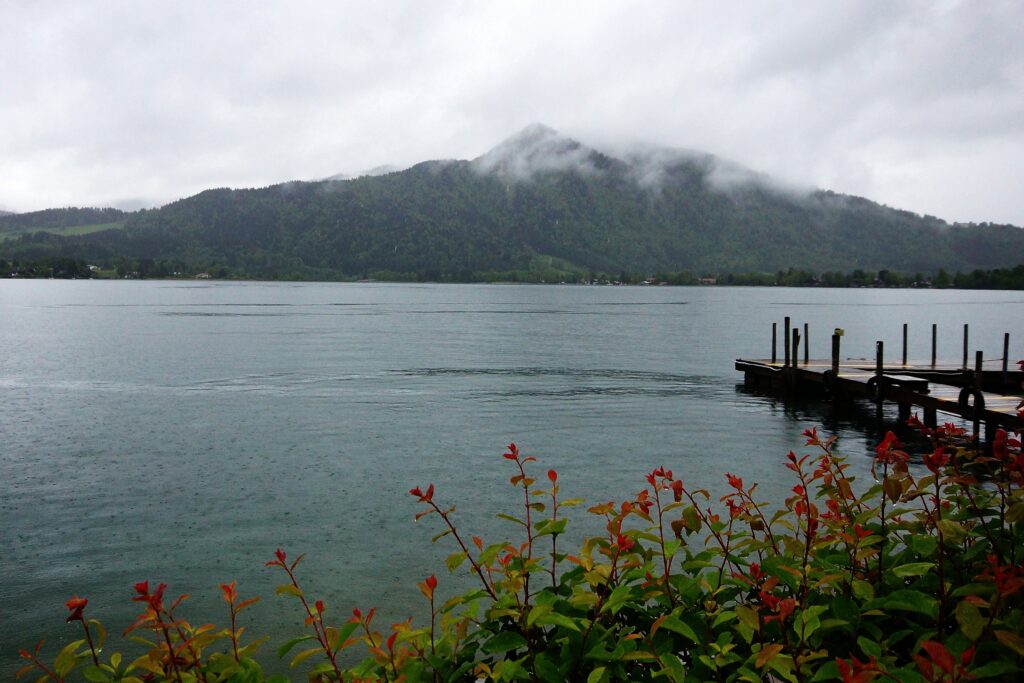
BOAT SAFARI IN LAKE MANYARA NATIONAL PARK
A boat safari in the Lake Manyara area offers visitors a different way to experience the beauty of northern Tanzania. Instead of viewing the landscape only from a safari vehicle, a boating experience allows travellers to appreciate the lake and its surroundings from the water. Lake Manyara lies below the dramatic Great Rift Valley escarpment and forms an important part of the park’s landscape. The lake, wetlands, forests, and surrounding wildlife create a beautiful setting for exploring nature. Tanzania National Parks describes Lake Manyara as a compact park with diverse landscapes that include a soda lake, groundwater forests, wildlife-rich wetlands, and the impressive Rift Valley escarpment.
The experience of being on the water can make a safari feel more peaceful and immersive. Visitors can take time to appreciate the changing scenery and the relationship between the lake and the surrounding ecosystem. The shoreline attracts many birds and other wildlife, while the distant escarpment creates a striking background. Flamingos can create colourful scenes around the alkaline lake when conditions are suitable. Pelicans and other waterbirds also use the lake and its surrounding wetlands. These natural features make the area attractive to travellers who enjoy photography, bird watching, and quiet nature experiences.
However, visitors planning a boat safari in Lake Manyara should confirm the availability of the activity before travelling. TANAPA’s current Lake Manyara visitor information highlights activities such as game drives, bird watching, canopy walks, boardwalks, viewpoints, and other experiences, while its general boating guidelines explain how authorised boating activities operate in national parks. This means boating arrangements can depend on official authorisation, the designated site, water conditions, and current park regulations.
For travellers who want to experience Lake Manyara from a different perspective, a properly authorised boat excursion can add an exciting dimension to a northern Tanzania safari.
Exploring Lake Manyara from the Water
A boat excursion provides a completely different perspective of Lake Manyara. From the water, visitors can look back towards the shoreline and appreciate the relationship between the lake, wetlands, woodland, forest, and Rift Valley escarpment. The scenery can appear especially impressive when the water is calm and the surrounding landscape reflects across the lake. This creates an atmosphere that feels very different from a traditional game drive.
The lake forms one of the defining features of Lake Manyara National Park. It is an alkaline lake that supports a variety of waterbirds and other wildlife. The surrounding wetlands provide feeding and resting areas for birds, while the wider ecosystem supports mammals, reptiles, and many other forms of wildlife. TANAPA highlights flamingos, pelicans, and other waterbirds among the natural attractions associated with the lake.
A boat experience can therefore help visitors appreciate the lake as an ecosystem rather than simply seeing it as a scenic feature. You can observe the changing shoreline and notice how vegetation grows around the water. You can watch birds moving between the lake and surrounding wetlands. You can also enjoy the sounds of nature without the constant movement of a vehicle.
For photographers, the water can provide excellent opportunities for landscape images. The Rift Valley cliffs, open lake, vegetation, birds, and changing light can combine to create attractive photographs. Early morning light can create soft views across the water, while later afternoon light can give the landscape a warm appearance.
The experience also offers a chance to slow down. Safari travellers often spend many hours travelling through national parks in vehicles. A boating experience provides a different rhythm. Instead of constantly moving from one wildlife sighting to another, visitors can take time to observe the lake and its surroundings.
The Lake Manyara Landscape from a Boat
One of the main attractions of exploring Lake Manyara by water is the scenery. The park sits at the base of the Great Rift Valley escarpment, which gives the landscape a dramatic character. Tall cliffs rise above the park, while the lake spreads across the lower landscape. Forests, wetlands, grasslands, and woodland add different shades and textures to the scenery. TANAPA identifies the Rift Valley escarpment, alkaline lake, groundwater forest, wetlands, and acacia woodland among the park’s key natural attractions.
A boat allows visitors to view these features from a new angle. From the water, the escarpment can appear especially impressive because the open lake creates a wide foreground. This gives photographers an opportunity to capture the scale of the landscape in one image. The changing weather can also alter the appearance of the lake. Clouds may create shadows across the escarpment, while clear skies can make the water and surrounding vegetation appear bright.
The shoreline also changes as you move through different areas. Some sections may have wetland vegetation, while other areas may appear more open. Birds may gather in shallow areas, and vegetation can create natural habitats for different species. These changes make a boat trip interesting because the scenery does not remain the same throughout the experience.
The lake also provides a peaceful setting for travellers who appreciate nature without needing constant wildlife action. You may not see a large animal at every moment, but the landscape itself remains part of the experience. The sounds of birds, the movement of water, the surrounding vegetation, and the distant escarpment can make the excursion relaxing.
For visitors who want to experience the natural beauty of Tanzania beyond the famous big-game sightings, exploring Lake Manyara from the water can offer a refreshing perspective.
Bird Watching During a Lake Manyara Boat Experience
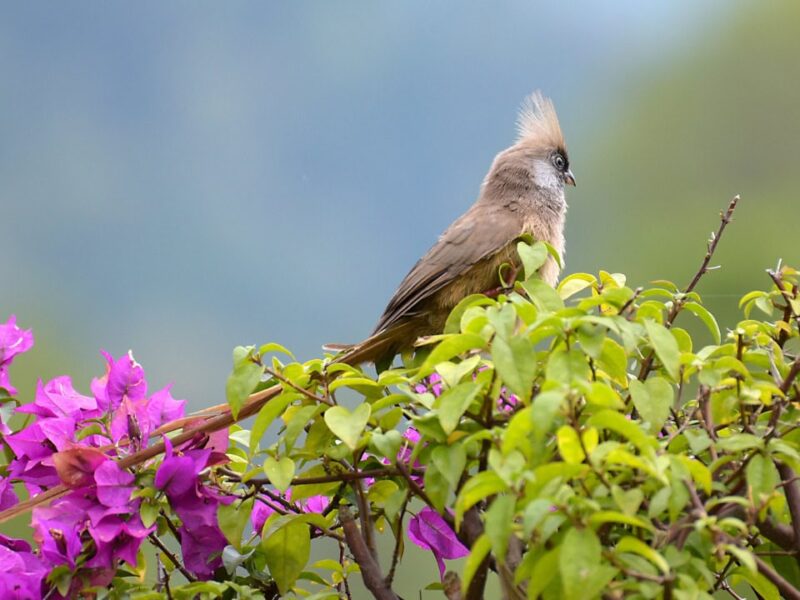
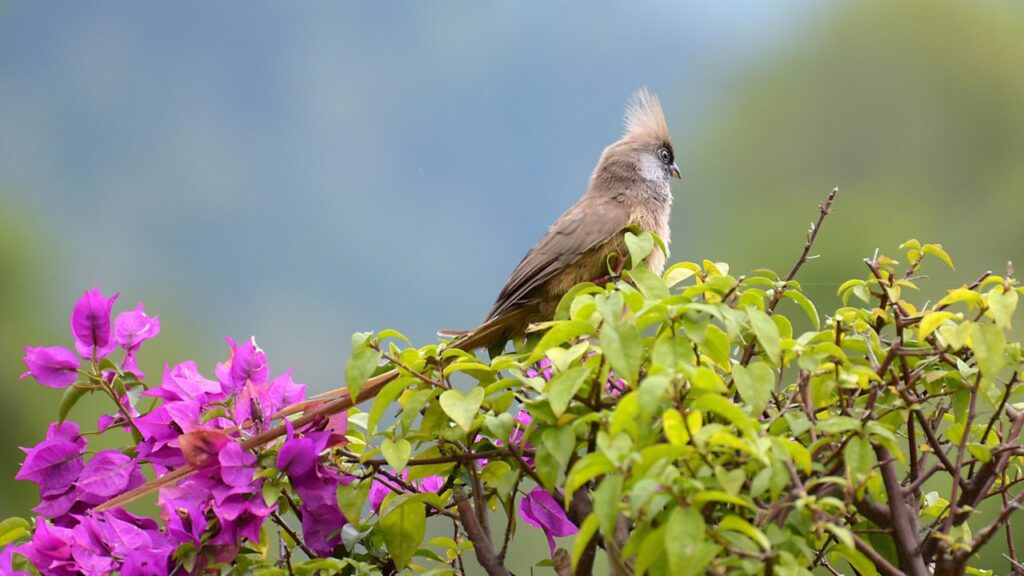
Bird watching is one of the most appealing aspects of spending time around Lake Manyara. The lake and surrounding wetlands attract a variety of waterbirds. Flamingos, pelicans, storks, herons, and other species can occur around the lake and its shoreline. TANAPA describes the alkaline lake as a seasonal habitat for lesser and greater flamingos, pelicans, and other waterbirds.
A boat can provide an interesting viewing position because visitors can observe birds from the water while maintaining an appropriate distance. Birds may feed in shallow areas, rest along the shoreline, or fly between different parts of the wetland. Watching their behaviour can be as enjoyable as simply identifying the species.
Flamingos can create one of the most memorable scenes around Lake Manyara. When large numbers gather in suitable areas, their pink colour contrasts beautifully with the lake and surrounding landscape. Pelicans can also make impressive subjects because of their large size and distinctive appearance. Herons and storks often spend time around wetland edges where they search for food.
Bird photographers should carry binoculars and a camera with a suitable zoom lens. Binoculars help visitors identify distant birds, while a zoom lens allows them to take photographs without disturbing the animals. Visitors should always follow their guide’s instructions and maintain a respectful distance.
Birding from the water also encourages visitors to observe the wider ecosystem. Instead of focusing only on one bird, you can notice how different species use different parts of the lake. Some remain near shallow water. Others rest along the shore. Some fly over the lake before returning to the wetlands.
This makes a boat experience especially appealing to travellers who enjoy combining wildlife viewing with photography and nature observation.
Wildlife Around Lake Manyara
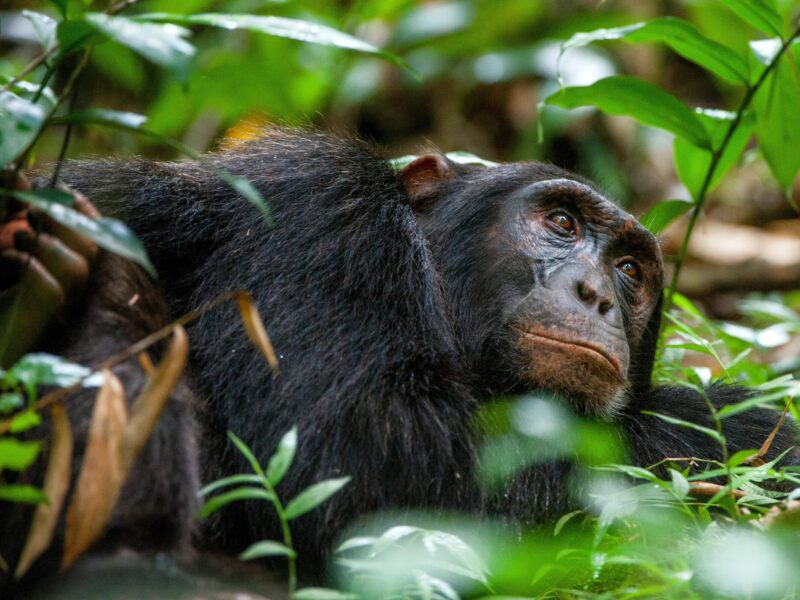
Although Lake Manyara is famous for its birdlife and scenic lake, the wider park also supports a variety of wildlife. Visitors may encounter elephants, giraffes, buffaloes, baboons, blue monkeys, and other animals during their safari. The park is also famous for its tree-climbing lions. TANAPA describes Lake Manyara as a park where diverse habitats support wildlife including elephants, monkeys, baboons, and the famous lions that sometimes rest in trees.
A boat experience should not replace a game drive when wildlife viewing forms the main purpose of a Lake Manyara safari. Instead, visitors can view boating as an additional way to appreciate the park and its lake environment. A game drive provides access to forest tracks, woodland, grassland, and other areas that boats cannot reach. A water-based excursion, where authorised and available, focuses on the lake and its shoreline.
This combination can create a more varied safari experience. A morning game drive can introduce visitors to the park’s land-based wildlife, while a later water experience can provide a completely different view of the landscape. The two activities complement each other because they reveal different parts of the ecosystem.
Wildlife viewing from or around water also requires careful attention to safety. Visitors should never approach animals independently or attempt to leave the boat without authorisation. Hippos and other animals can behave unpredictably, so guests should always follow the instructions of the boat operator, guide, and park ranger.
Responsible viewing protects both tourists and wildlife. The goal is to observe animals without changing their natural behaviour. A professional safari operator can help visitors understand these rules and enjoy the experience safely.
Photography on a Lake Manyara Boat Safari
A boat safari can provide excellent opportunities for photography because it combines wildlife, water, landscapes, birds, and dramatic scenery. Lake Manyara offers a particularly attractive setting because the Great Rift Valley escarpment rises above the lake. The open water also provides wide views that can help photographers capture the scale of the landscape. TANAPA identifies Lake Manyara as an appropriate destination for filming and photography.
Landscape photographers can focus on the relationship between the lake and the escarpment. Wildlife photographers may concentrate on birds along the shoreline. Bird photographers can use longer lenses to capture flamingos, pelicans, storks, and other waterbirds. The reflections on calm water can also add an attractive element to landscape photographs.
Morning and afternoon light can create different photographic effects. Early light often produces softer images and can highlight the colours of birds and vegetation. Later light can create warm tones across the water and escarpment. Weather can also change the atmosphere of the photographs. Clouds may create dramatic patterns over the Rift Valley cliffs, while clear skies can produce sharp views.
Visitors should carry waterproof protection for cameras, phones, and other electronic equipment. Water can splash into the boat even when the lake appears calm. A dry bag or waterproof pouch can help protect valuable equipment.
Photography should never compromise safety or wildlife welfare. Visitors should remain seated when instructed and avoid sudden movements that could disturb animals. They should also avoid trying to move closer to wildlife simply to obtain a better photograph. The best wildlife photographs often come from patience and careful observation.
A Peaceful Way to Experience Lake Manyara
One of the most appealing qualities of being on the water is the peaceful atmosphere. A safari can sometimes involve long drives across rough tracks, frequent stops, and the excitement of searching for wildlife. A water excursion provides an opportunity to slow down and enjoy the natural surroundings.
The lake creates a sense of openness. The horizon stretches across the water, while the escarpment provides a strong natural backdrop. Birds move across the sky, vegetation grows along the shoreline, and the water changes with the wind and light. These details can make the experience enjoyable even when there is no major wildlife sighting.
This peaceful atmosphere can suit couples, families, photographers, bird watchers, and travellers who simply enjoy nature. It can also provide a welcome change after several days of game drives. Visitors can relax while taking in the scenery and learning more about the lake ecosystem from their guide.
The experience also encourages a deeper appreciation of the natural environment. A lake is not simply a body of water. It supports birds, plants, fish, mammals, insects, and other organisms. The wetlands around it also play an important ecological role. Observing these connections from the water can help visitors understand why conservation matters.
For travellers who want more than a traditional vehicle safari, a properly authorised boating experience can add variety to the itinerary. It allows visitors to experience the landscape through a different form of movement while maintaining the focus on nature and conservation.
Safety During a Lake Manyara Boat Safari
Safety should remain a priority during every water-based tourism activity. TANAPA’s official boating guidelines state that authorised boats must operate with competent boat operators and an assistant or park ranger. The guidelines also require appropriate safety equipment and a pre-activity briefing for visitors. Passengers must wear life jackets or other approved life-saving devices during boating activities.
Visitors should listen carefully to the safety briefing before the boat leaves the shore. The guide or operator can explain how to sit, where to place personal belongings, and what to do in case of an emergency. Guests should avoid standing or moving around the boat unnecessarily, especially when the boat is travelling.
The boat should also carry essential safety equipment. TANAPA’s guidelines mention life jackets, ring buoys, first-aid equipment, firefighting equipment, and communication devices. The guidelines also state that boats should leave the lake before sunset.
Weather and water conditions can affect boating activities. Strong winds, poor visibility, or changing water conditions may make boating unsuitable at certain times. The responsible decision in such circumstances is to follow the instructions of park authorities and the boat operator.
Visitors should also remember that Lake Manyara remains a wildlife environment. Wildlife may occur close to the shoreline. Guests should never attempt to touch or feed animals and should not make loud noises to attract their attention.
Safety allows visitors to enjoy the experience with confidence. When everyone follows the rules, the boat trip becomes more comfortable, enjoyable, and respectful of the natural environment.
What to Carry for a Lake Manyara Boat Safari
Good preparation can make a boating experience more comfortable. Visitors should carry sun protection because the open water can expose passengers to direct sunlight for extended periods. A hat, sunglasses, and sunscreen can provide useful protection.
Binoculars are also valuable. They allow visitors to observe birds and distant wildlife without approaching them. A camera with a zoom lens can help capture wildlife and landscape photographs while maintaining a safe distance.
Because visitors will spend time around water, they should protect electronic devices. Waterproof bags or dry bags can help protect cameras, phones, travel documents, and other sensitive items from splashes. Visitors should also avoid carrying unnecessary valuables.
Light, comfortable clothing can make the experience more enjoyable. Neutral colours work well during wildlife activities because they reduce visual disturbance. A light jacket can also help during cooler mornings or windy conditions.
Comfortable footwear is useful when boarding and leaving the boat. Visitors should follow the operator’s instructions during these movements.
Most importantly, travellers should carry a spirit of patience. Nature does not follow a fixed schedule. Birds may move away. Wildlife may remain hidden. The weather may change. The beauty of a boating experience comes from observing the environment as it naturally occurs.
Adira Safaris Africa can help visitors prepare for their safari and advise them on the items that suit the season and itinerary. Before booking specifically for a Lake Manyara boat experience, travellers should also confirm whether the activity is authorised and operating during their intended visit.
Best Time for a Lake Manyara Water Experience
The best time for a boating experience depends on weather, water conditions, wildlife activity, and whether the activity has official approval during the visitor’s travel dates. Lake Manyara remains an important attraction throughout the year, but the character of the landscape changes with the seasons.
During wetter periods, vegetation around the lake can appear greener and more vibrant. Water levels and wetland conditions may also influence where birds gather. This can create attractive opportunities for photography and bird watching.
Drier periods can provide different scenery. The landscape may appear more open, and wildlife behaviour around water can change. However, visitors should not assume that a particular water activity will operate throughout the year. Conditions on the lake can influence whether boating is suitable.
The time of day can also influence the experience. Early morning often provides cooler conditions and attractive light. Afternoon excursions can offer warm light across the landscape. However, all boating activities should follow official operating times and park regulations.
TANAPA’s general boating guidelines require boats to leave the lake by sunset. This reflects the importance of operating the activity within safe and authorised hours.
For the best planning, travellers should discuss their preferred dates and activities with Adira Safaris Africa. The safari team can check the current situation and help build a suitable itinerary.
Responsible Tourism During Boat Excursions
Responsible tourism plays an important role in protecting Lake Manyara. The lake supports a diverse ecosystem, and visitors should make every effort to minimise their environmental impact.
Tourists should never throw rubbish into the water. TANAPA’s boating guidelines require boats to have dustbins and prohibit smoking during the activity. These rules help reduce pollution and protect the lake environment.
Visitors should also avoid making unnecessary noise. Birds and other wildlife depend on the shoreline and wetlands for feeding and resting. Loud noise can disturb them and change their natural behaviour.
Guests should never feed wildlife. Feeding animals can create unhealthy dependence on people and may encourage dangerous interactions. Visitors should also avoid trying to approach animals for photographs.
Responsible boating also means respecting the instructions of the boat operator and park ranger. These professionals understand the water conditions and wildlife environment. Following their guidance protects visitors while reducing disturbance to animals.
Conservation is one of the most important parts of sustainable tourism. When visitors travel responsibly, they help preserve the environment for future generations. A good safari should leave visitors with wonderful memories without causing unnecessary harm to the natural surroundings.
Lake Manyara’s lake, wetlands, forest, and wildlife are valuable resources. Protecting them benefits both nature and the communities and tourism businesses that depend on the park.
Combining a Boat Experience with a Lake Manyara Safari
A water-based experience can work well as part of a wider Lake Manyara safari. The park offers several other activities and attractions, including game drives, bird watching, canopy walks, viewpoints, boardwalks, and visits to scenic areas.
A game drive allows visitors to explore land-based habitats and search for elephants, giraffes, buffaloes, monkeys, and the park’s famous tree-climbing lions. The groundwater forest provides a green and shaded environment, while the acacia woodland offers another type of landscape. The lake and wetlands then add a different dimension to the safari.
Visitors interested in birds can combine bird watching with their time around the lake. Those interested in photography can focus on both wildlife and landscape images. Families may enjoy combining game viewing with scenic stops and other approved activities.
Lake Manyara also fits naturally into a northern Tanzania safari itinerary. Many travellers visit the park as part of a wider route that includes other famous destinations in the region. TANAPA’s visitor guide notes that Lake Manyara lies on Tanzania’s northern safari circuit and sits close to Mto wa Mbu, making it accessible from Arusha and convenient to combine with other northern safari destinations.
This makes Lake Manyara a useful destination for travellers who want to experience different sides of Tanzania within one trip.
Why Choose Adira Safaris Africa for Your Lake Manyara Experience?
A good safari requires careful planning. This becomes even more important when you want to include special activities such as a boating experience. Adira Safaris Africa can help travellers understand the options available and build an itinerary that matches their interests.
The focus should always remain on creating a safe, enjoyable, and responsible experience. Before confirming a boat safari at Lake Manyara, the availability and authorisation of the activity should be checked for the specific travel dates. This approach helps avoid disappointment and ensures that visitors follow current park regulations.
Adira Safaris Africa can also help combine the lake experience with game drives, bird watching, photography, and other approved activities. This allows travellers to experience the park from different perspectives instead of relying on one activity alone.
The value of a safari goes beyond the number of animals seen. It also comes from the landscapes, sounds, people, culture, conservation, and memories created along the way. A well-planned Lake Manyara itinerary can provide all these elements.
Whether you are travelling as a couple, family, group of friends, photographer, or nature enthusiast, Adira Safaris Africa can help you plan an experience that suits your travel goals.
Plan Your Lake Manyara Boat Safari with Adira Safaris Africa
A boat safari in Lake Manyara can provide an exciting and refreshing perspective of one of Tanzania’s most distinctive landscapes. Being on the water allows visitors to appreciate the lake, wetlands, birds, shoreline, and Great Rift Valley escarpment from a different viewpoint.
The experience can be particularly attractive to bird watchers and photographers. Flamingos, pelicans, storks, herons, and other waterbirds add colour and movement to the lake environment. The surrounding landscape provides beautiful backgrounds for photographs, while the peaceful nature of the water can create a welcome change from long hours in a safari vehicle.
At the same time, visitors should understand that boating at Lake Manyara must follow official regulations and availability. TANAPA’s current Lake Manyara activity information does not list a general boat safari among the park’s standard activities, while its boating guidelines establish requirements for authorised boating activities. Therefore, travellers should confirm the activity before adding it to their itinerary.
This careful approach allows visitors to enjoy Lake Manyara responsibly while respecting park management and conservation requirements.
Adira Safaris Africa can assist you in planning your Lake Manyara safari and checking the activities available for your travel dates. If boating is authorised and operating during your visit, it can add an interesting water-based dimension to your safari. If conditions or regulations do not allow it, the park still offers excellent alternatives, including game drives, bird watching, canopy walks, boardwalks, viewpoints, and other nature experiences.
Lake Manyara is a destination where the lake and the land work together to create a memorable safari environment. From the pink colours of flamingos to the towering Rift Valley escarpment, the green groundwater forest, and the wildlife around the shoreline, every part of the landscape contributes to the experience.