Katavi National Park
July 23, 2026
Lake Eyasi
July 24, 2026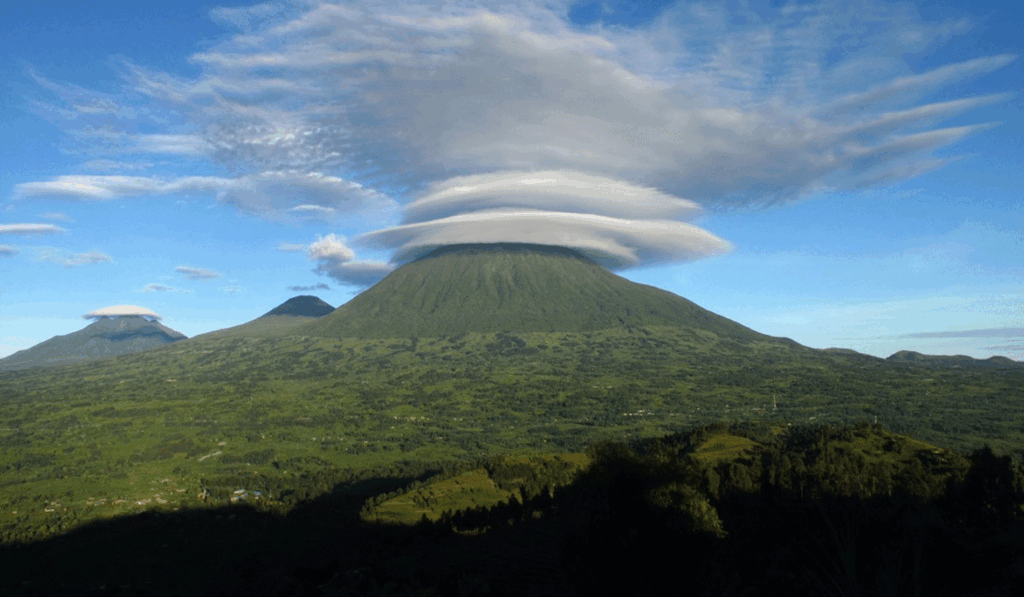
Ol Doinyo Lengai
Ol Doinyo Lengai is one of the most remarkable tourist destinations in Tanzania. Known as the “Mountain of God,” this magnificent volcano holds great cultural, geological, and natural significance. It rises dramatically above the floor of the Great Rift Valley in northern Tanzania and stands as one of Africa’s most unique volcanic mountains. The name Ol Doinyo Lengai comes from the Maasai language and translates to “Mountain of God.” For centuries, the Maasai people have regarded the mountain as a sacred place where their deity, Enkai, resides. This deep spiritual connection adds a rich cultural dimension to every visit.
Unlike many volcanic mountains around the world, Ol Doinyo Lengai is the only active volcano on Earth that erupts natrocarbonatite lava. This rare type of lava is much cooler than ordinary volcanic lava and appears dark when it flows before turning white after exposure to the atmosphere. Scientists from across the world visit the mountain to study its extraordinary volcanic activity, making it one of the most important geological sites on the planet.
Beyond its scientific importance, Ol Doinyo Lengai offers breathtaking scenery, rewarding hiking adventures, and panoramic views of northern Tanzania. The mountain overlooks the vast plains of the Great Rift Valley, Lake Natron, surrounding volcanic highlands, and distant mountains. Climbers who reach the summit experience spectacular sunrise views that rank among the finest in East Africa.
The mountain attracts adventure seekers, photographers, nature lovers, geologists, cultural tourists, and experienced hikers looking for a challenging but unforgettable climb. Its remote location and dramatic landscapes create a peaceful atmosphere that differs from Tanzania’s busy safari parks.
Adira Safaris Africa proudly recommends Ol Doinyo Lengai for travelers seeking adventure, cultural experiences, and one of the world’s rarest volcanic landscapes. A visit to this extraordinary mountain offers an unforgettable opportunity to explore one of Tanzania’s greatest natural wonders.
Location of Ol Doinyo Lengai
Ol Doinyo Lengai is located in northern Tanzania within the Great Rift Valley, close to the southern shores of Lake Natron in Arusha Region. The mountain lies approximately 240 kilometers northwest of Arusha City and rises to an elevation of about 2,962 meters above sea level. Its striking volcanic cone dominates the surrounding landscape and serves as one of the most recognizable landmarks in the region.
The mountain sits within a remote but incredibly scenic part of Tanzania. Visitors usually travel from Arusha by road, passing through Maasai villages, open savannahs, volcanic plains, and dramatic escarpments before reaching the base of the mountain. The journey itself offers beautiful scenery and opportunities to observe local culture.
Ol Doinyo Lengai also lies near several famous tourist attractions. Lake Natron, renowned for its flamingos and striking alkaline waters, is only a short distance away. The Ngorongoro Conservation Area, Serengeti National Park, and Empakaai Crater are also within the broader northern tourism circuit. Many travelers combine these destinations to enjoy a diverse Tanzanian adventure that includes wildlife, mountain climbing, bird watching, and cultural encounters.
Its location in the eastern branch of the Great Rift Valley adds to its geological importance. The mountain continues to form part of an active tectonic landscape where volcanic forces have shaped the surrounding environment for millions of years.
History and Cultural Significance of Ol Doinyo Lengai
Ol Doinyo Lengai has long held a special place in the traditions of the Maasai people. For generations, the Maasai have regarded the mountain as the earthly home of Enkai, their supreme deity. According to Maasai beliefs, Enkai controls rain, fertility, livestock, and prosperity. The mountain therefore represents a sacred place where spiritual power connects heaven and earth.
Many Maasai legends describe Ol Doinyo Lengai as a mountain of blessings and divine protection. Community elders have traditionally visited the area during important ceremonies and periods of drought to pray for rain and abundant pasture. This strong spiritual connection continues today, making respect for local customs an important part of visiting the mountain.
The mountain also has a fascinating geological history. Scientists believe volcanic activity began hundreds of thousands of years ago as tectonic forces separated the African continent along the Great Rift Valley. Over time, repeated eruptions formed the steep volcanic cone that dominates the landscape today.
Modern scientific research has brought international attention to Ol Doinyo Lengai because of its unusual volcanic behavior. Geologists continue to monitor the volcano closely to better understand its rare eruptions and their contribution to Earth’s geological processes. This combination of cultural heritage and scientific importance makes Ol Doinyo Lengai one of Tanzania’s most significant natural landmarks.
The Unique Volcano of Ol Doinyo Lengai
Ol Doinyo Lengai is unlike any other volcano in the world. It is the only active volcano that erupts natrocarbonatite lava, making it one of the rarest geological features on Earth. This unusual lava contains high concentrations of sodium and potassium carbonate rather than the silica-rich minerals found in most volcanic eruptions.
Because of its unique composition, the lava erupts at temperatures of around 500 to 600 degrees Celsius, much cooler than ordinary volcanic lava, which often exceeds 1,000 degrees Celsius. Fresh lava appears dark brown or black as it flows across the summit before gradually turning bright white when exposed to moisture in the atmosphere.
The volcano remains active, although eruption intensity varies over time. Small eruptions occasionally reshape parts of the summit crater while creating fascinating volcanic features that attract scientists and adventurous travelers alike. Despite its activity, climbing remains possible during periods when conditions are considered safe.
The summit contains steaming vents, ash deposits, fresh lava formations, and breathtaking views across the surrounding Rift Valley. Standing on the crater rim allows visitors to witness one of the world’s most extraordinary volcanic landscapes while appreciating the immense geological forces that continue shaping East Africa.
Climbing Ol Doinyo Lengai
Climbing Ol Doinyo Lengai ranks among Tanzania’s most exciting adventure activities. Although the mountain is not extremely high compared to Mount Kilimanjaro or Mount Meru, the climb presents a significant physical challenge because of its steep slopes and loose volcanic ash.
Most climbs begin shortly before midnight. Starting at night allows hikers to avoid the intense daytime heat while reaching the summit before sunrise. Guided by experienced local guides, climbers steadily ascend the mountain using flashlights as they navigate the steep volcanic terrain.
The climb generally takes between five and seven hours depending on fitness levels and trail conditions. Although demanding, every step brings increasingly spectacular views across the surrounding landscapes. Upon reaching the summit, climbers witness an unforgettable sunrise illuminating Lake Natron, the Great Rift Valley, volcanic plains, and distant mountain ranges.
Descending the mountain usually requires three to four hours. While challenging, the descent offers excellent opportunities to appreciate the volcanic formations and panoramic scenery that may have been hidden during the night climb.
Successful climbers often describe Ol Doinyo Lengai as one of Africa’s most rewarding trekking experiences due to its unique volcanic environment and breathtaking summit views.
Wildlife Around Ol Doinyo Lengai
Although Ol Doinyo Lengai is primarily known for its volcanic landscapes, the surrounding region supports a surprising variety of wildlife. The nearby plains, woodlands, wetlands, and Lake Natron ecosystem provide important habitats for many animal species.
Visitors frequently observe zebras, giraffes, wildebeests, gazelles, impalas, dik-diks, ostriches, and warthogs roaming the surrounding savannah. Smaller mammals such as jackals, hyenas, and mongooses also occur throughout the area. Occasionally, elephants move through nearby wildlife corridors connecting different protected ecosystems.
The mountain’s lower slopes support reptiles, insects, and smaller bird species adapted to the dry volcanic environment. The surrounding vegetation changes with elevation, creating different habitats for various animals.
The nearby Lake Natron ecosystem greatly enhances wildlife diversity within the region. Seasonal migrations of herbivores through surrounding plains provide excellent opportunities for wildlife viewing while complementing the mountain adventure.
Bird Watching Near Ol Doinyo Lengai
Bird enthusiasts find excellent opportunities around Ol Doinyo Lengai, particularly near Lake Natron. The alkaline lake supports one of the world’s largest breeding populations of lesser flamingos, making the area internationally important for bird conservation.
Thousands of flamingos gather along the lake’s shallow shores throughout much of the year. Their brilliant pink colors create stunning photographic scenes against the dramatic volcanic backdrop.
Other common bird species include pelicans, herons, egrets, Egyptian geese, African fish eagles, kestrels, hornbills, weavers, bee-eaters, sunbirds, and numerous migratory species. Raptors frequently soar above the volcanic slopes while searching for prey.
Bird watching remains rewarding throughout the year, although the number of flamingos varies depending on water levels and breeding conditions.
Best Time to Visit Ol Doinyo Lengai
Ol Doinyo Lengai welcomes visitors throughout the year, but the dry seasons provide the most favorable climbing conditions. The months from June to October and January to February usually offer clear skies, stable weather, and safer hiking trails.
During these months, climbers enjoy better visibility from the summit, making sunrise photography particularly spectacular. Dry trails also improve hiking conditions by reducing slippery volcanic ash.
The rainy seasons between March and May and November to December bring greener landscapes and cooler temperatures. However, rain can make the steep trails more challenging and reduce visibility from the summit.
Travelers should choose their preferred season depending on their interests. Adventure climbers generally prefer the dry months, while photographers may appreciate the vibrant scenery following seasonal rains.
Tourist Activities Around Ol Doinyo Lengai
Ol Doinyo Lengai offers far more than mountain climbing. Visitors enjoy a variety of activities that showcase the region’s natural beauty and cultural heritage.
The mountain climb remains the main attraction, offering one of Africa’s most unique trekking experiences. Guided hikes provide safe access to the summit while allowing visitors to learn about the mountain’s geology and cultural significance.
Cultural visits to nearby Maasai communities provide opportunities to experience traditional lifestyles, music, dances, livestock keeping, and local customs. These interactions help visitors appreciate the deep connection between the Maasai people and the Mountain of God.
Lake Natron excursions allow travelers to observe flamingos, waterfalls, and spectacular Rift Valley scenery. Nature photography, bird watching, camping, scenic drives, and geological exploration further enrich every visit.
Many travelers also combine Ol Doinyo Lengai with safaris in Ngorongoro Conservation Area, Serengeti National Park, Tarangire National Park, and Lake Manyara National Park.
Conservation Around Ol Doinyo Lengai
Protecting the natural and cultural heritage surrounding Ol Doinyo Lengai remains an important priority. Conservation efforts focus on preserving the fragile volcanic ecosystem, wildlife habitats, water resources, and Maasai cultural traditions.
Responsible tourism encourages visitors to respect local customs, stay on designated trails, avoid littering, and minimize environmental impacts. Local communities benefit from tourism through employment opportunities, guiding services, accommodation facilities, and cultural tourism initiatives.
Researchers continue monitoring volcanic activity while conservation organizations protect nearby ecosystems that support wildlife and important bird populations. Sustainable tourism helps ensure that future generations can continue enjoying this extraordinary destination.
Why Visit Ol Doinyo Lengai?
Ol Doinyo Lengai offers one of the most extraordinary travel experiences in Tanzania. Its unique volcanic activity, breathtaking landscapes, sacred cultural heritage, and rewarding mountain climb create an adventure unlike any other in Africa. Visitors not only conquer the legendary Mountain of God but also witness one of the world’s rarest geological phenomena.
The spectacular sunrise from the summit, panoramic views across the Great Rift Valley, nearby flamingo-filled Lake Natron, and authentic Maasai cultural experiences make every journey memorable. Whether you are an experienced hiker, a photographer, a geologist, or simply an adventurous traveler, Ol Doinyo Lengai offers remarkable opportunities to explore Tanzania’s natural beauty.
Adira Safaris Africa proudly recommends Ol Doinyo Lengai as one of Tanzania’s most unique tourist destinations. A visit to this sacred mountain combines adventure, science, culture, and breathtaking scenery into one unforgettable experience. Standing on the summit of the Mountain of God is more than reaching a destination—it is an opportunity to witness the remarkable forces of nature while experiencing one of East Africa’s greatest hidden treasures.