
Tarangire Swamp
July 23, 2026
Ol Doinyo Lengai
July 23, 2026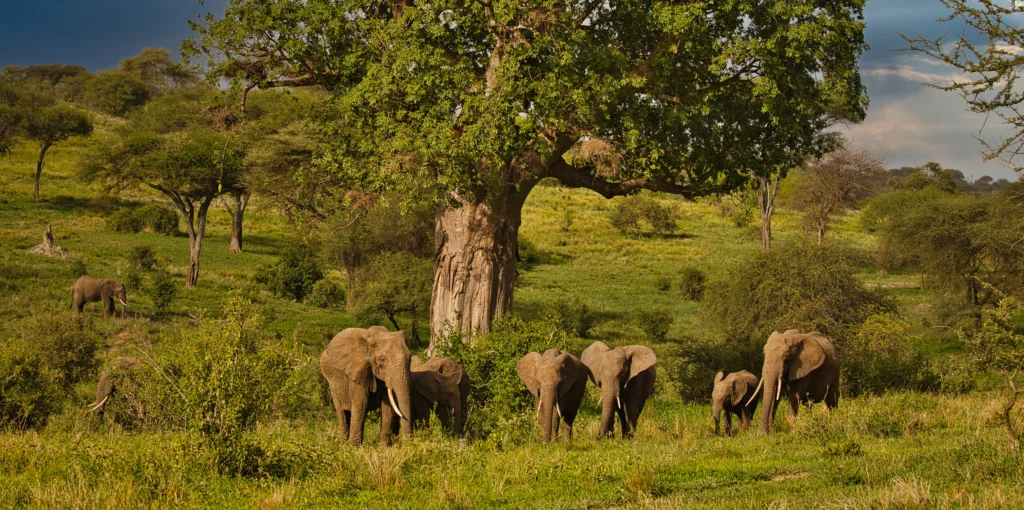
Katavi National Park
Katavi National Park is one of the most spectacular tourist destinations in Tanzania. It is famous for its untouched wilderness, abundant wildlife, and peaceful environment. Unlike many of Tanzania’s more popular national parks, Katavi remains remote and receives fewer visitors throughout the year. This makes it an excellent destination for travelers who want to enjoy an authentic African safari away from large crowds. The park offers breathtaking landscapes, remarkable wildlife encounters, and a true sense of adventure that appeals to nature lovers, photographers, bird watchers, and experienced safari enthusiasts.
Located in western Tanzania, Katavi National Park covers approximately 4,471 square kilometers, making it the third-largest national park in the country. The park protects vast floodplains, open grasslands, seasonal lakes, woodlands, forests, and rivers. These diverse habitats support an incredible variety of wildlife throughout the year. During the dry season, animals gather around the remaining water sources in huge numbers, creating one of Africa’s greatest wildlife spectacles. Massive herds of buffaloes, elephants, zebras, and antelopes roam the plains while predators patiently wait for hunting opportunities.
One of the greatest attractions of Katavi National Park is its untouched character. Visitors often spend hours exploring the park without seeing another safari vehicle. This rare experience allows guests to connect with nature in complete tranquility while enjoying uninterrupted wildlife viewing. Every safari feels personal, peaceful, and rewarding. The park offers an atmosphere that reflects Africa’s wilderness before mass tourism.
Adira Safaris Africa proudly recommends Katavi National Park to travelers seeking a genuine safari experience. Whether you dream of watching large herds of buffaloes crossing the plains, observing crocodiles basking along riverbanks, or photographing lions in their natural habitat, Katavi National Park promises unforgettable adventures throughout the year.
Location of Katavi National Park
Katavi National Park lies in the remote western region of Tanzania within Katavi Region. The park sits about 40 kilometers southwest of Mpanda Town, the nearest major settlement. Although its location is far from Tanzania’s busy northern safari circuit, this remoteness forms one of the park’s greatest strengths. Visitors enjoy peaceful game drives without heavy tourist traffic, allowing wildlife to behave naturally in an undisturbed environment.
Most travelers reach Katavi National Park by domestic flights from Arusha, Dar es Salaam, or Mwanza to the park’s airstrips. Charter flights also operate regularly during the peak safari season. Visitors may also travel by road, although the journey is long and better suited for adventurous travelers who enjoy exploring Tanzania’s countryside.
Katavi National Park forms part of Tanzania’s western safari circuit. Many visitors combine it with Mahale Mountains National Park or Gombe National Park for a complete western Tanzania safari. This combination allows travelers to experience both traditional wildlife safaris and chimpanzee trekking in one remarkable journey.
The park’s isolation has helped preserve its natural ecosystems for decades. Wildlife thrives with minimal human disturbance, making Katavi one of the country’s most pristine conservation areas.
History of Katavi National Park
Katavi National Park has a rich conservation history rooted in local traditions and environmental protection. Before becoming a national park, the area served as an important hunting ground and sacred landscape for local communities. According to local beliefs, the region received its name from the legendary spirit Katabi, who was believed to protect the surrounding land and its people. Over time, the pronunciation evolved into Katavi.
Recognizing the area’s exceptional wildlife and ecological importance, the Tanzanian government first designated it as a game reserve in 1974. Conservation efforts expanded over the following years to protect its unique habitats and wildlife populations. In 1996, the government officially upgraded the reserve to national park status, giving it stronger legal protection and better conservation management.
Today, the Tanzania National Parks Authority (TANAPA) manages Katavi National Park. The organization works tirelessly to conserve wildlife, maintain habitats, combat poaching, and promote sustainable tourism. Conservation programs also involve nearby communities through education and employment opportunities, helping local residents benefit from tourism while protecting natural resources.
Katavi continues to serve as one of Tanzania’s finest examples of successful wildlife conservation, where large mammals, birds, reptiles, and diverse ecosystems flourish in their natural environment.
Landscapes of Katavi National Park
Katavi National Park features an extraordinary variety of landscapes that contribute to its rich biodiversity. The park’s scenery changes dramatically between the rainy and dry seasons, creating different safari experiences throughout the year.
The wide floodplains of Katisunga dominate much of the park. During the rainy season, these plains become lush green grasslands filled with fresh vegetation. Large herbivores spread across the open landscapes to graze. During the dry months, the grasslands gradually turn golden as water sources shrink. Wildlife then concentrates around the remaining rivers, pools, and wetlands, creating exceptional game-viewing opportunities.
Seasonal lakes such as Lake Katavi and Lake Chada add beauty to the landscape while supporting countless animals and birds. Woodlands filled with acacia and miombo trees provide shelter for elephants, giraffes, antelopes, and many bird species. The Katuma River serves as the park’s lifeline, supplying water that sustains wildlife even during prolonged dry periods.
These diverse habitats create stunning scenery for photography while supporting one of Tanzania’s richest ecosystems.
Wildlife in Katavi National Park
Katavi National Park supports one of the highest concentrations of wildlife in Tanzania. The park’s permanent water sources attract enormous numbers of animals, particularly during the dry season when surrounding areas become dry.
African buffaloes represent one of the park’s greatest attractions. Katavi is famous for hosting some of Africa’s largest buffalo herds, often numbering several hundred or even thousands of individuals. Watching these massive herds move across the plains creates an unforgettable safari experience.
Large elephant populations also roam throughout the park. Families of elephants travel between forests, floodplains, and rivers in search of food and water. Visitors frequently observe elephants bathing, drinking, and interacting at the riverbanks.
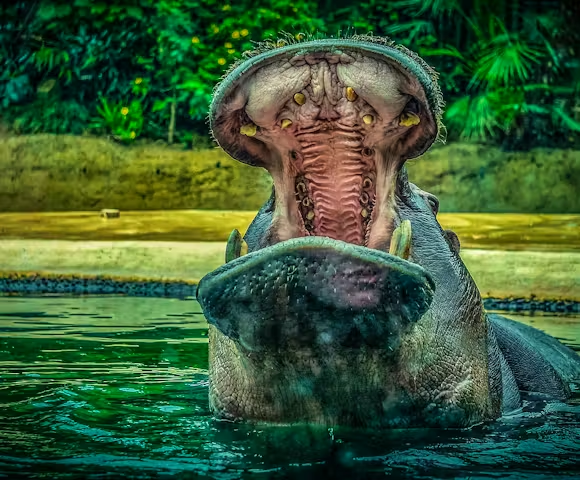
Other common herbivores include giraffes, zebras, impalas, topis, hartebeests, reedbucks, waterbucks, bushbucks, elands, warthogs, and hippos. Hippopotamuses gather in large numbers within shrinking pools during the dry season. Some pools become so crowded that visitors witness fascinating social interactions and territorial disputes among these massive animals.
Predators thrive because prey remains abundant. Lions regularly hunt buffaloes, zebras, and antelopes across the plains. Leopards hide within woodlands while spotted hyenas patrol the open grasslands. Wild dogs occasionally roam through the park, providing exciting sightings for fortunate visitors.
Katavi’s healthy predator-prey balance creates one of East Africa’s most rewarding wildlife destinations.
Bird Watching in Katavi National Park
Katavi National Park is a paradise for bird lovers. More than 450 bird species have been recorded within the park, making it one of Tanzania’s outstanding birding destinations.
Wetlands and floodplains attract large numbers of water birds. Visitors frequently observe pelicans, storks, spoonbills, herons, egrets, African openbills, sacred ibises, cormorants, and Egyptian geese feeding in shallow waters.
Birds of prey soar across the skies searching for food. Martial eagles, bateleurs, fish eagles, tawny eagles, secretary birds, and several vulture species remain common throughout the park.
Woodlands shelter colorful species such as lilac-breasted rollers, bee-eaters, kingfishers, hornbills, barbets, weavers, and sunbirds. During the rainy season, migratory birds increase the already impressive diversity, making November through April particularly rewarding for bird watchers.
Bird photography remains excellent throughout the year because different habitats support different species.
Tourist Activities in Katavi National Park
Game drives remain the main activity in Katavi National Park. Morning and afternoon drives allow visitors to explore different ecosystems while observing wildlife in their natural surroundings. Because visitor numbers remain low, safari vehicles rarely compete for wildlife sightings.
Walking safaris offer another exciting experience. Armed park rangers guide visitors safely through selected areas while explaining animal behavior, plant life, insects, and tracks. Walking allows guests to appreciate nature from a completely different perspective.
Bird watching attracts visitors throughout the year due to the park’s rich avian diversity. Photography enthusiasts also find endless opportunities to capture dramatic wildlife scenes, stunning landscapes, and beautiful African sunsets.
Camping provides a true wilderness experience for adventurous travelers. Spending nights within the park allows visitors to hear lions roaring, hippos calling, and hyenas laughing beneath Africa’s star-filled skies.
Nature drives, wildlife observation, educational tours, and scenic photography complete the range of unforgettable experiences available within Katavi National Park.
Best Time to Visit Katavi National Park
Katavi National Park offers rewarding experiences throughout the year, but each season provides different attractions.
The dry season, from June to October, offers the best wildlife viewing. Water becomes scarce across much of the park, forcing animals to gather around rivers, pools, and wetlands. Visitors enjoy exceptional sightings of elephants, buffaloes, lions, hippos, crocodiles, and many antelope species within relatively small areas.
The rainy season, from November to May, transforms the park into a lush green paradise. Fresh vegetation covers the plains, migratory birds arrive, and many animals give birth to their young. The landscapes become incredibly beautiful for photography, although wildlife spreads across the park due to abundant water.
Travelers interested in wildlife concentrations should choose the dry season, while bird enthusiasts and photographers often enjoy the vibrant scenery of the green season.
Conservation Efforts in Katavi National Park
Conservation plays a central role in protecting Katavi National Park for future generations. TANAPA continues to implement wildlife monitoring, anti-poaching patrols, habitat restoration, and environmental education programs throughout the park.
The park protects important migration routes, breeding grounds, wetlands, and forests that support thousands of animal and plant species. Rangers work continuously to prevent illegal hunting and habitat destruction while ensuring wildlife populations remain healthy.
Tourism also contributes significantly to conservation. Park entrance fees help fund wildlife protection, infrastructure maintenance, research projects, and community development initiatives. Responsible tourism encourages sustainable conservation while creating employment opportunities for nearby communities.
Visitors who follow park regulations help preserve Katavi’s remarkable wilderness for future generations.
Accommodation Near Katavi National Park
Visitors to Katavi National Park can choose from several accommodation options that suit different travel styles and budgets. Luxury safari lodges provide spacious tents or cottages with comfortable beds, private bathrooms, delicious meals, and beautiful views overlooking the surrounding wilderness. These camps offer personalized service while maintaining close contact with nature.
Mid-range tented camps combine comfort with affordability, making them suitable for many travelers. Budget campsites provide adventurous visitors with an authentic bush experience under the African sky. Camping allows guests to enjoy the sounds of wildlife throughout the night while remaining close to nature.
Many accommodations organize guided game drives, walking safaris, bird-watching excursions, and cultural experiences, ensuring guests make the most of their visit.
Why Visit Katavi National Park?
Katavi National Park offers one of Africa’s last true wilderness experiences. It combines spectacular wildlife, dramatic landscapes, peaceful surroundings, and exceptional biodiversity within a remote conservation area that remains largely untouched by mass tourism.
Visitors enjoy remarkable sightings of giant buffalo herds, elephants, hippos, crocodiles, lions, leopards, and hundreds of bird species without crowded safari vehicles. Every game drive feels exclusive, allowing guests to appreciate wildlife in its natural setting.
The park’s floodplains, rivers, forests, and seasonal lakes create breathtaking scenery throughout the year. Walking safaris, bird watching, camping, photography, and traditional game drives provide unforgettable adventures for every traveler.
Adira Safaris Africa proudly recommends Katavi National Park as one of Tanzania’s finest hidden safari destinations. Whether you seek thrilling wildlife encounters, peaceful landscapes, or an authentic African safari, Katavi National Park delivers extraordinary experiences that leave lasting memories. A journey to this magnificent wilderness reveals the true beauty of Tanzania’s untamed natural heritage and offers an adventure unlike any other.