Wildlife in Lake Nakuru National Park
June 9, 2026
White and Black Rhinos in Lake Nakuru National Park
June 9, 2026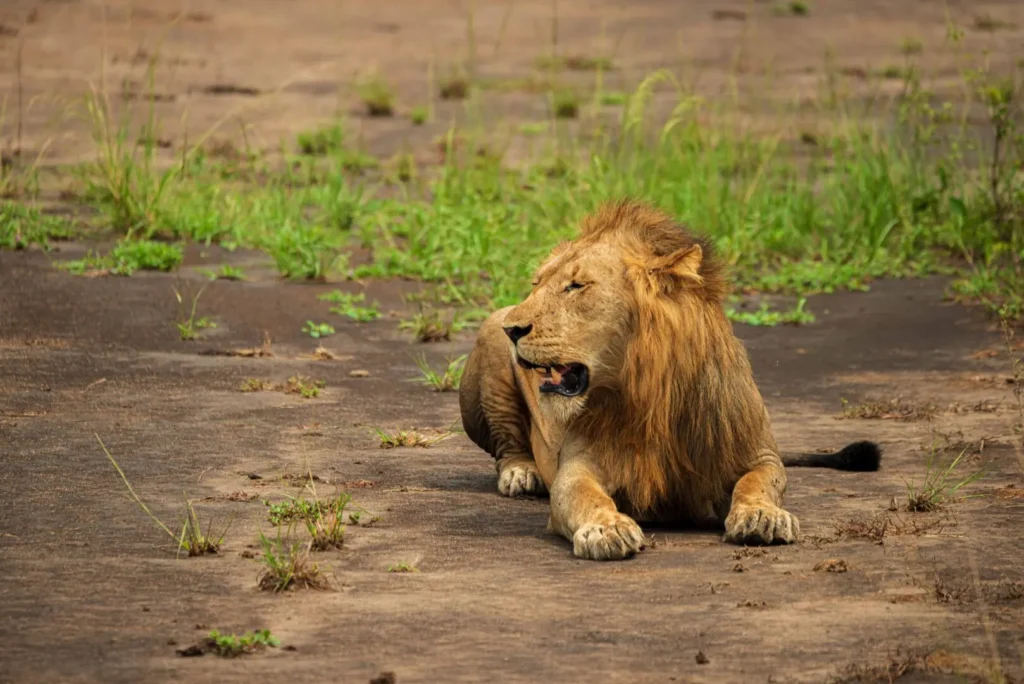
Wildlife in Samburu National Park
Samburu National Reserve is one of Kenya’s most remarkable wildlife destinations. Located in the northern part of the country along the banks of the Ewaso Nyiro River, the reserve offers visitors a unique safari experience that differs from many other parks in East Africa. The semi-arid landscape, rugged terrain, acacia woodlands, riverine forests, and open savannahs create an ideal environment for a wide variety of wildlife species. This rich biodiversity makes Samburu National Reserve one of the most rewarding destinations for nature lovers, photographers, and safari enthusiasts.
Unlike many wildlife areas in Kenya, Samburu hosts several rare animal species that are specially adapted to the harsh conditions of northern Kenya. These species contribute to the reserve’s international reputation as a premier wildlife viewing destination. The permanent waters of the Ewaso Nyiro River provide a lifeline for animals throughout the year. During dry seasons, wildlife gathers around the river, creating excellent opportunities for game viewing.
Visitors to Samburu National Reserve enjoy close encounters with elephants, lions, leopards, cheetahs, giraffes, zebras, antelopes, and numerous bird species. The reserve also serves as home to the famous Samburu Special Five, a group of unique animals rarely found together in other wildlife destinations. These include the Grevy’s zebra, reticulated giraffe, Somali ostrich, Beisa oryx, and gerenuk.
The combination of exceptional wildlife, breathtaking scenery, and rich cultural heritage makes Samburu National Reserve one of Kenya’s most treasured safari destinations. Every game drive offers opportunities to witness fascinating animal behavior and discover species that thrive in this extraordinary ecosystem.
The Samburu Special Five – The Unique Wildlife Icons of the Reserve
One of the biggest attractions in Samburu National Reserve is the Samburu Special Five. These animals have become symbols of the reserve because visitors can easily find them here while they remain rare in many other parts of East Africa. Their unique adaptations help them survive in the dry landscapes of northern Kenya.
The Grevy’s zebra stands out as the largest zebra species in the world. It has narrow black stripes, large ears, and a white belly. Conservationists consider it one of the most endangered zebra species in Africa. Samburu provides one of the best places to observe these beautiful animals in their natural habitat.
The reticulated giraffe is another remarkable species. Its striking coat pattern consists of large brown patches separated by bright white lines. This giraffe subspecies is among the most photographed animals in Samburu due to its stunning appearance and graceful movements.
The Somali ostrich differs from the common ostrich through its distinctive blue-gray neck and legs. It thrives in the dry grasslands and open plains of northern Kenya. Visitors often encounter these large birds moving across the landscape in pairs or small groups.
The Beisa oryx is a magnificent antelope equipped with long straight horns and impressive survival adaptations. It can endure harsh environmental conditions and survive with limited water. Its elegant appearance makes it a favorite among wildlife photographers.
The gerenuk, often called the giraffe-necked antelope, completes the Samburu Special Five. This unusual antelope frequently stands on its hind legs to browse leaves from shrubs and trees. Watching a gerenuk feed in this manner creates one of the most memorable wildlife experiences in Samburu National Reserve.
Elephants – The Giants of Samburu
Samburu National Reserve supports one of Kenya’s most important elephant populations. The reserve has gained international recognition for elephant conservation and research. Visitors frequently encounter large elephant herds moving across the plains or gathering along the Ewaso Nyiro River.
African elephants are among the most intelligent animals in the world. Their strong family bonds and social behavior fascinate wildlife enthusiasts. Female elephants lead family groups while mature bulls often travel independently or form small bachelor groups. Observing these social interactions provides valuable insight into elephant behavior.
The Ewaso Nyiro River plays a crucial role in supporting elephant populations throughout the year. During dry periods, elephants visit the river to drink, bathe, and cool themselves. These activities create excellent wildlife viewing opportunities and memorable photographic moments.
Samburu elephants often appear relaxed around safari vehicles due to years of responsible tourism and conservation efforts. This allows visitors to observe them closely while maintaining a safe distance. Their impressive size, intelligence, and complex social structures make them one of the reserve’s most admired wildlife attractions.
Conservation organizations continue to work closely with local communities to protect elephants from threats such as habitat loss and human-wildlife conflict. These efforts contribute significantly to the long-term survival of elephants within the Samburu ecosystem.
Predators of Samburu National Reserve
Samburu National Reserve offers exceptional opportunities to observe Africa’s most powerful predators. Lions, leopards, and cheetahs thrive within the reserve and attract wildlife enthusiasts from around the world. These predators play a vital role in maintaining ecological balance and regulating prey populations.
Lions rank among the most sought-after wildlife sightings in Samburu. Visitors often encounter prides resting beneath acacia trees during the heat of the day. Early morning and late afternoon game drives provide the best chances to witness hunting behavior and social interactions among pride members.
Leopards are another major attraction within the reserve. These elusive cats prefer riverine forests and dense vegetation along the Ewaso Nyiro River. Their excellent camouflage makes them difficult to spot, but Samburu remains one of Kenya’s top destinations for leopard sightings. Experienced safari guides often locate leopards resting in trees or moving quietly through thick vegetation.
Cheetahs also inhabit the reserve’s open plains and grasslands. As the fastest land animals on Earth, they rely on speed rather than strength when hunting prey. Visitors may observe cheetahs scanning the landscape from termite mounds or pursuing antelopes across open terrain.
Other predators found in Samburu include spotted hyenas, jackals, and servals. Together, these carnivores contribute to the dynamic wildlife interactions that make every safari in Samburu exciting and unpredictable.
Herbivores and Grazing Animals in Samburu
Samburu National Reserve supports a diverse population of herbivores that form the foundation of its ecosystem. These animals provide prey for predators while contributing to vegetation management and ecological balance.
Grevy’s zebras represent one of the reserve’s most iconic grazing species. Their unique appearance and conservation importance attract wildlife enthusiasts from across the globe. Large numbers of these zebras roam the open plains of Samburu.
Reticulated giraffes browse on acacia leaves and other vegetation throughout the reserve. Their long necks allow them to access food beyond the reach of most other herbivores. Visitors frequently encounter these elegant animals feeding peacefully among the trees.
The Beisa oryx and gerenuk showcase remarkable adaptations to arid environments. Both species thrive in areas where water resources remain limited. Their ability to survive under harsh conditions highlights the resilience of wildlife in northern Kenya.
Other herbivores found in Samburu include impalas, waterbucks, dik-diks, warthogs, gazelles, and lesser kudu. These animals occupy different habitats and feeding niches, reducing competition for resources. Their abundance supports healthy predator populations and enhances wildlife viewing opportunities.
Game drives often reveal mixed groups of herbivores feeding together. These scenes demonstrate the rich biodiversity that characterizes Samburu National Reserve and contributes to its reputation as a world-class safari destination.
Birdlife in Samburu National Reserve
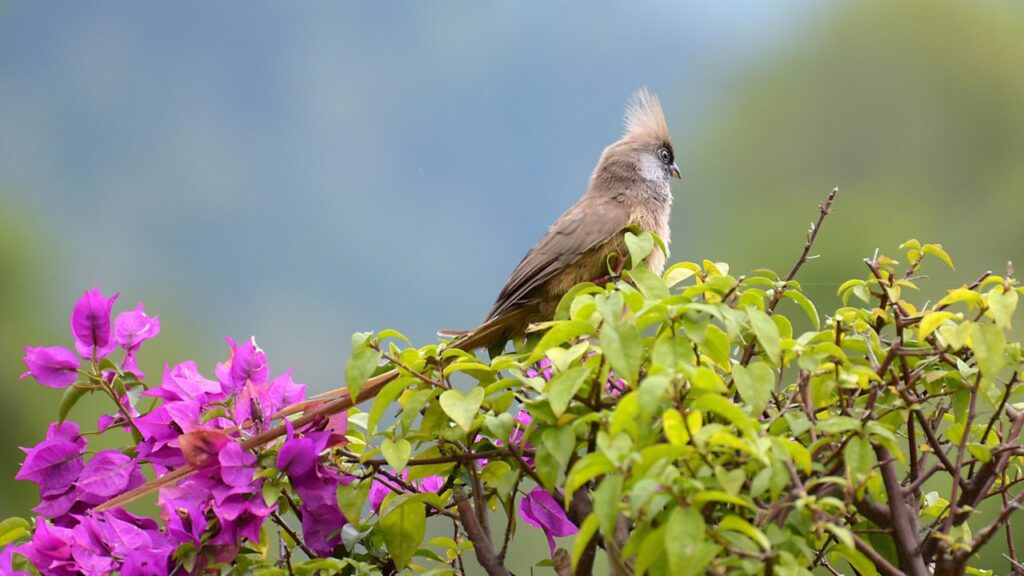
Samburu National Reserve is also a paradise for birdwatchers. The reserve hosts more than 450 bird species, making it one of Kenya’s finest birding destinations. The diverse habitats support a wide range of resident and migratory birds throughout the year.
The Ewaso Nyiro River attracts numerous waterbirds. Visitors frequently observe herons, egrets, kingfishers, storks, and cormorants along the riverbanks. These birds depend on the river for food and nesting opportunities.
Birds of prey thrive in Samburu’s open landscapes. Martial eagles, fish eagles, tawny eagles, and secretary birds frequently patrol the skies. Their impressive hunting abilities add excitement to birdwatching experiences within the reserve.
The Somali ostrich remains one of the reserve’s most distinctive bird species. Its unique appearance and large size make it a favorite among visitors. Other notable species include hornbills, bee-eaters, weavers, sunbirds, rollers, and vultures.
Bird photography opportunities abound throughout Samburu National Reserve. The combination of colorful species, dramatic landscapes, and excellent lighting conditions creates ideal circumstances for capturing stunning images.
Whether visitors are experienced birdwatchers or casual nature enthusiasts, the reserve’s incredible birdlife enhances every safari experience and showcases another dimension of Samburu’s biodiversity.
Why Samburu National Reserve is One of Kenya’s Best Wildlife Destinations
Samburu National Reserve offers a wildlife experience unlike any other destination in Kenya. The reserve combines rare animal species, abundant wildlife populations, breathtaking landscapes, and rich ecological diversity. Visitors can encounter the famous Samburu Special Five alongside elephants, lions, leopards, cheetahs, giraffes, zebras, and hundreds of bird species.
The presence of the Ewaso Nyiro River ensures excellent wildlife viewing throughout the year. Animals frequently gather near the river, especially during dry seasons, creating outstanding game viewing opportunities. The reserve’s relatively uncrowded environment also allows visitors to enjoy a more intimate safari experience compared to some of Kenya’s busier parks.
Conservation efforts continue to protect the reserve’s wildlife and preserve its unique ecosystem. Partnerships between conservation organizations, local communities, and tourism operators contribute to sustainable wildlife management and long-term environmental protection.
Every safari in Samburu offers new discoveries. Visitors may witness a leopard resting in a tree, a herd of elephants crossing the river, or a gerenuk feeding on its hind legs. These unforgettable moments create lasting memories and inspire a deeper appreciation for Africa’s wildlife heritage.
At Adira Safaris Africa, we specialize in creating exceptional safari experiences in Samburu National Reserve. Our professional guides help visitors explore the reserve’s remarkable wildlife while sharing valuable insights about animal behavior, conservation, and local ecosystems. A journey to Samburu promises adventure, discovery, and unforgettable encounters with some of Africa’s most extraordinary wildlife.