Samburu Special Five
June 9, 2026
Wildlife in Samburu National Park
June 9, 2026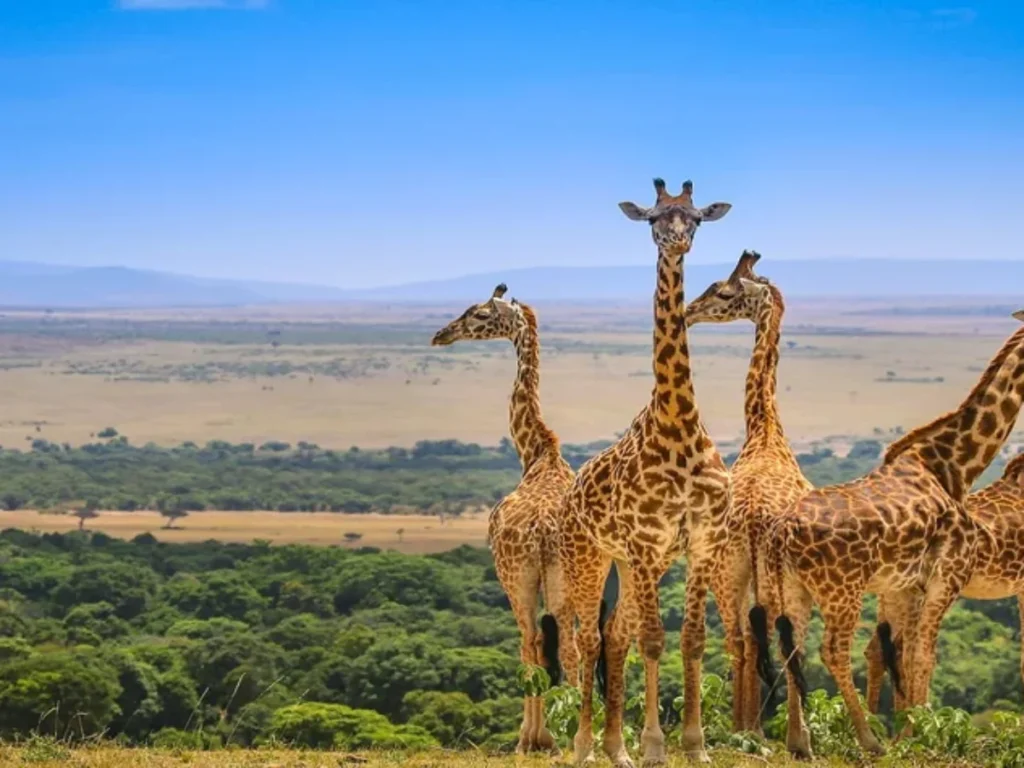
Wildlife in Lake Nakuru National Park
Lake Nakuru National Park stands among the most popular wildlife destinations in Kenya. The park lies in the Great Rift Valley and attracts thousands of visitors every year. It covers an area of about 188 square kilometers and surrounds the beautiful Lake Nakuru. The park offers breathtaking landscapes, diverse habitats, and an impressive variety of wildlife species. It remains one of the most rewarding safari destinations for travelers seeking unforgettable wildlife encounters.
The national park gained worldwide recognition because of its large populations of flamingos that once covered the lake’s shoreline in pink. Although water levels and environmental changes have influenced flamingo numbers over the years, the park continues to support an incredible range of birds and mammals. Visitors can enjoy excellent game viewing throughout the year thanks to the park’s well-maintained road network and relatively compact size.
Lake Nakuru National Park provides a safe sanctuary for endangered wildlife species. It plays a vital role in conservation efforts within Kenya. The park protects numerous animals, including rhinos, lions, leopards, buffaloes, giraffes, zebras, and many antelope species. Dense woodlands, open grasslands, rocky cliffs, and the alkaline lake create diverse habitats that support rich biodiversity.
Wildlife viewing in Lake Nakuru National Park appeals to nature lovers, photographers, birdwatchers, and safari enthusiasts. Every game drive offers opportunities to discover unique animal behaviors and spectacular scenery. The combination of abundant wildlife and stunning landscapes makes this national park one of Kenya’s finest safari destinations.
Adira Safaris Africa offers expertly guided safari experiences that allow visitors to explore the remarkable wildlife of Lake Nakuru National Park while enjoying unforgettable adventures in the heart of Kenya’s Great Rift Valley.
The Famous White and Black Rhinos of Lake Nakuru National Park
One of the biggest wildlife attractions in Lake Nakuru National Park is its thriving rhino population. The park serves as one of Kenya’s most important rhino sanctuaries. Conservation efforts have transformed the area into a safe haven for both white rhinos and black rhinos. Visitors often consider rhino sightings among the highlights of their safari experience.
White rhinos are easier to spot because they prefer open grasslands where they spend much of their time grazing. These massive animals can weigh over two tons and often appear in small groups. Their calm nature allows visitors to observe them closely from safari vehicles. Watching a white rhino feeding peacefully against the backdrop of the Rift Valley creates an unforgettable wildlife experience.
Black rhinos present a different challenge for safari enthusiasts. They tend to be more solitary and elusive. They prefer bushy areas where they browse leaves, shrubs, and branches. Their hooked upper lip helps them feed on vegetation. Spotting a black rhino often feels like a special achievement because they remain one of Africa’s most endangered large mammals.
The success of rhino conservation in Lake Nakuru National Park demonstrates Kenya’s commitment to wildlife protection. Rangers work tirelessly to monitor and safeguard these valuable animals from poaching threats. Their efforts have helped increase rhino numbers within the park.
Wildlife photographers particularly appreciate the opportunities to capture images of these magnificent creatures. The combination of open landscapes and abundant rhino populations makes Lake Nakuru one of the best places in East Africa to see both white and black rhinos in their natural environment.
Lions and Leopards – The Predators of Lake Nakuru
Lake Nakuru National Park supports healthy populations of large predators. Lions and leopards rank among the most sought-after wildlife sightings for visitors exploring the park. These powerful carnivores play a crucial role in maintaining ecological balance within the ecosystem.
Lions often roam the grasslands and woodland areas in search of prey. They frequently target zebras, buffaloes, warthogs, and antelopes. Visitors can sometimes observe prides resting under acacia trees during the heat of the day. Early morning and late afternoon game drives provide the best opportunities to witness lions becoming active.
The lions of Lake Nakuru National Park have adapted well to the park’s diverse habitats. They use dense vegetation for cover when stalking prey and rely on teamwork during hunts. Their powerful presence adds excitement to every safari experience.
Leopards represent another major attraction within the park. These elusive cats often hide in woodlands and rocky outcrops. Their excellent camouflage allows them to blend perfectly into their surroundings. Although leopards can be difficult to find, Lake Nakuru offers some of the best chances in Kenya to spot them.
Experienced safari guides understand leopard behavior and know where to search for these secretive predators. Visitors may encounter leopards resting on tree branches, moving quietly through vegetation, or hunting during the early hours of the day.
The presence of both lions and leopards contributes significantly to the park’s reputation as a premier wildlife destination. Their sightings create thrilling safari moments and provide excellent opportunities for wildlife photography.
Buffaloes, Giraffes, Zebras, and Antelopes
The grasslands and woodlands of Lake Nakuru National Park support large populations of herbivores. These animals form the foundation of the park’s ecosystem and provide food for predators such as lions and leopards.
African buffaloes rank among the most common large mammals in the park. Visitors often encounter large herds grazing near open plains and water sources. These powerful animals possess impressive horns and display strong social behavior. Their presence contributes significantly to the park’s wildlife diversity.
The park also hosts the beautiful Rothschild’s giraffe. This endangered giraffe subspecies has benefited greatly from conservation efforts within Lake Nakuru. Visitors frequently observe these elegant animals feeding on acacia trees throughout the park. Their striking coat patterns and graceful movements make them popular photography subjects.
Zebras thrive in the open grasslands of Lake Nakuru National Park. Large groups move across the landscape while grazing alongside other herbivores. Their distinctive black-and-white stripes create stunning visual scenes against the backdrop of the Rift Valley.
Several antelope species inhabit the park as well. Waterbucks, impalas, bushbucks, and reedbucks are among the most frequently observed. These animals occupy different habitats depending on their feeding preferences and behavior. Their abundance supports the predator population and contributes to the ecological health of the park.
Game drives often reveal large mixed herds of herbivores peacefully feeding together. These sightings showcase the rich biodiversity that makes Lake Nakuru National Park one of Kenya’s most rewarding wildlife destinations.
Birdlife in Lake Nakuru National Park
Lake Nakuru National Park ranks among Africa’s leading birdwatching destinations. The park supports more than 450 bird species, making it a paradise for bird enthusiasts. The alkaline waters of Lake Nakuru attract numerous waterbirds while forests and grasslands provide habitats for many terrestrial species.
Flamingos remain the park’s most famous birds. Both greater flamingos and lesser flamingos visit the lake depending on water conditions and food availability. Their vibrant pink colors create spectacular scenes along the shoreline and attract photographers from around the world.
Pelicans also occur in significant numbers. Great white pelicans often gather in large groups on the lake. Their impressive wingspans and synchronized movements provide fascinating viewing opportunities.
The park hosts many other bird species including African fish eagles, pied kingfishers, cormorants, herons, storks, egrets, and marabou storks. Raptors such as Verreaux’s eagle and long-crested eagle patrol the skies above the park.
Woodland habitats support colorful species including hornbills, barbets, weavers, sunbirds, and bee-eaters. Birdwatchers can enjoy rewarding sightings throughout the year because the park’s diverse habitats attract both resident and migratory birds.
The rich birdlife of Lake Nakuru National Park enhances every safari experience. Even visitors primarily interested in mammals often find themselves captivated by the incredible variety of birds that inhabit the park.
Other Wildlife Species Found in Lake Nakuru National Park
Beyond its famous mammals and birds, Lake Nakuru National Park supports numerous other wildlife species. Warthogs frequently roam the grasslands while searching for food. Their unique appearance and entertaining behavior make them popular among visitors.
Olive baboons and vervet monkeys inhabit many parts of the park. These intelligent primates often gather near woodland areas and can provide fascinating wildlife encounters. Visitors frequently observe their complex social interactions and playful behavior.
The park also hosts spotted hyenas. These skilled scavengers and hunters play an important ecological role. Although many people associate hyenas with scavenging, they are highly effective predators capable of hunting their own prey.
Smaller carnivores such as serval cats, jackals, mongooses, and civets also inhabit the park. While sightings may require patience, these animals add to the park’s remarkable biodiversity.
Reptiles including monitor lizards, pythons, and various snake species occur throughout the park. Lake Nakuru itself supports populations of fish and aquatic organisms that contribute to the ecosystem’s health.
The variety of wildlife species ensures that every safari offers something unique. Visitors can encounter different animals depending on the season, weather conditions, and time of day.
Why Lake Nakuru National Park is a Top Wildlife Safari Destination
Lake Nakuru National Park remains one of Kenya’s premier wildlife destinations because it combines exceptional biodiversity with spectacular scenery. The park offers visitors opportunities to see endangered rhinos, powerful predators, elegant giraffes, abundant herbivores, and hundreds of bird species within a relatively small area.
Its location within the Great Rift Valley enhances its beauty and accessibility. Travelers can easily include Lake Nakuru in broader Kenya safari itineraries alongside other famous destinations. The park’s excellent road network makes wildlife viewing comfortable and rewarding.
Conservation success stories have strengthened the park’s international reputation. The protection of rhinos and Rothschild’s giraffes demonstrates the effectiveness of wildlife management efforts. Visitors not only enjoy remarkable wildlife encounters but also support ongoing conservation initiatives.
Every game drive reveals new experiences. One moment may feature a rhino grazing peacefully. The next may offer a lion resting beneath an acacia tree or a flock of flamingos decorating the lake with shades of pink. These memorable encounters create lasting impressions for travelers from around the world.
At Adira Safaris Africa, we provide professionally guided safaris that showcase the best wildlife experiences in Lake Nakuru National Park. Our knowledgeable guides help visitors discover the park’s diverse wildlife while sharing valuable insights about conservation, ecology, and animal behavior. A safari to Lake Nakuru promises an unforgettable journey into one of Kenya’s most treasured wildlife destinations.