Cave Elephants on Mount Elgon
April 23, 2026
Rwonyo Rest Camp Monkeys in Lake Mburo National Park
April 24, 2026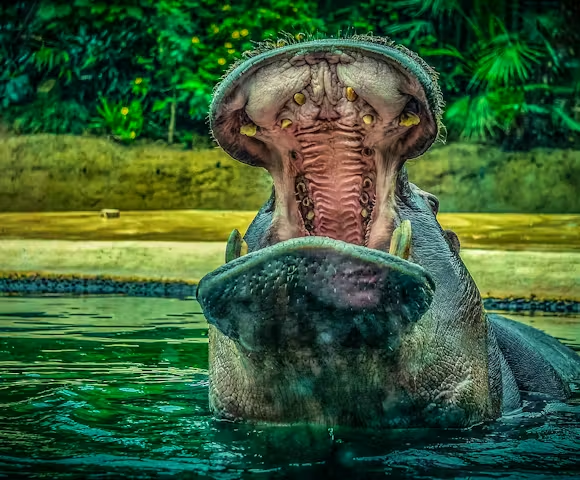
Central African Species in Semuliki National Park
Semuliki National Park stands out as one of Uganda’s most unique and biologically rich destinations. This park lies in the western part of the country, within the Albertine Rift Valley. It borders the vast Congo Basin, which is one of the largest tropical rainforests in the world. This geographical position gives Semuliki a special ecological identity. It acts as a transition zone where East African and Central African ecosystems meet.
This rare overlap allows the park to host species that visitors cannot easily find elsewhere in Uganda. Many of these species originate from Central Africa. Their presence makes Semuliki National Park a true biodiversity hotspot. Travelers who explore this park step into an environment that feels different from typical savannah landscapes. Dense forests, humid air, and thick vegetation define the experience.
The park offers a rare opportunity to observe Central African wildlife without leaving Uganda. It attracts nature lovers, bird watchers, and researchers. The chance to encounter unique species such as fanged deer and signs of pygmy hippos adds to its appeal.
Adira Safaris Africa presents this destination as a hidden gem. The company designs experiences that allow guests to explore the park in depth. Visitors gain insight into the region’s ecology, wildlife, and conservation efforts. This creates a safari that feels both exclusive and educational.
The Congo Forest Overlap – A Unique Ecological Zone
The defining feature of Semuliki National Park is its connection to the Congo Basin. This overlap creates a continuous stretch of tropical rainforest that extends across national borders. As a result, many species typical of Central Africa find a home in Semuliki.
This ecological link shapes the park’s climate and vegetation. The forest remains dense and evergreen throughout the year. Tall trees form a closed canopy that limits sunlight on the forest floor. This creates a cool and moist environment. Such conditions support a wide range of plant and animal life.
The Congo forest influence also affects animal movement. Species migrate across borders in search of food and shelter. This movement enriches the park’s biodiversity. It also highlights the importance of cross-border conservation efforts.
Visitors quickly notice the difference when they enter the park. The landscape feels more like Central Africa than East Africa. The sounds of the forest, the thick undergrowth, and the presence of rare species create a unique atmosphere.
Adira Safaris Africa ensures that guests understand this ecological significance. Guided walks and tours explain how the Congo Basin shapes the park. This knowledge adds depth to the experience. Travelers leave with a better appreciation of Africa’s interconnected ecosystems.
The Rare Fanged Deer – A Hidden Forest Treasure
One of the most intriguing animals found in Semuliki National Park is the fanged deer, also known as the Water Chevrotain. This small and shy animal belongs to a primitive group of hoofed mammals. It stands out because of its elongated canine teeth, which resemble fangs.
The water chevrotain prefers dense forest habitats. It remains active mainly at night. This makes sightings rare and exciting. The animal moves quietly through thick vegetation. It feeds on fallen fruits, leaves, and other plant material.
Its presence in Semuliki highlights the park’s Central African character. This species occurs more commonly in the Congo Basin. Finding it in Uganda shows how unique this park is.
The fanged deer plays an important role in the ecosystem. It helps in seed dispersal and maintains forest health. Despite its small size, it contributes to the balance of the environment.
Visitors may not always see this animal during their trip. However, guides share information about its behavior and habitat. They also point out signs such as tracks and feeding areas. This keeps the experience engaging.
Adira Safaris Africa includes detailed wildlife interpretation in every tour. Guests learn about rare species like the water chevrotain. This knowledge makes the safari more meaningful.
Pygmy Hippo Signs – Evidence of a Rare Presence
Another fascinating aspect of Semuliki National Park is the presence of signs linked to the Pygmy Hippopotamus. This elusive species lives mainly in the forests of West and Central Africa. It rarely appears in open areas.
Direct sightings of pygmy hippos in Semuliki remain extremely rare. However, researchers and guides have recorded signs that suggest their presence. These signs include footprints, trails, and disturbed vegetation near water sources.
The possibility of pygmy hippos adds mystery and excitement to the park. It shows how little we still know about this ecosystem. It also highlights the importance of continued research and conservation.
The pygmy hippo differs greatly from the common hippopotamus. It prefers dense forests and spends more time on land. It feeds on vegetation and uses water mainly for cooling.
The presence of such a rare species reinforces Semuliki’s status as a Central African extension. It attracts scientists and wildlife enthusiasts who seek rare discoveries.
Adira Safaris Africa emphasizes responsible exploration. Guides help guests understand these signs without disturbing the environment. This approach ensures that wildlife remains protected.
Other Central African Species in Semuliki
Semuliki National Park hosts many other Central African species. These include primates, birds, and forest mammals that rarely appear in other Ugandan parks.
Primates such as chimpanzees and various monkey species thrive in this environment. The forest provides food and shelter for these animals. Their presence adds excitement to guided walks.
Birdlife in Semuliki is exceptional. Many species belong to the Guinea-Congo biome. Bird watchers find this park especially rewarding. The variety of calls and colors creates a vibrant experience.
Forest mammals such as small antelopes and rodents also contribute to biodiversity. These animals play key roles in the ecosystem. They support food chains and help maintain balance.
The combination of these species creates a rich and complex environment. Visitors experience a side of Uganda that feels completely different.
Adira Safaris Africa ensures that guests explore these species through guided activities. Expert guides help identify animals and explain their roles. This makes the safari both informative and enjoyable.
Exploring the Forest – Activities and Experiences
Exploring Semuliki National Park involves immersive activities. Guided nature walks form the core of the experience. These walks allow visitors to move quietly through the forest. They increase the chances of spotting wildlife.
The park also offers visits to hot springs. These geothermal features add another layer of interest. They show the geological forces that shape the region.
Bird watching remains one of the top activities. The park’s unique species attract bird enthusiasts from around the world. Early morning walks provide the best opportunities.
Cultural interactions with local communities add depth to the visit. Travelers learn about traditions and lifestyles connected to the forest.
Adira Safaris Africa organizes these activities with care. Each experience focuses on safety and sustainability. Guests enjoy a well-rounded journey that combines nature and culture.
Conservation Importance of Semuliki National Park
Conservation plays a vital role in protecting Semuliki National Park. The park faces challenges such as habitat loss and human encroachment. Protecting this unique ecosystem requires strong efforts.
Authorities and conservation groups work together to safeguard wildlife. They monitor species and promote sustainable practices. Cross-border cooperation also supports conservation.
Tourism contributes to these efforts. Responsible travel generates funds for park management. It also creates awareness about biodiversity.
Adira Safaris Africa promotes eco-friendly tourism. The company follows guidelines that protect wildlife and habitats. Guests learn how their actions support conservation.
Best Time to Visit Semuliki National Park
The best time to visit Semuliki National Park depends on weather conditions. Dry seasons offer easier access and better walking conditions. These occur from June to August and December to February.
Wet seasons bring lush vegetation and excellent bird watching. However, trails may become slippery. Travelers should prepare accordingly.
Wildlife activity continues throughout the year. Each season offers a unique experience.
Adira Safaris Africa helps travelers plan their visits. The team provides guidance on timing and preparation. This ensures a smooth and enjoyable trip.
Why Choose Adira Safaris Africa
Adira Safaris Africa offers expertly designed safaris to Semuliki National Park. The company focuses on authenticity, safety, and sustainability.
Experienced guides lead each tour. They provide valuable insights into Central African species and ecosystems.
The company ensures personalized service. Guests receive attention and support throughout their journey.
Conclusion
Semuliki National Park offers a rare glimpse into Central African biodiversity. The presence of species such as the Water Chevrotain and signs of the Pygmy Hippopotamus highlights its uniqueness.
The Congo forest overlap creates a rich and diverse ecosystem. Visitors experience a side of Uganda that feels truly different.
Adira Safaris Africa ensures that every journey to this park becomes meaningful and unforgettable.