
Wildlife in Lake Mburo National Park
April 11, 2026
Wildlife in Kibale Forest National Park
April 12, 2026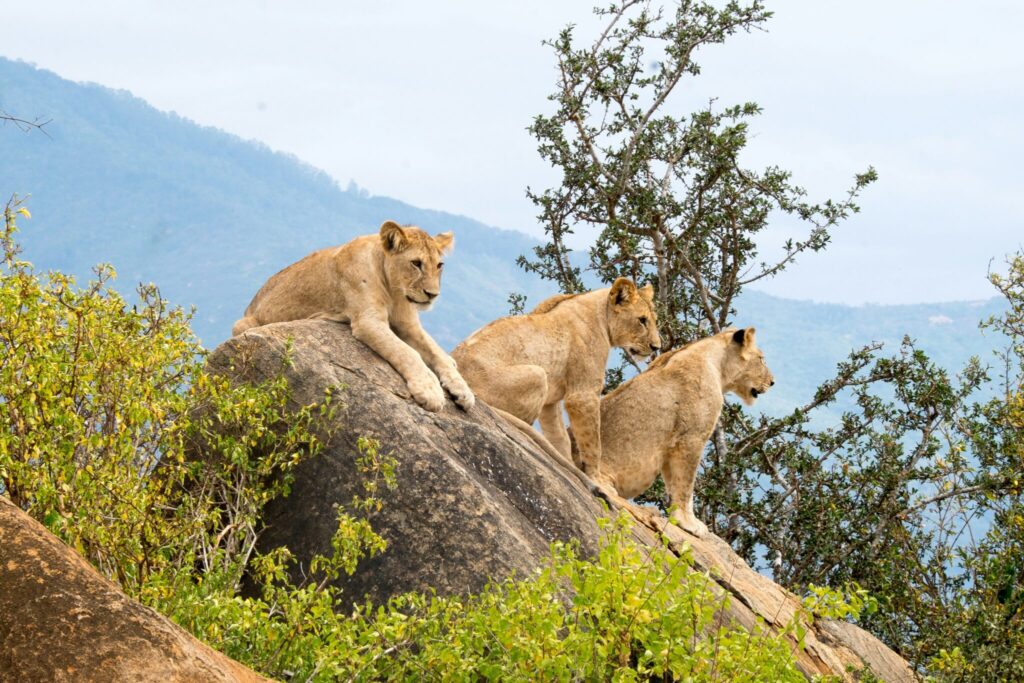
Wildlife in Queen Elizabeth National Park
Queen Elizabeth National Park stands as one of Uganda’s largest and most diverse protected areas. It lies in the western part of the country. The park stretches across savannah plains, wetlands, crater lakes, and tropical forests. This rich mix of habitats supports a remarkable range of wildlife. It also makes the park one of the best safari destinations in East Africa.
The park is home to approximately 95 mammal species. It also hosts over 600 bird species. This makes it a prime location for both wildlife viewing and birdwatching. Visitors enjoy sightings throughout the year due to the park’s varied ecosystems. Each habitat supports different species. This creates a complete and rewarding safari experience.
Wildlife thrives in this park because of the abundant water sources. The famous Kazinga Channel connects Lake Edward and Lake George. It attracts animals in large numbers. Game drives and boat cruises offer excellent opportunities to observe wildlife up close.
The park also supports strong conservation efforts. These efforts protect endangered and iconic species. Tourism plays a key role in this success. Visitors contribute directly to wildlife protection. This creates a balance between tourism and conservation.
Queen Elizabeth National Park offers more than just wildlife. It provides scenic beauty, diverse landscapes, and unforgettable encounters. It is a must-visit destination for anyone seeking an authentic African safari experience.
Wildlife Variety in Queen Elizabeth National Park
The wildlife variety in Queen Elizabeth National Park is one of its strongest attractions. The park supports a wide range of mammals. It also hosts an impressive number of bird species. This diversity ensures that every visitor experiences something unique.
Among the most famous animals are the tree-climbing lions found in the Ishasha sector. These lions often rest in fig trees during the day. This behavior is rare and draws visitors from around the world. It offers a unique wildlife viewing opportunity that few parks can match.
The park is also home to large populations of elephants. These gentle giants move across the savannah in search of food and water. Visitors often see them during game drives. Their presence adds excitement to any safari experience.
Buffaloes are common throughout the park. They form large herds and graze in open grasslands. Their strength and numbers make them one of the most dominant species in the park. Alongside them, the Uganda kob thrives in large numbers. This antelope is a key prey species for predators such as lions.
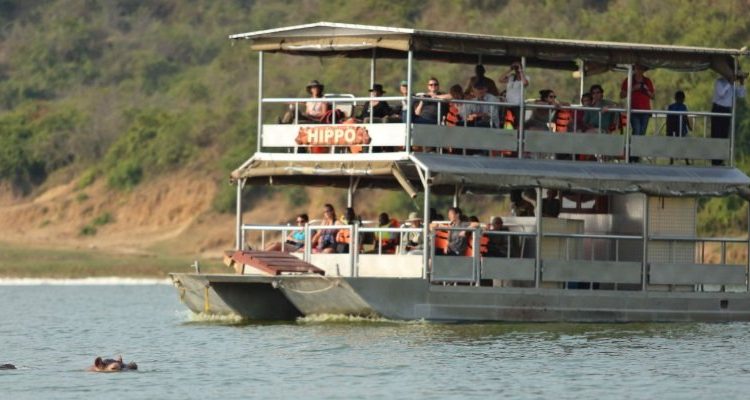
The park also supports aquatic wildlife. The Kazinga Channel hosts one of the largest concentrations of hippos in Africa. Crocodiles also inhabit these waters. Visitors on boat cruises enjoy close views of these animals as they rest along the banks.
Chimpanzees live in the Kyambura Gorge. This forested valley offers a different type of safari experience. Visitors track these primates in their natural habitat. It adds variety to the wildlife encounters in the park.
This wide range of wildlife makes Queen Elizabeth National Park a complete safari destination. It caters to both first-time visitors and experienced travelers.
Mammals of Queen Elizabeth National Park
The mammal population in Queen Elizabeth National Park is rich and diverse. The park supports both large and small mammals across its ecosystems. This diversity creates exciting wildlife viewing opportunities.
Lions are among the top predators in the park. The tree-climbing lions of Ishasha stand out as a unique attraction. These lions spend time resting in trees. This behavior helps them escape heat and insects on the ground. It also provides excellent viewing opportunities for visitors.
Elephants roam freely across the park. They often move in family groups. Their presence highlights the park’s healthy ecosystem. Visitors frequently see them near water sources and open plains.
Buffaloes are another dominant species. They gather in large herds and graze across the savannah. Their numbers make them easy to spot during game drives. They also play a key role in the park’s ecosystem.
The Uganda kob is one of the most common antelopes in the park. It prefers open grasslands. It also attracts predators such as lions and leopards. This creates dynamic wildlife interactions.
Hippos and crocodiles dominate the waterways. The Kazinga Channel provides an ideal habitat for them. Hippos gather in large groups. Crocodiles rest along the banks and wait for prey.
Chimpanzees add a primate experience to the park. Visitors track them in Kyambura Gorge. This activity offers a close look at their behavior and social structure.
The variety of mammals ensures a rich safari experience. Visitors encounter different species across various landscapes.
Birdlife in Queen Elizabeth National Park
Birdlife in Queen Elizabeth National Park is exceptional. The park hosts over 600 bird species. This makes it one of the best birdwatching destinations in Africa.
The park’s diverse habitats support different bird species. Wetlands, forests, and savannahs each attract unique birds. This variety allows birdwatchers to spot many species in a short time.
Water birds thrive along the Kazinga Channel. Visitors often see pelicans, herons, and kingfishers. These birds gather in large numbers near the water. Boat cruises provide the best viewing opportunities.
Savannah areas host species such as eagles and vultures. These birds of prey soar above the plains. They search for food and add drama to the landscape. Their presence highlights the richness of the ecosystem.
Forested areas support smaller bird species. These include colorful and vocal birds. They create a lively atmosphere within the park. Birdwatchers enjoy exploring these habitats.
The high number of bird species makes the park ideal for both amateur and experienced birders. It offers year-round birdwatching opportunities. Each visit brings new sightings and experiences.
Safari Experience in Queen Elizabeth National Park
A safari in Queen Elizabeth National Park offers a complete wildlife experience. Visitors explore different areas of the park. Each area provides unique wildlife encounters.
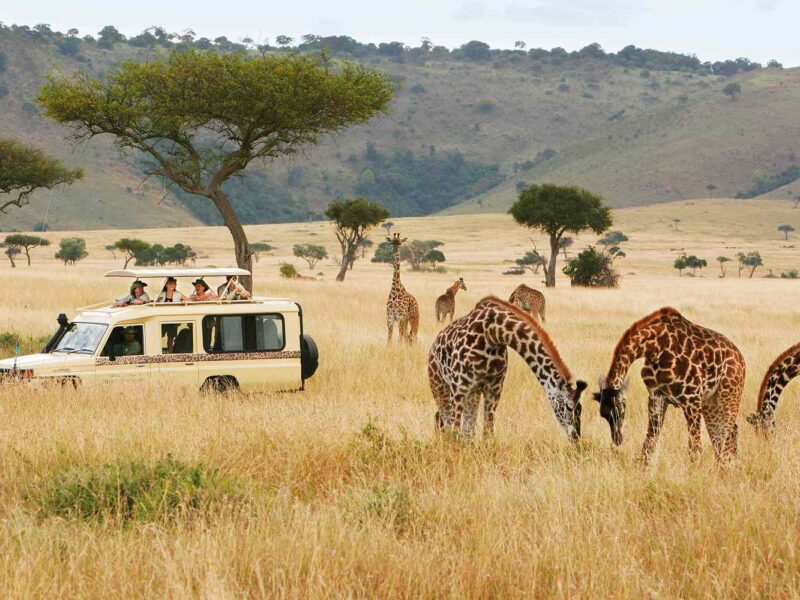
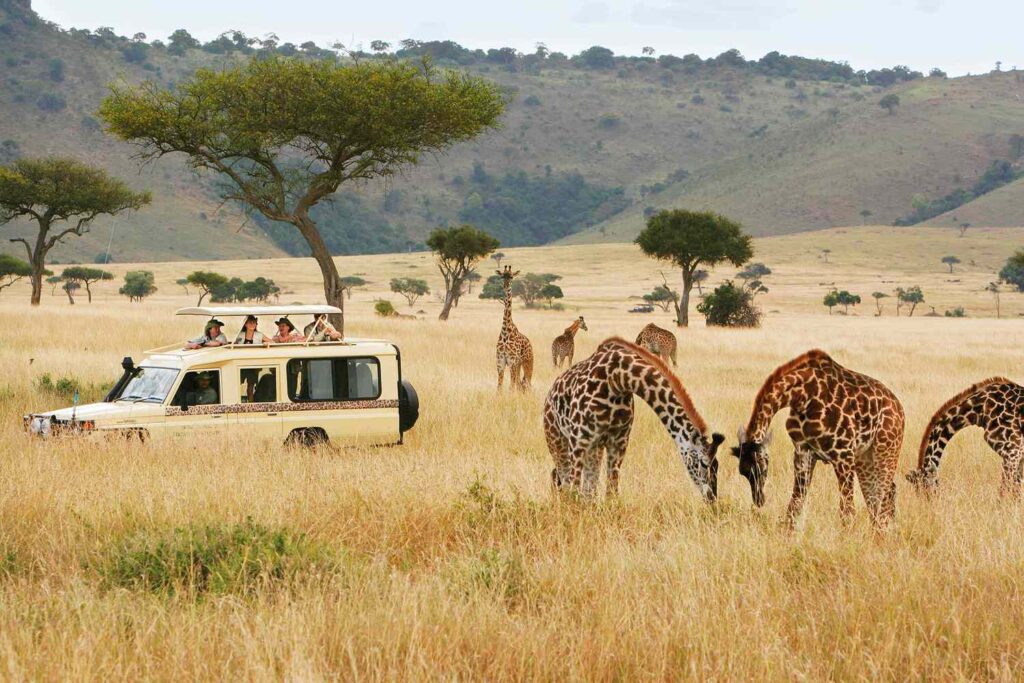
Game drives remain the most popular activity. Visitors travel through the savannah in search of animals. Early morning and evening drives offer the best sightings. Animals are more active during these times.
Boat cruises along the Kazinga Channel provide a different perspective. Visitors observe animals from the water. Hippos, crocodiles, and birds are common sightings. This experience brings visitors close to wildlife.
Chimpanzee tracking in Kyambura Gorge adds variety. Visitors walk through the forest in search of chimpanzees. This activity offers a unique and immersive experience.
The park’s landscapes also enhance the safari. Crater lakes, savannah plains, and wetlands create stunning views. These features make every safari memorable.
Conclusion
Queen Elizabeth National Park remains one of Uganda’s top wildlife destinations. It offers a rich variety of mammals and birds. It also provides unique experiences such as tree-climbing lions and chimpanzee tracking.
The park’s diverse ecosystems support its wildlife. They also create beautiful landscapes. Visitors enjoy both wildlife viewing and scenic beauty.
With around 95 mammal species and over 600 bird species, the park stands out in Africa. It offers something for every traveler. Whether you seek adventure, photography, or relaxation, the park delivers.
Adira Safaris Africa invites you to explore this incredible destination. Experience the wildlife. Discover the beauty. Create unforgettable memories in Queen Elizabeth National Park