
Culture in Queen Elizabeth National Park
April 8, 2026
How Early Do Birding Safaris Begin?
April 8, 2026
What Rare Bird Species Can Be Seen in Uganda?
What rare bird species can be seen in Uganda? This question opens the door to one of Africa’s most extraordinary wildlife experiences, where lush ecosystems, diverse habitats, and equatorial climates combine to create a birder’s paradise. Uganda, often referred to as the “Pearl of Africa,” stands out as a premier destination for Uganda Safaris, especially for travelers seeking unique and rare avian encounters. With over 1,090 recorded bird species, the country hosts nearly half of Africa’s bird population, making Uganda Birding Safaris a top-tier choice for both amateur birdwatchers and seasoned ornithologists.
Beyond sheer numbers, Uganda’s true appeal lies in its rare and endemic species that cannot easily be found elsewhere. From dense tropical rainforests to expansive wetlands and high-altitude montane ecosystems, each habitat offers a distinct opportunity to discover elusive birds. Uganda Cultural Safaris further enrich the journey, allowing visitors to engage with local communities whose traditions are deeply connected to nature. Carefully curated experiences by Adira Safaris ensure that every traveler gains not only sightings but also a deeper understanding of conservation and biodiversity.
Every Uganda Birding Safari is designed to provide immersive encounters, expert guidance, and seamless travel logistics. Whether exploring iconic forests or tranquil wetlands, visitors can expect unforgettable moments that highlight why Uganda remains a leading destination in African tourism.
Where To Go For Birding Safaris In Uganda?
What Makes Mabamba Swamp a Haven for the Shoebill?
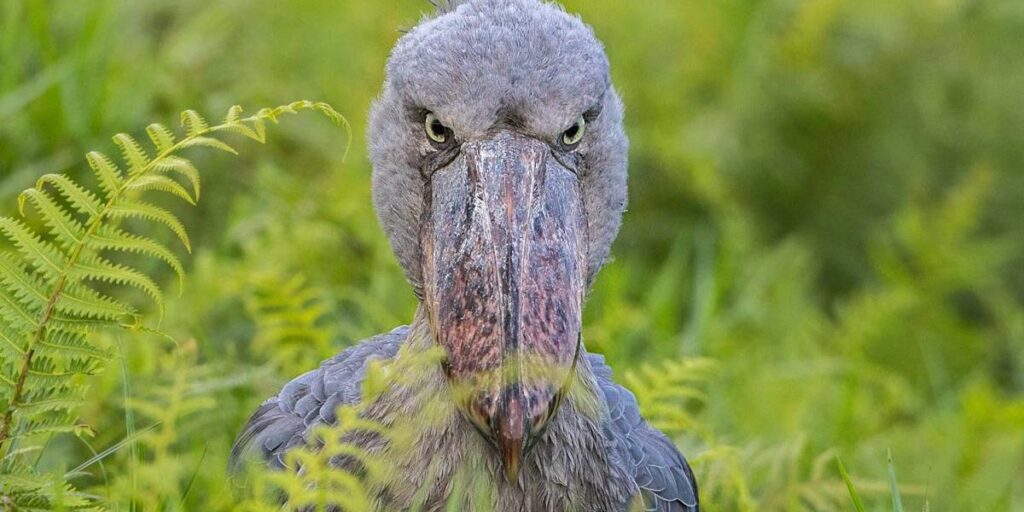
What rare bird species can be seen in Uganda at wetlands? One of the most iconic answers lies within Mabamba Swamp, a Ramsar-listed wetland renowned for hosting the prehistoric-looking Shoebill Stork. This remarkable bird, with its massive shoe-shaped bill and statuesque presence, ranks among the most sought-after sightings on Uganda Birding Safaris. Early morning canoe excursions through papyrus channels provide optimal opportunities to observe this elusive species in its natural habitat.
Additionally, Mabamba supports a rich diversity of wetland birds, including papyrus gonoleks and blue-breasted bee-eaters, enhancing the overall experience. Uganda Safaris to this destination are ideal for photographers and bird enthusiasts aiming for close-range encounters. Cultural interactions with local fishing communities add another dimension, offering insights into traditional livelihoods and conservation efforts.
Reaching Mabamba Swamp is convenient, as it lies approximately one hour from Kampala or Entebbe, making it accessible for both short excursions and extended safaris. Visitors should expect guided canoe rides, serene landscapes, and exceptional bird sightings. Costs typically range from $80 to $150 per person for a day trip, depending on group size and inclusions.
Choosing Adira Safaris guarantees expert birding guides, well-organized logistics, and personalized experiences that elevate Uganda Birding Safaris into unforgettable journeys.
Why Is Bwindi Impenetrable Forest a Birding Hotspot?
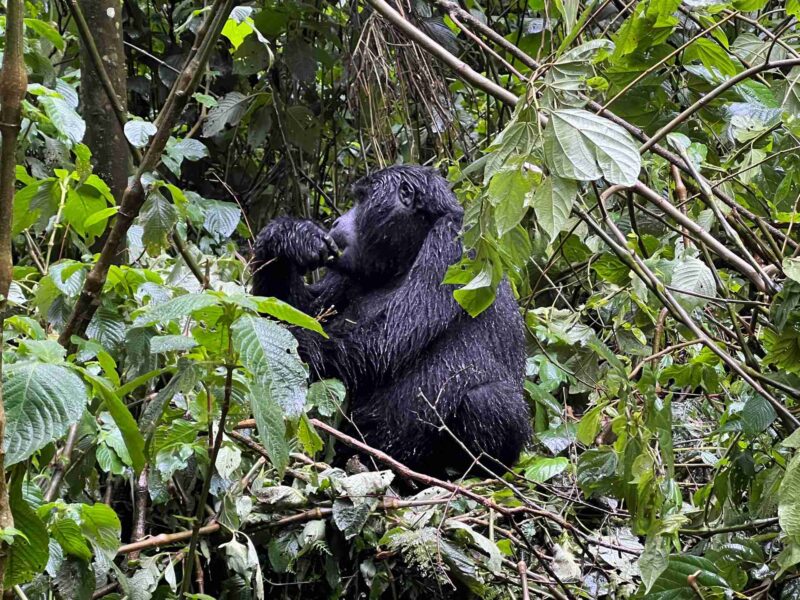
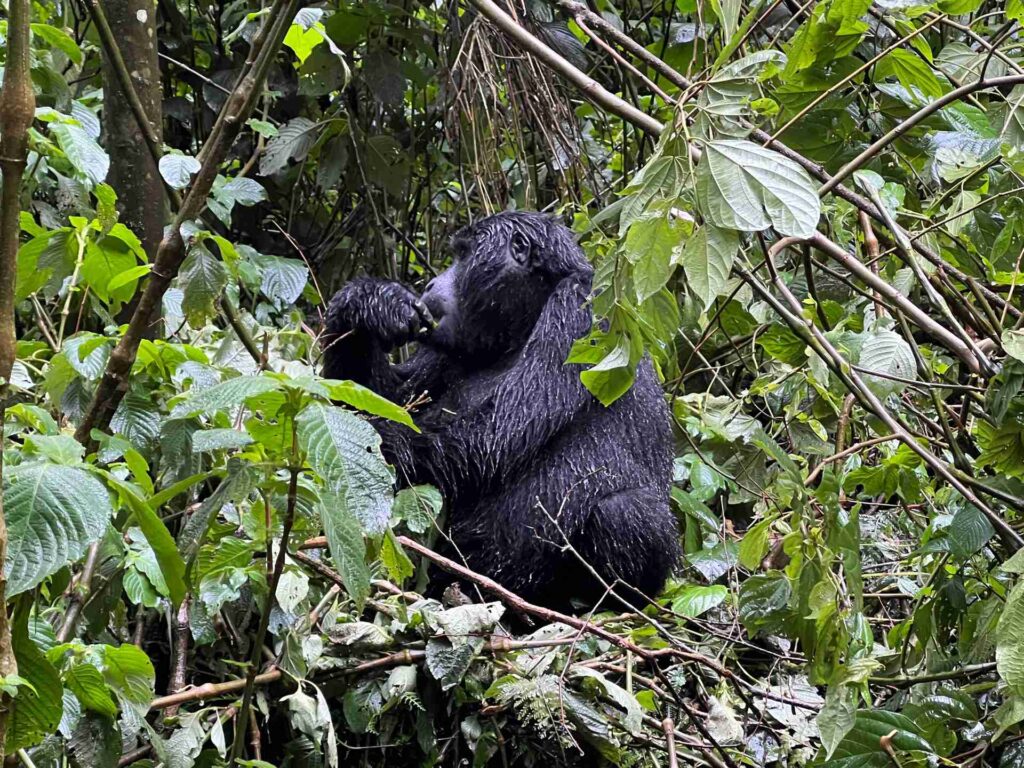
What rare bird species can be seen in Uganda within tropical forests? Bwindi Impenetrable National Park stands out as a UNESCO World Heritage Site and a sanctuary for some of Africa’s rarest birds. Known globally for mountain gorillas, this dense rainforest also hosts over 350 bird species, including 23 Albertine Rift endemics. Among the highlights are the African Green Broadbill and Shelley’s Crimsonwing, both highly prized sightings for birders.
Exploration within Bwindi involves guided forest walks along well-established trails, where every turn reveals new avian wonders. Uganda Birding Safaris here combine thrilling wildlife encounters with rich biodiversity, making it a must-visit destination. Uganda Cultural Safaris also thrive in this region, as visitors engage with the Batwa community, learning about their forest heritage and traditional practices.
Accessing Bwindi typically involves a domestic flight or an 8–10-hour drive from Kampala, offering scenic views along the way. Expectations include moderate hiking, immersive forest experiences, and unparalleled bird diversity. Safari costs range from $300 to $700 per day, depending on accommodation standards and itinerary design.
Partnering with Adira Safaris ensures a seamless blend of expertise, comfort, and authenticity, positioning your Uganda Safaris experience among the best in Africa.
 How Does Semuliki National Park Reveal Central African Bird Species?
What rare bird species can be seen in Uganda that are otherwise found in Central Africa? Semuliki National Park provides a unique answer, as it hosts species rarely encountered elsewhere in East Africa. This lowland tropical forest is home to the elusive Nkulengu Rail and the striking lyre-tailed honeyguide, both considered prized sightings during Uganda Birding Safaris.
Exploration within Semuliki offers a distinct experience compared to other parks, with its humid climate and Congo Basin influence creating a different ecological environment. Uganda Safaris here attract serious birders seeking rare and localized species. Cultural encounters with the Bakonzo and Bamba communities enrich the journey, providing a deeper understanding of the region’s heritage.
Travelers can reach Semuliki via Fort Portal, followed by a short drive to the park. Expectations include guided forest walks, unique bird calls echoing through dense vegetation, and opportunities to witness rare species in their natural habitat. Safari costs generally range between $250 and $500 per day, depending on preferences.
Adira Safaris ensures that each visit to Semuliki is expertly guided, maximizing bird sightings while maintaining comfort and safety throughout the journey.
What Can You Discover in Queen Elizabeth National Park’s Birding Circuit?
What rare bird species can be seen in Uganda within savannah and wetland ecosystems? Queen Elizabeth National Park offers an incredible mix of habitats that support over 600 bird species. Among its rare highlights are the African skimmer and shoebill sightings along the Kazinga Channel.
Game drives and boat cruises form the backbone of Uganda Birding Safaris in this park, allowing visitors to combine birdwatching with classic wildlife viewing. Uganda Cultural Safaris in nearby communities provide enriching experiences, including traditional music and storytelling.
Accessibility is straightforward via road or domestic flights, making it a popular inclusion in Uganda Safaris itineraries. Visitors can expect diverse landscapes, abundant wildlife, and exceptional birding opportunities. Costs typically range from $200 to $600 per day.
Adira Safaris crafts personalized itineraries that ensure every traveler experiences the full richness of Queen Elizabeth National Park.
When Is the Best Time and Why Choose Adira Safaris?
What rare bird species can be seen in Uganda throughout the year? Timing plays a crucial role, as the best birding seasons occur during the dry months from December to February and June to August, when trails are accessible and migratory species are present. Uganda Birding Safaris during these periods offer optimal conditions for spotting rare birds across multiple destinations.
Planning a safari involves understanding expectations such as early morning excursions, guided walks, and comfortable accommodations tailored to different budgets. Uganda Safaris can range from budget-friendly options at $150 per day to luxury experiences exceeding $800 per day.
Choosing Adira Safaris ensures a professional, reliable, and enriching journey. Expertise in Uganda Cultural Safaris, deep knowledge of bird habitats, and commitment to sustainable tourism position Adira Safaris as a trusted leader in the Africa Tourism Industry.
Ultimately, discovering what rare bird species can be seen in Uganda becomes more than a question—it transforms into an unforgettable adventure that showcases the country’s unmatched natural beauty and biodiversity.