
Queen Elizabeth National Game Park Uganda
April 8, 2026
Rare Bird Species Can Be Seen in Uganda
April 8, 2026
Culture in Queen Elizabeth National Park
Queen Elizabeth National Park is widely known for its rich wildlife and stunning landscapes. However, its cultural heritage offers an equally rewarding experience for visitors. The park stands as one of the largest national parks in Uganda. It lies in the western region of the country and was established in 1952. At the time of its creation, it was known as Kazinga National Park. The name reflected the connection between Lake George and Lake Edward through the Kazinga Channel. The park later received its current name in honor of Queen Elizabeth II after her visit to Uganda.
Beyond wildlife, the park supports vibrant communities that have lived alongside nature for generations. These communities bring life, history, and identity to the region. Cultural tourism in Queen Elizabeth National Park allows visitors to connect with these communities in meaningful ways. It provides an opportunity to learn about traditions, lifestyles, and indigenous knowledge systems.
Adira Safaris Africa designs cultural experiences that respect local traditions while offering visitors authentic and engaging interactions. These experiences go beyond observation. They allow travelers to participate, learn, and appreciate the richness of Uganda’s cultural diversity. Visitors leave with a deeper understanding of the people who call this region home.
Cultural Diversity Around the Park
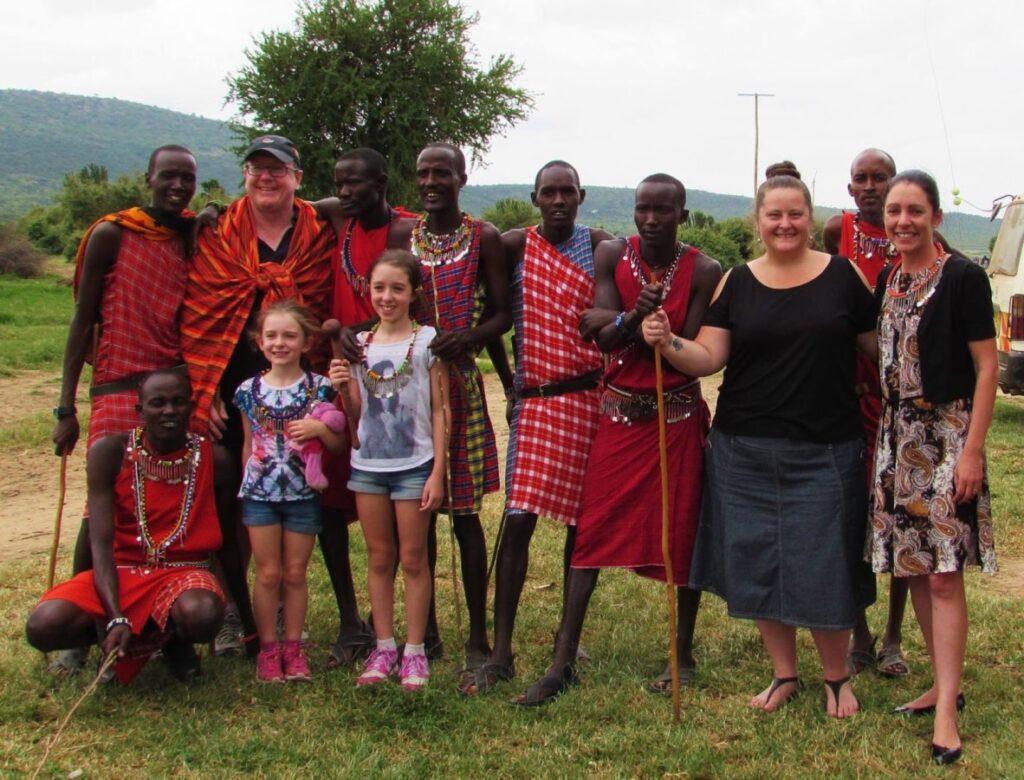
Queen Elizabeth National Park is surrounded by diverse ethnic communities. The main groups include the Basongora, Bakonzo, and Banyabindi (often referred to as Banyandi). Each of these communities has its own unique traditions, language, and way of life. Their presence adds depth to the safari experience.
The Basongora are traditionally pastoralists. They depend on cattle for their livelihood and cultural identity. Visitors can learn about their grazing practices and how they manage livestock in harmony with wildlife. The Bakonzo people are known for their strong cultural traditions and connection to the Rwenzori Mountains. They practice farming and maintain rich storytelling traditions. The Banyabindi community also contributes to the cultural landscape with their unique customs and heritage.
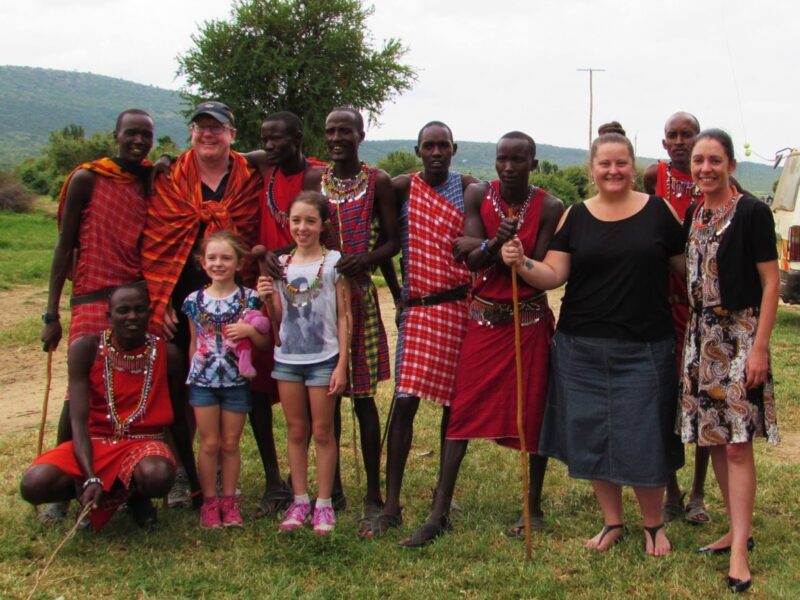
Cultural exploration allows visitors to interact directly with these communities an there different cultures in Queen Elizabeth national park. Guests can engage in conversations, observe daily activities, and take part in traditional practices. These interactions create a more personal and memorable travel experience.
Adira Safaris Africa ensures that these encounters remain respectful and beneficial to local communities. The company works closely with community leaders to promote sustainable tourism. This approach supports local development while preserving cultural heritage.
Cultural Exploration Activities
Cultural exploration in Queen Elizabeth National Park offers a variety of engaging activities. These activities allow visitors to experience local traditions in a hands-on and meaningful way. Each activity highlights a different aspect of life in the region.
Visitors can explore Katwe Salt Lake, where locals harvest salt using traditional methods. This activity provides insight into one of the oldest economic practices in the area. Guests can also visit traditional homesteads to observe cooking demonstrations and learn how local meals are prepared.
The Kikorongo Women Community offers vibrant cultural performances. Visitors can enjoy traditional dances, drama, and music. These performances reflect the community’s identity and creativity. Guests can also participate in workshops that teach skills such as basket weaving and bead making.
Leopard Village in Muhokya showcases the traditions of the Bakonzo, Basongora, and Banyabindi people. Visitors can tour traditional huts, listen to storytelling sessions, and learn local crafts. This experience provides a deeper understanding of cultural practices and daily life.
Agro-tour walks along the Kichwamba escarpment allow visitors to explore traditional farming methods. These walks also highlight the use of medicinal plants and sustainable practices such as beekeeping. Adira Safaris Africa ensures that each activity offers both education and enjoyment.
Katwe Salt Lake Experience
Katwe Salt Lake is one of the most important cultural sites near Queen Elizabeth National Park. The lake is a salt crater where local communities have harvested salt for generations. This practice remains a key source of income for many families in the area.
Visitors can observe the salt extraction process firsthand. Locals use simple tools and traditional techniques to collect salt from the lake. The process requires skill, patience, and knowledge passed down through generations. Watching this activity provides a unique glimpse into the region’s economic and cultural history.
Guests can also visit nearby homesteads to experience traditional cooking. These demonstrations show how local ingredients are prepared into meals. Visitors can taste the food and learn about the cultural significance of different dishes.
The Katwe Salt Lake experience combines history, culture, and daily life. It allows visitors to see how communities adapt to their environment. Adira Safaris Africa ensures that guests interact respectfully with local people while gaining valuable insights into their way of life.
Kikorongo Women Community Experience
The Kikorongo Women Community offers one of the most lively cultural experiences near the park. This group of women plays an important role in preserving and sharing local traditions. Their activities focus on cultural expression, creativity, and community empowerment.
Visitors can enjoy traditional performances that include dance, drama, and storytelling. These performances reflect the community’s heritage and social values. The energy and passion displayed during these events create a memorable experience for guests.
The community also offers workshops where visitors can learn practical skills. These include weaving baskets, making bowls, and creating beadwork. These crafts reflect traditional techniques and artistic expression. Guests can take part in the process and even purchase handmade items as souvenirs.
Fire-making demonstrations add another layer to the experience. Visitors can learn how traditional communities create fire using simple tools. This activity highlights the resourcefulness and knowledge of local people.
Adira Safaris Africa supports the Kikorongo Women Community by promoting their activities to visitors. This support helps generate income and preserve cultural traditions.
Leopard Village (Muhokya) Cultural Experience
Leopard Village in Muhokya serves as a community-based tourism site. It showcases the traditions of the Bakonzo, Basongora, and Banyabindi people. The village provides a platform for cultural exchange between visitors and local communities.
Guests can explore traditional huts that reflect local architecture and lifestyle. These structures provide insight into how communities adapt to their environment. Visitors can also participate in storytelling sessions. Elders share stories that preserve history, values, and cultural identity.
Craft-making activities form a key part of the experience. Visitors can learn how to create traditional items using local materials. These activities provide hands-on learning and a deeper appreciation of cultural skills.
The village also offers opportunities to purchase handmade crafts. These items serve as meaningful souvenirs while supporting local artisans. Adira Safaris Africa ensures that visitors enjoy an authentic and respectful experience at Leopard Village.
Nyanzibiri Cave Community Experience
The Nyanzibiri Cave Community offers a unique blend of culture and history. This site features a historical cave that holds cultural significance for local communities. Visitors can explore the cave and learn about its role in local traditions.
The community also maintains a cultural museum. This museum displays local artifacts that represent the history and heritage of the region. Visitors can learn about traditional tools, clothing, and practices.
Guided trails around the area provide scenic views of volcanic crater lakes. These trails combine natural beauty with cultural storytelling. Guides explain the significance of the landscape and its connection to local beliefs.
The Nyanzibiri experience provides a deeper understanding of the relationship between culture and environment. Adira Safaris Africa ensures that visitors gain both knowledge and appreciation during their visit.
Agro-Tour Walks on the Kichwamba Escarpment
Agro-tour walks along the Kichwamba escarpment offer a unique cultural and educational experience. These walks allow visitors to explore traditional farming practices in the region. Local farmers demonstrate how they grow crops using methods passed down through generations.
Visitors can learn about medicinal plants and their uses. Local communities rely on these plants for health and healing. Guides explain how different plants are prepared and used in traditional medicine.
Beekeeping forms another important part of the agro-tour experience. Farmers use beekeeping as a way to manage wildlife conflicts and generate income. Visitors can observe how hives are maintained and how honey is harvested.
The escarpment also offers stunning views of the surrounding landscape. These views enhance the overall experience and provide excellent opportunities for photography. Adira Safaris Africa ensures that agro-tour walks remain informative, safe, and enjoyable.
Conclusion
Cultural experiences in Queen Elizabeth National Park add depth and meaning to any safari. They allow visitors to connect with local communities and understand their way of life. These experiences go beyond wildlife viewing and create lasting memories.
From Katwe Salt Lake to Kikorongo Women Community and Leopard Village, each activity offers a unique perspective on culture. Visitors can learn, participate, and appreciate the traditions that define the region.
Adira Safaris Africa remains committed to promoting responsible and sustainable cultural tourism. Their approach ensures that local communities benefit while preserving their heritage. Choosing a cultural safari in Queen Elizabeth National Park means embracing a journey of discovery, connection, and authentic African experience.