
Can I Take Photographs During Gorilla Trekking?
March 10, 2026
What Is the Difference Between Bwindi and Mgahinga for Trekking?
March 11, 2026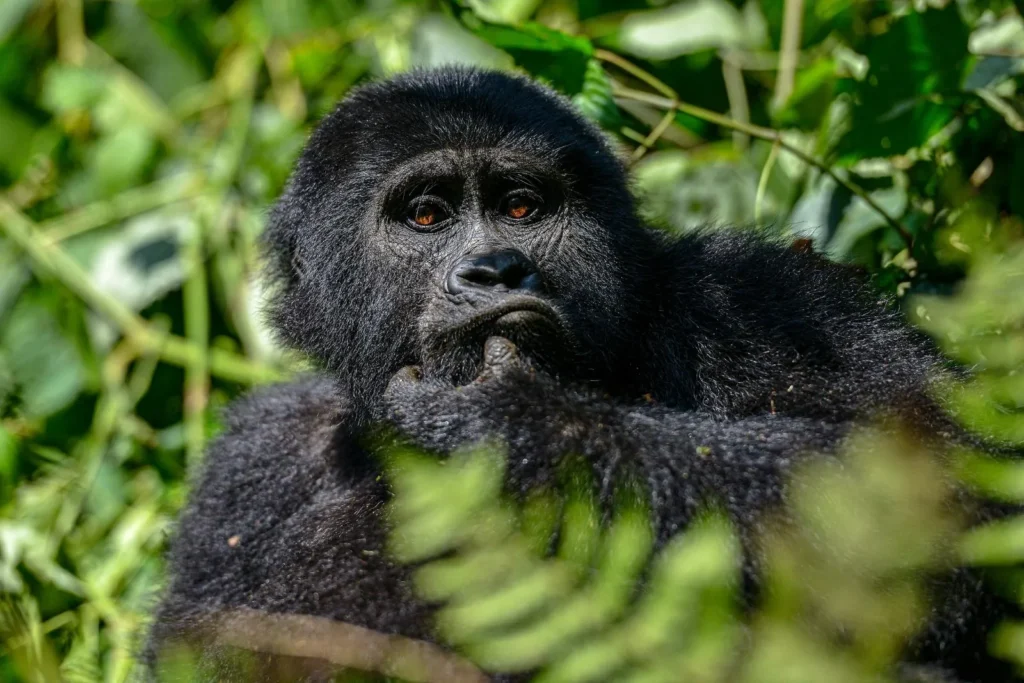
Are Children Allowed to Go Gorilla Trekking?
Gorilla trekking in Uganda is widely recognized as one of the most extraordinary wildlife encounters on the African continent. Travelers from every corner of the world journey to the lush highlands of East Africa to observe endangered mountain gorillas in their natural environment. However, families often ask a very important question before planning their adventure: Are children allowed to go gorilla trekking? Understanding the rules, age limits, and expectations surrounding this remarkable activity is essential for anyone planning Uganda Safaris, Birding Safaris, or Uganda Cultural Safaris. Adira Safaris provides expert guidance to help travelers prepare for a responsible and unforgettable wildlife experience.
What Is the Minimum Age Requirement for Gorilla Trekking?
The most important guideline when answering “Are children allowed to go gorilla trekking?” concerns the official age restriction set by wildlife authorities. In Uganda, the minimum age required for gorilla trekking is 15 years, a rule strictly enforced by the Uganda Wildlife Authority to protect both visitors and the endangered primates. Young travelers below this age are not permitted to participate in the trek itself, even if accompanied by parents or guardians.
Several important factors explain why this rule exists. Gorilla trekking takes place in dense tropical forests such as those found in Bwindi, where steep terrain, thick vegetation, and unpredictable weather conditions can make hiking physically demanding. Teenagers above fifteen are generally better prepared to manage long hikes that may last several hours. Additionally, young children may react unpredictably when encountering massive silverback gorillas at close range, which could create unnecessary stress for the animals.
Health considerations also influence this regulation. Gorillas share nearly 98% of human DNA, meaning they are highly vulnerable to human illnesses. Younger children often carry common infections such as colds or flu that could easily be transmitted to these endangered animals. For this reason, the age limit plays a critical role in wildlife conservation.
Families planning Uganda Safaris with younger children can still enjoy other remarkable experiences. Activities such as nature walks, cultural village visits, wildlife viewing, and Birding Safaris offer enriching alternatives while older teenagers participate in gorilla trekking. Adira Safaris carefully designs itineraries to ensure every family member enjoys an authentic and meaningful African journey.
Why Is Bwindi Impenetrable National Park the Best Destination for Gorilla Trekking?
Visitors asking “Are children allowed to go gorilla trekking?” should first understand where this extraordinary activity takes place. The premier destination for gorilla trekking in Uganda is Bwindi Impenetrable National Park, a UNESCO World Heritage Site located in the southwestern region of the country. This ancient rainforest shelters nearly half of the world’s remaining mountain gorillas, making it one of the most important wildlife conservation areas in Africa.
Bwindi’s remarkable biodiversity extends far beyond its famous primates. Thick vegetation, dramatic ridges, and mist-covered valleys create an environment that feels both mysterious and alive. Travelers participating in Uganda Best Safari experiences frequently combine gorilla trekking with Birding Safaris, as the park hosts more than 350 bird species, including numerous Albertine Rift endemics that attract birdwatchers worldwide.
Families visiting Bwindi who cannot bring younger children on the trek can still enjoy engaging activities nearby. Local communities surrounding the park offer immersive Uganda Cultural Safaris, where visitors learn about traditional Batwa forest culture, storytelling, music, and craft-making. These cultural interactions enrich the overall safari while supporting community-based tourism initiatives.
Each trekking experience in Bwindi is carefully managed to protect the gorillas. Small groups of eight visitors are assigned to one habituated gorilla family per day. Guides, trackers, and rangers work together to ensure safe encounters that respect wildlife conservation principles. Because of these strict regulations, travelers gain an intimate yet responsible wildlife experience that strengthens Uganda’s reputation as a leading destination for sustainable tourism.
How Do Travelers Reach Bwindi for Gorilla Trekking?
Planning transportation is another essential consideration when answering “Are children allowed to go gorilla trekking?” because families traveling with teenagers must ensure comfortable access to the trekking destination. Bwindi Impenetrable National Park is located approximately 8–10 hours by road from Kampala, Uganda’s capital city. Most safari journeys begin here before continuing toward the scenic southwestern highlands.
Road travel offers a spectacular introduction to Uganda’s countryside. Safari vehicles pass through lush farmlands, tea plantations, and vibrant rural communities before reaching the forested mountains of Bwindi. Many travelers also stop at the equator line or wildlife parks along the route, adding value to their Uganda Safaris.
For visitors seeking faster transportation, domestic flights operate between Entebbe International Airport and nearby airstrips such as Kihihi or Kisoro. These flights reduce travel time to about one hour before a short transfer to the park. Flying safaris are particularly convenient for families with teenagers preparing for gorilla trekking because they minimize long road journeys.
Once inside the park, visitors attend a briefing session conducted by professional rangers who explain safety guidelines, trekking expectations, and conservation protocols. Adira Safaris arranges every logistical detail, ensuring guests arrive prepared, informed, and excited for one of Africa’s most remarkable wildlife encounters.
What Should Travelers Expect During Gorilla Trekking?
Understanding what happens during the experience helps clarify the question “Are children allowed to go gorilla trekking?” because the activity requires patience, physical endurance, and respect for wildlife. Treks begin early in the morning as ranger guides lead small groups into the forest to locate habituated gorilla families.
Tracking the gorillas may take anywhere from one to six hours, depending on their location within the forest. Steep hills, muddy trails, and dense vegetation make the journey adventurous but rewarding. Once the gorillas are located, visitors spend one magical hour observing them interact, feed, groom, and play.
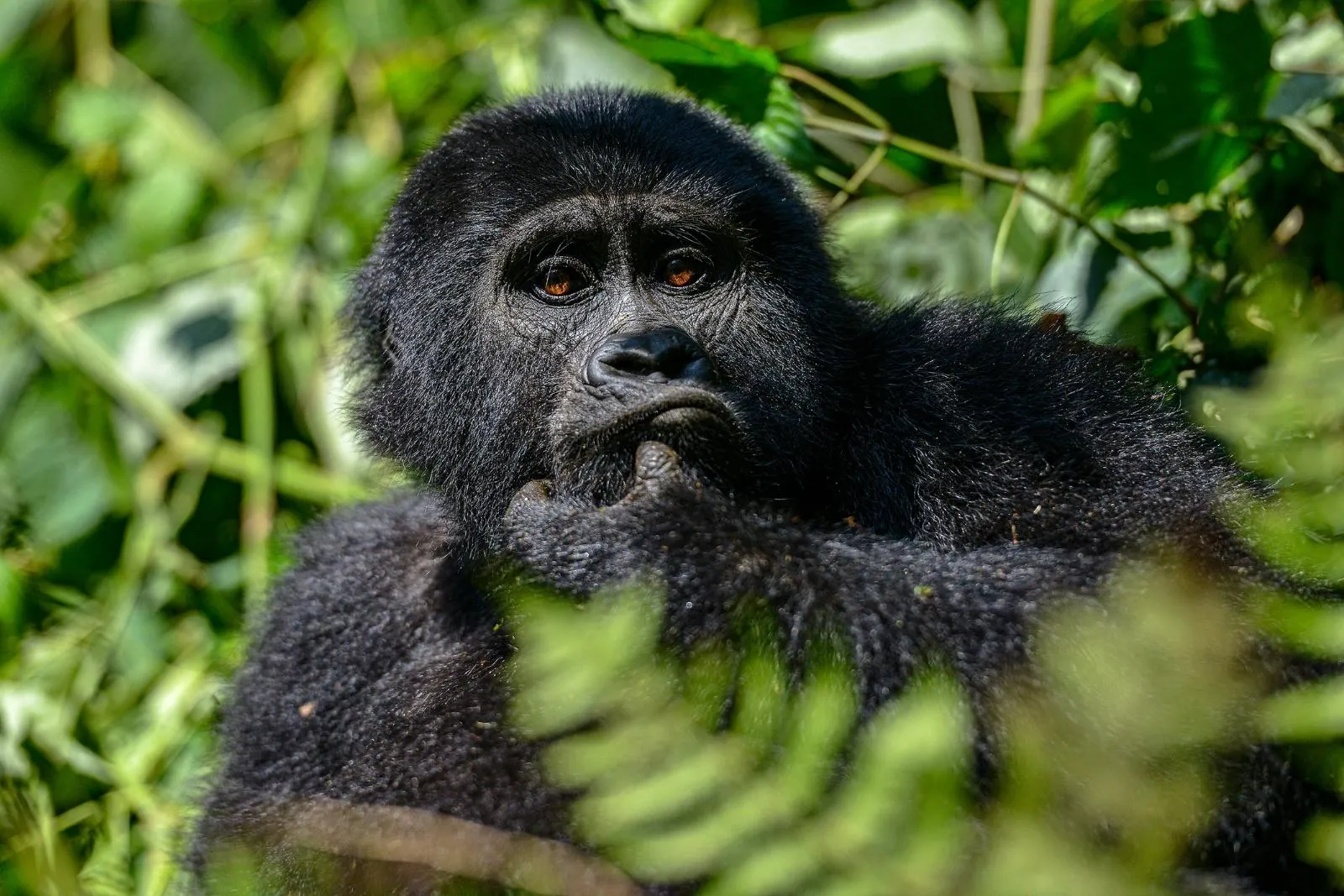
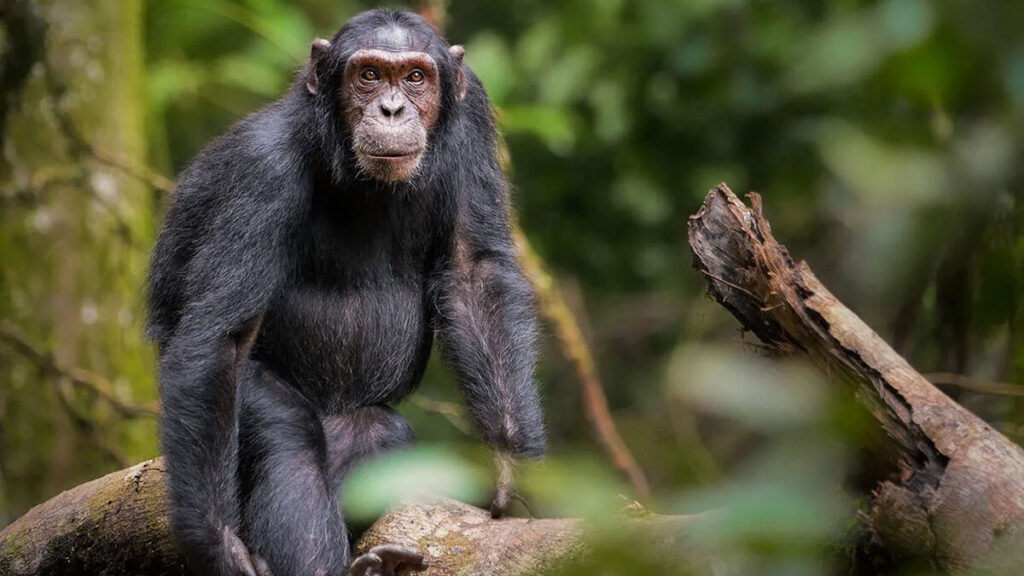
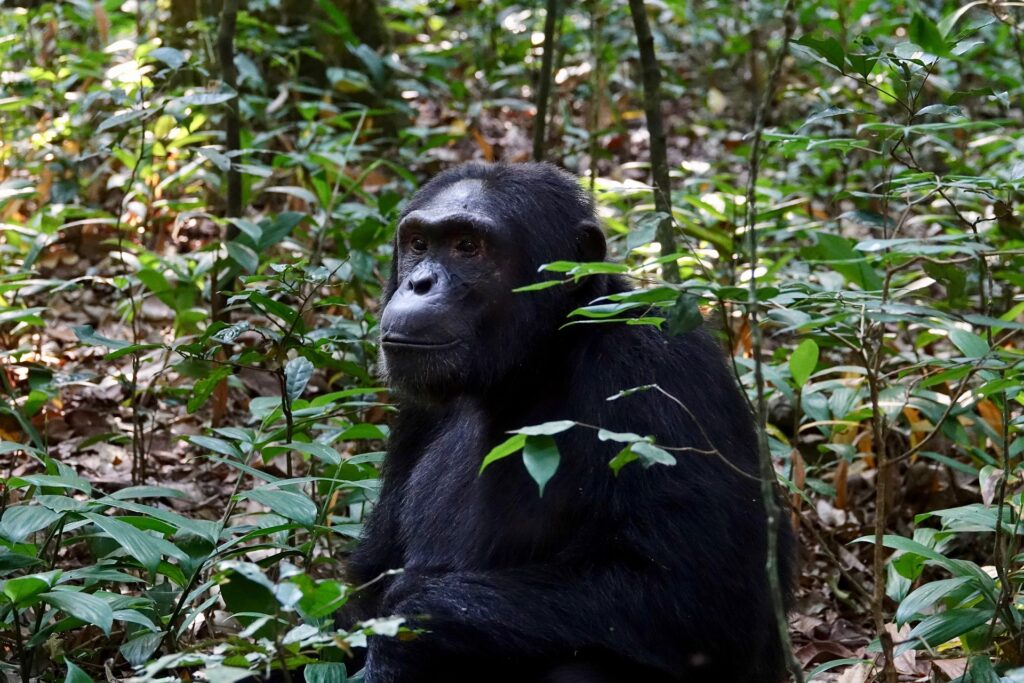
Teenagers who meet the age requirement often find this moment deeply transformative. Standing just meters away from a massive silverback while watching young gorillas tumble through vines creates a powerful connection to nature. The silence of the forest, combined with the intelligence visible in the gorillas’ eyes, leaves a lasting impression on every traveler.
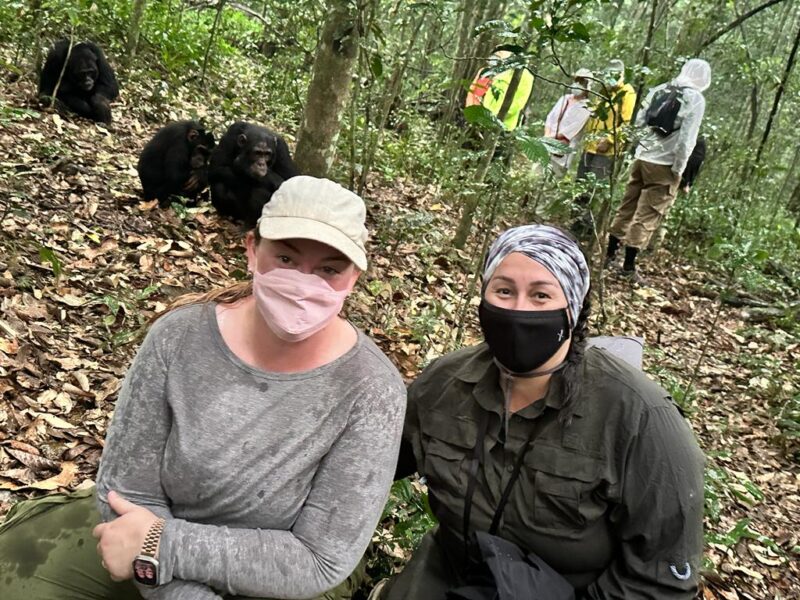
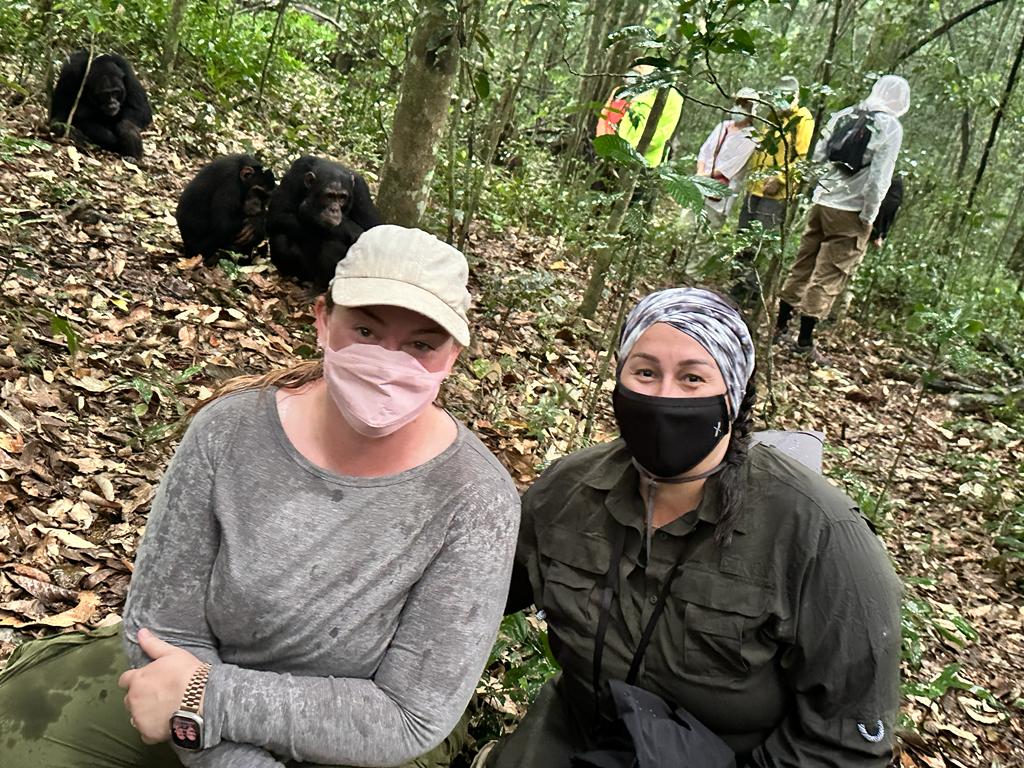
Visitors should also expect strict conservation guidelines. Maintaining a safe distance of seven meters, wearing masks when necessary, and following ranger instructions help ensure the well-being of the animals. Such rules are vital to preserving the fragile population of mountain gorillas while allowing future generations to experience this extraordinary wildlife encounter.
How Much Does Gorilla Trekking Cost and When Is the Best Time to Visit?
Travelers researching “Are children allowed to go gorilla trekking?” also want to understand the financial and seasonal aspects of the adventure. In Uganda, a gorilla trekking permit currently costs around $800 per person for foreign non-residents. This permit grants access to the park, ranger guidance, and the once-in-a-lifetime opportunity to spend one hour with a gorilla family.
Safari packages that include accommodation, transportation, permits, and guiding services typically range between $1,500 and $4,000 depending on the duration, comfort level, and additional experiences such as Birding Safaris or Uganda Cultural Safaris. Adira Safaris carefully designs itineraries that match different travel budgets while maintaining exceptional service quality.
Timing also influences the trekking experience. The best months for gorilla trekking occur during the dry seasons from June to September and December to February, when forest trails are easier to navigate. Wildlife viewing during these periods tends to be more comfortable, although gorilla trekking remains possible throughout the year.
Choosing the right season, securing permits early, and traveling with knowledgeable safari experts ensures visitors enjoy one of the Uganda Best Safari experiences available anywhere in Africa.
Why Choose Adira Safaris for Gorilla Trekking Safaris?
Selecting the right safari company makes a significant difference when planning an unforgettable trip and answering questions like “Are children allowed to go gorilla trekking?” Adira Safaris is committed to delivering authentic, responsible, and expertly guided Uganda Safaris that showcase the very best of the country’s wildlife and cultural heritage.
Our team consists of experienced safari specialists who possess deep knowledge of Uganda’s ecosystems, communities, and conservation initiatives. Every itinerary is thoughtfully designed to combine gorilla trekking with complementary experiences such as Birding Safaris, scenic exploration, and Uganda Cultural Safaris. These carefully balanced journeys allow travelers to discover Uganda beyond the forest while supporting sustainable tourism development.
Professional guides, comfortable safari vehicles, and partnerships with eco-friendly lodges ensure every traveler enjoys both safety and comfort throughout the journey. Personalized service remains central to our philosophy, allowing families, photographers, nature enthusiasts, and first-time visitors to experience Africa in a meaningful way.
Choosing Adira Safaris means traveling with a trusted authority in the African tourism industry. Our commitment to conservation, community support, and unforgettable wildlife encounters ensures that your gorilla trekking safari becomes more than just a vacation—it becomes a powerful connection with nature and the remarkable landscapes of Uganda.