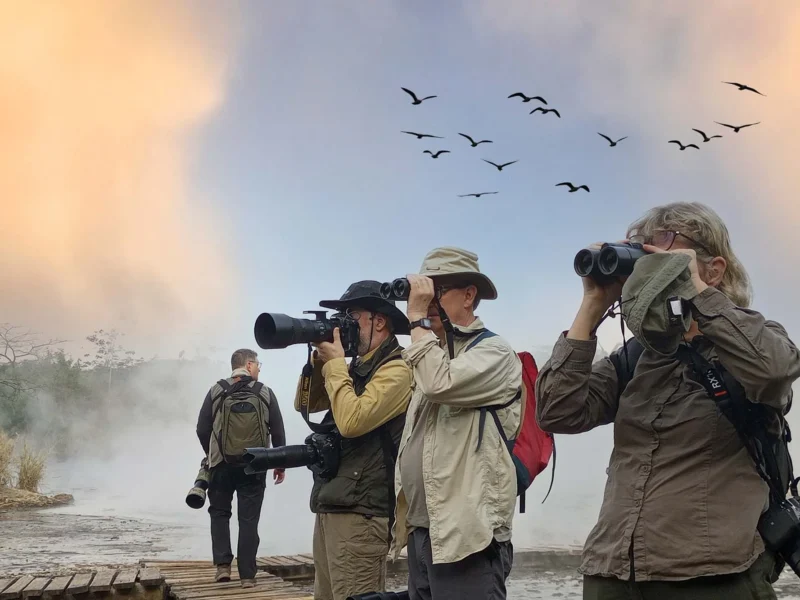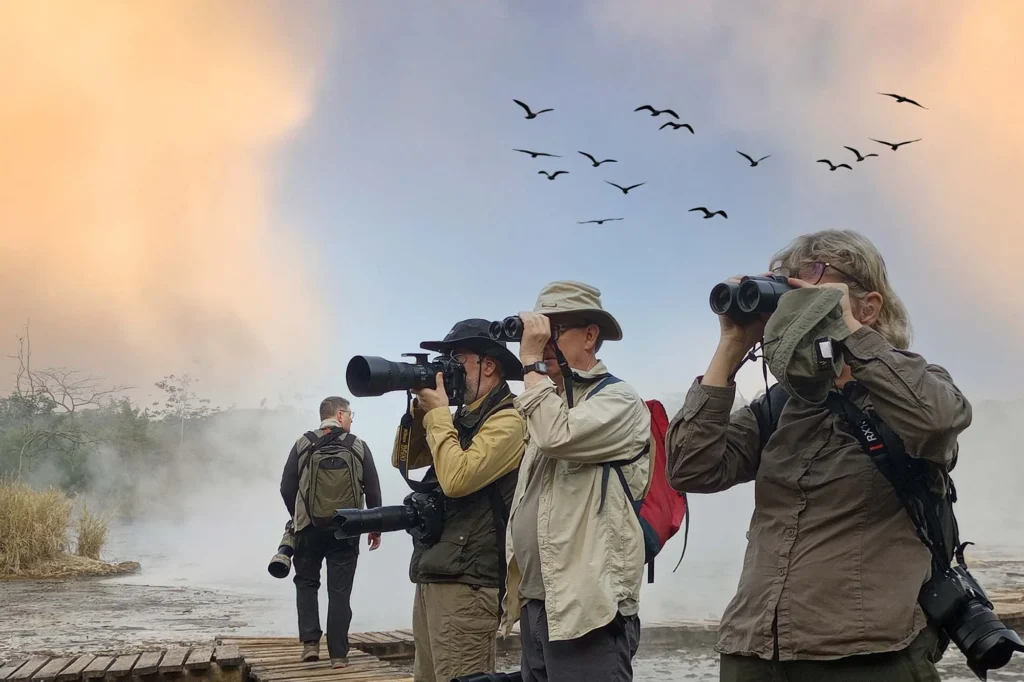


What Should I Wear for Chimpanzee Trekking?
March 31, 2026
How Long Does Chimp Tracking Take?
April 1, 2026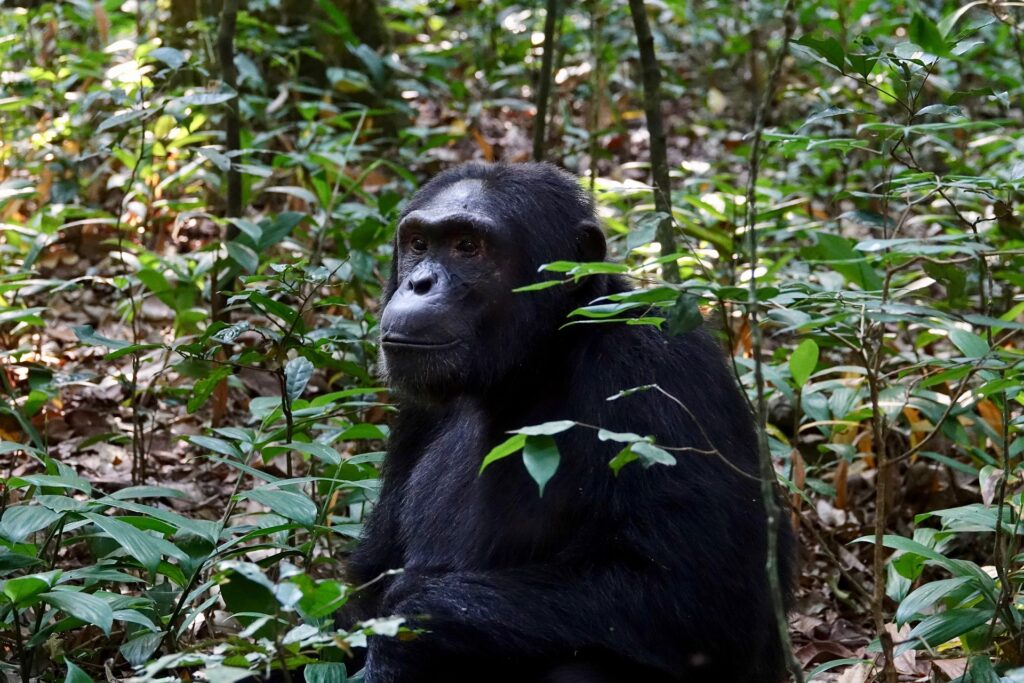
What is the Difference Between Chimp Tracking and Habituation?
“What is the Difference Between Chimp Tracking and Habituation?” is a key question for travelers planning immersive Rwanda Safaris and Uganda Safaris focused on primate encounters. Across East Africa, chimpanzee experiences are among the most sought-after wildlife activities, offering rare opportunities to observe these intelligent primates in their natural habitats. Within renowned destinations such as Kibale Forest National Park and Nyungwe Forest National Park, visitors can choose between two distinct experiences: chimpanzee tracking and chimpanzee habituation.
Understanding the distinction between these activities is essential for selecting the right safari experience. While both options take place in dense tropical forests and involve guided treks, they differ significantly in duration, level of interaction, and overall immersion. Unlike traditional wildlife viewing commonly associated with a Uganda Best Safari, these primate encounters require active participation and provide deeper insights into animal behavior, conservation, and research efforts.
Choosing between tracking and habituation ultimately depends on personal preferences, time availability, and desired level of engagement. Some travelers prefer shorter, structured encounters, while others seek extended time observing chimpanzees as they adapt to human presence. Gaining clarity on “What is the Difference Between Chimp Tracking and Habituation?” allows visitors to plan a more meaningful and fulfilling safari while aligning expectations with the realities of each experience.
What is Chimpanzee Tracking and How Does It Work?
“What is the Difference Between Chimp Tracking and Habituation?” begins with understanding chimpanzee tracking, the more common and widely accessible option on Rwanda Safaris and Uganda Safaris. Chimp tracking involves trekking through forest trails in search of already habituated chimpanzee groups that are accustomed to human presence. Experienced guides and trackers lead visitors by following vocalizations, nests, and feeding signs until the chimpanzees are located.
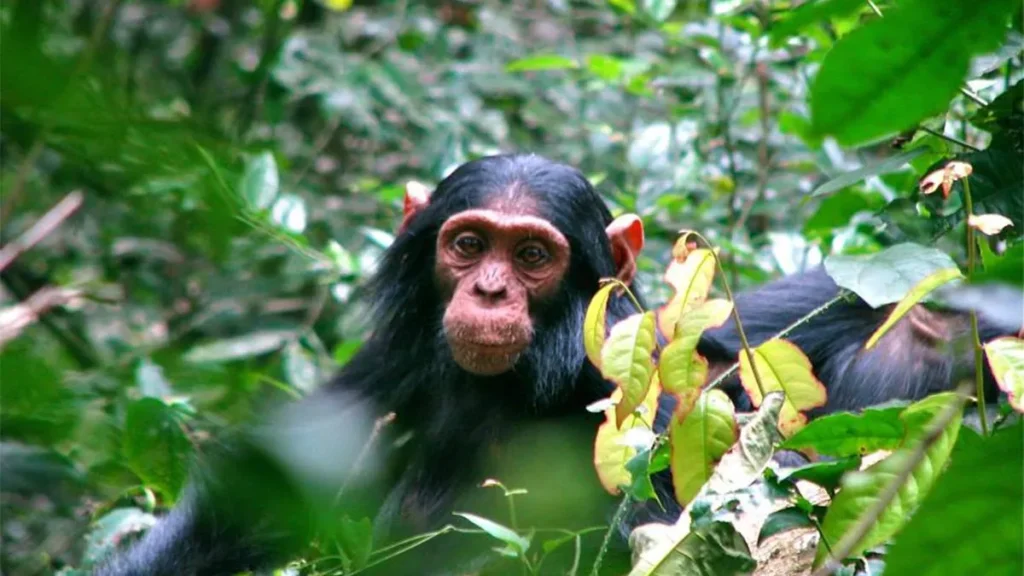
Once the group is found, visitors are typically allowed to spend one hour observing the chimpanzees as they feed, groom, and interact within their social structures. This limited time ensures minimal disturbance to the animals while still offering an unforgettable wildlife encounter. In Kibale Forest National Park, chimp tracking is particularly popular due to the high success rate of sightings and well-established trekking routes.
Additionally, chimp tracking is suitable for most travelers, including those with moderate fitness levels, as the duration of the trek varies depending on the location of the chimpanzees. Professional guides provide detailed explanations about chimp behavior, forest ecology, and conservation initiatives, enriching the overall experience.
Choosing chimp tracking as part of a Uganda Best Safari offers a balanced combination of adventure and accessibility. Ultimately, understanding this activity provides a foundational answer to “What is the Difference Between Chimp Tracking and Habituation?” by highlighting its structured and time-limited nature.
What is Chimpanzee Habituation Experience?
“What is the Difference Between Chimp Tracking and Habituation?” becomes clearer when exploring the chimpanzee habituation experience, which offers a more in-depth and immersive encounter. Unlike standard tracking, habituation involves spending extended time—often up to four hours or more—with chimpanzees that are still undergoing the process of becoming accustomed to human presence.
Within Kibale Forest National Park, this experience allows visitors to join researchers and conservationists as they observe and document chimpanzee behavior. Participants witness how chimpanzees gradually adapt to human observers, making the encounter both educational and unique. Every moment in the forest feels authentic, as the chimpanzees display natural behaviors without being fully accustomed to human interaction.
Moreover, habituation experiences often begin early in the morning, providing opportunities to observe chimpanzees as they wake, feed, and move through the forest. This extended duration offers deeper insights into their social dynamics, communication patterns, and daily routines.
Although this activity requires a higher level of physical fitness and patience, it rewards travelers with a richer understanding of primate life. Including habituation in Rwanda Safaris or Uganda Safaris elevates the experience beyond sightseeing into meaningful wildlife engagement. Ultimately, exploring this option provides a comprehensive perspective on “What is the Difference Between Chimp Tracking and Habituation?” by emphasizing its immersive and research-oriented nature.
How to Reach Chimpanzee Destinations in Rwanda and Uganda?
Understanding “What is the Difference Between Chimp Tracking and Habituation?” also involves knowing how to access the chimpanzee trekking locations efficiently. Travelers embarking on Rwanda Safaris typically begin their journey in Kigali, while those planning Uganda Safaris often start in Kampala. Both cities are well-connected by international flights and serve as gateways to the region’s national parks.
From Kampala, reaching Kibale Forest National Park takes approximately 5 to 6 hours by road, offering scenic views of rural landscapes and tea plantations along the way. Similarly, travelers heading to Nyungwe Forest National Park from Kigali can expect a picturesque drive of similar duration through Rwanda’s rolling hills.
Tour operators such as Adira Safaris provide organized transport, ensuring a smooth and comfortable journey. Guided safari packages often include permits, accommodation, and expert-led activities, simplifying travel logistics for international visitors.
Additionally, combined itineraries linking Rwanda Safaris and Uganda Safaris are increasingly popular, allowing travelers to experience both chimp tracking and habituation within a single trip. Efficient planning ensures that visitors maximize their time while enjoying seamless transitions between destinations. Ultimately, accessibility plays a vital role in answering “What is the Difference Between Chimp Tracking and Habituation?” by connecting preparation with travel convenience.
When is the Best Time for Chimp Tracking and Habituation?
“When evaluating What is the Difference Between Chimp Tracking and Habituation?” timing becomes a crucial factor in shaping the overall safari experience. Both activities are available year-round in East Africa; however, seasonal conditions significantly influence trekking comfort and wildlife visibility.
Dry seasons, typically from June to September and December to February, are considered ideal for both chimp tracking and habituation. During these months, forest trails are less muddy, making trekking easier and safer. Clear weather conditions also improve visibility, enhancing the quality of wildlife encounters during Rwanda Safaris and Uganda Safaris.
Rainy seasons, occurring from March to May and October to November, bring lush vegetation and abundant food sources, which can make chimpanzees easier to locate. However, trekking conditions may become more challenging due to slippery trails and dense foliage.
Choosing the right time ensures that travelers align their expectations with environmental conditions, whether prioritizing ease of trekking or richer ecological experiences. Incorporating seasonal insights into a Uganda Best Safari itinerary enhances both safety and enjoyment. Ultimately, understanding the best time to visit provides a complete answer to “What is the Difference Between Chimp Tracking and Habituation?” while helping travelers plan a truly rewarding primate safari.