
Katavi National Park, Tanzania
July 16, 2026
Wildlife in Ngorongoro Conservation Area
July 16, 2026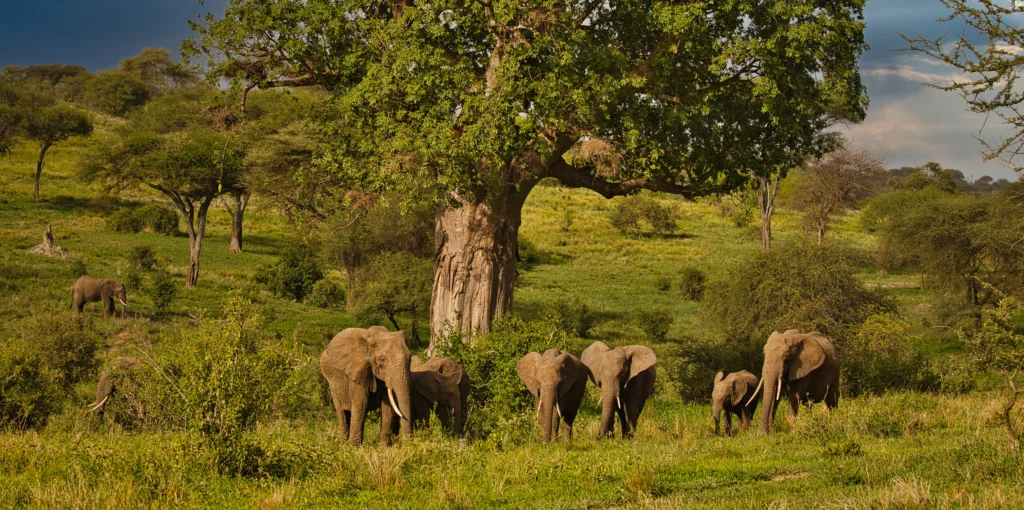
Wildlife in Serengeti National Park
Serengeti National Park is one of the world’s greatest wildlife destinations. Located in northern Tanzania, the park is famous for its extraordinary concentration of wild animals, breathtaking landscapes, and unforgettable safari experiences. Every year, thousands of travelers visit the Serengeti to witness its rich biodiversity and explore one of Africa’s most celebrated ecosystems. The park covers approximately 14,750 square kilometers and consists of open grasslands, acacia woodlands, riverine forests, rocky outcrops known as kopjes, and seasonal wetlands. These diverse habitats support an incredible variety of wildlife throughout the year.
The wildlife in Serengeti National Park is one of the main reasons why Tanzania remains among Africa’s top safari destinations. Visitors have the opportunity to see hundreds of mammal species, reptiles, amphibians, insects, and more than 500 bird species in their natural habitats. Every section of the park offers unique wildlife encounters, making each safari different from the last. Whether exploring the endless plains, following rivers, or visiting rocky hills, tourists enjoy remarkable opportunities to observe animals living freely in one of the world’s most protected ecosystems.
The Serengeti ecosystem extends beyond the boundaries of the national park into neighboring conservation areas and wildlife reserves. This large protected landscape allows animals to move naturally in search of food, water, and breeding grounds. The annual Great Migration, which involves more than two million wildebeests, zebras, and gazelles, is the most famous wildlife event in the park. This remarkable movement attracts predators and creates one of the greatest natural spectacles on Earth.
Wildlife conservation plays a vital role in protecting Serengeti National Park. The park safeguards endangered species, preserves important habitats, and supports scientific research. Conservation programs also work closely with surrounding communities to promote sustainable tourism and protect wildlife for future generations. Visitors not only enjoy exceptional game viewing but also contribute to the continued conservation of one of Africa’s most valuable natural treasures.
The Big Five Animals in Serengeti National Park
Serengeti National Park is one of the best places in Africa to see the famous Big Five. These iconic animals include the African lion, African elephant, African leopard, Cape buffalo, and black rhinoceros. Many travelers choose the Serengeti because it offers excellent opportunities to encounter all five species during a safari.
The African lion is the most famous predator in the Serengeti. The park supports one of the largest lion populations in Africa, with thousands of individuals living across its plains and woodlands. Visitors often observe lions resting under acacia trees, climbing rocky kopjes, or stalking prey across open grasslands. Early morning and late afternoon game drives provide the best chances to witness these magnificent cats in action.
African elephants also thrive in the Serengeti. These gentle giants move through the woodlands and river valleys in family groups led by experienced females. Visitors frequently see elephants feeding on grasses, stripping bark from trees, or bathing in rivers during the hottest hours of the day. Their intelligence and strong family bonds make them one of the most admired animals in the park.
Leopards are more elusive than lions, but experienced safari guides know where they often rest. These beautiful cats prefer riverine forests and large trees where they hide during the day. Lucky visitors may spot a leopard relaxing on a tree branch or carrying its prey into the canopy to avoid scavengers.
Cape buffaloes roam the Serengeti in large herds. They are powerful animals and one of the most common members of the Big Five. The endangered black rhinoceros is much rarer, but conservation efforts continue to protect the remaining population. Sightings of black rhinos are special moments that highlight the importance of wildlife conservation in Tanzania.
The Great Wildebeest Migration
One of the greatest wildlife attractions in Serengeti National Park is the Great Wildebeest Migration. This extraordinary event involves more than 1.5 million wildebeests, accompanied by hundreds of thousands of zebras and Thomson’s gazelles. Together, these animals travel across the Serengeti ecosystem in search of fresh grazing land and water throughout the year.
The migration follows seasonal rainfall. During the calving season in the southern Serengeti, thousands of wildebeest calves are born within a few weeks. This period attracts numerous predators, including lions, cheetahs, leopards, hyenas, and crocodiles. As the dry season approaches, the herds move north through the central Serengeti before crossing the Mara River into Kenya’s Maasai Mara. These dramatic river crossings are among the most photographed wildlife events in the world as crocodiles wait beneath the water while thousands of animals struggle to reach the opposite bank.
The migration benefits the entire ecosystem. It distributes nutrients across the grasslands, supports predator populations, and creates one of nature’s most remarkable cycles. Every stage of the migration offers unique wildlife viewing opportunities, making the Serengeti an exciting destination throughout the year.
Predators of Serengeti National Park
Serengeti National Park supports one of Africa’s richest predator populations. Lions dominate the open plains, while cheetahs use their incredible speed to hunt gazelles and other small antelopes. Leopards remain hidden in woodlands and riverine forests, making every sighting exciting.
Spotted hyenas are highly intelligent hunters and scavengers. They often compete with lions for food and play an important role in maintaining the balance of the ecosystem. African wild dogs occasionally appear in parts of the greater Serengeti ecosystem, although they are much less common than other predators.
Jackals, servals, caracals, and bat-eared foxes also live in the park. These smaller carnivores hunt rodents, birds, reptiles, and insects. Together, the predator species help regulate herbivore populations and maintain the health of the Serengeti ecosystem.
Herbivores in Serengeti National Park
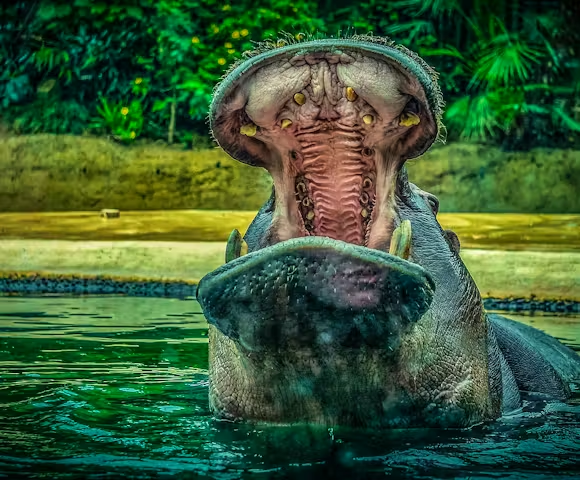
The Serengeti is home to an impressive variety of herbivores. Wildebeests, zebras, giraffes, elephants, buffaloes, impalas, topis, hartebeests, elands, waterbucks, reedbucks, dik-diks, bushbucks, and warthogs are commonly seen during game drives. Hippos gather in rivers and pools, while large crocodiles patrol the waterways.
Giraffes feed on acacia leaves using their long necks and prehensile tongues. Zebras often graze alongside wildebeests because each species feeds on different parts of the grass. This partnership helps both animals make better use of available grazing land while increasing protection from predators.
Every herbivore plays an important role in the ecosystem. Grazing animals maintain healthy grasslands, while browsing species shape woodland vegetation. Their movements also support predators and scavengers that depend on abundant wildlife for survival.