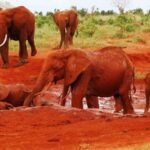
Wildlife in Tsavo East and West National Parks
June 8, 2026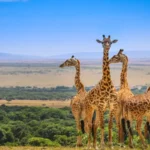
Wildlife in Lake Nakuru National Park
June 9, 2026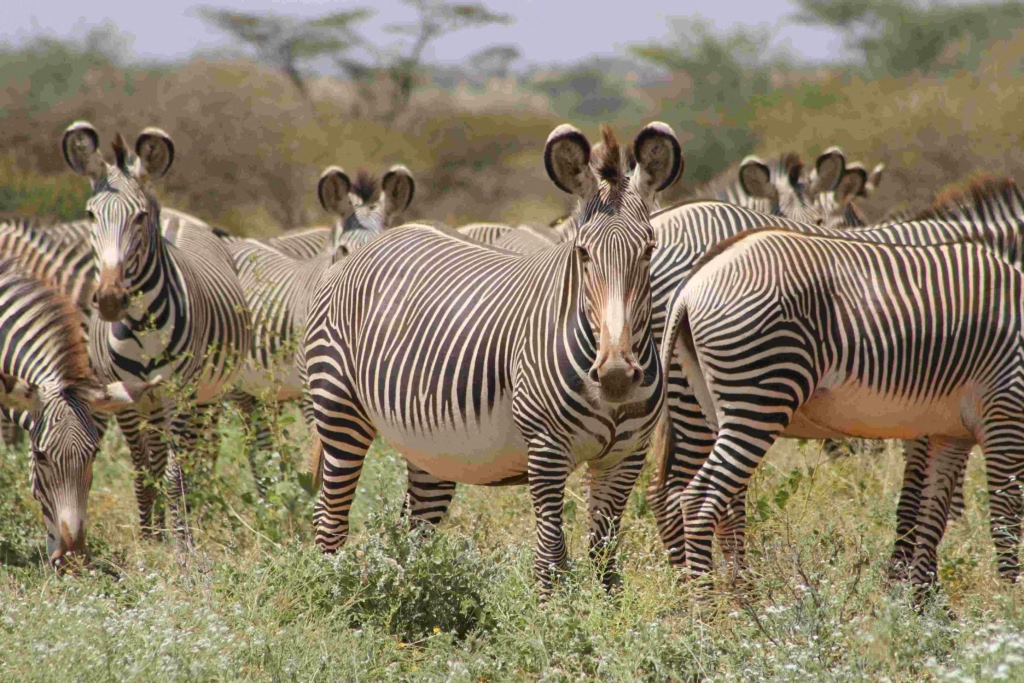
Samburu Special Five
When people think about African wildlife, the famous Big Five often come to mind. However, Kenya’s Samburu region offers visitors a different and equally exciting wildlife experience. This unique experience revolves around the Samburu Special Five, a group of rare and fascinating animals that thrive in the dry northern landscapes of Kenya. These animals include the Grevy’s zebra, Somali ostrich, reticulated giraffe, Beisa oryx, and gerenuk. They are not commonly found in most safari destinations across East Africa, making them special attractions for travelers who visit the Samburu ecosystem.
The Samburu Special Five have adapted perfectly to the arid and semi-arid conditions of northern Kenya. Their unique physical features and behaviors make them stand out from other wildlife species. These remarkable animals inhabit the vast plains, acacia woodlands, riverine forests, and scrublands of the Samburu region. Visitors who explore Samburu National Reserve often seek out these iconic species as part of their safari adventure.
Wildlife enthusiasts, photographers, bird watchers, and nature lovers travel from around the world to witness these extraordinary animals in their natural habitat. Spotting all five species during one safari is considered a rewarding achievement. The Samburu Special Five showcase the incredible biodiversity of northern Kenya and highlight the importance of wildlife conservation in the region.
This guide explores each member of the Samburu Special Five, their characteristics, habitats, behaviors, and why they remain among the most sought-after wildlife sightings in Kenya.
The Grevy’s Zebra – The Largest and Rarest Zebra Species
The Grevy’s zebra stands as one of the most distinctive members of the Samburu Special Five. It differs significantly from the common plains zebra that many safari visitors encounter across East Africa. The Grevy’s zebra is larger, taller, and more elegant in appearance. It features narrow black stripes that extend across its body and large rounded ears that resemble those of a mule.
One of the most striking features of the Grevy’s zebra is its white belly, which lacks stripes. This characteristic helps distinguish it from other zebra species. The animal’s slender build and upright mane give it a graceful appearance that captures the attention of wildlife photographers.
Grevy’s zebras prefer dry grasslands and semi-desert habitats. Samburu National Reserve provides an ideal environment for them due to its open plains and sparse vegetation. These zebras can survive in areas with limited water because they have adapted to harsh environmental conditions.
Unlike plains zebras, Grevy’s zebras do not form large herds. They often move in smaller groups and display different social structures. Males establish territories and defend them while females move freely between these territories. This behavior makes them fascinating subjects for wildlife observation.
Conservationists consider the Grevy’s zebra one of the most endangered zebra species in the world. Habitat loss, competition with livestock, and drought have reduced their populations over the years. Samburu remains one of the best places to observe and support the conservation of these magnificent animals. A safari in Samburu offers a rare opportunity to witness one of Africa’s most endangered wildlife species in its natural environment.
The Somali Ostrich – A Unique Giant Bird of Northern Kenya
The Somali ostrich is another remarkable member of the Samburu Special Five. Although ostriches are found across various parts of Africa, the Somali ostrich differs from the common ostrich species. It possesses unique features that make it easy to identify in the wild.
Male Somali ostriches display striking blue-gray skin on their necks and thighs. During the breeding season, this coloration becomes even more vibrant. The females have a more subdued appearance, which helps them blend into their surroundings while nesting.
The Somali ostrich thrives in the dry landscapes of northern Kenya. It prefers open plains, grasslands, and scrublands where it can easily spot predators from a distance. These birds rely on their exceptional speed to escape danger. They can run at speeds of up to 70 kilometers per hour, making them among the fastest birds on earth.
Despite their inability to fly, Somali ostriches possess incredible adaptations for survival. Their powerful legs allow them to cover vast distances while searching for food and water. They feed on seeds, grasses, leaves, flowers, and small insects. Their diet helps them survive in areas where resources may be limited.
Visitors exploring Samburu often encounter Somali ostriches roaming the plains in pairs or small groups. Their impressive size and distinctive appearance create memorable wildlife sightings. Photographers particularly appreciate opportunities to capture images of these giant birds against the stunning landscapes of northern Kenya.
The Somali ostrich represents an important part of the region’s biodiversity. Its presence highlights the ecological uniqueness of the Samburu ecosystem and adds to the area’s reputation as one of Kenya’s premier safari destinations.
The Reticulated Giraffe – The Beautiful Giant of Samburu
The reticulated giraffe ranks among the most visually stunning animals in Africa. It is perhaps the most recognizable member of the Samburu Special Five due to its spectacular coat pattern. The giraffe’s body features large polygon-shaped patches separated by bright white lines, creating a striking net-like appearance.
This beautiful pattern distinguishes the reticulated giraffe from other giraffe subspecies found across Africa. Its elegant markings make it one of the most photographed animals in Samburu National Reserve. Wildlife photographers often seek out these giraffes because their appearance creates exceptional safari images.
Reticulated giraffes inhabit dry savannahs, acacia woodlands, and shrublands. They use their long necks to browse leaves from tall trees, particularly acacia species. Their specialized feeding habits allow them to access food sources beyond the reach of most other herbivores.
These giraffes often form loose social groups. Visitors may observe females and their calves moving together while adult males sometimes wander alone. Despite their immense size, reticulated giraffes move gracefully across the landscape and can run surprisingly fast when necessary.
The Samburu ecosystem supports one of the most important populations of reticulated giraffes in Kenya. The region provides abundant food resources and suitable habitat conditions. Early morning and late afternoon game drives often offer excellent opportunities to observe these giants feeding among the acacia trees.
Conservation efforts play a vital role in protecting reticulated giraffes. Habitat fragmentation and human activities have impacted populations in some areas. Samburu National Reserve serves as an important sanctuary where these animals can continue to thrive. Seeing a reticulated giraffe standing against the backdrop of the African wilderness remains one of the most unforgettable experiences for safari visitors.
The Beisa Oryx – The Elegant Desert Antelope
The Beisa oryx is one of the most impressive antelope species found in northern Kenya. It possesses a striking appearance characterized by a grayish coat, black facial markings, and long straight horns. Both males and females carry these impressive horns, which can grow to considerable lengths.
This elegant antelope has evolved remarkable adaptations that enable it to survive in hot and dry environments. The Beisa oryx can withstand extreme temperatures and survive for extended periods without direct access to water. It obtains much of its moisture from the plants it consumes.
Beisa oryxes inhabit open grasslands, semi-desert regions, and arid plains. Their preference for dry habitats makes Samburu National Reserve an ideal location for observing them. Visitors frequently encounter small herds grazing peacefully across the landscape.
These antelopes are highly social animals. They often move together in groups, which enhances their protection against predators. Their keen eyesight and alert behavior allow them to detect danger from considerable distances.
One of the most fascinating features of the Beisa oryx is its ability to regulate body temperature. This adaptation helps reduce water loss and improves survival in challenging environmental conditions. Such resilience makes the species a symbol of life in Kenya’s arid regions.
Safari visitors often admire the Beisa oryx for its beauty and grace. The animal’s symmetrical horns and distinctive markings create excellent photography opportunities. Its presence contributes significantly to the diversity of wildlife found within the Samburu ecosystem and reinforces the region’s status as a premier wildlife destination.
The Gerenuk – The Extraordinary Long-Necked Antelope
The gerenuk is perhaps the most unusual member of the Samburu Special Five. Its name means “giraffe-necked” in the Somali language, a fitting description for this unique antelope. The gerenuk possesses a remarkably long neck, slender body, and small head, giving it a distinctive appearance unlike any other antelope species.
One of the gerenuk’s most extraordinary behaviors involves feeding while standing on its hind legs. This ability allows it to reach leaves and shoots high above the ground. Few other antelope species display such behavior. Watching a gerenuk balance upright while browsing from thorny bushes provides one of the most memorable wildlife experiences in Samburu.
Gerenuks inhabit dry bushlands, thorn scrub, and semi-arid environments. They prefer areas with abundant shrubs and low trees that provide food throughout the year. Their feeding strategy reduces competition with other herbivores because they access vegetation that many species cannot reach.
These antelopes usually occur alone, in pairs, or in small family groups. They tend to remain cautious and often blend into the surrounding vegetation. Their alert nature can make sightings particularly rewarding for safari enthusiasts.
Unlike many animals that require regular access to water, gerenuks obtain most of their moisture from the plants they eat. This adaptation enables them to thrive in some of the driest regions of East Africa. Their survival strategies demonstrate the remarkable resilience of wildlife in northern Kenya.
Photographers and wildlife lovers highly value encounters with gerenuks because of their unusual shape and behavior. Their elegant posture and unique feeding habits create unforgettable safari moments. The gerenuk truly represents the uniqueness and ecological diversity that define the Samburu Special Five.
Why the Samburu Special Five Make Samburu a Must-Visit Safari Destination
The Samburu Special Five provide visitors with a wildlife experience that differs from traditional African safaris. These rare animals highlight the unique biodiversity of northern Kenya and showcase adaptations that allow wildlife to survive in challenging environments. Their presence makes Samburu National Reserve one of the most rewarding safari destinations in East Africa.
Many travelers visit Samburu specifically to search for these five iconic species. The excitement of spotting all members of the Samburu Special Five adds a special challenge to every game drive. Each animal offers distinct characteristics, behaviors, and photographic opportunities that enrich the safari experience.
Beyond their beauty and rarity, these species play important roles within the ecosystem. They contribute to ecological balance and support the rich biodiversity that makes Samburu such a valuable conservation area. Protecting these animals ensures that future generations can continue to enjoy their presence in the wild.
A safari to Samburu offers far more than wildlife viewing. Visitors also experience breathtaking landscapes, authentic cultural encounters, and exceptional birdlife. Combined with sightings of lions, elephants, leopards, and cheetahs, the Samburu Special Five create an unforgettable African adventure.
At Adira Safaris Africa, we offer expertly guided safaris that provide outstanding opportunities to discover the Samburu Special Five. Our experienced guides understand the behavior and habitats of these remarkable animals. We help travelers maximize their chances of enjoying close and memorable encounters. A journey to Samburu promises unique wildlife experiences that remain unforgettable long after the safari ends.