

Cheetahs in Kidepo Valley National Park
April 25, 2026
Gahinga Bamboo Zone in Mgahinga Gorilla National Park
April 25, 2026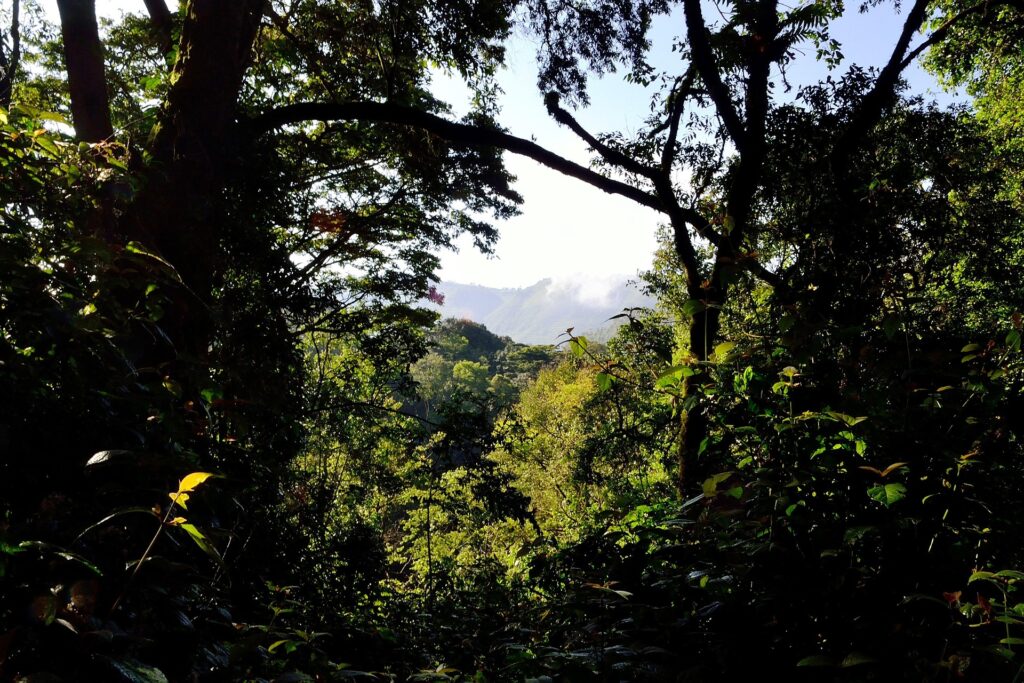
Why Bwindi Impenetrable National Park Is Called “Impenetrable”
Bwindi Impenetrable National Park stands as one of Africa’s most iconic and mysterious rainforests. The park lies in southwestern Uganda and forms part of the larger Bwindi Impenetrable Forest. Travelers, researchers, and conservationists often ask a simple question: why is Bwindi called “impenetrable”? The answer goes far beyond a poetic description. It reflects the forest’s dense vegetation, rugged terrain, ancient ecology, and the real physical challenge of moving through it.
This name did not come from imagination alone. Early explorers, local communities, and modern visitors all experienced the same reality. Thick undergrowth blocks visibility. Tangled vines and shrubs restrict movement. Steep hills and valleys make navigation slow and exhausting. Together, these features create a forest that feels almost impossible to cross without effort. The term “impenetrable” captures this experience with accuracy.
Understanding this name also helps travelers appreciate what makes Bwindi unique. It is not just a tourist destination. It is a living, breathing ecosystem that has resisted human alteration for centuries. This resilience protects one of the most important wildlife populations in the world, especially the endangered Mountain Gorilla. The forest’s difficulty has become its greatest strength.
The Dense Vegetation That Defines Bwindi
The most obvious reason behind the name “impenetrable” lies in the forest’s vegetation. Bwindi contains one of the oldest and most biologically diverse rainforests in Africa. The forest has grown continuously for over 25,000 years. During this time, plant species evolved and layered themselves in thick, complex structures.
Tall hardwood trees form the upper canopy. Beneath them, smaller trees and shrubs fill every available space. Thick vines twist around trunks and branches. Ferns, mosses, and ground plants spread across the forest floor. This multi-layered structure blocks light and creates a dark, humid environment. Movement becomes slow because every step requires pushing through vegetation.
In many parts of the park, there are no clear natural paths. Even experienced guides must use machetes to create temporary trails. The vegetation grows back quickly due to the tropical climate. This constant regrowth reinforces the forest’s impenetrable nature. Visitors often describe the experience as moving through a green wall.
This density also plays an important ecological role. It provides shelter for countless species. Birds, insects, mammals, and reptiles depend on this thick habitat. The forest’s complexity supports over 120 mammal species and more than 350 bird species. Without this dense structure, Bwindi would lose much of its biodiversity.
Rugged Terrain and Steep Landscapes
Bwindi’s terrain adds another layer to its impenetrability. The park sits on the edge of the Albertine Rift Valley. This location creates a landscape filled with steep hills, deep valleys, and uneven ground. Elevations range from about 1,160 meters to over 2,600 meters above sea level.
Walking through this terrain demands physical effort. Trails often climb sharply uphill or descend into narrow valleys. The ground can be slippery, especially after rain. Rocks, roots, and mud increase the challenge. Even short distances can take hours to cover.
The terrain also limits visibility. Hills and dense vegetation combine to block long-distance views. This makes navigation difficult without local knowledge. Early explorers often struggled to find their way through the forest. Many described the experience as confusing and overwhelming.
Despite these challenges, the rugged landscape contributes to Bwindi’s beauty. Mist often covers the hills in the morning. Sunlight filters through the canopy in soft beams. Streams and waterfalls flow quietly through the valleys. These features create a magical atmosphere that rewards those who venture into the forest.
A Forest Shaped by Time
Bwindi’s impenetrable character also comes from its age. It is one of the oldest surviving rainforests in Africa. While many forests disappeared during past ice ages, Bwindi remained intact. This long history allowed species to evolve and adapt within a stable environment.
Ancient forests tend to be more complex than younger ones. Plants compete for space and light over long periods. This leads to dense growth and intricate layering. Dead trees fall and decompose, adding nutrients to the soil. New plants grow in their place, creating a continuous cycle.
This process has shaped Bwindi into a tightly woven ecosystem. Every part of the forest connects to another. Removing one element can affect many others. This complexity makes the forest difficult to alter or penetrate.
The age of Bwindi also gives it global importance. Scientists study the forest to understand evolution, climate change, and biodiversity. Its resilience offers lessons for conservation efforts around the world.
Natural Protection for Wildlife
The term “impenetrable” does not only describe physical difficulty. It also reflects how the forest protects its wildlife. The dense vegetation and rugged terrain create a natural barrier against human interference.
This protection has been vital for the survival of the Mountain Gorilla. Bwindi is home to nearly half of the world’s remaining population. These gorillas live in family groups deep within the forest. The thick vegetation provides food, shelter, and security.
Other species also benefit from this environment. Forest elephants, chimpanzees, and numerous bird species thrive in Bwindi. The forest acts as a safe haven where animals can live with minimal disturbance.
Conservation efforts have strengthened this natural protection. The establishment of Bwindi Impenetrable National Park in 1991 helped reduce threats such as poaching and deforestation. Today, strict guidelines control tourism activities. Visitors must follow rules that protect both wildlife and the environment.
The Human Experience of “Impenetrable”
For visitors, the name “impenetrable” becomes real during activities like gorilla trekking. This experience involves hiking through the forest to find a habituated gorilla group. Treks can last several hours, depending on the location of the animals.
Guides lead small groups through dense vegetation. They cut paths where necessary and navigate the challenging terrain. Trekkers often climb hills, cross streams, and push through thick undergrowth. The journey can feel intense, but it also creates a strong sense of achievement.
When visitors finally encounter gorillas, the effort becomes worthwhile. Observing these animals in their natural habitat offers a powerful and emotional experience. Many describe it as life-changing. The difficulty of reaching the gorillas adds to the value of the encounter.
This experience highlights the true meaning of “impenetrable.” It is not about impossibility. It is about effort, respect, and connection with nature. The forest demands patience and determination, but it rewards those who embrace the challenge.
Cultural Perspectives on the Forest
Local communities have long understood the nature of Bwindi. Indigenous groups such as the Batwa people lived in and around the forest for generations. They developed deep knowledge of its paths, plants, and wildlife.
For them, the forest was not impenetrable in the same way outsiders perceived it. It was a home and a source of life. They knew how to navigate its complexity and use its resources sustainably. Their perspective adds another dimension to the meaning of the name.
Today, cultural experiences allow visitors to learn from these communities. Guided walks and storytelling sessions provide insight into traditional forest life. These experiences enrich the overall understanding of Bwindi and its significance.
Climate and Continuous Growth
Bwindi’s climate plays a key role in maintaining its dense structure. The forest receives high rainfall throughout the year. Temperatures remain moderate due to elevation. These conditions support continuous plant growth.
Unlike seasonal forests, Bwindi does not experience long dry periods. Plants grow and regenerate constantly. This leads to rapid thickening of vegetation. Paths that exist one month may disappear the next.
The humidity also encourages the growth of mosses, fungi, and epiphytes. These organisms cover trees and rocks, adding to the forest’s layered appearance. The result is an environment that feels alive and constantly changing.
This continuous growth ensures that Bwindi remains impenetrable over time. Even with human activity, the forest quickly restores itself. This resilience supports long-term conservation.
Why the Name Still Matters Today
The name “impenetrable” remains relevant in modern tourism and conservation. It reminds visitors that Bwindi is not a typical safari destination. It requires preparation, respect, and physical effort.
Tour operators, including Adira Safaris Africa, use this identity to set expectations. Travelers understand that visiting Bwindi involves more than sightseeing. It involves engaging with nature in its raw form.
The name also reinforces the importance of protecting the forest. It highlights the value of ecosystems that resist human impact. In a world facing environmental challenges, places like Bwindi offer hope and inspiration.
Conclusion
Bwindi Impenetrable National Park earns its name through a combination of dense vegetation, rugged terrain, ancient history, and ecological complexity. The forest challenges movement and navigation. It creates an environment that feels closed and protected. Yet, this very difficulty preserves one of the richest ecosystems on Earth.
The term “impenetrable” tells a story of resilience. It reflects a forest that has survived centuries of change. It protects endangered species like the Mountain Gorilla. It offers visitors a rare chance to experience nature in its purest form.
For anyone planning a visit, the name should not discourage exploration. Instead, it should inspire respect and curiosity. Bwindi may be impenetrable in structure, but it opens itself to those who approach with patience and care. Through guided experiences and responsible tourism, visitors can connect with this remarkable forest while helping to protect it for future generations.
Adira Safaris Africa invites you to discover the beauty and mystery behind the name