
Mount Kilimanjaro National Park
July 21, 2026
Walking Safari in Nyerere National Park
July 21, 2026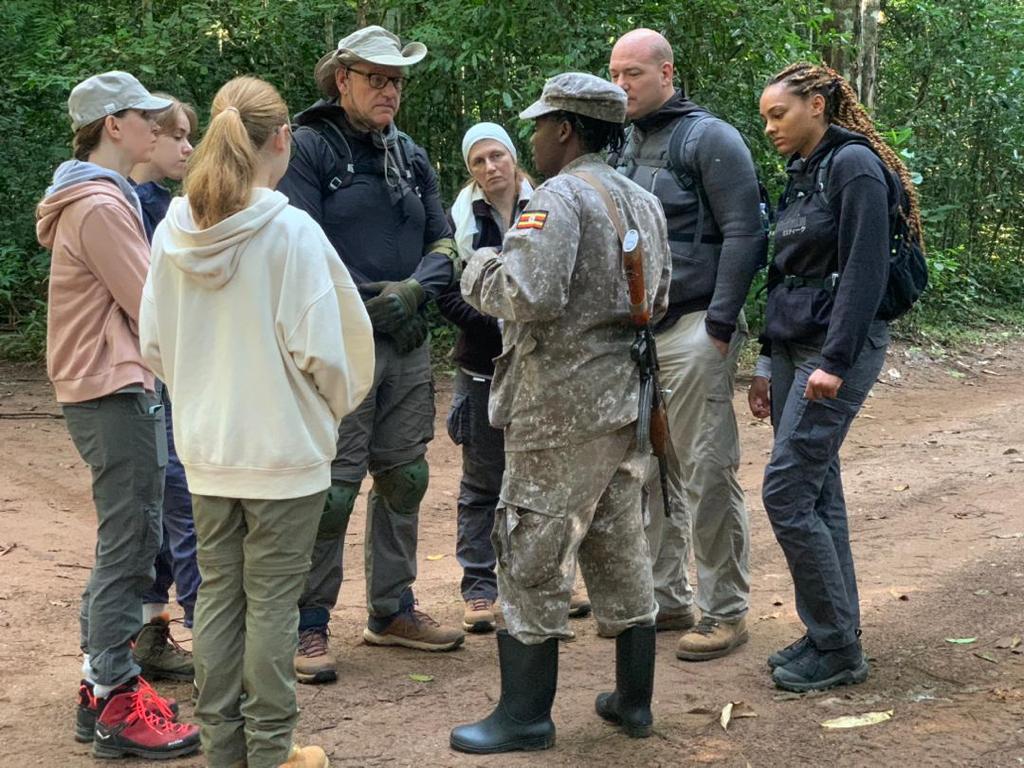
Walking Safari in Ruaha National Park
A walking safari in Ruaha National Park is one of the most relaxing and interactive tourist activities in Tanzania. It offers visitors an exciting opportunity to leave the safari vehicle behind and experience the African wilderness on foot. Unlike a traditional game drive, a walking safari allows travelers to connect closely with nature while exploring the park at a slower pace. Every step reveals something new, from fresh animal tracks and colorful birds to unique plants and breathtaking landscapes. This unforgettable adventure allows visitors to appreciate the beauty of Ruaha National Park from a completely different perspective.
Ruaha National Park is Tanzania’s largest national park and one of East Africa’s most spectacular wilderness destinations. It covers more than 20,000 square kilometers and protects an incredible diversity of wildlife, vegetation, rivers, and rocky landscapes. The park remains less crowded than many famous safari destinations, allowing visitors to enjoy peaceful and authentic wildlife experiences. A walking safari perfectly matches this quiet environment because it encourages travelers to observe nature without the noise of engines or large groups of tourists.
Professional guides lead every walking safari and share valuable knowledge about the park’s ecosystems, wildlife behavior, plant life, and conservation efforts. Armed park rangers also accompany visitors to ensure safety while exploring areas where wild animals roam freely. Their experience allows guests to enjoy every moment with confidence while learning about one of Tanzania’s richest ecosystems.
Walking through Ruaha creates memories that last a lifetime. Visitors hear birds singing, leaves rustling in the wind, insects buzzing, and distant animal calls. Every sound becomes part of the adventure. Every scent, footprint, and landscape tells a story about the wilderness. Adira Safaris Africa proudly recommends a walking safari in Ruaha National Park to travelers who wish to experience nature in its purest and most exciting form.
A Unique Way to Explore the African Wilderness
A walking safari offers an entirely different experience from driving through the park. Instead of observing wildlife from inside a vehicle, visitors become part of the environment while carefully walking along natural trails. This slower pace allows travelers to notice details that often remain hidden during game drives. Small plants, insects, butterflies, animal footprints, bird nests, and fascinating tree species become important highlights of the journey.
The guides explain how animals interact with their surroundings. They identify fresh footprints left by elephants, lions, leopards, buffaloes, giraffes, antelopes, and many other species. Visitors also learn how to recognize feeding signs, scratch marks on trees, broken branches, and animal droppings. These natural clues help guests understand the daily lives of wildlife within the park.
Walking safaris encourage visitors to use all their senses. They observe changing landscapes, listen carefully to bird calls, smell wild herbs growing along the trails, and feel the fresh breeze moving through the trees. This complete sensory experience creates a deeper appreciation of nature than many other safari activities.
The guides maintain a safe distance from wildlife while carefully selecting walking routes according to current animal movements. Their local knowledge allows visitors to enjoy remarkable wildlife encounters without disturbing the animals. This respectful approach supports responsible tourism while creating unforgettable experiences in one of Tanzania’s most beautiful national parks.
Discover Wildlife from a New Perspective
Walking safaris provide excellent opportunities to observe Ruaha’s remarkable wildlife from ground level. Although the activity focuses more on learning and exploration than searching for large animals, visitors regularly encounter many fascinating species during the walk. Every outing differs because wildlife moves freely throughout the park according to weather, food availability, and water sources.
Guests may observe giraffes browsing acacia trees, zebras grazing peacefully, impalas standing alert, warthogs searching for food, and elephants moving quietly through the bush. Buffaloes also inhabit many parts of the park, while smaller mammals such as dik-diks, mongoose, squirrels, and hares frequently appear along walking trails.
Birdlife adds excitement throughout the safari. Colorful bee-eaters, hornbills, kingfishers, eagles, rollers, weavers, and many other species fill the skies and forests with constant activity. Bird lovers often enjoy excellent photography opportunities because walking allows more time to observe behavior and identify different species.
Guides also introduce visitors to the smaller creatures that play important roles within the ecosystem. Termite mounds, beetles, butterflies, spiders, reptiles, frogs, and insects all contribute to the remarkable biodiversity of Ruaha National Park. These often-overlooked species become fascinating discoveries during a guided walking safari.
Although predators such as lions, leopards, and hyenas inhabit the park, guides always prioritize visitor safety by avoiding unnecessary risks. Every walk follows carefully planned routes that allow guests to enjoy the wilderness while remaining secure under professional supervision.
Learn About Nature and Conservation
One of the greatest benefits of a walking safari is the opportunity to learn directly from experienced guides. Their knowledge transforms every walk into an educational adventure that helps visitors understand the delicate balance of the natural environment. Instead of simply viewing wildlife, guests discover how every plant, insect, bird, and animal contributes to the health of the ecosystem.
Guides explain the importance of indigenous trees, medicinal plants, grasses, and shrubs found throughout Ruaha National Park. Visitors learn how local wildlife depends on different plant species for food, shelter, nesting sites, and protection from predators. They also discover how seasonal rainfall influences vegetation growth and animal movements.
Conservation remains an important part of every walking safari. Guides discuss ongoing efforts to protect endangered species, reduce human-wildlife conflict, prevent poaching, and preserve natural habitats for future generations. Visitors gain a greater appreciation for the challenges involved in managing one of Africa’s largest protected wilderness areas.
Learning continues throughout the journey as guides answer questions and share fascinating stories about animal behavior, migration patterns, breeding habits, and survival strategies. These personal interactions create memorable experiences while increasing awareness about wildlife conservation. Many visitors leave with a deeper understanding of nature and a stronger commitment to protecting Africa’s incredible biodiversity.
Experience the Peace and Beauty of Ruaha
Walking through Ruaha National Park allows visitors to experience the peaceful side of the African wilderness. Unlike busy safari destinations with many vehicles, Ruaha offers quiet surroundings where nature remains largely undisturbed. The absence of engine noise creates a calming atmosphere that encourages relaxation and reflection.
Every trail passes through beautiful landscapes that showcase the park’s remarkable diversity. Visitors walk beneath towering baobab trees, across open grasslands, through woodlands, beside seasonal rivers, and among rocky outcrops that define Ruaha’s unique scenery. The changing landscapes ensure that every walking safari offers fresh discoveries and breathtaking views.
Morning walks provide cool temperatures, soft sunlight, and active wildlife. The fresh air carries birdsong across the valleys while golden light creates perfect conditions for photography. Evening walks offer equally beautiful scenery as the setting sun paints the landscape with warm colors and wildlife prepares for the night.
Many visitors describe walking safaris as one of the most peaceful safari experiences available in Tanzania. The slow pace allows travelers to disconnect from daily routines and fully appreciate the beauty of the natural world. Every moment spent walking through Ruaha strengthens the connection between visitors and the environment surrounding them.
Safety During Walking Safaris
Safety remains the highest priority during every walking safari in Ruaha National Park. Professional guides and armed park rangers accompany every group from beginning to end. Their training and extensive field experience allow them to assess wildlife movements, select safe routes, and respond calmly to changing situations.
Before each walk begins, guides provide a detailed safety briefing. They explain how visitors should behave around wildlife, where to walk, when to remain quiet, and how to follow instructions throughout the safari. These simple guidelines help ensure that everyone enjoys a safe and rewarding experience.
Groups usually remain small, allowing guides to communicate easily with every participant while maintaining close supervision. The guides monitor animal behavior continuously and adjust the route whenever necessary to avoid unnecessary encounters with dangerous wildlife.
Visitors should wear comfortable walking shoes, lightweight clothing in natural colors, wide-brimmed hats, sunscreen, and carry drinking water. Binoculars and cameras also enhance the experience, allowing guests to observe birds and distant wildlife more closely.
Following guide instructions at all times allows visitors to explore the wilderness confidently while respecting the animals and their natural habitat. This careful approach makes walking safaris both exciting and safe for travelers of different ages and fitness levels.
Best Time for a Walking Safari in Ruaha National Park
Walking safaris take place throughout much of the year, although the dry season generally provides the best conditions. From June to October, temperatures remain comfortable during the morning hours, vegetation becomes less dense, and wildlife gathers near rivers and permanent water sources. These conditions improve wildlife viewing while making walking trails easier to navigate.
The green season, which follows the rains, transforms the park into a beautiful landscape filled with fresh vegetation, blooming flowers, and active birdlife. Bird watchers especially enjoy this period because migratory birds arrive, and many resident species begin nesting. Although taller grasses may reduce visibility in some areas, the scenery becomes exceptionally beautiful.
Morning walks usually provide the most enjoyable experience because temperatures remain cool and wildlife stays active after sunrise. Evening walks also offer pleasant conditions and spectacular sunset views across Ruaha’s open plains and rocky hills.
Visitors should choose their travel dates according to their personal interests. Wildlife enthusiasts often prefer the dry months, while photographers and bird lovers appreciate the vibrant colors of the green season. Regardless of the season, Ruaha National Park continues to offer memorable walking safari experiences throughout the year.
Why Choose a Walking Safari in Ruaha National Park?
A walking safari offers much more than wildlife viewing. It creates a personal connection with nature through direct observation, education, relaxation, and adventure. Visitors experience the African wilderness in a way that few other safari activities can provide. Every trail introduces new discoveries while encouraging a greater appreciation for Tanzania’s remarkable natural heritage.
Ruaha National Park provides the ideal setting because of its vast wilderness, rich biodiversity, peaceful atmosphere, and experienced guiding teams. The park’s remote location ensures fewer crowds, allowing visitors to enjoy authentic safari experiences surrounded by untouched landscapes.
Walking safaris also complement traditional game drives perfectly. Together, these activities provide a complete understanding of the park by combining broad wildlife viewing with close exploration of the smaller details that make the ecosystem function. Many travelers consider the walking safari the highlight of their visit because it offers unforgettable moments that cannot be experienced from inside a vehicle.
Conclusion
A walking safari in Ruaha National Park is one of Tanzania’s most relaxing and interactive tourist activities. It allows visitors to experience the African wilderness on foot while discovering wildlife, birds, plants, landscapes, and hidden natural treasures that often remain unnoticed during vehicle safaris. Every walk combines adventure, education, conservation, and peaceful exploration into one unforgettable experience.
Professional guides and armed park rangers ensure every safari remains both safe and informative. Their knowledge helps visitors understand the park’s remarkable biodiversity while creating meaningful connections with nature. Whether observing wildlife, identifying animal tracks, photographing scenic landscapes, or simply enjoying the peaceful sounds of the bush, every walking safari creates lasting memories.
For travelers seeking an authentic, immersive, and environmentally friendly safari experience, a walking safari in Ruaha National Park stands among Tanzania’s finest outdoor adventures. Adira Safaris Africa proudly recommends this exceptional activity to anyone wishing to discover the beauty, tranquility, and incredible wildlife of one of Africa’s greatest wilderness destinations.