

Walking Safari in Ruaha National Park
July 21, 2026
Hiking on Mount Meru
July 22, 2026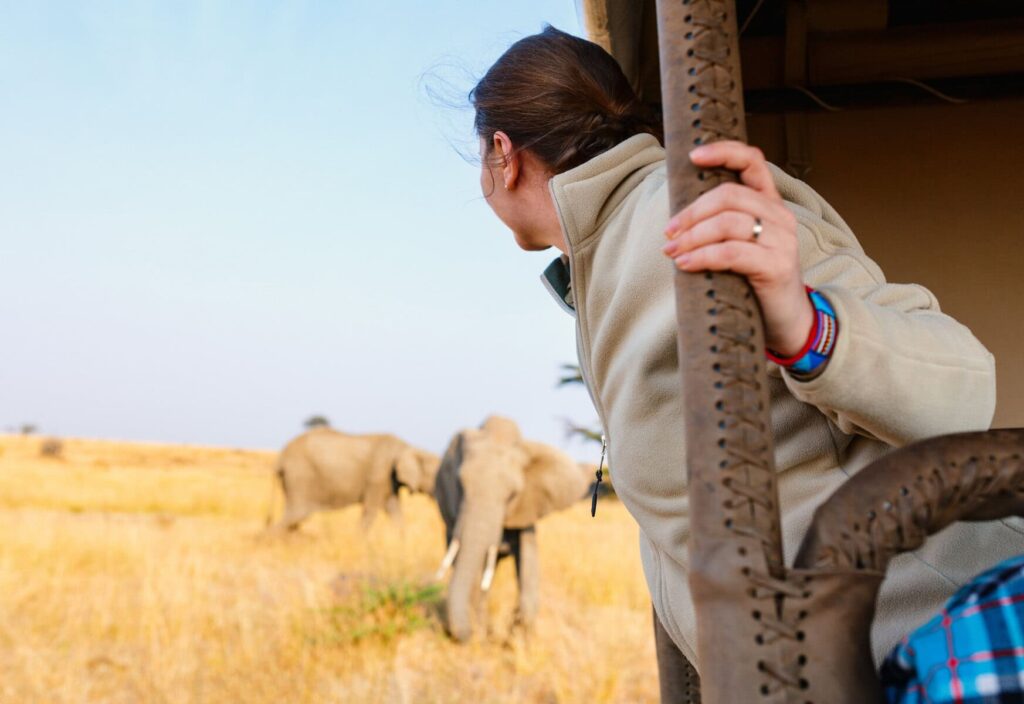
Walking Safari in Nyerere National Park
A walking safari in Nyerere National Park is one of the most relaxing tourist activities in Tanzania. It gives visitors the rare opportunity to explore the African wilderness on foot while enjoying close contact with nature. Unlike a traditional game drive, where travelers observe wildlife from inside a safari vehicle, a walking safari allows visitors to experience every detail of the surrounding environment. Every step introduces something new, from fresh animal tracks and colorful birds to towering trees, unique plants, and breathtaking landscapes. The slower pace creates a peaceful atmosphere that encourages visitors to appreciate the beauty of the park while learning about its remarkable ecosystem.
Nyerere National Park is the largest national park in Tanzania and one of the largest protected wildlife areas in Africa. The park covers more than 30,000 square kilometers and forms part of the famous Selous ecosystem. Its vast wilderness contains rivers, wetlands, woodlands, grasslands, forests, and open plains that support an incredible variety of wildlife. Because of its enormous size and relatively low number of visitors, the park offers a quiet and authentic safari experience. Walking through this untouched wilderness allows travelers to discover parts of nature that many visitors never experience during ordinary game drives.
Every walking safari takes place under the guidance of highly trained professional guides and armed park rangers. Their knowledge allows visitors to explore safely while learning about wildlife, plants, birds, insects, and conservation. They explain how animals survive in the wild, how different species interact, and why protecting these natural habitats remains important for future generations. Adira Safaris Africa proudly recommends a walking safari in Nyerere National Park to travelers who wish to enjoy a peaceful, educational, and unforgettable safari experience in one of Tanzania’s finest wilderness destinations.
Experience Nature at a Relaxing Pace
One of the greatest attractions of a walking safari in Nyerere National Park is the opportunity to experience nature at a calm and relaxing pace. Instead of quickly driving through the landscape, visitors move slowly along carefully selected trails that reveal the hidden beauty of the African bush. This slower style of exploration allows travelers to notice details that often remain unseen during vehicle safaris.
Professional guides encourage visitors to observe the environment using all their senses. Guests listen to birds singing high in the trees, hear insects buzzing through the grass, and enjoy the gentle sounds of leaves moving in the breeze. The fresh scent of wild plants and the peaceful atmosphere create an experience that feels completely different from modern city life.
The relaxed pace also provides excellent opportunities for photography. Visitors have enough time to capture landscapes, wildlife, birds, flowers, insects, and fascinating natural features without feeling rushed. Every stop becomes an opportunity to learn something new about the environment.
Walking through Nyerere National Park also allows travelers to appreciate the remarkable diversity of its habitats. The trails pass through open woodlands, riverbanks, grasslands, forests, and wetlands that support countless species of wildlife. Every habitat offers unique scenery and exciting discoveries. This combination of relaxation, learning, and exploration makes walking safaris one of the most rewarding activities available in the park.
Discover Wildlife from Ground Level
Walking safaris allow visitors to observe wildlife from a completely different perspective. Instead of viewing animals from inside a safari vehicle, guests experience the wilderness at ground level while maintaining a safe distance from wildlife. This creates a stronger connection with nature and provides unforgettable memories throughout the journey.
Nyerere National Park supports an impressive variety of mammals that visitors may encounter during guided walks. Common sightings include giraffes, zebras, impalas, waterbucks, bushbucks, warthogs, baboons, vervet monkeys, and buffaloes. Elephants often move through the woodlands and river valleys, while smaller mammals such as mongoose, squirrels, dik-diks, and hares frequently appear along walking trails.
The guides carefully monitor wildlife activity throughout the safari. They explain animal behavior, feeding habits, social interactions, and survival strategies while ensuring visitors remain safe. Every animal encounter becomes both exciting and educational because guests gain valuable knowledge directly from experienced professionals.
Although large predators such as lions, leopards, spotted hyenas, and African wild dogs inhabit the park, walking safaris always follow carefully planned routes that prioritize visitor safety. Guides continuously assess wildlife movements before selecting the day’s walking trail. Their experience allows guests to enjoy authentic wilderness experiences while avoiding unnecessary risks.
Every walk offers different wildlife encounters because animals move freely throughout the park according to seasons, food availability, and water sources. This natural unpredictability makes every walking safari unique and memorable.
Learn About Animal Tracks and Bush Skills
One of the most fascinating parts of a walking safari is learning how to interpret the signs that animals leave behind. Professional guides possess remarkable tracking skills developed through years of experience in the African wilderness. They teach visitors how to identify fresh footprints, feeding areas, sleeping sites, scratch marks, broken branches, and animal droppings.
Every footprint tells a story. Guides explain whether the tracks belong to elephants, lions, buffaloes, giraffes, antelopes, or smaller mammals. They estimate how recently the animals passed through the area and describe what the wildlife may have been doing at that time. These tracking skills transform every walk into an exciting wildlife investigation.
Visitors also discover how different plants support wildlife. Some trees provide food while others offer shelter or nesting sites. Certain plants contain medicinal properties that local communities have used for generations. Learning about these natural relationships helps visitors understand how every species contributes to the health of the ecosystem.
Bush survival skills also form part of many walking safaris. Guides explain how wildlife finds water during dry seasons, how animals avoid predators, and how different species communicate using sounds, scents, and body language. These educational experiences make the safari much more meaningful than simply observing animals from a distance.
Bird Watching During Walking Safaris
Walking safaris provide outstanding opportunities for bird watching because visitors move quietly through habitats where birds remain active throughout the day. Nyerere National Park supports more than 440 bird species, making it one of Tanzania’s leading birding destinations.
Colorful kingfishers hunt along rivers while fish eagles soar above wetlands searching for prey. Bee-eaters, rollers, hornbills, herons, storks, weavers, barbets, woodpeckers, and numerous water birds add excitement throughout every walking safari. Visitors often observe bird behavior more closely because the quiet approach causes less disturbance than vehicles.
Professional guides help identify different species by their colors, calls, flight patterns, and feeding habits. They explain how birds contribute to the ecosystem through seed dispersal, insect control, and pollination. Bird lovers appreciate the opportunity to observe species that often remain hidden from busy safari routes.
Morning walks usually provide the best bird-watching conditions because many species become highly active shortly after sunrise. The cool temperatures also create comfortable walking conditions while offering excellent lighting for photography. Every habitat introduces different bird communities, making each section of the walk exciting for bird enthusiasts.
Whether visitors are experienced birders or simply enjoy observing nature, the remarkable birdlife of Nyerere National Park adds another unforgettable dimension to every walking safari.
Explore the Beautiful Landscapes of Nyerere National Park
The stunning landscapes of Nyerere National Park create one of the most rewarding aspects of a walking safari. The park contains remarkable natural diversity that changes continuously throughout the journey. Visitors explore open savannahs, miombo woodlands, dense forests, wetlands, seasonal floodplains, and riverbanks that support rich biodiversity.
Many walking trails pass near the famous Rufiji River and its surrounding floodplains. These fertile areas attract numerous animals and birds while providing spectacular scenery throughout the year. Large baobab trees stand proudly across the landscape and create some of the park’s most recognizable landmarks.
The peaceful surroundings allow visitors to fully appreciate the beauty of untouched African wilderness. Without engine noise, travelers hear only the natural sounds of birds, insects, flowing water, and distant wildlife. This quiet atmosphere creates a strong connection with nature that many visitors describe as the highlight of their safari.
The changing seasons also transform the scenery. During the dry months, golden grasslands stretch across the horizon while wildlife gathers near permanent water sources. The green season brings lush vegetation, blooming flowers, flowing streams, and vibrant colors that create spectacular photographic opportunities.
Every landscape tells part of the story of this remarkable ecosystem. Walking through these diverse environments provides visitors with unforgettable experiences while showcasing the extraordinary natural beauty of Tanzania.
Conservation and Environmental Education
Walking safaris offer excellent opportunities to learn about wildlife conservation and environmental protection. Professional guides explain how national parks preserve important habitats for endangered species while supporting biodiversity across Tanzania.
Visitors learn about conservation challenges such as habitat loss, poaching, climate change, and human-wildlife conflict. The guides also describe successful conservation programs that protect elephants, African wild dogs, lions, buffaloes, and many other species found within Nyerere National Park.
Environmental education continues throughout the walk as visitors discover how healthy ecosystems depend upon balanced relationships between plants, animals, insects, birds, rivers, and forests. Every species plays an important role within the natural environment.
Walking safaris encourage responsible tourism because they create greater appreciation for nature while minimizing environmental impact. Visitors often leave with a deeper understanding of why protecting Africa’s wilderness remains essential for future generations.
Best Time for a Walking Safari in Nyerere National Park
Walking safaris remain enjoyable throughout much of the year, although the dry season offers the best overall conditions. From June to October, cooler temperatures, shorter grass, and reduced vegetation improve wildlife viewing while making walking trails easier to navigate. Animals gather around rivers and waterholes, increasing opportunities for memorable wildlife encounters.
The green season transforms the park into a lush paradise filled with colorful vegetation, flowering plants, and abundant birdlife. Bird watchers especially appreciate this period because migratory birds arrive while many resident species begin breeding. Although occasional rainfall may affect trail conditions, the scenery becomes exceptionally beautiful.
Morning walks remain the most popular because temperatures stay cool and wildlife remains active. Evening walks also provide excellent opportunities to enjoy peaceful landscapes and beautiful African sunsets.
Conclusion
A walking safari in Nyerere National Park is one of Tanzania’s most relaxing tourist activities. It allows visitors to explore the African wilderness on foot while enjoying close encounters with nature, learning about wildlife, and experiencing the peaceful beauty of one of Africa’s largest national parks. Every walk combines adventure, education, conservation, photography, and relaxation into one unforgettable experience.
Professional guides and armed park rangers ensure every safari remains safe, informative, and enjoyable. Their knowledge helps visitors understand animal behavior, birdlife, plant species, ecosystems, and conservation efforts while creating meaningful connections with the natural world.
For travelers seeking an authentic safari beyond traditional game drives, a walking safari offers one of the most rewarding experiences available in Tanzania. The peaceful atmosphere, breathtaking landscapes, remarkable wildlife, and educational opportunities make this activity an essential part of any visit to Nyerere National Park.
Adira Safaris Africa proudly recommends a walking safari in Nyerere National Park to anyone wishing to discover Tanzania’s wilderness through a relaxing, immersive, and unforgettable adventure.