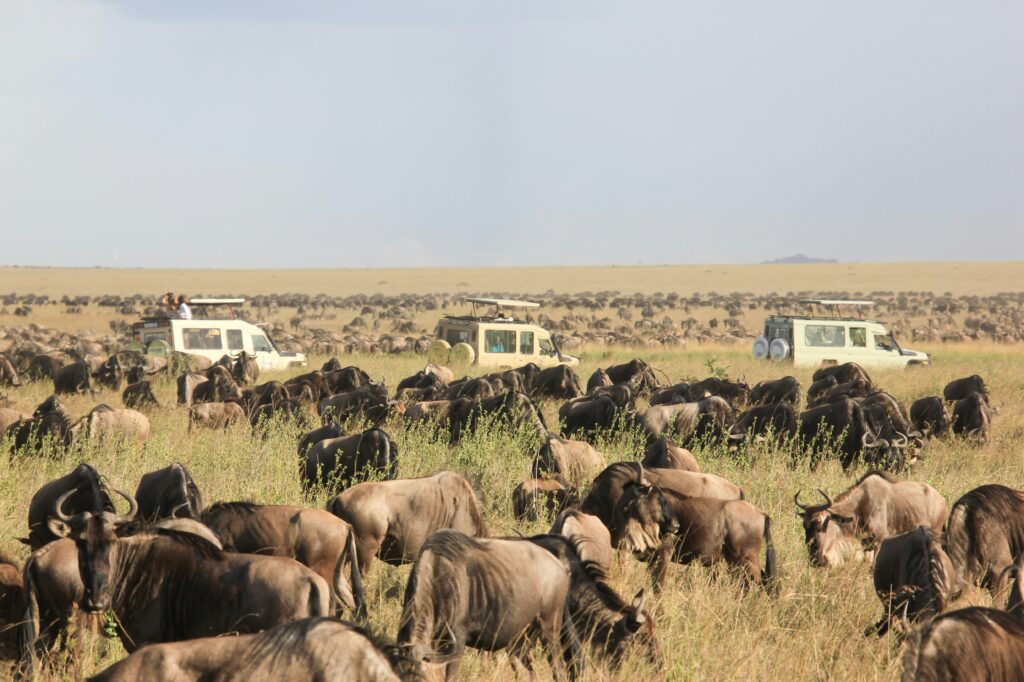


Maasai Cattle in Amboseli National Park
June 12, 2026
Lugard’s Falls
June 13, 2026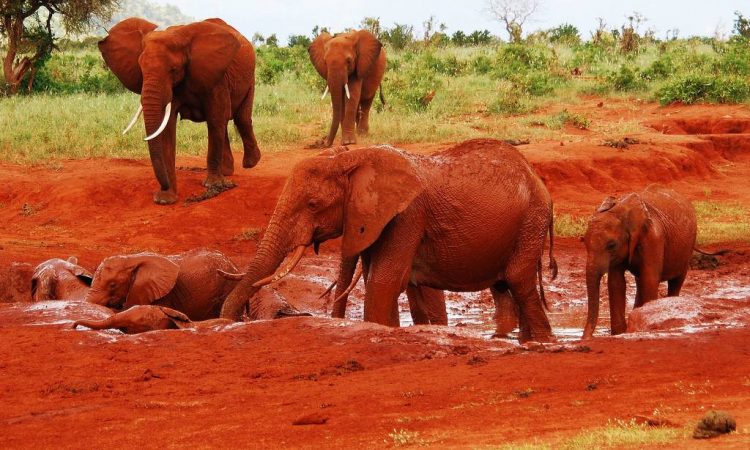
Tsavo Red Dust
Tsavo Red Dust stands as one of the most recognizable features of Kenya’s wild landscapes. It is more than just soil. It is a defining characteristic that gives the Tsavo ecosystem its unique identity. Visitors from around the world often associate Tsavo with vast wilderness, large elephant herds, and the famous red dust that covers the plains. This remarkable natural feature creates unforgettable safari experiences and stunning photographic opportunities.
The red dust of Tsavo originates from the region’s rich red volcanic soils. Over thousands of years, weathering processes transformed volcanic rock into the distinctive reddish earth that now blankets much of the landscape. During dry seasons, safari vehicles move through clouds of this fine dust, creating dramatic scenes against the backdrop of acacia trees, rolling savannahs, and distant hills.
For tourists, the sight of elephants coated in red dust remains one of the most memorable experiences in Kenya. These magnificent animals often throw the dust over their bodies as a natural way of protecting their skin from insects, parasites, and the intense African sun. The result is an extraordinary visual spectacle that has become synonymous with Tsavo National Park.
The beauty of Tsavo Red Dust goes beyond its appearance. It tells the story of the region’s geological history, wildlife adaptations, and ecological importance. Visitors who explore Tsavo discover a landscape unlike any other in East Africa. The red earth creates a dramatic contrast with the blue sky, green vegetation during rainy seasons, and the diverse wildlife that inhabits this vast protected area.
As one of Kenya’s largest and most iconic safari destinations, Tsavo offers travelers a chance to witness nature in its rawest form. The red dust serves as a constant reminder of the park’s unique character and enduring appeal.
The Geological Origins of Tsavo Red Dust
The striking red color that defines Tsavo’s landscape comes from its volcanic origins. Millions of years ago, volcanic activity shaped much of the region. Lava flows and volcanic deposits spread across the area, forming the foundation of the soils that exist today. Over time, natural weathering processes broke down these rocks into fine particles rich in iron minerals.
Iron plays a crucial role in creating the famous red coloration. When iron-rich minerals interact with oxygen and moisture, they oxidize and develop a reddish hue. This process is similar to how metal rusts when exposed to the elements. The result is the vibrant red soil that covers large sections of Tsavo National Park.
The climate also contributes to the formation and preservation of these soils. Tsavo experiences long dry periods combined with seasonal rainfall. These conditions support the continued weathering of rocks while maintaining the rich color of the landscape. During dry months, the fine soil particles become loose and easily lifted by wind or passing animals, creating the dust clouds that visitors often observe.
The red earth is not merely a visual attraction. It supports various plant species adapted to the semi-arid environment. These plants form the foundation of the ecosystem and provide food and shelter for numerous animals. The soil influences vegetation patterns, water retention, and nutrient availability throughout the park.
For visitors interested in geology and natural history, Tsavo Red Dust offers a fascinating glimpse into the forces that have shaped East Africa over millions of years. Every handful of soil tells a story of volcanic eruptions, climatic changes, and ecological evolution. Understanding these origins adds a deeper appreciation to any safari experience in Tsavo.
Why Tsavo Red Dust Creates a Unique Safari Experience
Few safari destinations in Africa offer scenery as distinctive as Tsavo. The red dust transforms ordinary wildlife encounters into extraordinary moments. It creates dramatic visual effects that make every game drive memorable and every photograph stand out.
One of the most iconic images associated with Tsavo is that of elephants covered in red dust. After bathing or rolling in the soil, these giants appear almost red in color. Their unique appearance has earned them the nickname “Red Elephants of Tsavo.” Tourists often travel specifically to witness this remarkable phenomenon.
The dust also adds a sense of adventure to safari journeys. As vehicles travel across the park, red clouds rise behind them, creating scenes that feel timeless and untouched. The landscape seems to stretch endlessly, offering visitors a genuine wilderness experience far from crowded tourist destinations.
Photographers particularly appreciate the beauty of Tsavo Red Dust. During sunrise and sunset, the warm light enhances the rich red tones of the earth. Dust particles suspended in the air catch the sunlight and create golden glows that add depth and drama to wildlife images. Every game drive becomes an opportunity to capture spectacular photographs.
Beyond its visual appeal, the red dust contributes to the atmosphere of Tsavo. It reminds visitors that they are exploring one of Africa’s last great wilderness areas. The rugged terrain, expansive horizons, and unique soil create a sense of authenticity that many travelers seek when visiting Kenya.
For tourists, Tsavo Red Dust is more than a landscape feature. It becomes part of the safari story. It appears in photographs, memories, and conversations long after the journey ends. Its presence helps define the character of Tsavo and sets it apart from other wildlife destinations across Africa.
Wildlife Interactions with Tsavo Red Dust
Wildlife in Tsavo has adapted remarkably to the region’s unique environment. The red dust plays an important role in the daily lives of many animal species. From elephants and buffaloes to smaller mammals and birds, numerous creatures interact with the soil in ways that support their survival.
Elephants provide the most famous example. After bathing in waterholes or mud pools, they often throw red dust over their wet skin. This behavior creates a protective layer that shields them from insect bites and harsh sunlight. The dust also helps regulate body temperature and maintain healthy skin.
Buffaloes frequently roll in dusty areas for similar reasons. Dust baths help remove parasites and provide relief from insects. Many antelope species also engage in dust-bathing behaviors, especially during dry seasons when water becomes less available.
Birds take advantage of the red soil as well. Some species use dust baths to maintain their feathers and remove excess oils. Others search the ground for insects and seeds hidden within the soil. The dust-rich environment supports a variety of ecological interactions that contribute to the health of the ecosystem.
Predators such as lions and cheetahs benefit indirectly from the landscape. The open terrain allows them to spot prey more easily. At the same time, the dusty conditions create opportunities for stealth and camouflage during hunts.
The connection between wildlife and Tsavo Red Dust demonstrates the intricate relationships that exist within nature. Every species depends on the environment in different ways. The red soil supports these relationships and contributes to the biodiversity that makes Tsavo one of Kenya’s most important conservation areas.
Visitors who understand these ecological connections gain a richer safari experience. They begin to see the red dust not just as a visual attraction but as an essential element of the park’s natural systems.
Best Time to Experience Tsavo Red Dust
Tourists can observe Tsavo Red Dust throughout the year, but certain seasons offer especially dramatic experiences. The dry seasons typically provide the best conditions for witnessing the full beauty of this natural phenomenon.
During dry months, vegetation becomes less dense, and wildlife gathers around remaining water sources. The loose soil creates larger dust clouds as animals move across the plains. Visitors often see elephants, buffaloes, and zebras walking through red dust illuminated by morning or evening sunlight.
Early morning game drives offer exceptional viewing opportunities. Cooler temperatures encourage wildlife activity, while soft sunlight enhances the rich colors of the landscape. Dust particles suspended in the air create magical scenes that photographers treasure.
Late afternoon and sunset drives are equally rewarding. The golden light combines with the red earth to produce breathtaking scenery. Wildlife silhouettes against dusty horizons create unforgettable images that capture the essence of Tsavo.
The rainy seasons bring a different perspective. Vegetation becomes greener, and the landscape appears more vibrant. While dust levels decrease, visitors can appreciate the striking contrast between the red soil and fresh plant growth. This period highlights the resilience and beauty of the ecosystem.
Regardless of the season, Tsavo remains a remarkable destination for nature enthusiasts. Each visit offers unique experiences shaped by weather patterns, wildlife movements, and changing environmental conditions.
Conclusion
Tsavo Red Dust represents one of Kenya’s most iconic natural features. Its rich color, geological significance, and connection to wildlife create an experience unlike any other safari destination. The famous red earth shapes the landscape, supports biodiversity, and contributes to the park’s global reputation.
Visitors who explore Tsavo encounter more than just wildlife. They discover a wilderness defined by dramatic scenery, fascinating ecological relationships, and unforgettable moments. From the legendary red elephants to breathtaking sunsets over dusty plains, every aspect of the park reflects the influence of its distinctive soil.
For photographers, nature lovers, and adventure seekers, Tsavo Red Dust offers endless opportunities for exploration and discovery. It transforms ordinary safari experiences into extraordinary memories. The sight of wildlife moving through clouds of red dust remains one of Africa’s most captivating spectacles.
A journey to Tsavo is a journey into one of Kenya’s most authentic wilderness areas. The red dust serves as both a symbol and a storyteller, revealing the history, beauty, and resilience of this remarkable ecosystem. Every visitor leaves with a deeper appreciation for the natural wonders that make Tsavo truly unique.