

Tree Hyrax in Aberdare National Park
June 15, 2026
Zebra Burchell’s Hybrid Zone
June 15, 2026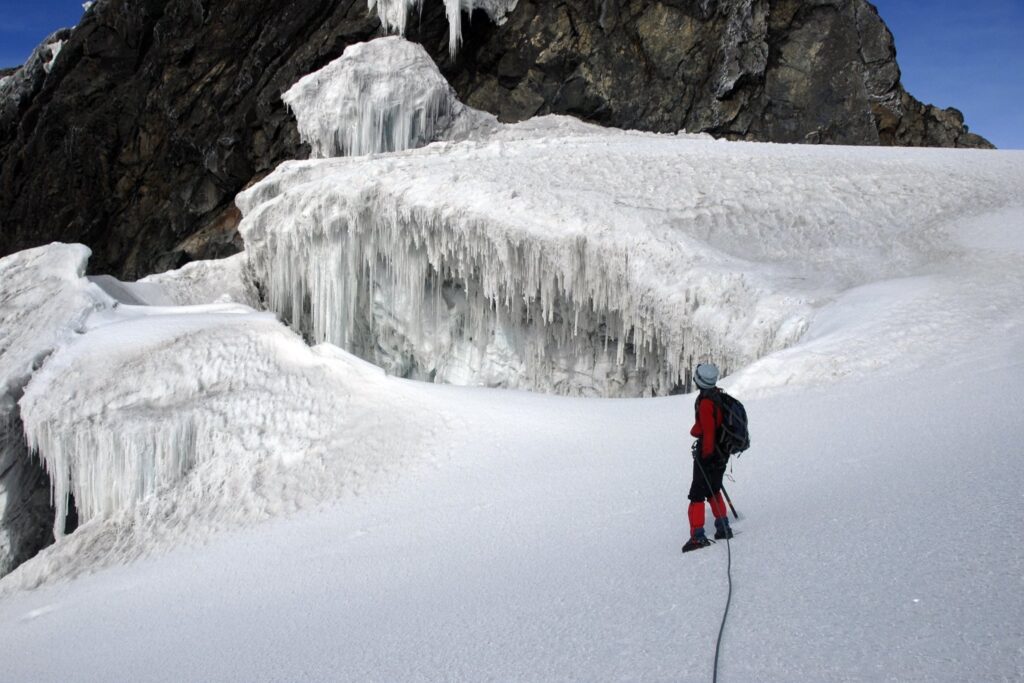
Equatorial Snow at 0 Degrees Latitude
Equatorial snow at 0 degrees latitude ranks among the most extraordinary natural phenomena on Earth. Many people associate snow and glaciers with polar regions, distant mountain ranges, and countries that experience cold winters. However, a remarkable exception exists along the equator, where permanent snow and ice continue to survive despite the region’s tropical location. This rare phenomenon fascinates travelers, geographers, nature enthusiasts, photographers, and adventure seekers from around the world.
The presence of snow at the equator creates a striking contrast that challenges common expectations about climate and geography. Visitors often find it difficult to imagine snow-covered peaks rising above landscapes that experience warm temperatures throughout much of the year. Yet this incredible sight exists and remains one of the most unique attractions in East Africa. The combination of tropical vegetation, diverse wildlife, and snow-capped mountain peaks creates scenery that few places on Earth can match.
The equatorial snow attracts visitors because it represents a rare meeting point between two seemingly opposite environments. On one hand, the equator receives direct sunlight throughout the year. On the other hand, high mountain elevations create temperatures cold enough to sustain snow and ice. This combination produces a natural wonder that continues to amaze scientists and tourists alike.
For travelers seeking unique experiences, equatorial snow offers an opportunity to witness one of nature’s greatest contrasts. It serves as a reminder that geography can create extraordinary environments even in places where they appear impossible. The sight of snow resting on mountains located at 0 degrees latitude leaves a lasting impression and becomes a highlight of many East African adventures.
Understanding the Presence of Snow on the Equator
Many people wonder how snow can exist on the equator when the region receives intense sunlight throughout the year. The answer lies in altitude rather than latitude. As elevation increases, temperatures decrease significantly. High mountain peaks can remain cold enough to support snow and glaciers even when they rise within tropical regions.
Mountains located near the equator reach elevations that extend far above the warmer air found at lower altitudes. At these heights, temperatures often fall below freezing, especially during the night. Snow accumulates in these cold environments and may remain throughout the year when conditions allow. This process creates permanent ice fields and glaciers that stand in sharp contrast to the warm landscapes below.
The phenomenon demonstrates the powerful influence of altitude on climate. A traveler can experience different climatic zones within a relatively short distance. The journey may begin in warm lowland areas before passing through forests, alpine vegetation zones, and eventually reaching snowy mountain environments. This dramatic transition creates one of the most fascinating natural experiences available to visitors.
Equatorial snow also serves as an important scientific resource. Researchers study these glaciers to understand climate patterns, environmental change, and long-term weather trends. The snow and ice preserve valuable information about historical climatic conditions, making them important indicators of environmental health.
For tourists, the scientific significance adds another layer of interest to an already spectacular attraction. The opportunity to see snow on the equator combines education, adventure, and natural beauty in a single unforgettable experience.
Why Equatorial Snow Is a Unique Tourist Attraction
Equatorial snow attracts visitors because it offers a rare and unexpected sight. Few destinations in the world allow travelers to stand near the equator while observing snow-covered mountain peaks. This unusual combination creates a powerful sense of wonder and curiosity.
Tourists often visit specifically to witness the contrast between tropical landscapes and icy summits. The visual experience remains unforgettable. Lush vegetation thrives at lower elevations while snow and glaciers crown the highest peaks. This dramatic scenery creates stunning photographic opportunities that appeal to both amateur and professional photographers.
Adventure seekers also find equatorial snow particularly attractive. Reaching the snowy regions often requires trekking through diverse ecosystems. Visitors experience changing landscapes and climatic conditions as they ascend the mountain. Each stage of the journey reveals new natural features and breathtaking views.
Nature enthusiasts appreciate the ecological diversity associated with equatorial mountains. These regions support unique plant and animal species adapted to different altitude zones. The combination of biodiversity and dramatic scenery enhances the visitor experience and creates opportunities for exploration and discovery.
The rarity of the phenomenon increases its appeal. Most travelers never expect to encounter snow while visiting equatorial regions. This surprise factor makes the experience even more memorable. Many visitors describe equatorial snow as one of the most remarkable natural wonders they have ever witnessed.
The attraction also inspires a deeper appreciation for Earth’s geographical diversity. It demonstrates how elevation can shape environments in unexpected ways and create extraordinary landscapes that challenge common assumptions about climate.
The Spectacular Landscape Surrounding Equatorial Snow
The areas surrounding equatorial snow offer some of the most beautiful mountain scenery in Africa. Visitors encounter a variety of landscapes as they travel toward the snow-capped peaks. Each elevation zone presents distinct environmental characteristics that contribute to the overall experience.
Lower slopes often feature rich forests filled with diverse plant and animal life. These forests create a vibrant contrast with the icy conditions found higher on the mountain. As visitors ascend, vegetation gradually changes. Forests give way to bamboo zones, alpine meadows, giant lobelias, and giant groundsels that thrive in high-altitude environments.
The transition between ecological zones creates spectacular scenery. Mountain ridges, valleys, rivers, waterfalls, and rocky outcrops combine to form breathtaking landscapes. Clouds frequently drift across the slopes, adding a dramatic atmosphere that enhances the beauty of the region.
The snow-covered peaks dominate the horizon and provide a stunning focal point for visitors. On clear days, sunlight reflects off the snow and ice, creating brilliant views visible from great distances. Sunrise and sunset often produce especially beautiful scenes as changing light transforms the mountain landscape.
Photographers find endless opportunities to capture memorable images. The combination of snow, vegetation, wildlife, and dramatic mountain terrain creates unique compositions that cannot be replicated elsewhere. Every season brings different conditions that influence the appearance of the landscape and provide fresh perspectives for visitors.
The surrounding environment contributes significantly to the attraction of equatorial snow. Visitors enjoy not only the snow itself but also the remarkable journey through one of Africa’s most diverse and visually stunning mountain ecosystems.
The Scientific Importance of Equatorial Snow
Equatorial snow holds great scientific value because it provides insights into climate patterns and environmental change. Scientists study these glaciers and snowfields to understand how global climate systems affect high-altitude environments. The information collected helps researchers track long-term environmental trends and predict future changes.
Glaciers act as natural archives that preserve evidence of past climatic conditions. Layers of ice contain valuable data about temperature, precipitation, and atmospheric composition over many years. Researchers analyze this information to improve understanding of historical climate variations.
The study of equatorial snow also highlights the effects of global warming. Many tropical glaciers have experienced significant reductions in size during recent decades. Scientists monitor these changes closely because they provide visible evidence of environmental shifts occurring around the world.
Visitors often develop a greater appreciation for environmental conservation after learning about the scientific importance of equatorial snow. The attraction serves as both a natural wonder and an educational resource. It encourages awareness of climate-related challenges while showcasing the beauty of fragile mountain ecosystems.
Educational tourism continues to grow as more travelers seek meaningful experiences that combine adventure with learning. Equatorial snow provides an excellent opportunity to explore scientific concepts within a spectacular natural setting. This combination enhances the overall value of the visitor experience.
The preservation of these snowfields remains important for future generations. Conservation efforts help protect mountain ecosystems and support ongoing scientific research that benefits communities worldwide.
Best Time to Experience Equatorial Snow
Visitors can enjoy views of equatorial snow throughout the year because the snow remains present on the highest peaks. However, weather conditions influence visibility and overall travel experiences. Understanding seasonal patterns helps travelers plan successful visits.
Dry seasons often provide the clearest views. Reduced cloud cover improves visibility and allows visitors to appreciate the full beauty of the snow-capped mountains. These conditions also create favorable opportunities for photography and outdoor activities.
Rainy seasons bring a different type of beauty. Increased moisture enhances the appearance of vegetation and contributes to dramatic cloud formations around the peaks. Although visibility may vary, the landscape often appears exceptionally lush and vibrant during these periods.
Morning hours frequently offer the best viewing conditions. Clear skies often reveal stunning panoramas before clouds develop later in the day. Early starts also allow visitors to enjoy cooler temperatures during mountain excursions.
Travelers should prepare for changing weather regardless of the season. High-altitude environments can experience rapid shifts in temperature and conditions. Proper clothing and equipment ensure comfort and safety while exploring mountain regions.
With good planning, visitors can enjoy unforgettable encounters with one of the world’s most unusual natural attractions. Every season offers unique experiences that highlight different aspects of the mountain environment.
Conservation and the Future of Equatorial Snow
Conservation plays a critical role in protecting equatorial snow and the ecosystems that surround it. Environmental changes threaten many high-altitude glaciers around the world. Continued efforts to preserve mountain environments help maintain these remarkable natural features.
Protected areas provide important safeguards for mountain ecosystems. Conservation initiatives support biodiversity, scientific research, and sustainable tourism. These efforts help ensure that future generations can continue to experience the wonder of snow at the equator.
Tourism can contribute positively to conservation when managed responsibly. Visitors who support sustainable travel practices help generate resources for environmental protection. Education and awareness also encourage stronger commitment to preserving natural heritage.
Researchers, conservation organizations, local communities, and tourism stakeholders all play important roles in safeguarding these unique environments. Their combined efforts support long-term protection and promote responsible use of natural resources.
The future of equatorial snow depends on continued conservation action and global awareness. Protecting these rare landscapes remains essential for maintaining their ecological, scientific, and tourism value.
Conclusion
Equatorial snow at 0 degrees latitude stands among the most extraordinary natural wonders on Earth. The presence of permanent snow in a tropical region creates a remarkable contrast that attracts visitors from across the globe. Its beauty, rarity, scientific importance, and breathtaking surroundings make it one of the most fascinating attractions in East Africa.
The sight of snow-covered peaks rising above equatorial landscapes challenges expectations and inspires admiration for the diversity of nature. Visitors enjoy unforgettable experiences as they explore mountain ecosystems, witness stunning scenery, and learn about the environmental significance of these unique glaciers.
Adira Safaris Africa invites travelers to discover the wonder of equatorial snow and experience one of the world’s most remarkable geographical phenomena. This extraordinary attraction offers a perfect combination of adventure, education, natural beauty, and unforgettable memories in the heart of Africa.