
Lake Victoria in Tanzania
August 1, 2026
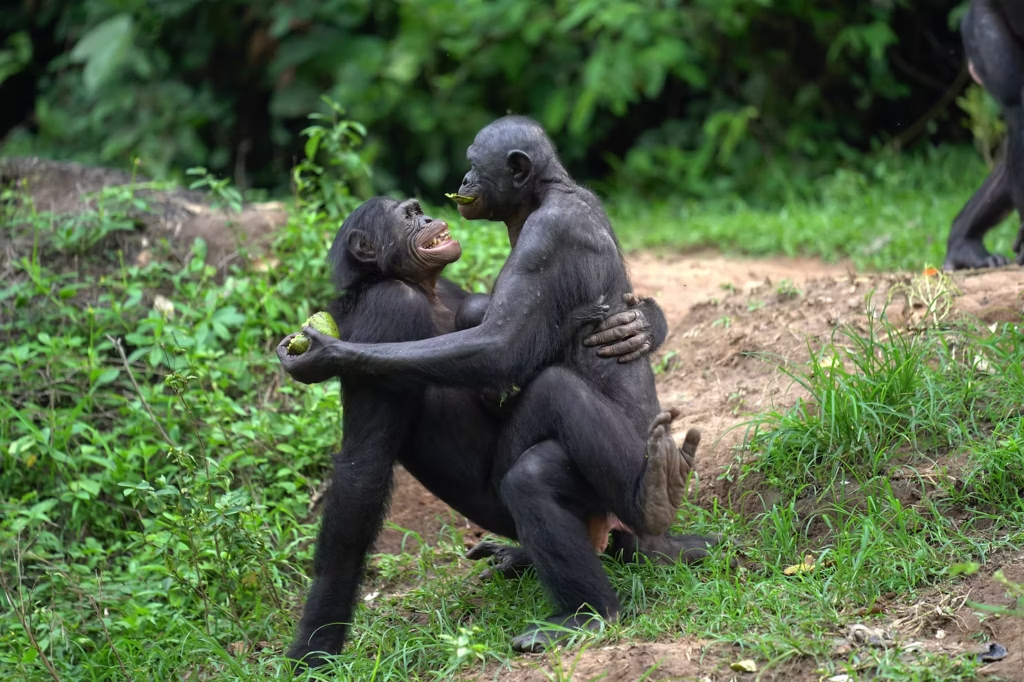
Gombe Stream Research Center
August 2, 2026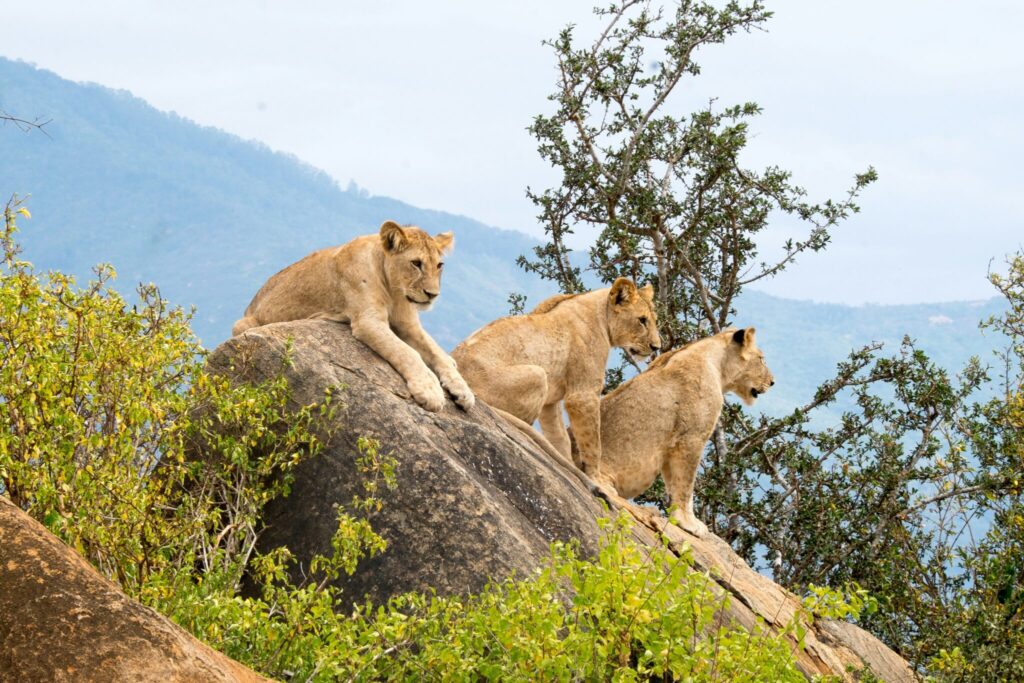
Tree Climbing Lions in Lake Manyara National Park
Tree climbing lions are among the most famous attractions in Lake Manyara National Park. They have made the park one of the most visited wildlife destinations in Tanzania. While lions normally spend most of their time on the ground, the lions of Lake Manyara often climb and rest in large trees. This rare behavior fascinates visitors from around the world. Seeing a fully grown lion relaxing on a tree branch creates a memorable safari experience that few destinations can offer.
Lake Manyara National Park lies at the base of the Great Rift Valley escarpment in northern Tanzania. Although it is one of Tanzania’s smaller national parks, it offers exceptional wildlife viewing and breathtaking scenery. The park stretches from the dramatic escarpment to the shores of the alkaline Lake Manyara. Dense groundwater forests, open grasslands, acacia woodlands, swamps, and the lake itself create diverse habitats that support a rich variety of wildlife.
The tree climbing lions have become the park’s signature attraction. Visitors often arrive with the hope of spotting these unique predators resting among the branches of giant acacia and sausage trees. The sight is unlike the traditional image of lions lying in the grass. Instead, these majestic cats stretch across thick branches several meters above the ground, creating incredible opportunities for wildlife photography.
A safari to Lake Manyara offers much more than simply seeing lions. The experience combines spectacular landscapes, abundant wildlife, hundreds of bird species, and peaceful surroundings. However, the tree climbing lions remain the highlight for many travelers. They give visitors a rare chance to witness one of nature’s most unusual wildlife behaviors in its natural environment.
Why Are the Tree Climbing Lions So Special?
Tree climbing lions are extremely rare in Africa. Most lion populations spend nearly all their lives on the ground. Only a few regions have lions that regularly climb trees, making Lake Manyara National Park one of the best places to witness this remarkable behavior.
Researchers have studied these lions for many years. Although there is no single explanation, several factors seem to encourage them to climb. One common reason is comfort. The branches provide cool shade during the hottest hours of the day. The elevated position also catches refreshing breezes, making it more comfortable than resting on the warm ground.
Another reason involves insects. During certain seasons, biting flies become common in the grasslands. Climbing into the trees helps the lions avoid these pests while they rest. The branches also offer a peaceful place where the lions can sleep without constant disturbance.
The elevated position gives the lions an excellent view of their surroundings. From the branches, they can observe herds of buffalo, zebras, wildebeests, and antelopes moving across the plains. Although lions usually hunt from the ground, this high vantage point allows them to monitor potential prey while conserving energy.
Tree climbing also demonstrates the lions’ remarkable strength and agility. Adult males can weigh more than 200 kilograms, yet they climb surprisingly well. Watching such powerful animals balance comfortably on tree branches surprises many first-time visitors. Their confidence in the trees reflects years of adapting to the local environment.
This unusual behavior has helped Lake Manyara gain international recognition. Wildlife photographers, researchers, and safari enthusiasts travel to the park specifically to witness these famous lions. Their uniqueness continues to make the destination one of Tanzania’s most rewarding safari experiences.
Where Can Visitors Find the Tree Climbing Lions?
The tree climbing lions mainly inhabit the acacia woodlands and open forested areas of Lake Manyara National Park. Rangers and experienced safari guides know the territories where these lions frequently spend their time. Although wildlife sightings can never be guaranteed, visitors have a good chance of finding them during a guided game drive.
The lions often choose large acacia trees because their broad branches provide strong support. Sausage trees are another favorite resting place. These trees allow several lions to relax together while enjoying shade and good visibility.
Morning and afternoon game drives usually provide the best opportunities for sightings. During cooler hours, the lions may descend from the trees to patrol their territory, socialize, or hunt. As temperatures rise, they often climb back into the branches to rest for several hours.
Experienced guides carefully monitor recent lion movements and communicate with fellow guides inside the park. This teamwork increases the chances of locating the prides. Once a pride has been found, visitors can safely observe the lions from safari vehicles while maintaining a respectful distance.
The search for tree climbing lions also introduces visitors to many other fascinating animals. Elephants frequently walk beneath the same trees where lions rest. Giraffes browse nearby branches, while troops of baboons move through the forests. The journey itself becomes an exciting wildlife adventure filled with constant discoveries.
Every game drive offers a different experience. Some visitors may find lions stretched across several branches, while others may witness young cubs attempting to climb for the first time. These unpredictable moments make each safari unique and unforgettable.
Wildlife That Shares the Habitat with the Tree Climbing Lions
The habitat that supports the tree climbing lions also provides shelter for an impressive variety of wildlife. Lake Manyara National Park is famous for its high concentration of animals despite its relatively small size. The diverse ecosystems allow numerous species to thrive throughout the year.
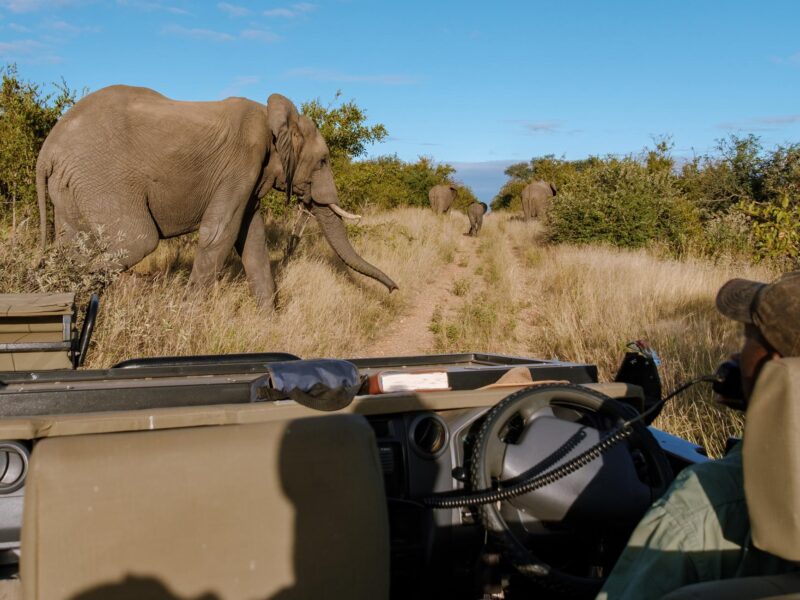
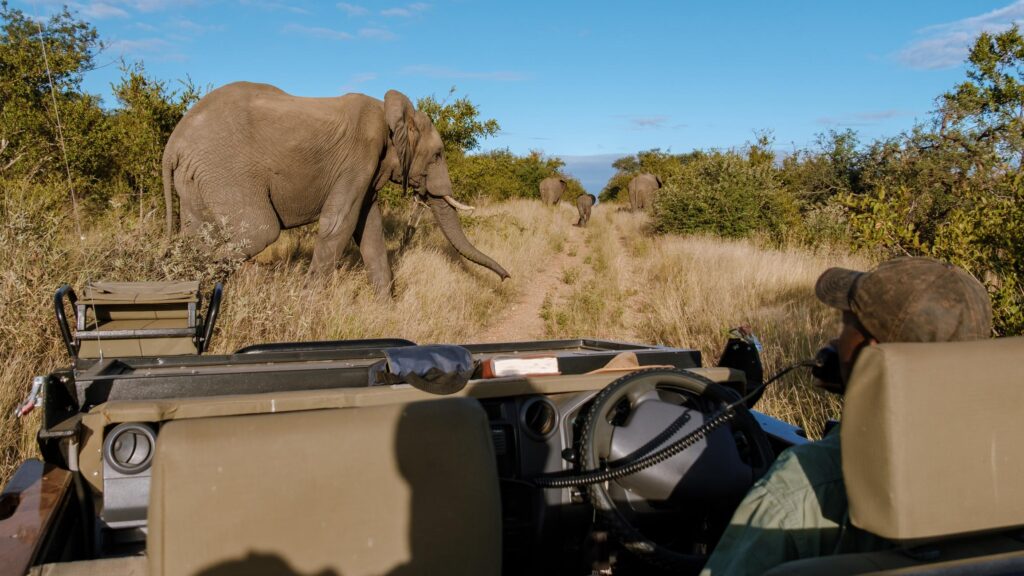
African elephants are among the park’s most celebrated residents. Large family herds move through the forests and open plains, creating spectacular viewing opportunities. Visitors often encounter elephants feeding peacefully beneath towering trees while the lions rest above them.
Cape buffalo roam the grasslands in large numbers. Their size and strength make them one of the lions’ most formidable prey species. Zebras, wildebeests, impalas, waterbucks, bushbucks, and warthogs also inhabit the park, creating a healthy ecosystem that supports predators.
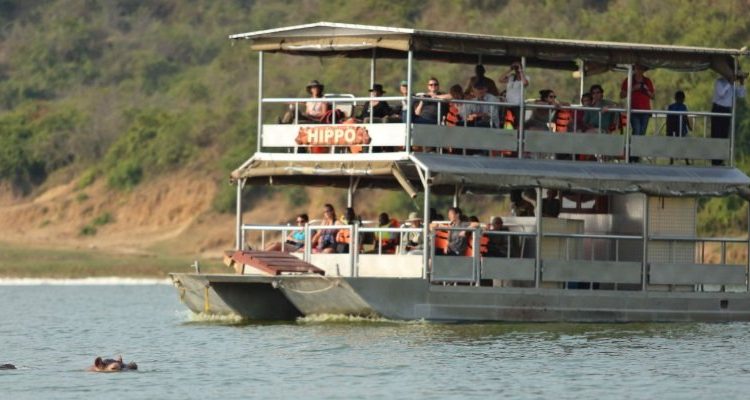
Giraffes gracefully browse the upper branches of acacia trees. Their elegant movements contrast beautifully with the powerful appearance of lions resting nearby. Hippos spend much of their day in pools and rivers before emerging in the evening to graze.
Primates also enrich the safari experience. Blue monkeys and vervet monkeys move through the forests, while large troops of olive baboons frequently appear along the roads. These active animals add energy and entertainment to every game drive.
Lake Manyara is equally famous for its birdlife. The park supports hundreds of bird species throughout the year. Flamingos often gather along the lake’s shores when water conditions are favorable. Pelicans, storks, herons, kingfishers, hornbills, eagles, and many colorful woodland birds provide excellent birdwatching opportunities.
This extraordinary diversity allows visitors to enjoy a complete safari experience. While searching for the famous tree climbing lions, travelers also discover countless other wildlife species that make Lake Manyara National Park one of Tanzania’s finest safari destinations.
Best Time to See the Tree Climbing Lions
Tree climbing lions can be seen throughout the year because they remain permanent residents of Lake Manyara National Park. However, weather conditions and seasonal changes can influence wildlife viewing opportunities.
The dry season generally offers the best conditions for game viewing. During these months, vegetation becomes thinner, making it easier to spot lions resting in the trees. Animals also gather around permanent water sources, increasing the chances of multiple wildlife sightings during a single game drive.
Road conditions remain excellent during the dry months, allowing safari vehicles to explore more areas of the park comfortably. The clear skies also create ideal lighting conditions for photography.
The green season transforms the park into a lush paradise. Fresh vegetation covers the landscape, and many animals give birth during this period. Although thicker vegetation may make wildlife slightly more challenging to locate, the scenery becomes exceptionally beautiful. Birdwatchers especially enjoy this season because migratory birds arrive in large numbers.
Early morning and late afternoon remain the best times for lion sightings regardless of the season. The cooler temperatures encourage greater activity, while the soft sunlight creates excellent opportunities for wildlife photography.
Visitors should remember that wildlife movements remain unpredictable. Some days the lions spend several hours resting in the trees, while on other days they remain on the ground. Experienced guides understand these patterns and greatly improve the chances of successful sightings.
Safari Experience Around the Tree Climbing Lions
A game drive focused on the tree climbing lions offers one of Tanzania’s most rewarding safari experiences. Visitors travel in specially designed safari vehicles that provide excellent visibility and comfort while exploring the park’s diverse landscapes.
Professional guides lead each safari with extensive knowledge of the park’s wildlife and ecosystems. They explain lion behavior, identify animal tracks, and interpret the interactions between different species. Their experience helps visitors understand much more than simply spotting animals.
Photography enthusiasts particularly enjoy the tree climbing lions because they provide unusual and dramatic images. The combination of golden light, green foliage, and powerful predators resting high in the trees creates unforgettable photographs. Long lenses allow photographers to capture close-up images while maintaining a safe distance.
Patience plays an important role during wildlife viewing. Guides often stop quietly near the trees, allowing visitors to observe the lions naturally. Watching the pride stretch, groom each other, or simply relax on the branches becomes an unforgettable part of the safari.
Every safari also reveals the incredible beauty of Lake Manyara itself. The Great Rift Valley escarpment forms a dramatic backdrop, while forests, open plains, wetlands, and the shimmering lake create constantly changing scenery. This variety keeps every game drive exciting from beginning to end.
Whether traveling as a family, couple, solo adventurer, or wildlife photographer, visitors leave with lasting memories of one of Africa’s most unique lion populations.
Conservation of the Tree Climbing Lions
The continued survival of the tree climbing lions depends on effective conservation efforts within Lake Manyara National Park. Protecting these lions means protecting the entire ecosystem that supports them.
Park authorities work continuously to safeguard wildlife habitats, reduce illegal activities, and monitor animal populations. Rangers patrol the park regularly to ensure the safety of both wildlife and visitors. Scientific research also helps conservationists understand lion behavior, pride dynamics, and habitat use.
Responsible tourism plays an essential role in conservation. Visitor fees contribute directly to park management, infrastructure, wildlife monitoring, and community development. Every safari helps support the long-term protection of Tanzania’s remarkable natural heritage.
Safari guides encourage visitors to observe wildlife responsibly. Vehicles maintain appropriate viewing distances, avoid disturbing resting animals, and follow park regulations. These practices reduce stress on wildlife while allowing natural behaviors to continue.
Local communities also benefit from sustainable tourism through employment opportunities and conservation partnerships. As tourism grows responsibly, communities gain stronger incentives to protect wildlife and preserve natural habitats for future generations.
The tree climbing lions represent much more than a tourist attraction. They symbolize the importance of conserving Africa’s unique ecosystems and the extraordinary wildlife that depends on them.
Conclusion
The tree climbing lions of Lake Manyara National Park remain one of Tanzania’s most extraordinary wildlife attractions. Their rare behavior sets them apart from lion populations found elsewhere in Africa and creates an unforgettable safari experience for every visitor. Watching these magnificent predators resting high among the branches offers a unique perspective on the adaptability and beauty of nature.
A visit to Lake Manyara combines exceptional wildlife viewing with spectacular landscapes, rich birdlife, towering escarpments, lush forests, and peaceful lakeshores. Every game drive offers the possibility of witnessing not only the famous tree climbing lions but also elephants, giraffes, buffalo, hippos, zebras, baboons, and hundreds of bird species.
Whether you are visiting Tanzania for your first safari or returning for another African adventure, the tree climbing lions deserve a place on your itinerary. Their remarkable presence has made Lake Manyara National Park one of the country’s most treasured wildlife destinations. With knowledgeable guides, excellent safari opportunities, and breathtaking scenery, every visit promises lasting memories.
Adira Safaris Africa proudly invites travelers to discover the incredible tree climbing lions of Lake Manyara National Park. Experience one of Africa’s rarest wildlife spectacles and enjoy a professionally guided safari that brings you closer to Tanzania’s remarkable natural wonders while supporting wildlife conservation for generations to come.