
Ngorongoro Conservation Area
July 14, 2026
Lake Manyara National Park
July 14, 2026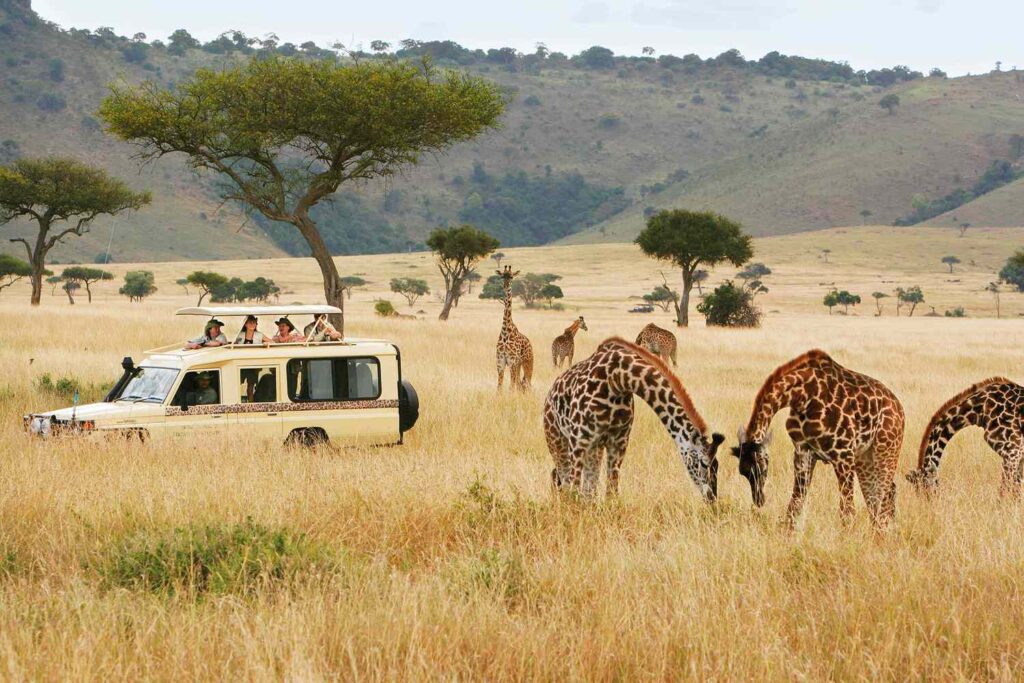
Tarangire National Park
Tarangire National Park is one of the most beautiful tourist destinations in Tanzania. It is famous for its large elephant herds, ancient baobab trees, rich wildlife, and peaceful safari experiences. Located in the northern part of Tanzania, the park forms part of the country’s renowned Northern Safari Circuit, together with Serengeti National Park, Ngorongoro Conservation Area, Lake Manyara National Park, and Arusha National Park. Although it receives fewer visitors than some of Tanzania’s larger parks, Tarangire offers exceptional wildlife viewing and breathtaking scenery throughout the year.
The park covers approximately 2,850 square kilometres and takes its name from the Tarangire River, which flows through the park. This river serves as the main source of fresh water for wildlife during the dry season. As surrounding areas become dry, thousands of animals migrate into Tarangire National Park in search of water and fresh grazing. This seasonal movement creates one of Tanzania’s most impressive wildlife gatherings outside the famous Serengeti migration.
Tarangire National Park is well known for its peaceful atmosphere. Visitors enjoy uncrowded game drives and excellent opportunities to observe wildlife without large numbers of safari vehicles. The park combines open grasslands, acacia woodlands, river valleys, swamps, rocky ridges, and giant baobab trees that create stunning landscapes. Every safari offers different experiences as visitors explore the park’s diverse habitats and encounter a wide variety of animals.
Whether you are visiting Tanzania for the first time or adding another destination to your safari itinerary, Tarangire National Park promises unforgettable wildlife encounters, beautiful scenery, and authentic African safari experiences.
Wildlife in Tarangire National Park
Tarangire National Park supports one of the richest wildlife populations in northern Tanzania. The park becomes especially lively during the dry season when thousands of animals gather around the Tarangire River. This concentration of wildlife provides outstanding game viewing and exciting opportunities for photography.
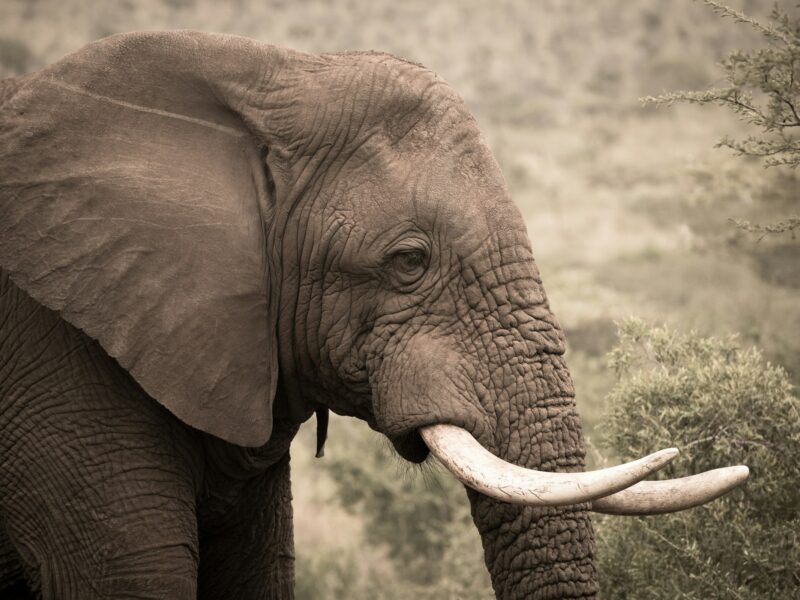
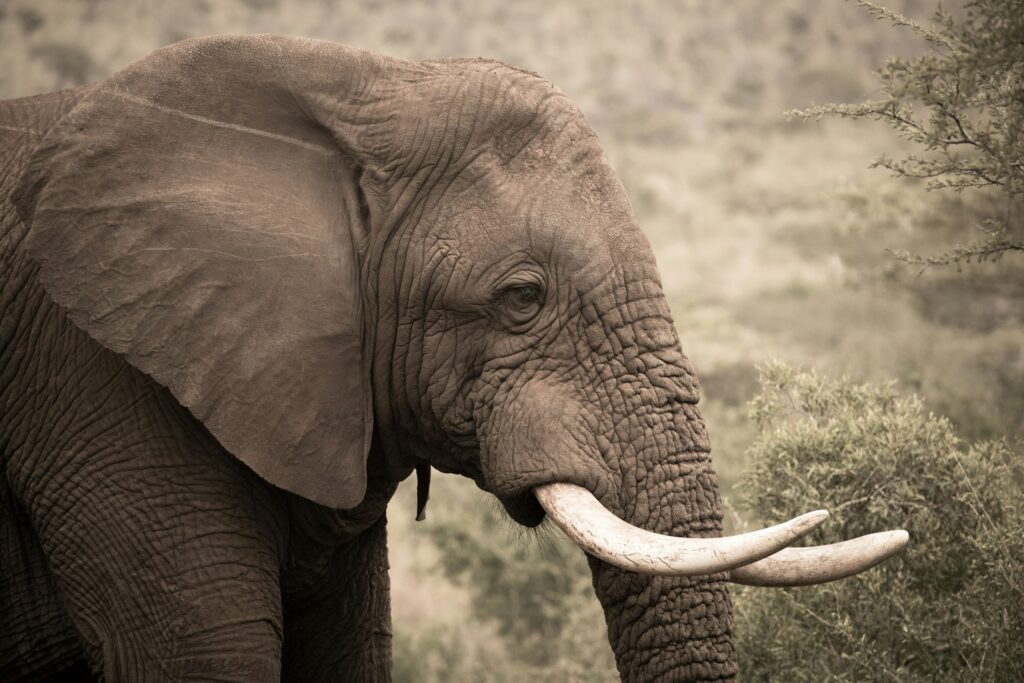
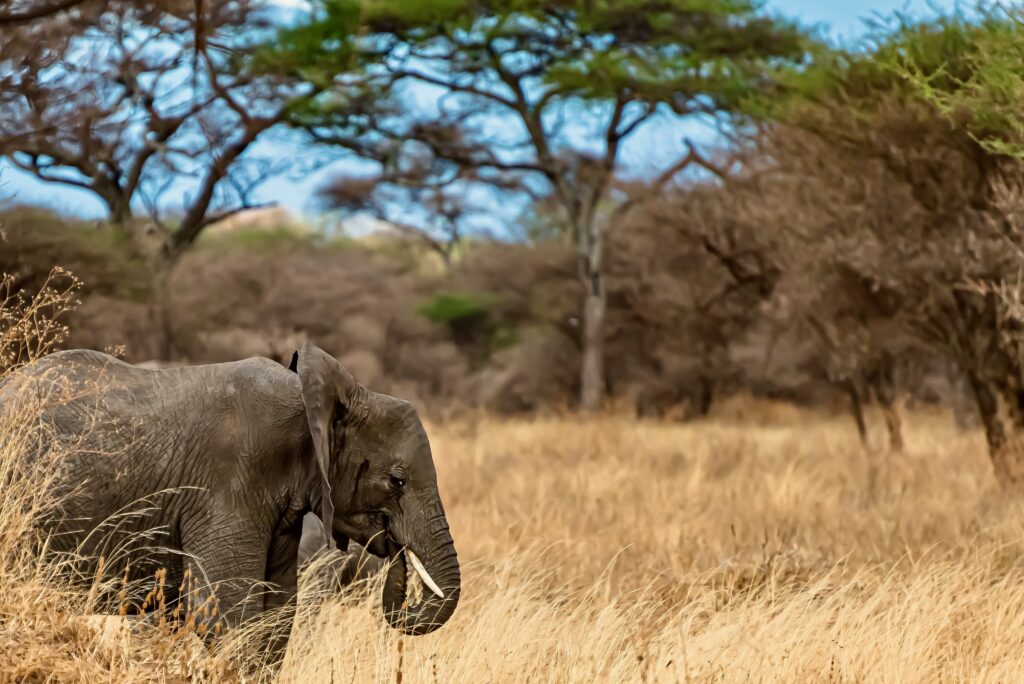
The park is internationally recognised for having one of the largest elephant populations in Tanzania. Hundreds of elephants often move together in family groups across the grasslands and woodlands. Visitors regularly observe elephants feeding on leaves, stripping bark from trees, playing in the mud, or walking gracefully between the giant baobab trees. Watching these magnificent animals in their natural environment is one of the highlights of every safari.
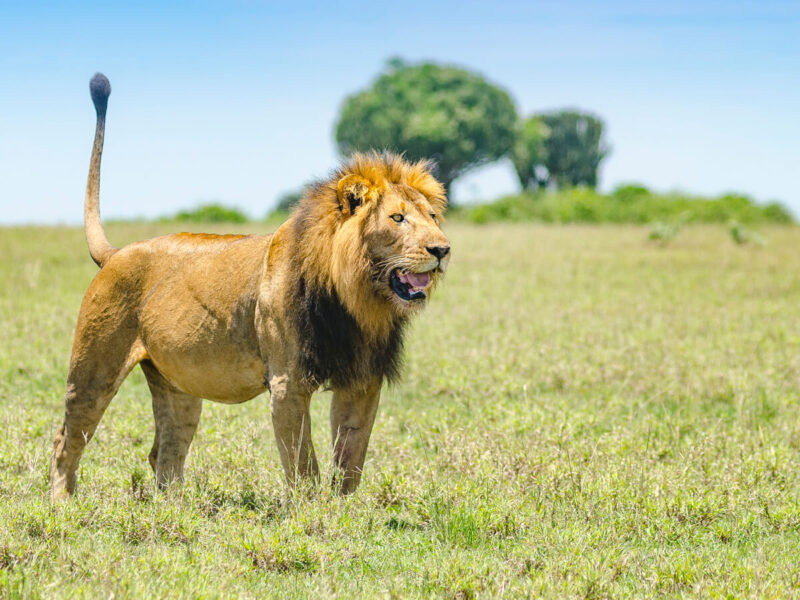
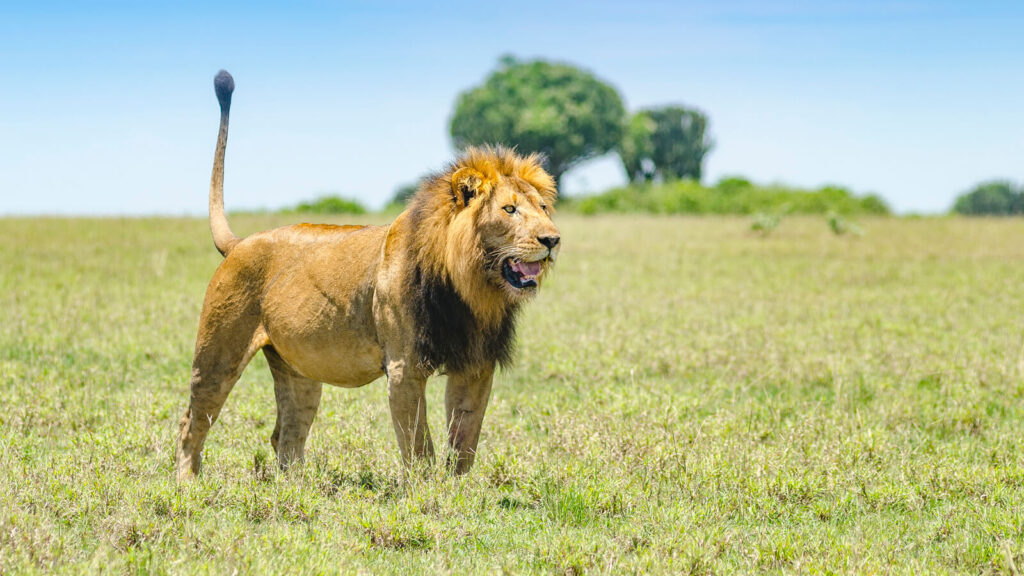
Tarangire is also home to many other large mammals. Visitors frequently see lions, leopards, cheetahs, buffaloes, giraffes, zebras, wildebeests, impalas, waterbucks, hartebeests, elands, warthogs, dik-diks, gazelles, and African wild dogs in certain areas. Predators follow the large herds of herbivores, creating exciting wildlife encounters throughout the park.
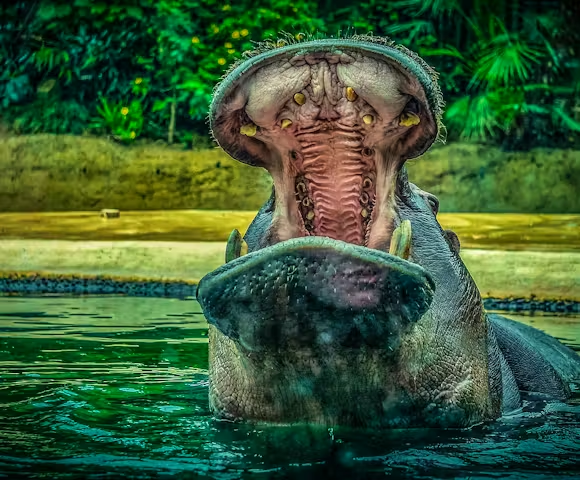
The Tarangire River supports hippos and crocodiles, while the surrounding wetlands attract many grazing animals during the dry months. The diversity of habitats allows wildlife to thrive throughout the year. Every game drive offers new opportunities to observe animal behaviour, making each visit unique. Whether visitors hope to see elephants, predators, or rare antelope species, Tarangire National Park delivers an exceptional safari experience.
The Famous Elephant Herds of Tarangire
Tarangire National Park is often called the “Land of Giants” because of its enormous elephant population. The park protects one of the highest concentrations of elephants in East Africa. During the dry season, several hundred elephants may gather near the Tarangire River at the same time. These impressive gatherings create unforgettable wildlife spectacles that attract photographers and nature lovers from around the world.
Elephants play an important role in maintaining the park’s ecosystem. They shape vegetation by feeding on trees and shrubs, creating open spaces that benefit other wildlife species. Visitors often watch elephants pulling branches from acacia trees, digging for water in dry riverbeds, or using their trunks to communicate with one another.
Family groups usually consist of mothers, calves, and younger females led by an experienced matriarch. Large bulls often roam independently or join breeding groups during certain seasons. Watching calves interact with older elephants provides fascinating insights into elephant behaviour and social structure.
Tarangire offers excellent opportunities for close but safe elephant viewing. Experienced safari guides position vehicles carefully to allow visitors to observe these gentle giants without disturbing them. Sunrise and sunset provide especially beautiful moments as elephants move across the golden plains beneath towering baobab trees. These unforgettable wildlife encounters make Tarangire one of the best elephant safari destinations in Africa.
The Iconic Baobab Trees
One of the most distinctive features of Tarangire National Park is its impressive population of giant baobab trees. These ancient trees dominate the landscape and have become one of the park’s most recognisable symbols. Some baobabs are believed to be hundreds or even thousands of years old. Their enormous trunks and unusual shapes create spectacular scenery throughout the park.
Baobab trees play an important role in the ecosystem. They store large quantities of water inside their thick trunks, allowing them to survive long dry seasons. Many birds build nests among their branches, while monkeys, insects, and reptiles also depend on these remarkable trees. Elephants frequently feed on the bark, especially during dry periods when food becomes scarce.
Photographers particularly enjoy capturing the dramatic appearance of baobabs during sunrise and sunset. Their striking silhouettes against colourful African skies create unforgettable images that represent the beauty of Tanzania’s wilderness. Visitors often stop during game drives to admire these ancient natural landmarks and learn about their ecological importance from experienced safari guides.
The combination of giant baobabs, open grasslands, and abundant wildlife gives Tarangire National Park a unique landscape unlike any other safari destination in East Africa. These magnificent trees contribute greatly to the park’s charm and natural beauty.
Bird Watching in Tarangire National Park
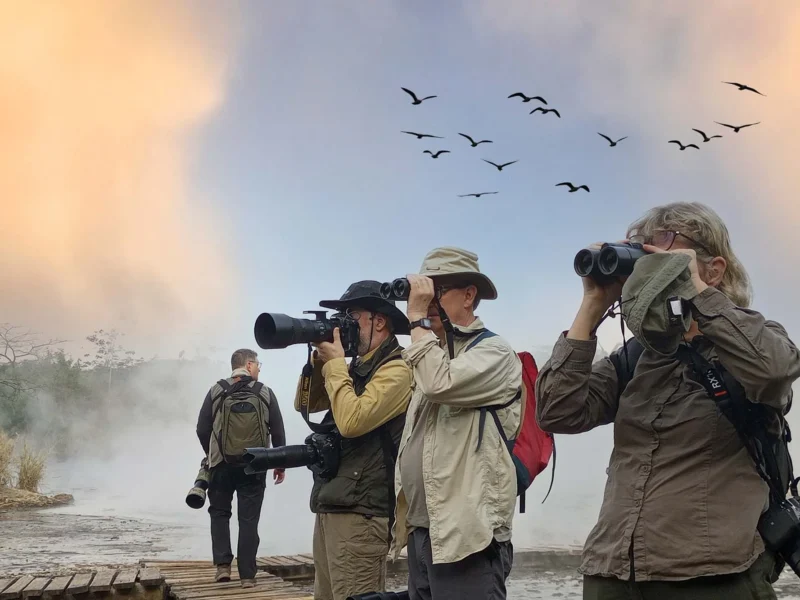
Tarangire National Park is one of Tanzania’s finest bird-watching destinations. The park supports more than 550 bird species, making it a paradise for bird lovers and wildlife photographers. Its diverse habitats provide excellent nesting, feeding, and breeding grounds for both resident and migratory birds.
The wetlands, swamps, rivers, woodlands, and open grasslands each support different bird species. Visitors commonly observe colourful lilac-breasted rollers, yellow-collared lovebirds, hornbills, kingfishers, bee-eaters, weavers, and barbets. Larger birds such as ostriches, secretary birds, vultures, storks, herons, eagles, and martial eagles are also frequently seen across the park.
The swamps and seasonal wetlands attract many water birds, including pelicans, ducks, ibises, and flamingos during favourable conditions. Bird activity becomes especially impressive during the green season when migratory birds arrive from Europe and Asia. This period offers outstanding bird photography opportunities due to the lush vegetation and vibrant colours.
Whether visitors are experienced birders or casual nature enthusiasts, Tarangire provides rewarding bird-watching experiences throughout the year. Professional safari guides help identify different species and explain their unique behaviours, making every birding excursion educational and enjoyable.
Safari Activities in Tarangire National Park
Tarangire National Park offers a variety of safari activities that allow visitors to experience its wildlife and beautiful landscapes from different perspectives. Game drives remain the most popular activity. Morning and afternoon drives provide excellent opportunities to observe animals when they are most active. Experienced guides lead visitors through different habitats while sharing valuable knowledge about wildlife behaviour and conservation.
Photography safaris are especially popular because the park combines stunning scenery with abundant wildlife. The giant baobab trees, elephant herds, dramatic sunsets, and rich birdlife create outstanding photographic opportunities throughout the year.
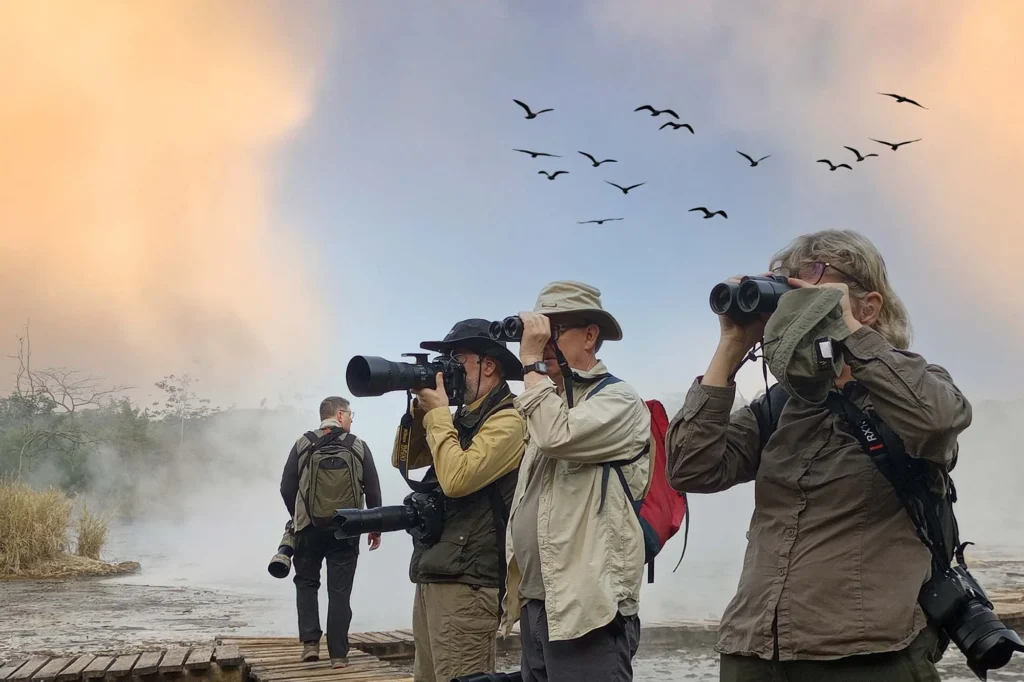
Bird watching attracts visitors from around the world. The park’s impressive diversity of bird species ensures rewarding experiences for beginners and experienced birders alike. Guided birding excursions help visitors locate rare species while learning about their habitats and behaviour.
Some safari packages also include guided walking safaris in designated areas outside the main wildlife zones. These walks provide opportunities to learn about smaller animals, plants, insects, animal tracks, and the park’s ecosystems from experienced armed guides.
Many visitors combine Tarangire National Park with nearby attractions such as Ngorongoro Conservation Area, Lake Manyara National Park, and Serengeti National Park. This combination creates a complete northern Tanzania safari experience filled with diverse landscapes and unforgettable wildlife encounters.
Best Time to Visit Tarangire National Park
Tarangire National Park offers rewarding safari experiences throughout the year. However, the dry season from June to October is generally considered the best time for wildlife viewing. During these months, animals gather around the Tarangire River because it remains one of the few reliable water sources in the region. This creates exceptional game-viewing opportunities as elephants, buffaloes, zebras, wildebeests, giraffes, and predators concentrate in relatively small areas.
The green season, from November to May, transforms the park into a lush landscape filled with fresh vegetation and colourful wildflowers. Although wildlife becomes more dispersed, visitors enjoy beautiful scenery, fewer crowds, lower accommodation rates, and outstanding bird watching. Many migratory birds arrive during this period, making it an excellent season for bird enthusiasts.
Each season offers different advantages. The dry months provide easier wildlife viewing, while the rainy months showcase the park’s natural beauty and rich birdlife. Regardless of when visitors travel, Tarangire National Park promises memorable safari experiences.
Accommodation in Tarangire National Park
Tarangire National Park offers accommodation options that suit different budgets and travel preferences. Luxury safari lodges provide elegant rooms, excellent dining, swimming pools, and breathtaking views overlooking the park. Many lodges allow guests to watch wildlife directly from private verandas or outdoor lounges.
Mid-range safari lodges offer comfortable accommodation with modern facilities at affordable prices. These lodges provide spacious rooms, quality meals, friendly service, and convenient access to game-drive routes. They are ideal for families, couples, and small groups.
Budget camps and tented camps offer authentic safari experiences at lower costs. Many tented camps combine comfort with close contact with nature. Guests often enjoy evenings around campfires while listening to the sounds of wildlife in the surrounding wilderness.
Most accommodations organise guided game drives, bird-watching excursions, walking safaris, airport transfers, and complete safari packages that include other destinations in northern Tanzania. Visitors can choose accommodation based on their travel style, budget, and desired level of comfort.
Why Visit Tarangire National Park?
Tarangire National Park is one of Tanzania’s most rewarding safari destinations. It offers incredible wildlife, peaceful game drives, breathtaking landscapes, giant baobab trees, and one of Africa’s largest elephant populations. The park provides exceptional opportunities to observe wildlife in a relaxed and less crowded environment.
Visitors enjoy exciting game drives, remarkable bird watching, outstanding photography, and beautiful scenery throughout the year. Every safari reveals something new, from elephant families walking beneath ancient baobabs to lions resting in the shade or colourful birds flying across the wetlands.
Tarangire also serves as an excellent addition to any northern Tanzania safari itinerary. Its proximity to Serengeti National Park, Ngorongoro Conservation Area, and Lake Manyara National Park allows travellers to experience some of Africa’s finest wildlife destinations in one journey.
Whether you are a wildlife enthusiast, photographer, bird watcher, honeymoon couple, family, or adventure traveller, Tarangire National Park offers unforgettable experiences that showcase the beauty of Tanzania’s natural heritage.
Plan your next African safari with Adira Safaris Africa and discover why Tarangire National Park continues to rank among Tanzania’s finest wildlife destinations.