
Tarangire National Park
July 14, 2026
Ruaha National Park in Tanzania
July 15, 2026
Lake Manyara National Park
Lake Manyara National Park is one of the most beautiful tourist destinations in Tanzania. It is famous for its breathtaking landscapes, rich wildlife, diverse birdlife, and the unique tree-climbing lions that attract visitors from around the world. Located in northern Tanzania, the park lies between Arusha and the Ngorongoro Conservation Area, making it an important stop along Tanzania’s popular Northern Safari Circuit. Although it is one of the country’s smaller national parks, Lake Manyara National Park offers remarkable safari experiences that combine wildlife, nature, photography, and adventure.
The park covers approximately 330 square kilometres, with nearly two-thirds of the area occupied by the shallow alkaline Lake Manyara. This beautiful lake forms the heart of the park and supports thousands of birds and numerous wild animals throughout the year. The surrounding landscapes include lush groundwater forests, open grasslands, acacia woodlands, wetlands, hot springs, rocky escarpments, and dense vegetation. These different ecosystems create one of the richest biodiversity hotspots in Tanzania.
Lake Manyara National Park is managed by the Tanzania National Parks Authority (TANAPA), which protects its wildlife and natural habitats while promoting sustainable tourism. Visitors enjoy peaceful game drives, bird-watching excursions, scenic viewpoints, and cultural experiences in nearby communities. The park’s location near other famous attractions such as Tarangire National Park, Ngorongoro Conservation Area, and Serengeti National Park makes it an excellent addition to any Tanzania safari itinerary.
Whether you are a first-time visitor to Tanzania or an experienced safari traveller, Lake Manyara National Park offers unforgettable wildlife encounters and spectacular scenery. Every safari presents something different, making each visit unique and memorable.
Wildlife in Lake Manyara National Park
Lake Manyara National Park supports an impressive variety of wildlife despite its relatively small size. The park is home to more than 60 mammal species, making it one of Tanzania’s finest wildlife destinations. Its diverse habitats provide food, shelter, and water for many animals throughout the year.
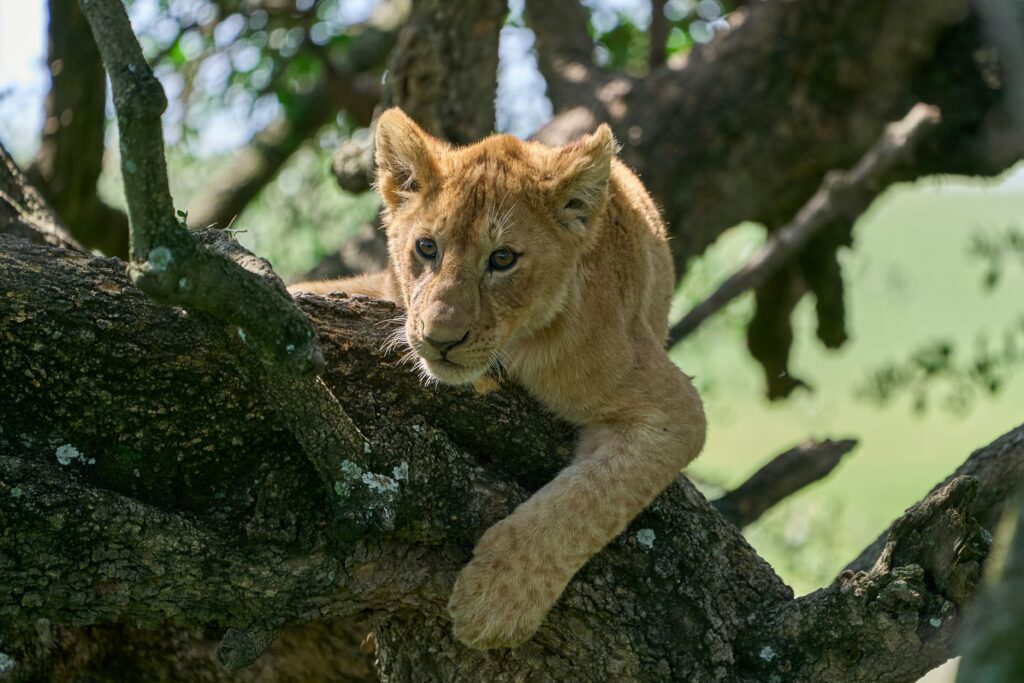
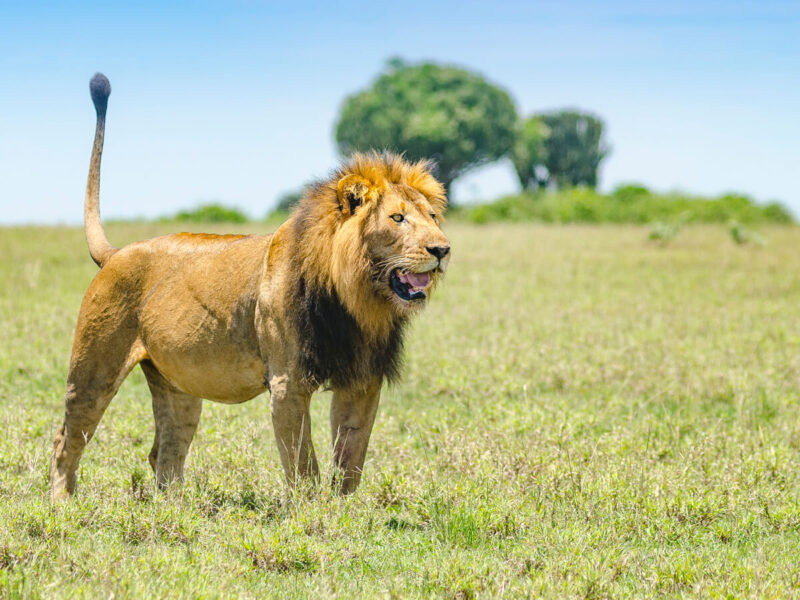
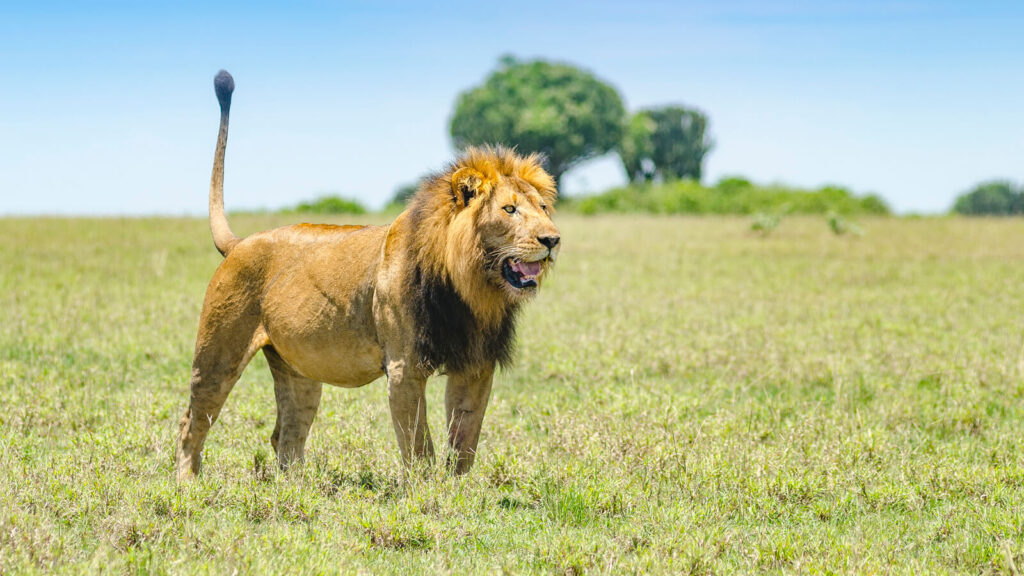
The park is internationally recognised for its famous tree-climbing lions. Unlike lions in most other parts of Africa, many lions in Lake Manyara regularly climb large acacia and fig trees to rest during the hottest hours of the day. Visitors often enjoy watching these magnificent predators relaxing on tree branches while overlooking the surrounding plains. Although tree climbing is not exclusive to this park, Lake Manyara remains one of the best places to observe this rare behaviour.
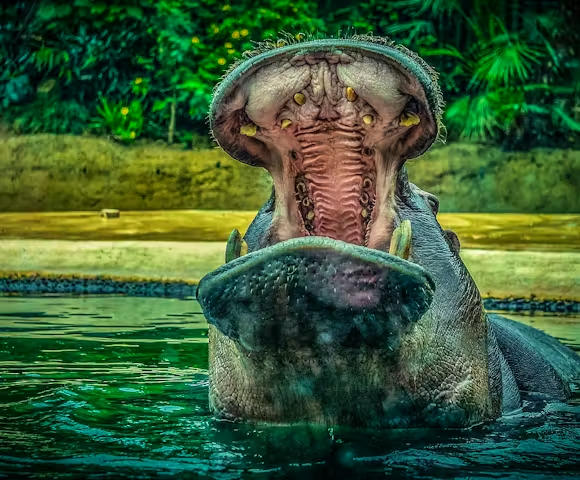
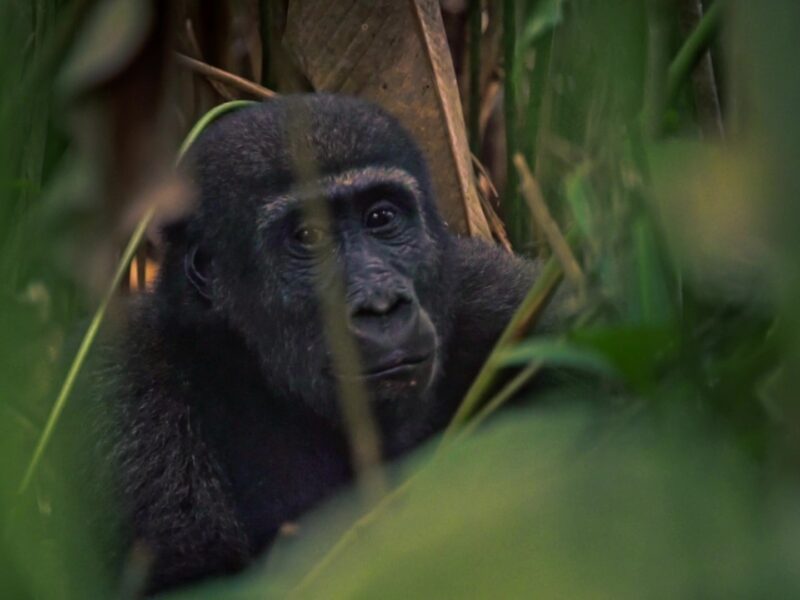
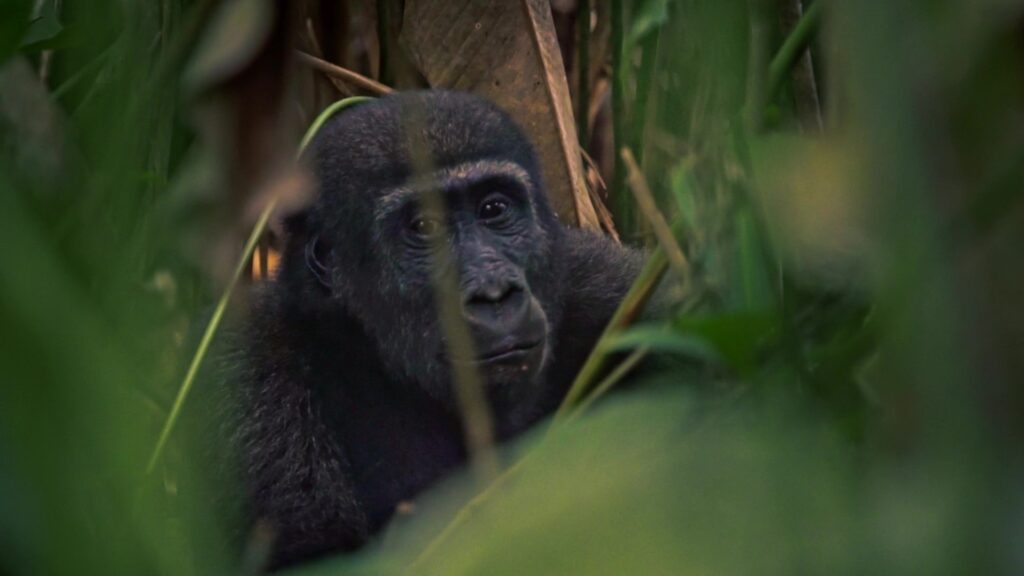
Large elephant herds also roam freely through the forests and grasslands. Visitors frequently encounter elephants feeding, bathing, or walking peacefully across the park. Other commonly seen mammals include buffaloes, giraffes, zebras, wildebeests, impalas, waterbucks, bushbucks, warthogs, blue monkeys, baboons, vervet monkeys, hippos, and klipspringers. Predators such as leopards, spotted hyenas, serval cats, and jackals also inhabit the park, although they can be more difficult to spot.
The diverse wildlife ensures exciting game drives throughout the year. Every safari offers opportunities to observe fascinating animal behaviour while enjoying the park’s peaceful atmosphere and beautiful scenery.
The Famous Tree-Climbing Lions
One of the biggest attractions of Lake Manyara National Park is its famous tree-climbing lions. This unusual behaviour has made the park one of Tanzania’s most unique safari destinations. While lions in most African parks spend their time resting on the ground, many of Lake Manyara’s lions regularly climb large acacia and fig trees.
Scientists believe this behaviour helps the lions avoid insects on the ground, escape the daytime heat, and gain better views of their surroundings. Resting high in the branches also allows them to observe prey moving across the grasslands below. Visitors often witness entire lion families relaxing comfortably on thick tree branches during daytime game drives.
The tree-climbing lions have become one of the most photographed wildlife attractions in Tanzania. Wildlife photographers from around the world visit Lake Manyara to capture these rare moments. Experienced safari guides know the areas where the lions are commonly found and help visitors locate them during game drives.
Although lion sightings depend on wildlife movements and natural conditions, Lake Manyara remains one of the best places in Africa to witness this remarkable behaviour. Observing these powerful predators resting high above the ground creates unforgettable safari memories and adds a unique highlight to every visit.
Bird Watching at Lake Manyara National Park
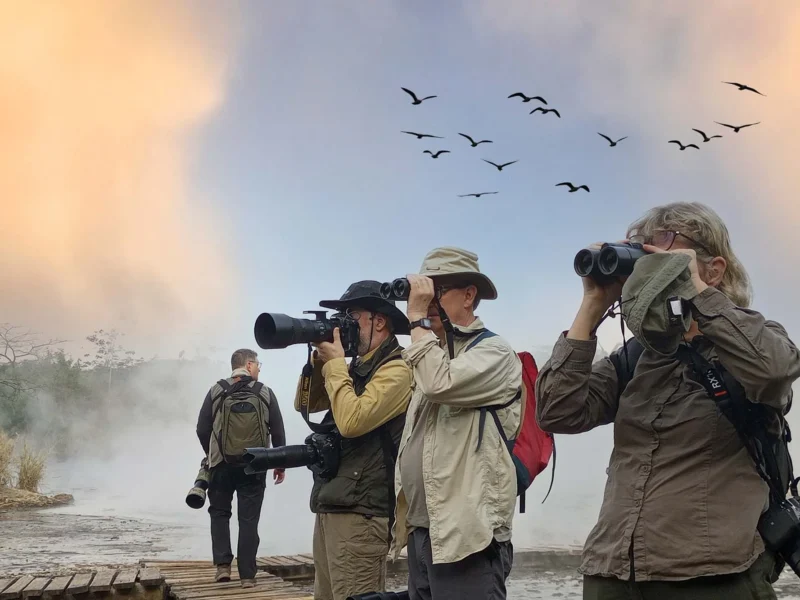
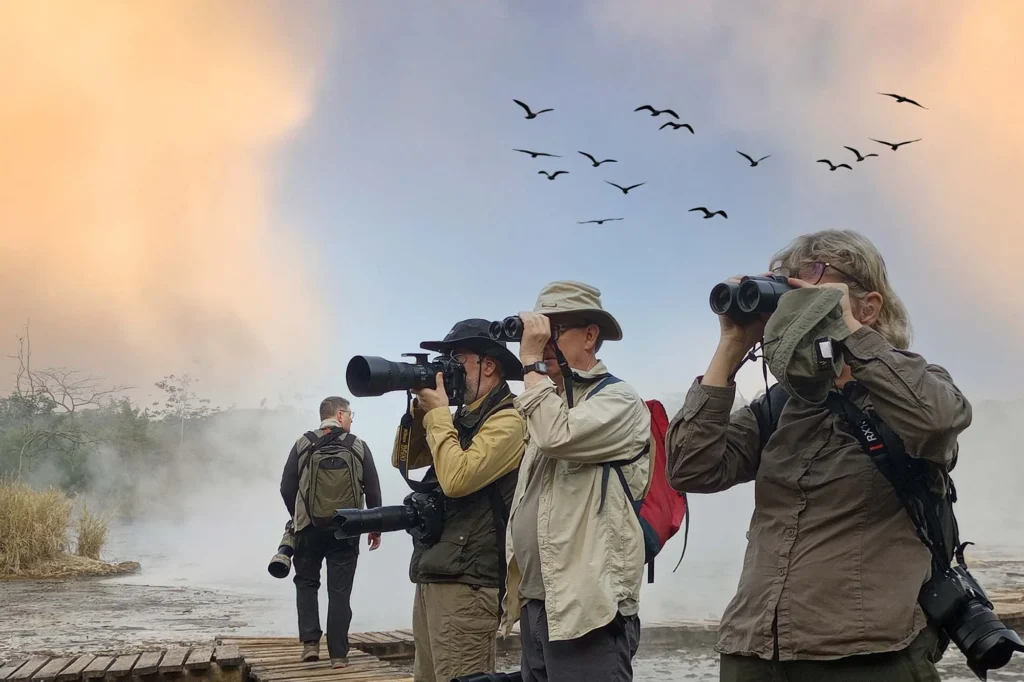
Lake Manyara National Park ranks among the best bird-watching destinations in Tanzania. More than 400 bird species have been recorded within the park, making it a paradise for bird lovers, photographers, and nature enthusiasts. The combination of alkaline lake waters, wetlands, forests, and grasslands creates ideal habitats for resident and migratory birds.
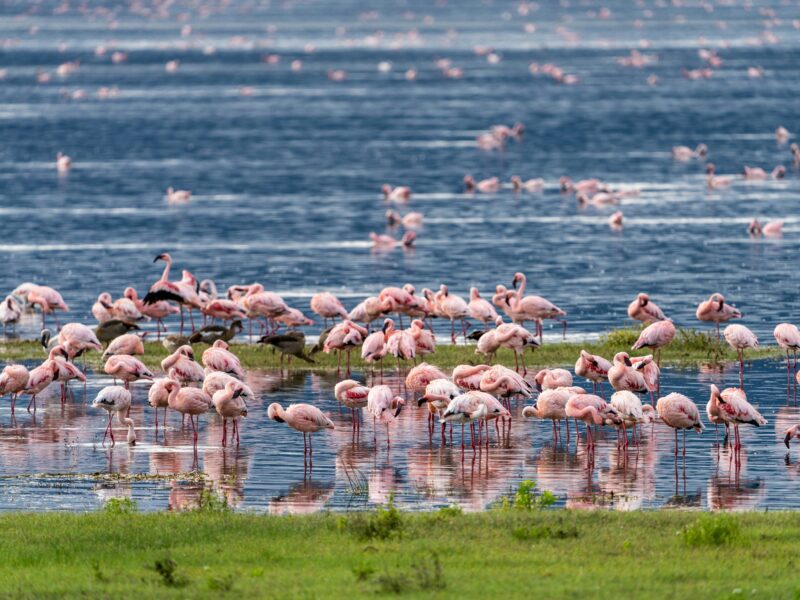
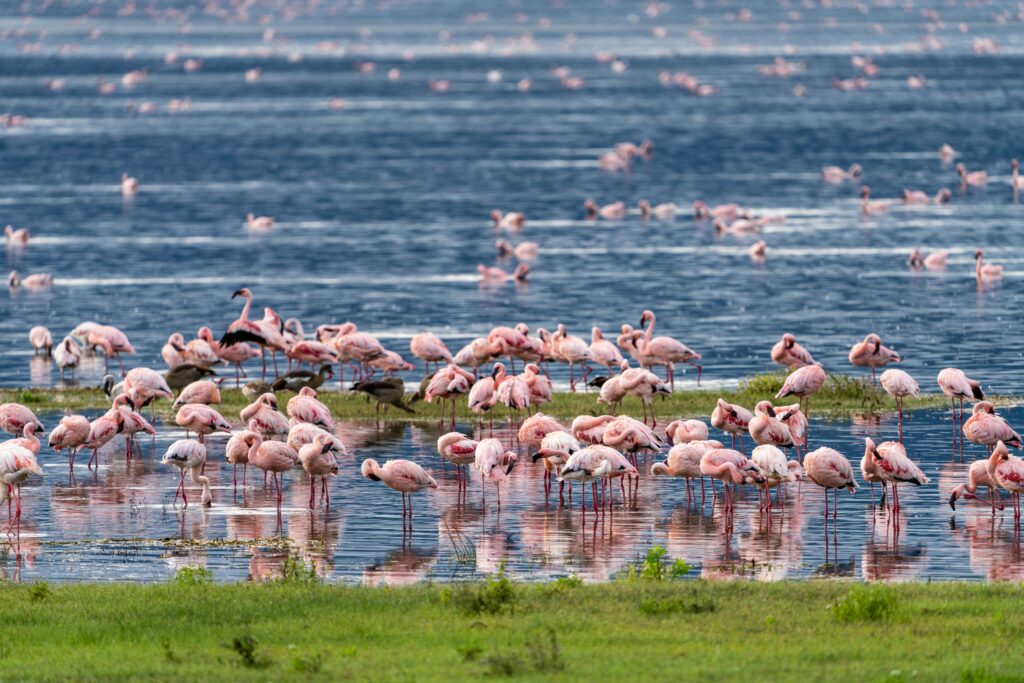
The shallow waters of Lake Manyara often attract thousands of pink flamingos that gather along the shoreline during favourable conditions. Their bright colours create spectacular scenes against the blue waters of the lake. Visitors also observe pelicans, storks, herons, ibises, spoonbills, cormorants, ducks, geese, and many other water birds.
The forests and woodlands support hornbills, kingfishers, bee-eaters, rollers, barbets, woodpeckers, weavers, sunbirds, and colourful turacos. Larger birds such as African fish eagles, martial eagles, secretary birds, vultures, and crowned cranes also thrive in different parts of the park.
Bird activity becomes especially impressive during the green season when migratory birds arrive from Europe and Asia. Professional safari guides help visitors identify different species while explaining their behaviours and habitats. Whether you are an experienced birder or simply enjoy observing nature, Lake Manyara National Park offers rewarding bird-watching experiences throughout the year.
Landscapes and Natural Attractions
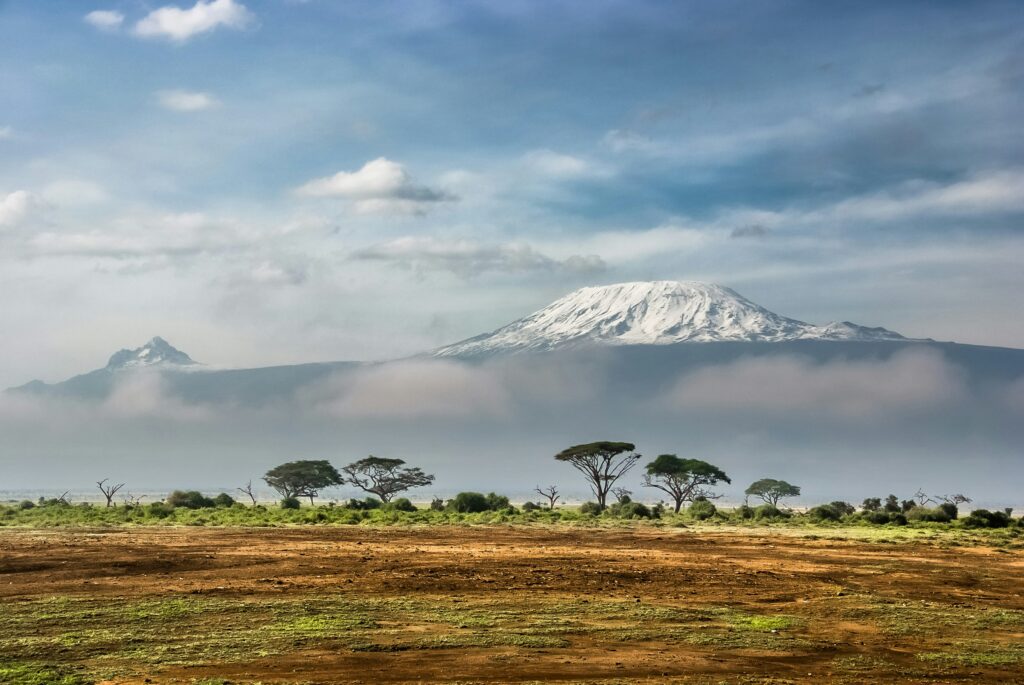
Lake Manyara National Park offers some of Tanzania’s most diverse and picturesque landscapes. Despite its compact size, the park contains a remarkable variety of ecosystems that create beautiful scenery at every turn. Visitors enjoy lush forests, open grasslands, dense acacia woodlands, freshwater streams, marshes, hot springs, rocky escarpments, and the expansive waters of Lake Manyara.
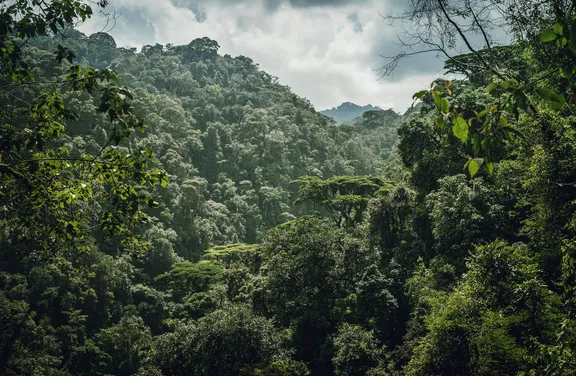
The groundwater forest near the park entrance provides a cool and shaded environment filled with giant mahogany and fig trees. This forest supports elephants, monkeys, baboons, and many bird species. As visitors continue deeper into the park, the landscape changes dramatically into open plains where giraffes, zebras, buffaloes, and wildebeests graze peacefully.
Lake Manyara itself dominates much of the park and provides a stunning backdrop for wildlife viewing. During certain seasons, thousands of flamingos gather along the lake’s edge, creating breathtaking views. Hippos spend much of their time in the shallow waters, while many water birds feed along the shoreline.
Another natural attraction is the hot springs known as Maji Moto. These geothermal springs produce warm mineral-rich water and steam, demonstrating the volcanic activity that shaped the Great Rift Valley. Scenic viewpoints along the Rift Valley escarpment also provide panoramic views of the lake and surrounding landscapes, making the park an outstanding destination for photography and sightseeing.
Safari Activities in Lake Manyara National Park
Lake Manyara National Park offers a variety of safari activities that allow visitors to experience its wildlife, landscapes, and natural beauty. Game drives remain the most popular activity. Morning and afternoon drives provide excellent opportunities to observe elephants, tree-climbing lions, giraffes, buffaloes, zebras, and many other animals in their natural habitats.
Bird watching attracts visitors from around the world because of the park’s exceptional bird diversity. Guided birding excursions help visitors locate both resident and migratory species while learning about their unique characteristics.
Photography safaris are especially rewarding because the park combines dramatic landscapes with abundant wildlife. The tree-climbing lions, elephant herds, flamingos, forests, and scenic lake views create outstanding photographic opportunities throughout the year.
Visitors also enjoy nature walks in designated areas under the guidance of trained park rangers. These walks provide opportunities to appreciate smaller plants, insects, birds, and animal tracks that may be overlooked during vehicle safaris. The experience offers a deeper understanding of the park’s ecosystems.
Some safari itineraries also include visits to nearby cultural communities where visitors learn about local traditions, farming practices, and daily life. Combining wildlife, bird watching, photography, and cultural experiences makes Lake Manyara National Park a complete safari destination for travellers of all interests.
Best Time to Visit Lake Manyara National Park
Lake Manyara National Park offers rewarding safari experiences throughout the year. Each season provides unique attractions, allowing visitors to choose the best time according to their interests.
The dry season, from June to October, offers excellent wildlife viewing because vegetation becomes thinner and animals gather near reliable water sources. Cooler temperatures and clear skies also create ideal conditions for photography and game drives.
The green season, from November to May, transforms the park into a lush landscape filled with vibrant vegetation and colourful wildflowers. Bird watching reaches its peak during this period because many migratory birds arrive from other continents. The scenery becomes especially beautiful after seasonal rains, making it an excellent time for landscape photography.
Flamingo numbers vary depending on water levels and food availability in Lake Manyara. Regardless of the season, visitors can expect rich birdlife and abundant wildlife throughout the park. Since the park remains accessible year-round, every visit offers memorable safari experiences.
Accommodation in Lake Manyara National Park
Lake Manyara National Park offers accommodation options suitable for every type of traveller. Luxury safari lodges provide elegant rooms, excellent dining, swimming pools, and spectacular views overlooking the lake or surrounding forests. Many lodges blend modern comfort with traditional African architecture, creating relaxing environments after exciting game drives.
Mid-range safari lodges offer spacious rooms, quality service, delicious meals, and comfortable facilities at reasonable prices. These accommodations are ideal for families, couples, and small safari groups seeking both comfort and affordability.
Budget camps and tented camps provide authentic safari experiences close to nature. Many camps offer comfortable tents with private bathrooms while allowing guests to enjoy the sounds of wildlife during the evening. Campfires, friendly hospitality, and peaceful surroundings create unforgettable memories.
Most accommodation providers organise guided game drives, bird-watching excursions, airport transfers, and complete safari packages that combine Lake Manyara National Park with Tarangire National Park, Ngorongoro Conservation Area, and Serengeti National Park. Visitors can easily select accommodation that matches their budget and travel style.
Why Visit Lake Manyara National Park?
Lake Manyara National Park is one of Tanzania’s most rewarding safari destinations. It offers exceptional wildlife, beautiful landscapes, rich birdlife, and one of Africa’s most famous populations of tree-climbing lions. The combination of forests, grasslands, wetlands, hot springs, and the scenic lake creates remarkable biodiversity within a relatively small area.
Visitors enjoy peaceful game drives, excellent bird watching, breathtaking photography, and close encounters with elephants, giraffes, buffaloes, hippos, baboons, and many other animals. The park also provides outstanding opportunities to observe flamingos and other water birds in their natural environment.
Its convenient location along Tanzania’s Northern Safari Circuit makes Lake Manyara National Park an ideal addition to any safari itinerary. Many travellers combine it with Tarangire National Park, Ngorongoro Conservation Area, and Serengeti National Park for a complete wildlife adventure.
Whether you are travelling with family, planning a honeymoon, seeking wildlife photography opportunities, or exploring Africa for the first time, Lake Manyara National Park offers unforgettable safari experiences filled with natural beauty and remarkable wildlife.
Plan your Tanzania safari with Adira Safaris Africa and discover why Lake Manyara National Park continues to rank among the country’s most scenic and wildlife-rich destinations.