Camping in the Conservancies
July 8, 2026
Rewilding Project
July 8, 2026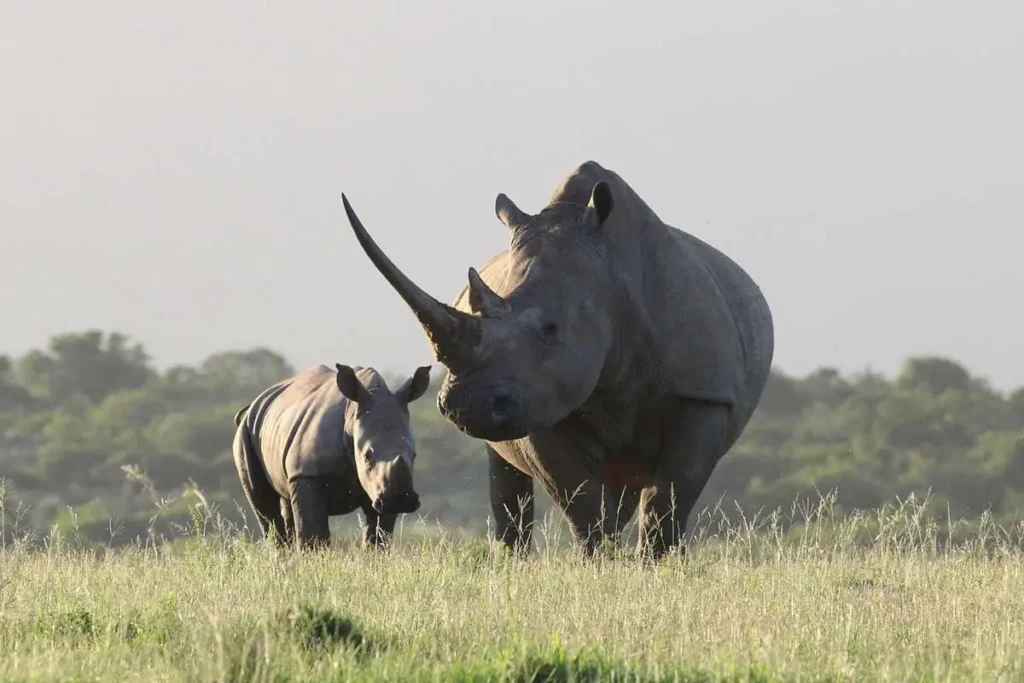
Rhino Sanctuaries in Ol Pejeta and Lake Nakuru
Rhino sanctuaries in Ol Pejeta and Lake Nakuru offer visitors one of the best opportunities to see both black and white rhinos in their natural habitats. These protected areas play an important role in conserving one of Africa’s most iconic and endangered animals. For many travelers, spotting a rhino during a safari is a dream come true. Since rhinos are naturally elusive and their numbers declined significantly over the years because of poaching and habitat loss, seeing them in the wild remains a rare and unforgettable experience.
Ol Pejeta Conservancy and Lake Nakuru are among the most famous destinations in Kenya for rhino conservation. They provide secure environments where rhino populations can grow while allowing visitors to appreciate these magnificent animals responsibly. Both destinations combine conservation with tourism, giving travelers a chance to enjoy remarkable wildlife sightings while supporting important efforts to protect endangered species.
A safari to these rhino sanctuaries offers much more than simply seeing wildlife. Visitors gain a deeper understanding of conservation, the importance of protecting biodiversity, and the ongoing efforts to secure the future of black and white rhinos. Every game drive through these protected landscapes offers excitement, as travelers search for these gentle giants among the grasslands, woodlands, and open plains.
Rhino viewing also adds a unique highlight to any Kenyan safari. While many visitors hope to see lions, elephants, buffaloes, leopards, and giraffes, finding a rhino often becomes one of the most memorable moments of the journey. Their impressive size, powerful horns, and calm behavior leave lasting impressions on wildlife lovers from around the world.
For anyone planning a safari in Kenya, visiting the rhino sanctuaries in Ol Pejeta and Lake Nakuru offers an exceptional opportunity to experience one of Africa’s rarest wildlife encounters while supporting conservation that protects these incredible animals for future generations.
Discovering the Rhino Sanctuary at Ol Pejeta
Ol Pejeta Conservancy is internationally recognized as one of the leading wildlife conservancies dedicated to rhino conservation. The conservancy provides a secure habitat where both black and white rhinos thrive under constant protection. Its vast landscapes create excellent conditions for these endangered animals while allowing visitors to enjoy rewarding game drives throughout the day.
One of the biggest attractions at Ol Pejeta is the opportunity to see black and white rhinos in one destination. Black rhinos are generally more solitary and tend to browse on shrubs and bushes. White rhinos usually graze on grass and often appear more relaxed in open areas. Seeing the differences between these two species adds educational value to every safari experience.
The conservancy’s open plains and scattered acacia trees provide excellent visibility for wildlife viewing. Visitors often spend time searching the landscape before spotting a rhino quietly feeding or resting in the shade. Every sighting feels rewarding because rhinos remain among Africa’s rarest large mammals.
Game drives within Ol Pejeta create opportunities to observe rhinos from a safe distance while experienced guides explain their behavior, feeding habits, and conservation challenges. Travelers learn how dedicated conservation teams monitor and protect every rhino to ensure their survival.
The peaceful environment also allows visitors to appreciate the beauty of the surrounding wilderness while enjoying encounters with many other wildlife species. Every safari through Ol Pejeta combines adventure, education, and conservation, making it one of Kenya’s most rewarding wildlife destinations.
For visitors hoping to experience rhino conservation firsthand, Ol Pejeta offers an unforgettable safari that highlights both the beauty of nature and the importance of protecting endangered wildlife.
Experiencing Rhinos at Lake Nakuru
Lake Nakuru is another outstanding destination where visitors can observe both black and white rhinos in a protected environment. The national park has become one of Kenya’s most successful rhino conservation areas and continues to attract wildlife enthusiasts from across the world.
The park’s varied landscapes create beautiful habitats where rhinos move freely among open grasslands, scattered woodlands, and lakeside vegetation. These environments provide excellent opportunities for wildlife viewing while supporting healthy rhino populations.
Visitors exploring Lake Nakuru during game drives often enjoy exciting moments as they encounter rhinos grazing peacefully or walking across the open plains. Their impressive size immediately captures attention, and many tourists consider these sightings among the highlights of their Kenyan safari.
The park’s natural beauty enhances every wildlife experience. Rolling hills, picturesque landscapes, and diverse vegetation create spectacular scenery that complements rhino viewing. Morning and evening game drives often provide the best lighting for photography, allowing visitors to capture memorable images of these magnificent animals.
Lake Nakuru also demonstrates how successful conservation efforts can restore endangered wildlife populations. Continuous protection has helped both black and white rhinos survive in a secure environment where they can breed naturally.
For photographers, nature lovers, and wildlife enthusiasts, Lake Nakuru offers exceptional opportunities to observe rhinos while enjoying one of Kenya’s most scenic safari destinations. Every visit provides both relaxation and excitement as travelers witness these rare animals living safely within their protected habitat.
Black and White Rhinos – A Rare Wildlife Sight
One of the main reasons travelers visit Ol Pejeta and Lake Nakuru is the opportunity to see both black and white rhinos. These remarkable animals remain among Africa’s rarest wildlife species, making every sighting especially meaningful.
Although both species share many similarities, they have noticeable differences. Black rhinos generally have a hooked upper lip that helps them browse leaves, branches, and shrubs. White rhinos have broader mouths designed for grazing on grass. Visitors often enjoy learning how these physical features reflect their different feeding habits.
Black rhinos usually appear more cautious and prefer thicker vegetation, while white rhinos often feed in open grasslands where they become easier to observe. Experienced safari guides help visitors identify each species while explaining their unique behaviors.
The rarity of rhino sightings makes every encounter exciting. Unlike some animals that appear frequently during game drives, rhinos require patience, careful observation, and sometimes a little luck. When visitors finally spot one standing peacefully in the landscape, the experience becomes unforgettable.
Many travelers spend several days on safari hoping to see a rhino. Seeing both black and white rhinos during one trip therefore becomes a remarkable achievement that adds tremendous value to the overall safari experience.
These rare encounters remind visitors of the importance of conservation and the need to protect endangered wildlife for future generations. Every rhino sighting becomes not only a personal memory but also a celebration of successful wildlife protection.
Conservation Efforts That Protect Rhinos
Rhino conservation remains one of the most important wildlife protection efforts in Kenya. Ol Pejeta and Lake Nakuru continue to demonstrate how dedicated conservation programs can help endangered species recover while promoting responsible tourism.
Both protected areas maintain secure habitats where rhinos receive continuous monitoring and protection. Wildlife rangers patrol the conservancies to safeguard the animals and ensure they remain safe from threats. Veterinary teams also monitor their health and respond whenever medical care becomes necessary.
Visitors who explore these sanctuaries directly support conservation through park entry fees and responsible tourism. Their visits contribute to maintaining protected habitats, supporting conservation staff, and funding programs that benefit wildlife.
Education also forms an important part of conservation. During safari experiences, guides explain why rhinos require protection and how conservation organizations work together to preserve these endangered animals. Learning about these efforts helps visitors appreciate the challenges involved in wildlife management.
Successful conservation has allowed both black and white rhino populations to grow steadily within protected environments. These achievements demonstrate the positive impact of long-term commitment, strong wildlife management, and sustainable tourism.
Every visitor leaves with a greater understanding of why protecting rhinos matters. Their experience becomes more meaningful because they witness living examples of conservation success while supporting efforts that help secure the future of one of Africa’s most treasured species.
Why Rhino Viewing is a Safari Highlight
Rhino viewing stands among the most rewarding experiences on any Kenyan safari. Many travelers dream of seeing these magnificent animals because they remain one of Africa’s rarest and most iconic mammals.
The excitement begins long before the actual sighting. Visitors scan the landscape with anticipation while guides carefully search for signs of rhino activity. When one finally appears in the distance, the atmosphere inside the safari vehicle often changes immediately as everyone quietly observes the impressive animal.
Watching a rhino feed, walk slowly across the plains, or rest peacefully creates unforgettable memories. Their enormous size, distinctive horns, and calm movements inspire admiration and respect. Many visitors describe these moments as some of the most emotional highlights of their journey.
Photography enthusiasts especially enjoy rhino sightings because they offer opportunities to capture images of one of the world’s most endangered large mammals. Every photograph becomes a reminder of the importance of wildlife conservation.
Rhino viewing also complements sightings of many other iconic African animals. Together with elephants, lions, buffaloes, giraffes, zebras, antelopes, and numerous bird species, rhinos complete an extraordinary safari experience that showcases Kenya’s incredible biodiversity.
For many tourists, seeing both black and white rhinos in Ol Pejeta and Lake Nakuru becomes one of the defining memories of their African adventure.
Conclusion
Rhino sanctuaries in Ol Pejeta and Lake Nakuru provide visitors with one of the best opportunities to observe both black and white rhinos in protected natural environments. These remarkable destinations combine outstanding wildlife experiences with world-class conservation efforts, making them essential stops on any Kenyan safari.
The chance to see these rare animals in the wild remains one of the greatest highlights of visiting Kenya. Every rhino sighting represents not only an unforgettable personal experience but also the success of ongoing conservation initiatives that protect endangered wildlife for future generations.
Whether exploring the open plains of Ol Pejeta or the scenic landscapes of Lake Nakuru, visitors enjoy rewarding game drives filled with anticipation, excitement, and breathtaking encounters. Along the way, they gain valuable knowledge about rhino conservation while appreciating the beauty of Kenya’s protected wilderness.
For wildlife lovers, photographers, conservation enthusiasts, and first-time safari travelers, these rhino sanctuaries offer experiences that remain memorable long after the journey ends. The opportunity to witness both black and white rhinos in their natural surroundings creates lasting memories while supporting the protection of one of Africa’s most treasured species.
Adira Safaris Africa proudly invites travelers to discover the remarkable rhino sanctuaries of Ol Pejeta and Lake Nakuru and experience the excitement of seeing these rare giants in the heart of Kenya’s spectacular wilderness.